

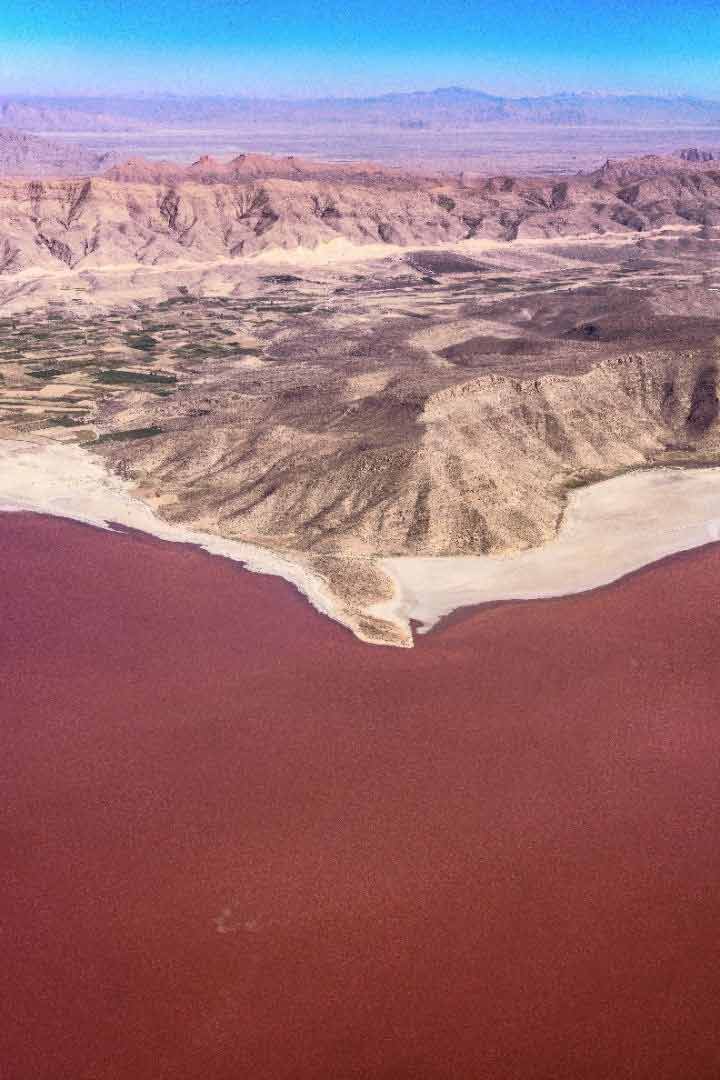
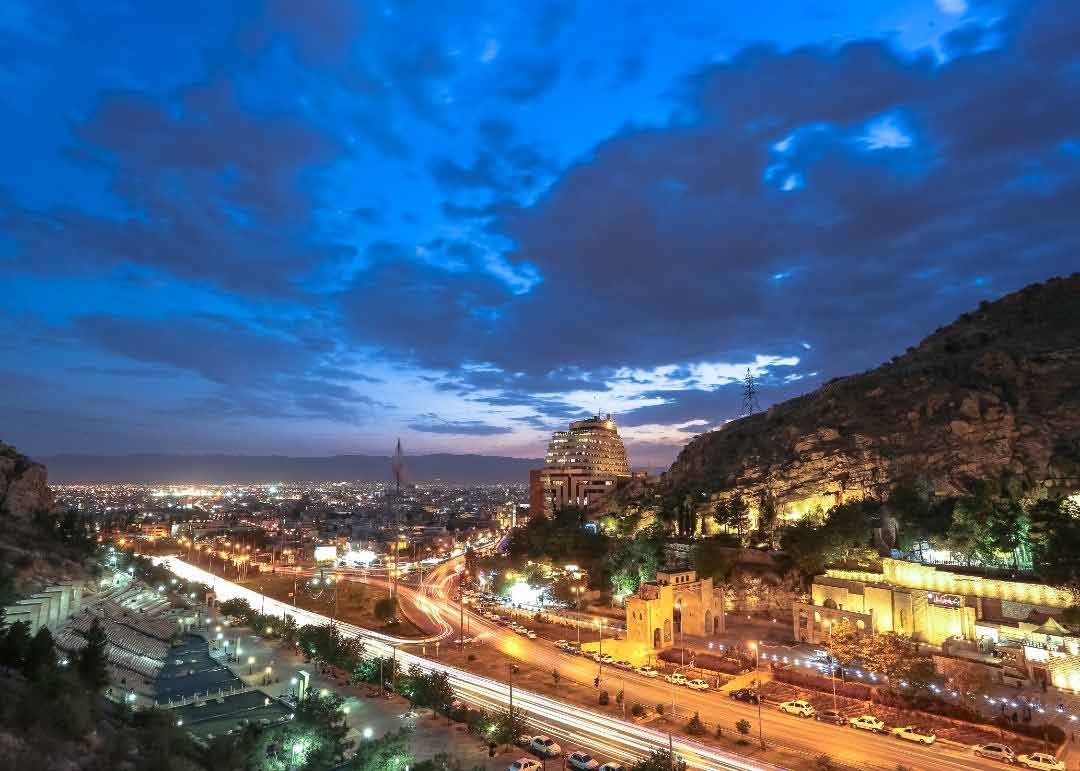
Shiraz, the capital of Fars Province, is located in south-western Iran, in the central part of the Shiraz Plain, on the foothills of the Zagros Mountains. With an average elevation of approximately 1,500 metres above sea level, the city is bounded to the north, north-west and west by elevations such as Mount Bamu, Baba-Kuhi, Chehel-Maqam, Sabzpooshan and Darak. These natural features have not only shaped the cityscape, but have also played a determining role in the pattern of physical development, climatic conditions and formation of Shiraz’s cultural landscape.
The geographical coordinates of Shiraz are approximately 29°36′ N latitude and 52°32′ E longitude. The city’s location on a relatively elongated plain enclosed by surrounding elevations has resulted in its physical development taking place predominantly in a linear pattern along the north-west–south-east axis, a characteristic regarded as one of the morphological features of Shiraz.
Shiraz has a semi-arid climate, with hot summers and relatively mild winters. Like many areas of southern and south-western Iran, the city has experienced declining precipitation and prolonged periods of drought in recent decades. Nevertheless, the historical management of water resources, the use of qanats, and the development of historic gardens have played an important role in Shiraz’s urban development and environmental sustainability, forming a significant part of its natural and cultural identity.
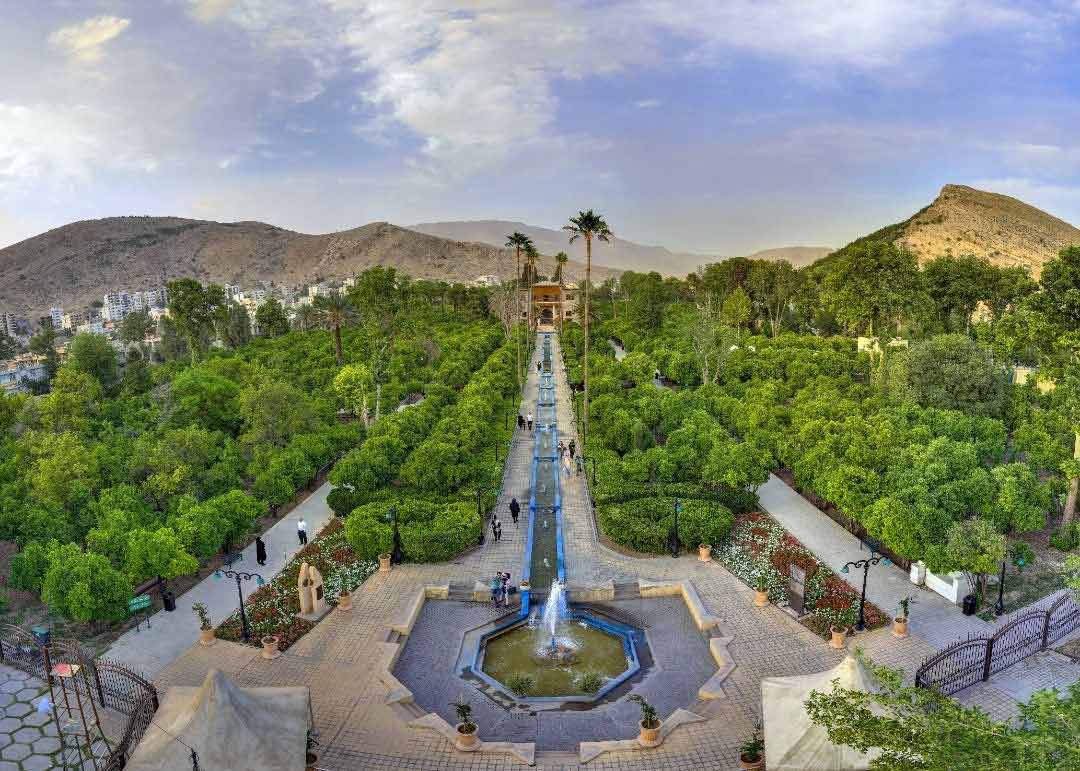
Historic gardens, green spaces and the city’s characteristic vegetation, particularly bitter orange, cypress and plane trees, are among the principal elements of Shiraz’s urban landscape. The blossoms of bitter orange trees, which perfume the city each spring, have become one of the best-known natural and cultural symbols of Shiraz and hold a special place in the city’s urban identity.
Shiraz is one of Iran’s historic cities, whose identity has been shaped by the interplay of its natural environment, civilizational heritage, political transformations and cultural flourishing. Human settlement in the Shiraz Plain dates back thousands of years, and archaeological findings indicate that the region has long been one of the important centres of settlement and human activity in southern Iran. Archaeological excavations at prehistoric sites around the city, including the Dasht-e Rostam site, have revealed evidence of human settlement dating to around the fifth millennium BCE. These findings point to the emergence of early patterns of settlement and agriculture, as well as human interaction with the natural environment in the Shiraz Plain, highlighting the importance of the region in studies of the cultural history of southern Iran.
The name Shiraz also has an ancient history. The oldest written evidence associated with the name appears on Elamite tablets discovered at the Persepolis complex, where a name recorded as “Tiraziš”, or forms close to it, has been identified. Researchers have associated this name with the present-day name Shiraz, although different views exist regarding the precise origin and meaning of the word. Some studies relate it to the evolution of an ancient Elamite or Iranian name, while others have proposed possible connections with the natural or geographical characteristics of the region. In the absence of a definitive consensus among linguists and historians, the etymology of the name Shiraz remains a subject of scholarly research.
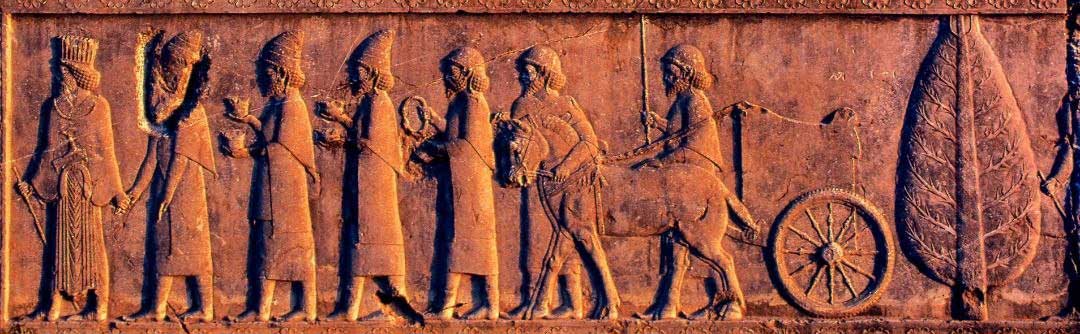
During the Achaemenid period, the Fars region was one of the most important political centres of the ancient world, and the cities of Estakhr and Parsa (Persepolis) played prominent roles in the political and ceremonial structure of the period. Although Shiraz was not the principal political centre of the Achaemenid Empire at the time, its location within this civilizational sphere and its proximity to the major historical centres of Fars provided the basis for the continued importance of the region in subsequent periods. During the Sasanian period, Fars likewise held a special position within the political and cultural structure of Iran, and a network of important cities and settlements developed across the region.
Following the advent of Islam in Iran, Shiraz gradually consolidated its position as one of the major urban centres of Fars. Its favorable geographical location, natural resources, flourishing agriculture and administrative status enabled Shiraz to develop during the early Islamic centuries and become one of the important cities of southern Iran.
During the Buyid period, Shiraz reached the height of its political importance and, as the capital of the dynasty, became one of the major scientific, cultural and economic centres of the Islamic world. The support provided by the Buyid rulers to scholars, men of letters and artists fostered the city’s intellectual and cultural flourishing and consolidated its place in the history of Islamic civilization.
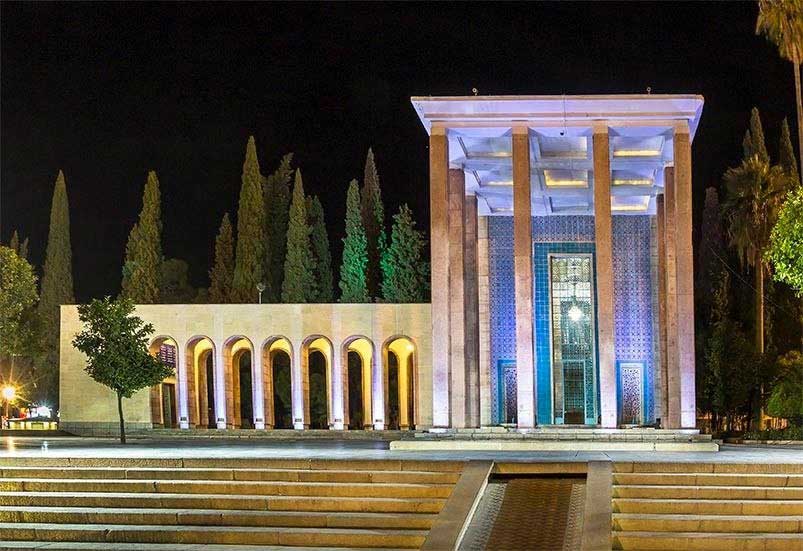
During the Atabakan-e Fars (Salghurid) period, Shiraz once again served as the seat of government and, during this period, became one of the most important centres of Persian culture and literature. The presence of intellectuals and literary figures such as Saadi of Shiraz played an important role in establishing Shiraz’s international standing in the history of Persian literature.
Shiraz also served as a political centre during the Muzaffarid period. It was during this period that Hafez of Shiraz, one of the foremost poets of the Persian language, lived in the city, leaving a lasting influence on Iranian culture and world literature. The historical association of Shiraz with poetry, thought and the arts became one of the principal elements of the city’s cultural identity from these periods onwards.
During the Zand period, Shiraz was selected as the capital of Iran for the fourth time in its history. Karim Khan Zand implemented extensive urban development programmes, constructing or developing valuable monuments such as the Arg of Karim Khan, the Vakil complex, including the Vakil Bazaar, Vakil Mosque and Vakil Bathhouse, and Nazar Garden, thereby transforming the urban landscape of Shiraz. A significant part of the city’s historic architectural heritage today is a legacy of this period.
In the contemporary period, Shiraz has maintained its position as one of Iran’s most important cultural, academic, scientific and tourism centres. The continuity of urban life over the centuries, together with its historical, literary, architectural and natural heritage, has made Shiraz a prominent example of the continuity and transformation of the Iranian city; a city whose identity rests on the connection between its heritage of the past and its cultural vitality today.
Shiraz, owing to its diverse historical, architectural and cultural layers, is considered one of Iran’s most important heritage cities. The city’s historic structure reflects the various stages of its development, from the formation and expansion of the Islamic city to the flourishing of the local dynasties of Fars and the Zand period, which transformed the urban landscape of Shiraz through a range of public, religious and governmental buildings.
A significant part of Shiraz’s historic architectural identity took shape during the Zand period. The Vakil complex, comprising the Vakil Bazaar, Vakil Mosque and Vakil Bathhouse, is regarded as one of the most distinctive examples of urban architecture of this period. The Vakil Bazaar, with its coherent spatial organization and integration of commerce, social interaction and urban life, is an outstanding example of Iran’s traditional bazaars. The Vakil Mosque, with its spacious prayer hall, stone columns and architectural decorations, is also considered one of the valuable examples of religious architecture of the Zand period. The Arg of Karim Khan, as the seat of government during the Zand period, is a prominent example of the integration of military and residential architecture in the historic city of Shiraz.
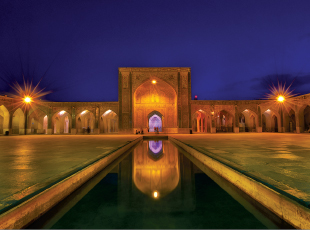
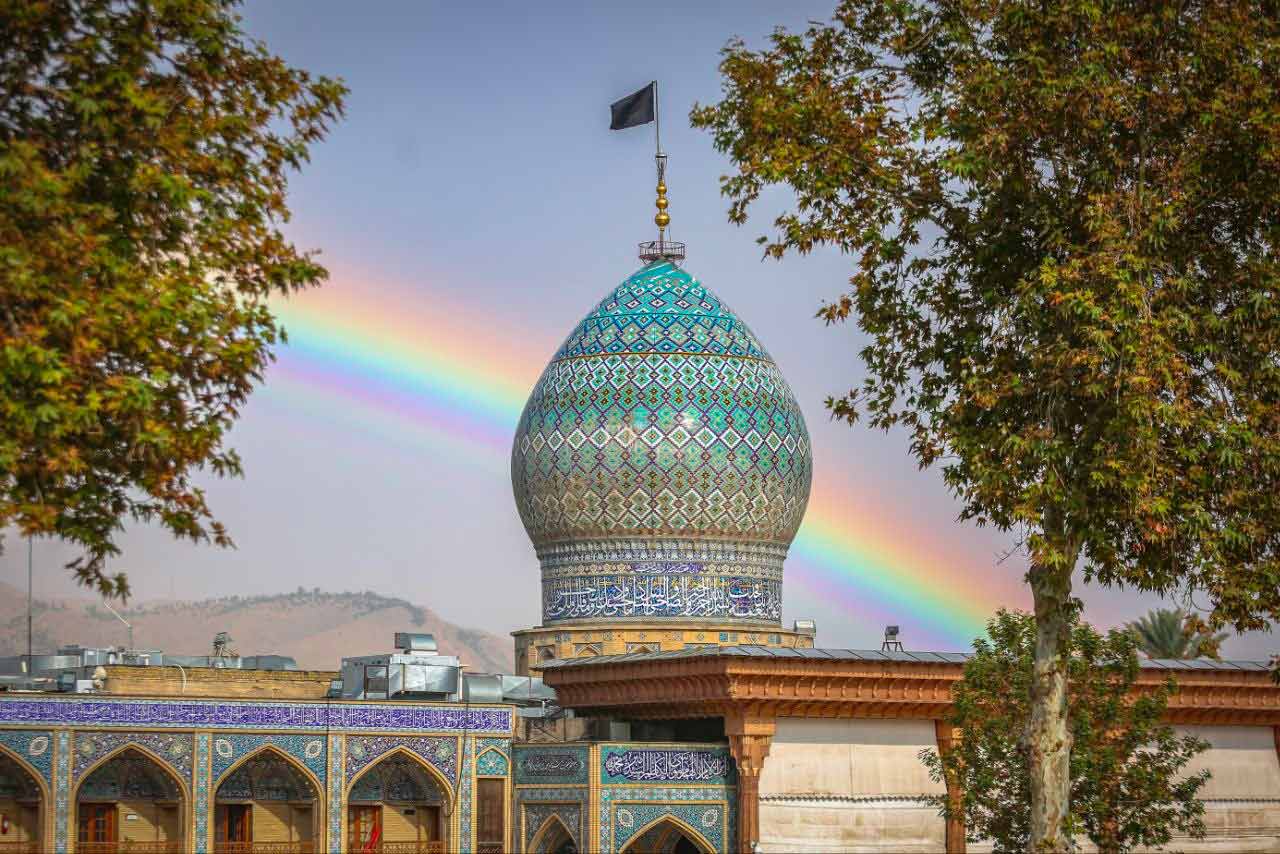
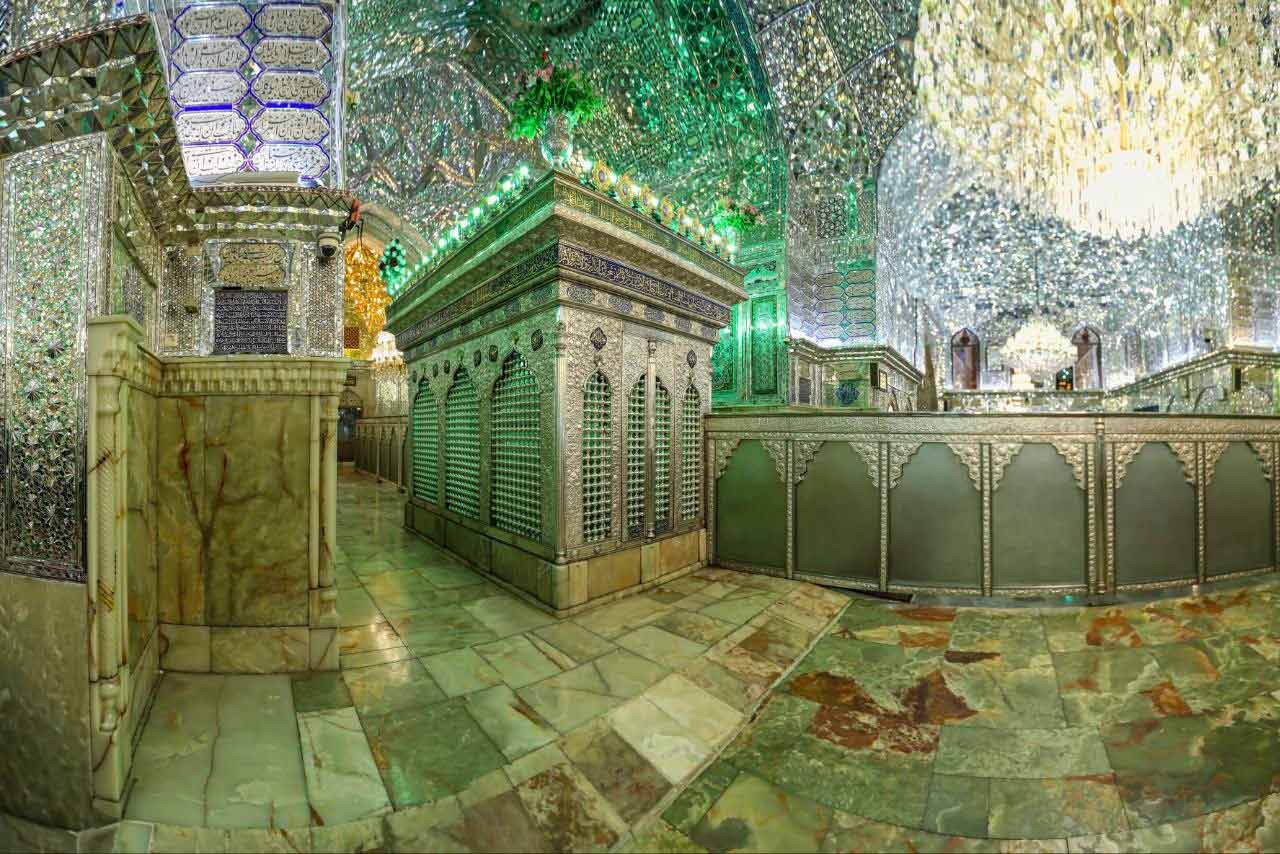
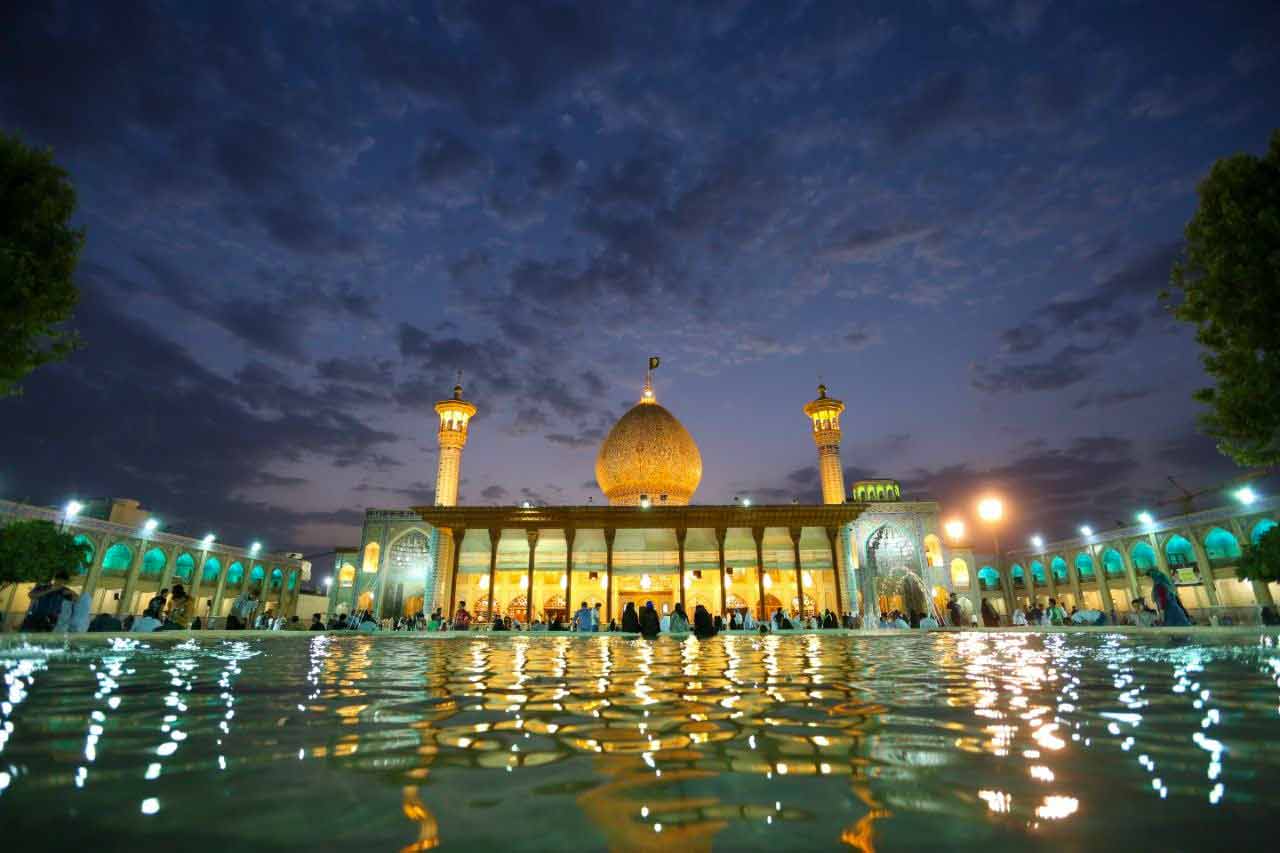
Shiraz’s religious heritage also constitutes an important part of the city’s cultural identity. The Shrine of Ahmad ibn Musa (Shah Cheragh), one of Iran’s most important pilgrimage centres, is significant not only for its religious status but also for its architecture, decorative arts and role in shaping the surrounding urban space. The Nasir al-Mulk Mosque, with its use of light, colour and delicate tilework, is likewise one of the distinctive examples of Qajar-period architecture in Shiraz and an outstanding expression of Iranian architectural art.
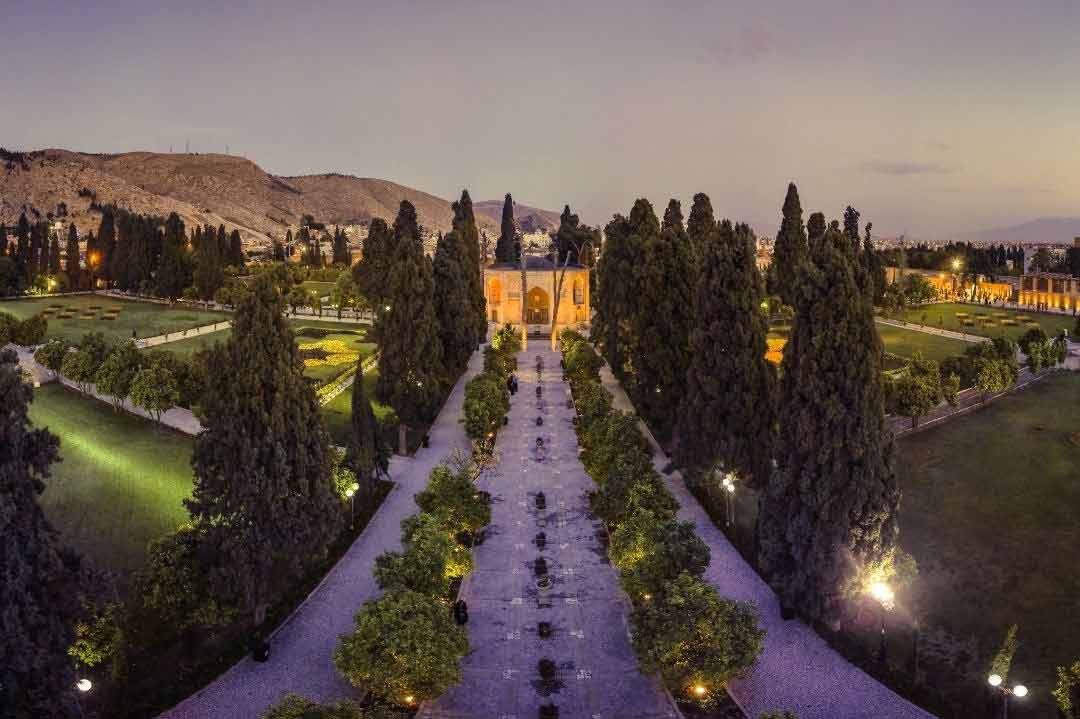
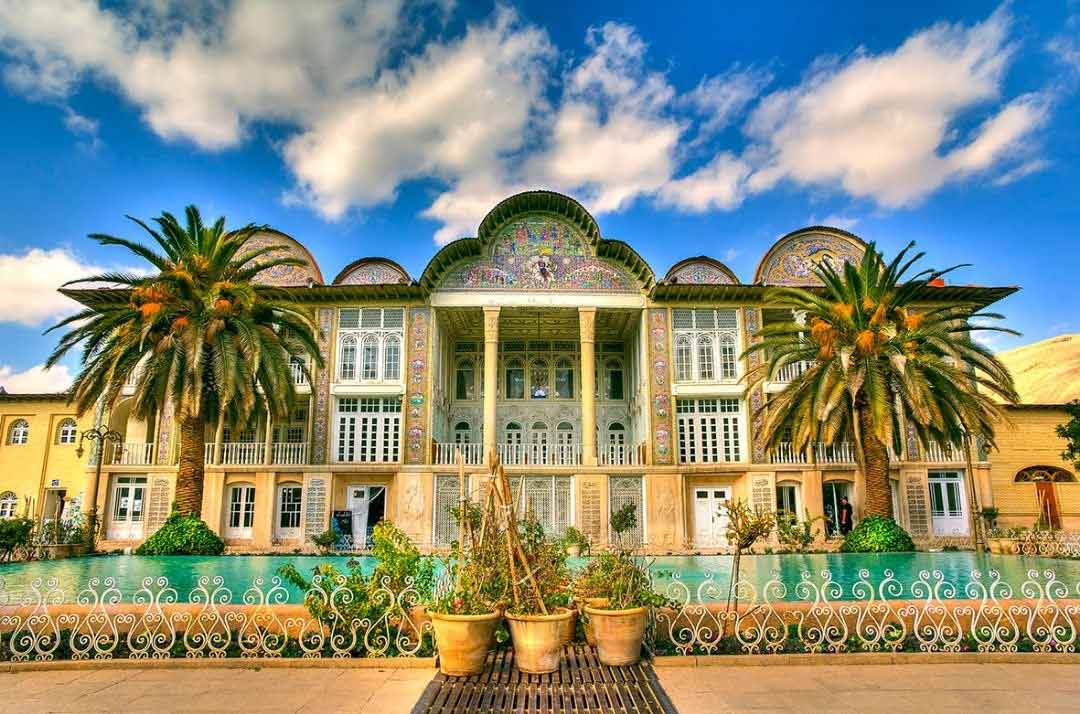
The historic gardens of Shiraz also hold a special place in the city’s cultural heritage. These gardens represent the continuation of the long-standing Iranian tradition of garden design, in which the relationship between nature, architecture and water creates a harmonious and meaningful environment. Eram Garden, Narenjestan-e Qavam Garden and Afif-Abad Garden are among the prominent examples of this heritage and form part of Shiraz’s historic cultural landscape.
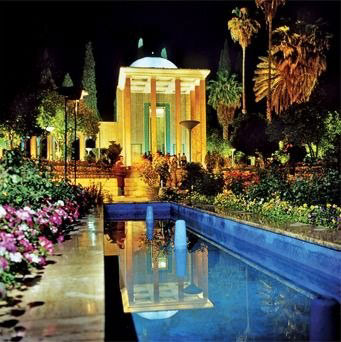
The Tombs of Hafez and Saadi, two great poets of the Persian language, are other important elements of Shiraz’s cultural identity. In addition to their architectural value, these sites reflect the city’s profound connection with Persian literature and its role in the history of Iranian culture. The presence of these two globally renowned figures in the city’s cultural memory has contributed to Shiraz’s international recognition as one of the major centres of Persian literature.
Alongside these monuments, a range of historic houses, religious buildings, traditional urban spaces and elements of vernacular architecture reveal the different layers of Shiraz’s history. This multilayered heritage demonstrates the continuity of urban life in Shiraz and its capacity to maintain a connection between its historical past and contemporary life.
Valuable pre-Islamic sites such as Persepolis, Pasargadae and Naqsh-e Rostam, although not located within the city of Shiraz, form part of the broader civilizational context of Fars Province and are important for understanding Shiraz’s historical position in the region. Nevertheless, the heritage identity of Shiraz rests above all on the collection of historical, cultural and architectural sites within its urban fabric and on the continuity of its role as a cultural centre.
Shiraz has been one of Iran’s most important cultural centres throughout its history; a city whose identity is rooted not only in its historical and architectural heritage, but also in the profound connection between literature, art, knowledge and human creativity. The cultural standing of Shiraz is the result of the continuity of a centuries-old urban tradition in which poetry, thought, education, traditional arts and creative activities have flourished alongside one another.
Shiraz holds a special place in the history of Persian literature, and its name has become inseparably associated with two of the greatest poets of the Persian language, Saadi and Hafez. Saadi’s works, including the Gulistan and Bustan, and Hafez’s Ghazals not only constitute an important part of Iran’s literary heritage, but are also recognized internationally as outstanding examples of classical Persian literature. The tombs of these two poets in Shiraz are more than historic sites; they are cultural spaces that continue to attract literature enthusiasts, researchers and visitors from around the world.
Shiraz’s culture is not limited to its literary heritage. For centuries, the city has been one of Iran’s important centres of art, architecture, calligraphy, music and handicrafts. The continuity of artistic activities and the transmission of traditional knowledge and skills from one generation to the next have formed an important part of the city’s cultural capital. Shiraz’s historic bazaars, artistic workshops and cultural spaces continue to play an important role in safeguarding and revitalizing this heritage.
As one of Iran’s prominent cities in the field of cultural and creative industries, Shiraz has considerable potential for connecting cultural heritage, traditional arts, innovation and the creative economy. Drawing on its rich heritage of handicrafts and artistic activities, the city plays an important role in safeguarding and developing urban creative industries. Its designation as a World Crafts City reflects the city’s standing in the field of traditional arts and its efforts to safeguard, promote and develop this valuable heritage.
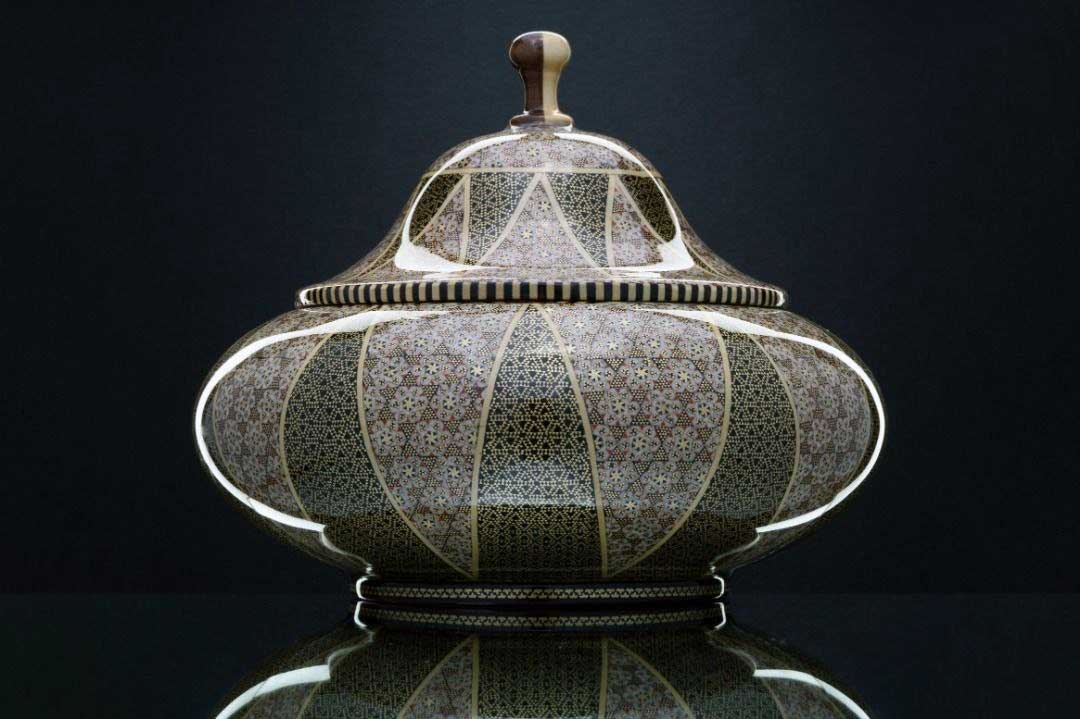
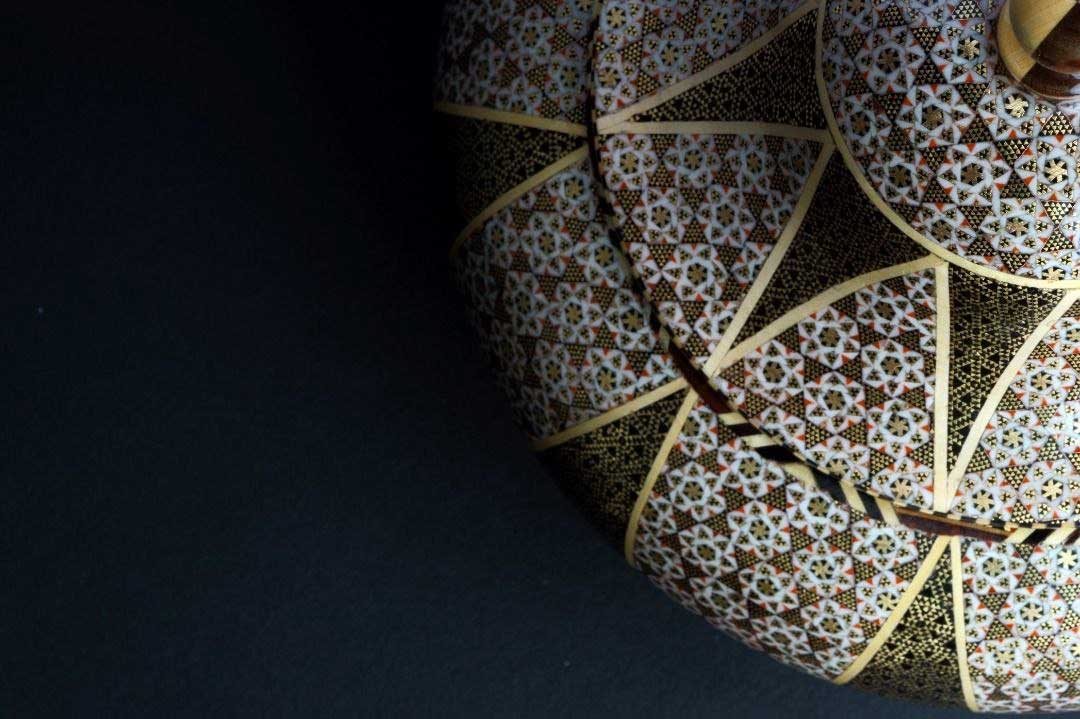
Among the traditional crafts associated with Shiraz, Khatamkari holds a special place. Shiraz Khatam is regarded as an outstanding example of this art owing to its delicacy, artistic quality and connection with long-standing traditions of Iranian woodcraft and decoration. It has also received the UNESCO Seal of Excellence. In addition to its aesthetic value, this art represents the transmission of indigenous knowledge, specialized skills and the creativity of artisans across generations.
Today, drawing on its rich cultural heritage, Shiraz is not only safeguarding its historical traditions but also paying attention to the development of new cultural and creative fields. The combination of literary and architectural heritage, traditional arts, educational capacities and contemporary cultural activities has made Shiraz one of the prominent examples of Iran’s cultural cities—a city where the heritage of the past is not regarded as a static element, but as a dynamic source of creativity, innovation and cultural participation in contemporary life.
Throughout its history, Shiraz has been an important centre for the production and transmission of knowledge in Iran, alongside its cultural and literary standing. The presence of scientists, physicians, men and women of letters, and thinkers across different historical periods has formed an important part of the city’s scientific identity. The city’s long-standing tradition of education and research has continued into the contemporary period through the development of academic and research institutions, making Shiraz one of the major scientific centres of southern Iran.
The establishment of Shiraz University in the 1940s was a turning point in the history of higher education in the country. As one of Iran’s first comprehensive universities, it has played an important role over the decades in the development of higher education, basic and applied research, and the training of successive generations of specialists. With numerous faculties and research centres, Shiraz University is regarded as an influential scientific institution in Iran in fields including basic sciences, engineering, humanities, agriculture and biological sciences.
Shiraz has also attained an international standing in the fields of medical sciences and healthcare. Shiraz University of Medical Sciences and its affiliated medical centres, particularly in the field of organ transplantation, are regarded as pioneers in Iran and the region. The Shiraz organ transplantation programme, which began its activities several decades ago, has developed into one of the world’s well-known transplant centres and has gained international recognition, particularly in liver and kidney transplantation. The Organ Transplantation Centre at Namazi Hospital, having performed thousands of transplant operations over several decades, has played an important role in advancing medical knowledge and technologies, training specialists and providing advanced healthcare services. In some years, the centre has been a world leader in terms of the number of liver transplants performed.
Alongside its universities and medical centres, Shiraz is also home to national and international scientific and information institutions. The Islamic World Science Citation Center (ISC), based in Shiraz, is one of the important centres for measuring and analysing scientific output in the Islamic world. It works to promote scientific cooperation, evaluate research journals and develop scientometric infrastructure. The centre has established an important position within the region’s scientific information system.
Today, drawing on its historical scientific heritage, dynamic universities, research centres, advanced medical capacities and network of specialists and researchers, Shiraz is considered one of Iran’s major scientific cities. The connection between knowledge, culture, innovation and social participation has created a foundation for Shiraz not only to preserve its heritage of the past, but also to move towards knowledge-based development and lifelong learning.
Shiraz, a UNESCO Learning City
Lifelong learning is one of the fundamental approaches to sustainable urban development in the twenty-first century. It is an approach that does not limit learning to the formal education system, but regards it as a continuous process throughout life and an important factor in empowering citizens, increasing social participation, strengthening cultural identity and improving the quality of urban life. Drawing on its cultural and scientific heritage and its existing educational, research and cultural capacities, Shiraz joined the UNESCO Global Network of Learning Cities (GNLC) in 2017.
Shiraz’s inclusion in this global network reflects an approach that views the city not merely as a collection of physical infrastructure, but as a space for learning, interaction, creativity and citizen participation. Within this framework, the urban management of Shiraz has sought to make use of the city’s cultural, social and educational capacities to provide diverse learning opportunities for different groups of citizens.
One of the important areas of this approach is the recognition, safeguarding and transmission of the city’s identity. The establishment and activities of the Shiraz Studies Centre, together with programmes focused on collecting, documenting, researching and introducing knowledge related to the history, culture, prominent figures, architecture and heritage of Shiraz, contribute to strengthening the city’s collective memory and transmitting its cultural capital to new generations. The compilation of the Shiraz Encyclopaedia is also an initiative aimed at organizing and documenting knowledge related to different aspects of this historic city and can serve as a resource for researchers, students, citizens and others interested in learning about Shiraz.
Civic education is another important area of the city’s cultural and social activities. The educational and cultural programmes of the urban management system, delivered through cultural centres, social and cultural facilities and other communication platforms, focus on issues such as awareness of citizens’ rights and responsibilities, strengthening social participation, protecting the urban environment, enhancing social interaction and raising awareness of the city’s cultural heritage. These activities seek to ensure that citizens are not merely recipients of urban services, but active participants in the city’s development processes.
One of the fundamental principles of Learning Cities is ensuring broad and inclusive access to learning opportunities. In this regard, particular attention is given to different social groups and to creating opportunities for diverse sections of society to participate in cultural, educational and social programmes. The development of cultural activities at neighbourhood level, the creation of public learning spaces and attention to the needs of groups that may have less access to educational and cultural opportunities are important components of the movement towards a more inclusive and learning-oriented city.
Alongside the activities of the urban management system, universities, higher education institutions, skills-training centres, specialized institutions and social organizations also play a role in expanding learning opportunities in Shiraz. Shiraz University, Shiraz University of Medical Sciences and other scientific and educational institutions in the city, together with skills-based, health-oriented and social programmes, have created a broad range of formal and non-formal learning opportunities.
By connecting its historical and cultural heritage with contemporary approaches to education, innovation and social participation, Shiraz is moving towards becoming a city in which learning is an integral part of the everyday lives of its citizens. From this perspective, the heritage of the past is not regarded as something static or confined to museums, but as a living source for generating knowledge, strengthening identity and building a more sustainable future for the city and its citizens.
International Standing and City Diplomacy
In recent decades, alongside preserving its historical and cultural standing, Shiraz has established an active presence in international urban networks and has made use of the capacities of city diplomacy to develop cultural, scientific and managerial cooperation. Shiraz’s participation in specialized international organizations and networks reflects the city’s role as one of Iran’s important cultural centres and its efforts to engage with cities around the world on the basis of shared heritage, sustainable development and the exchange of urban experiences.
Shiraz is the only Iranian metropolis serving on the Board of Directors of the League of Historical Cities, and its participation in this network reflects the city’s standing among cities committed to safeguarding historical heritage, sharing experiences in the management of historic urban areas, and leveraging cultural heritage for sustainable urban development.
In the field of cooperation among metropolises, Shiraz is a member of Metropolis and, within the organization’s structure, serves as a Board Member and Vice-President for the Eurasia and Middle East Region. Participation in this network provides Shiraz with opportunities to engage in specialized discussions on urban governance, sustainable development, innovation and the management of common challenges facing metropolises.
Shiraz also plays an active role in the Asian Mayors Forum and, as a Vice-President, contributes to strengthening cooperation among Asian cities, exchanging urban management experiences, and developing cultural and people-to-people relations among nations.
In the field of safeguarding and promoting intangible cultural heritage, Shiraz is also a member of the Board of Directors of the Inter-City Intangible Cultural Cooperation Network (ICCN). The network works to strengthen cooperation among cities and local institutions to safeguard living cultural heritage, transmit indigenous knowledge and connect culture with sustainable development. Shiraz’s participation in its governing structure demonstrates the importance attached to cultural heritage in the city’s international approach.
In addition to these networks, Shiraz participates in other international organizations and initiatives, including the World e-Governments Organization of Sustainable Development (WeGO) and the Organization of Islamic Capitals and Cities (OICC), through which it expands cooperation in the fields of urban technology, sustainable development, culture and urban management.
One of the important manifestations of Shiraz’s city diplomacy is its active network of sister and partner cities. These relationships have been established on the basis of shared historical, cultural, literary and civilizational ties and provide a platform for exchanging experiences, organizing cultural programmes and strengthening connections among urban communities. Dushanbe, the capital of Tajikistan; Chongqing and Nanjing in China; and the four European cities of Nicosia, Weimar, Novi Sad and Pécs, all of which have previously held the title of European Capital of Culture, are Shiraz’s official sister cities. Cities such as Dresden and Baghdad have also concluded cooperation agreements with Shiraz.
This network of international relations has positioned Shiraz to share its cultural heritage and historical experience with cities around the world while simultaneously drawing on international experiences to address contemporary urban needs. In this regard, Shiraz’s city diplomacy is not merely a means of international engagement, but also a platform for cultural development, mutual learning and strengthening cooperation among cities.

Contact Information
Address
Pishro St., Rahnamayi St., Central Municipality Building of Shiraz (Martyr Lieutenant General Soleimani Building), Shiraz, Iran
Phone Number
031333239740 - 41
intl.shirazcity@gmail.com
Learning City Mayor
Dr. Mohammad Hassan Asadi
Learning City Coordinator
Mr. Mazaheri