

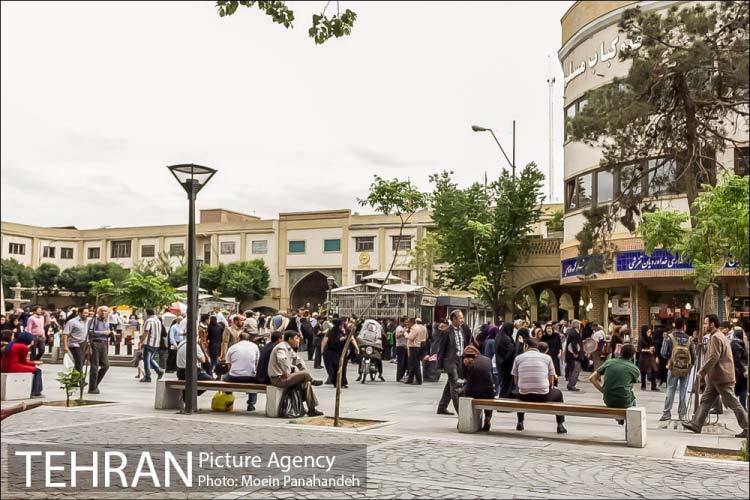
Tehran, the fifteenth most populous city in the world, covers an area of 730 square kilometers and, together with its surrounding areas, has a population of more than 14 million. In terms of area, it is considered the twenty-eighth largest city in the world, with a population density ranging from approximately 10,700 to more than 11,000 inhabitants per square kilometer.
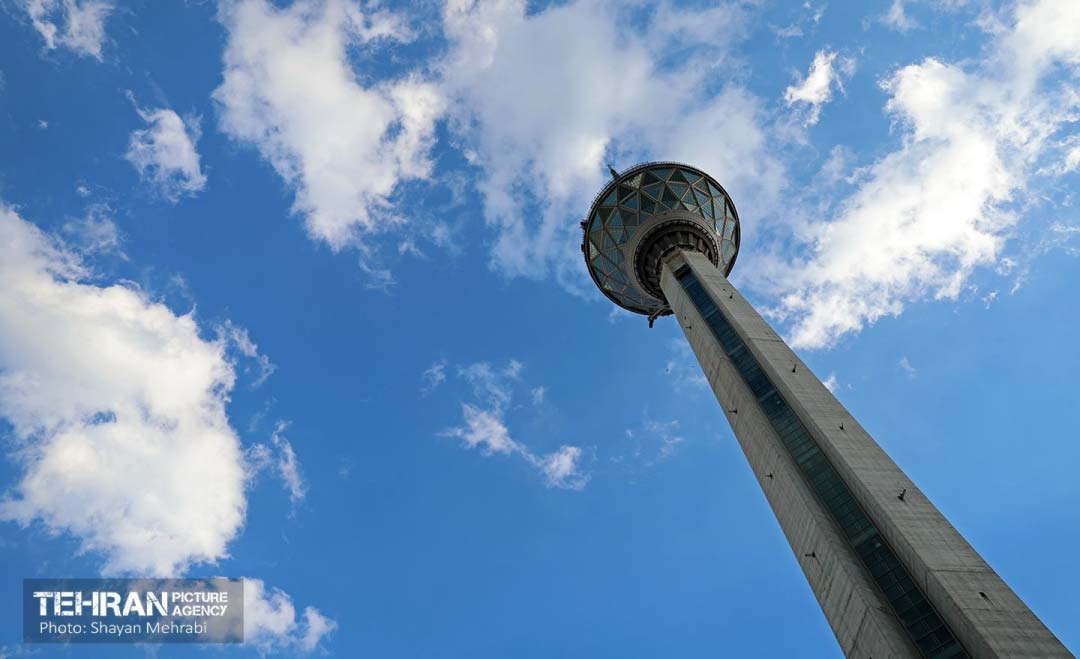
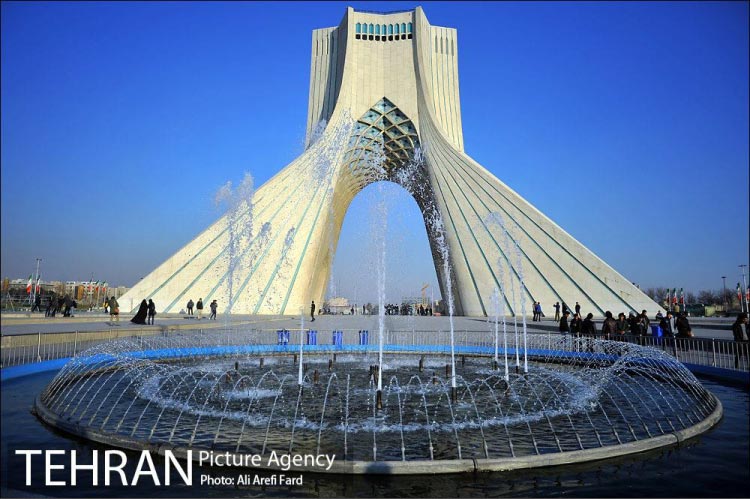
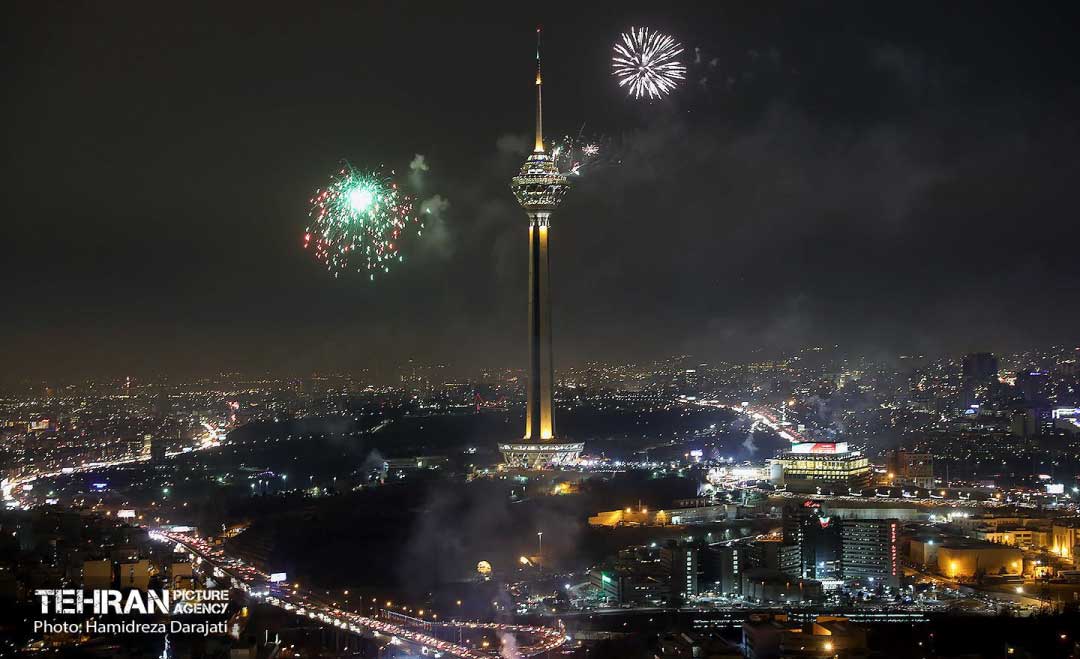
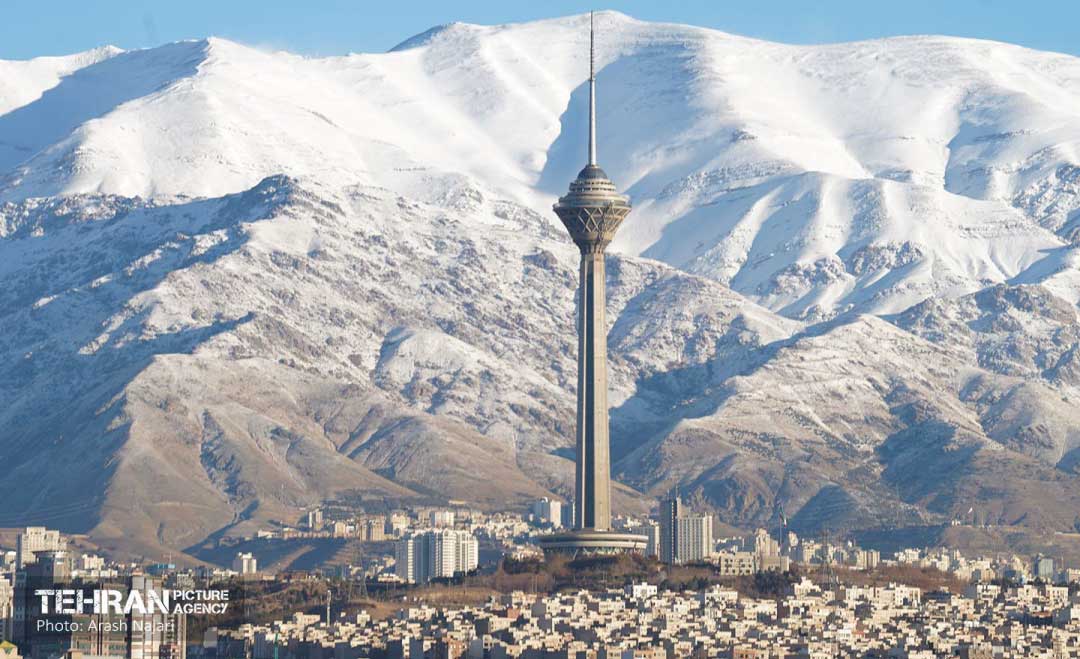
Tehran is divided into 22 municipal districts and 112 neighborhood (including Ray and Tajrish), and its iconic landmarks are the Azadi Tower and Milad Tower. The city is considered one of the world’s most expensive cities, although it does not rank favorably in terms of quality-of-life standards.
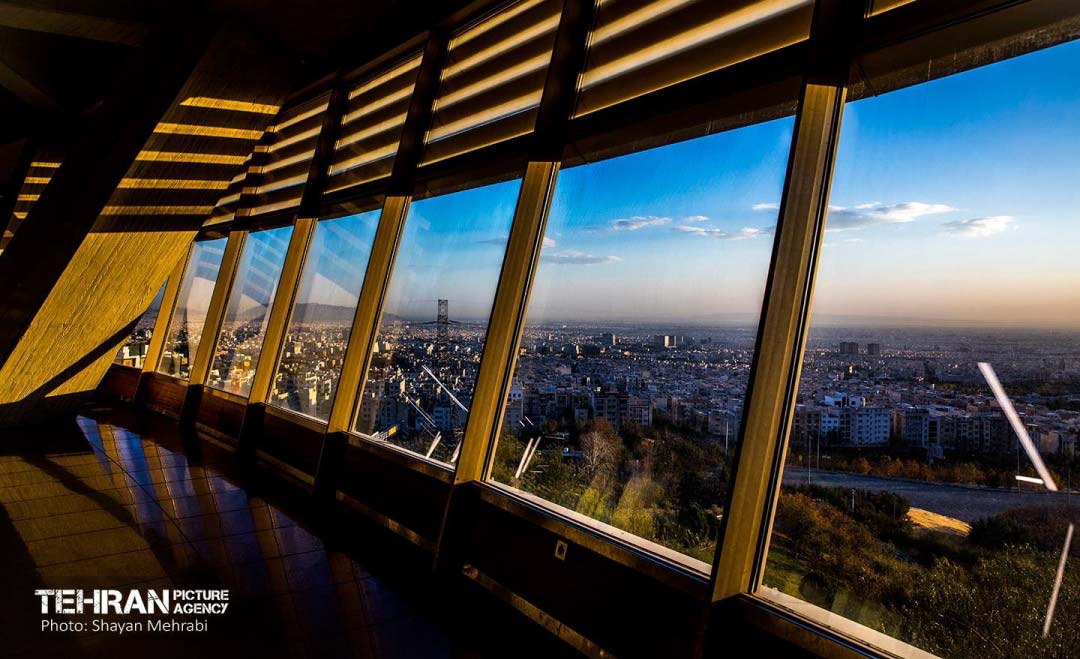
The city was selected as the capital during the reign of Agha Mohammad Khan Qajar. Tehran extends across the area between the mountains and the desert, on the southern slopes of the Alborz Mountains, at an elevation of approximately 1,190 meters above sea level. To the south, it is bordered by the Ray and Bibi Shahrbanu mountains and the plains of Shahriar and Varamin, while to the north it is enclosed by the mountainous terrain.
The northern mountains of Tehran, whose highest peak is Mount Tochal, rising to 3,933 meters, overlook the entire city. The second zone comprises the foothills of the Alborz Mountains, extending towards the hills and valleys of Ovin, Darakeh, Niavaran, Hesarak and Soohanak, which have long attracted large numbers of people. The third zone is the plain on which Tehran has developed, with a gentle slope running from north to south.
The geographical setting of Tehran, encompassing both mountainous and plain areas, is defined by the Karaj River to the west and the Jajrud River to the east, which converge near the Dasht-e Kavir (Kavir Desert) in south-eastern Tehran. Tehran’s climate is relatively humid and temperate in the mountainous northern areas and becomes warmer and drier towards the south.
The absolute maximum and minimum temperatures recorded in Tehran are 41°C and −6°C, respectively, while the city receives approximately 327 millimetres of annual precipitation. Tehran experiences around 40 days of frost each year. In terms of seismic risk, the city is considered a high-damage area, with an intensity of 8 to 10 on the Mercalli scale.
One of the major challenges facing Tehran is the provision of drinking water. The city’s water supply is provided by the major Karaj, Jajrud and Lar rivers.
As the largest and most important city in Iran, Tehran has a distinctive political, economic, cultural and geographical position. This has led many people from across the country to come to the city for employment, education, healthcare, administrative affairs, trade and recreation, and to gradually settle there.
The development and prosperity of Tehran began with the decline of Ray. The Mongol attacks on Ray and the migration of its inhabitants to the surrounding areas laid the foundations for the development and flourishing of areas such as Tehran. A new phase of urban development in Tehran began in 1921 (1300 in the Iranian calendar), leading to rapid growth and significant transformations. This period can itself be divided into four major phases.
Between 1921 and 1941 (1300–1320 in the Iranian calendar), all the city’s moats and gates were removed and replaced by boulevards, streets and new buildings, including the railway station, Ministry of Foreign Affairs building, Officers’ Club, Military Academy, National Police Headquarters and Bank Melli Iran. As a result, the irregular appearance of Tehran gradually changed, acquiring a relatively orderly and geometric character.
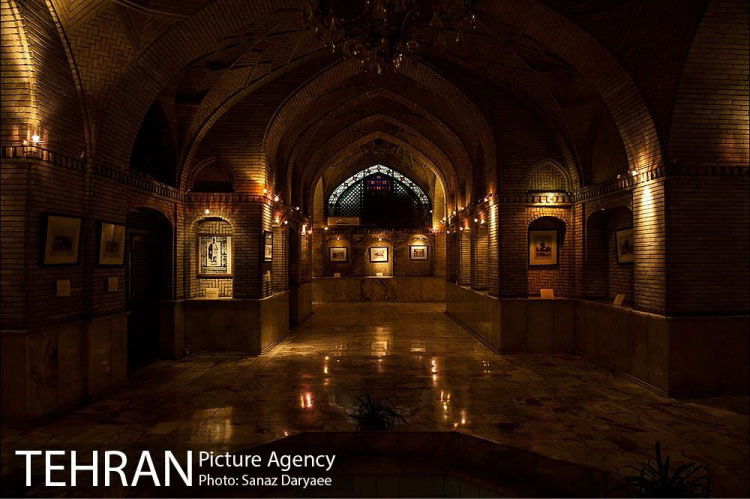
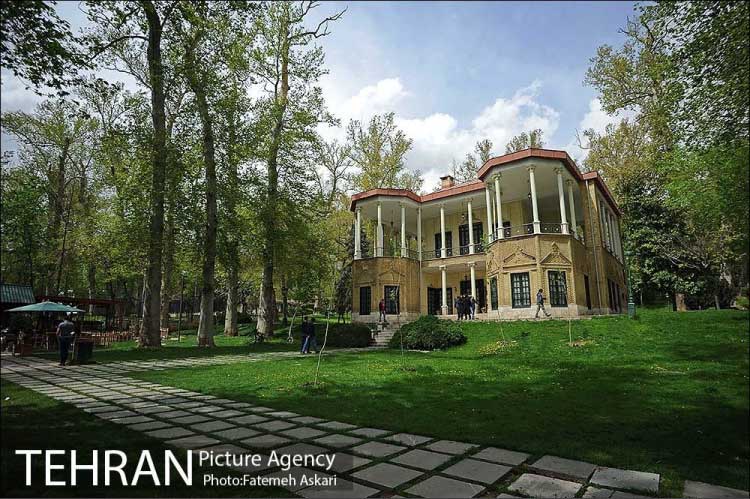
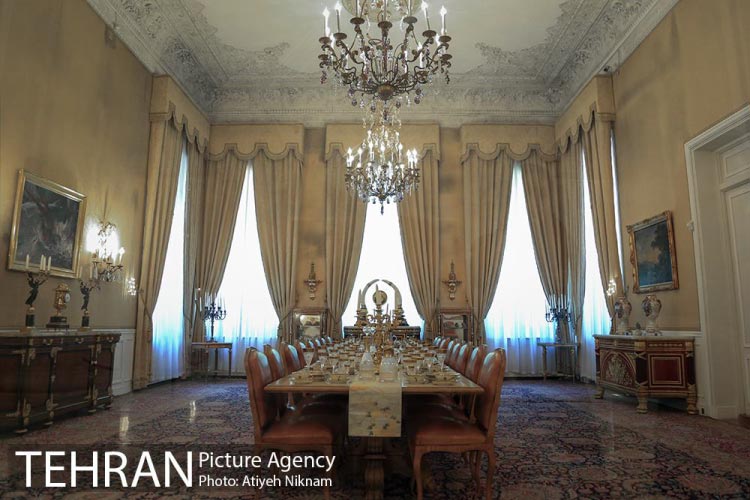
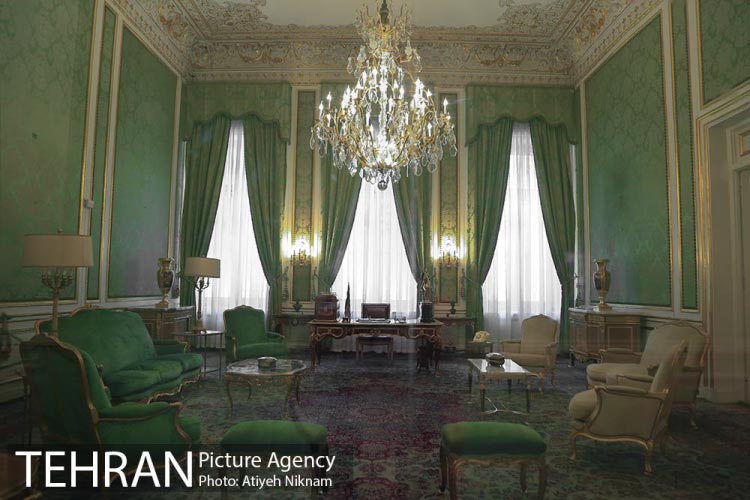
Approximately 200 years ago, Tehran was first selected as the capital of Iran by Agha Mohammad Khan Qajar. Most of Tehran’s historic mansions and buildings that today form part of Iran’s cultural heritage date from this period or from the Safavid era.
Tehran has 631 parks, including four forest parks covering an area of 4,000 hectares and 627 other parks covering more than 1,130 hectares. The city’s cultural assets also include nine cultural centres, 43 culture houses, 29 libraries, 22 art galleries and 36 Imamzadeh shrines.
As the capital of Iran and the main destination for migration from across the country, Tehran is home to an exceptional diversity of Iran’s culinary cultures. In addition to authentic Tehran dishes, a wide variety of traditional foods from different provinces of Iran, as well as international cuisine, is available to residents and tourists. Among Tehran’s well-known dishes are Dampokhtak, Valak Polo, Kaleh-Gonjeshki, various Iranian kebabs, Chelow Khoresh, Dizi (Abgoosht), Ash Reshteh and Tahchin, which are served in many traditional and modern restaurants across the city.
Tehran’s souvenirs also reflect the city’s position as the country’s economic, cultural and artistic centre. Iranian handicrafts and traditional arts, including Mina Kari, Khatam Kari, Qalamzani, turquoise inlay, pottery, carpets and kilims, calligraphic works and leather products, are available in the city’s markets and cultural centres. Traditional Iranian confectionery such as Sohan, Gaz and Baklava, together with Noghl, various dried fruits and nuts, and saffron, are also among the items commonly purchased by domestic and international tourists in Tehran.
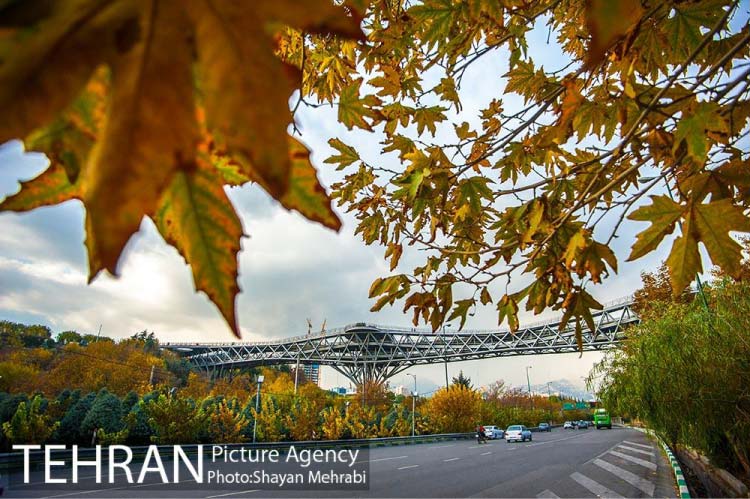
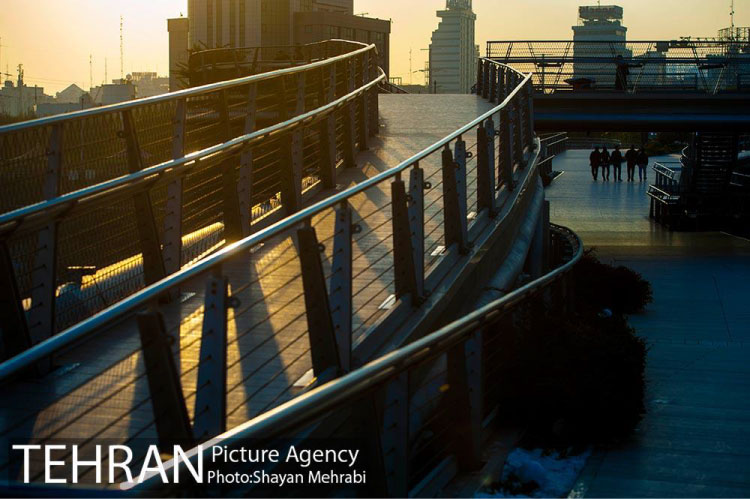
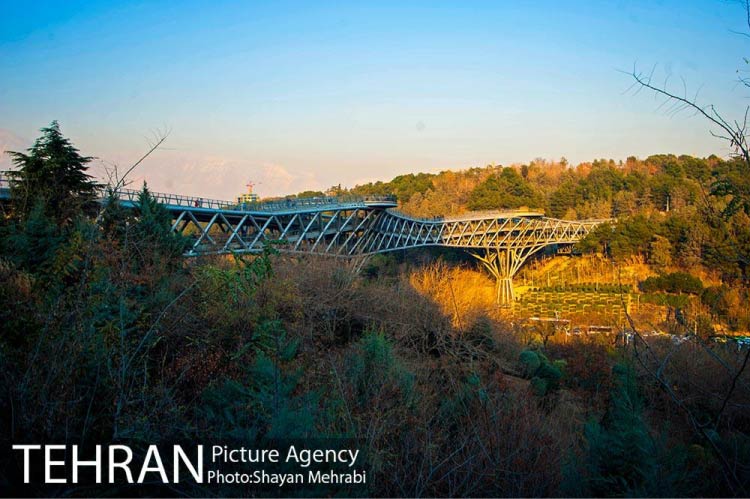
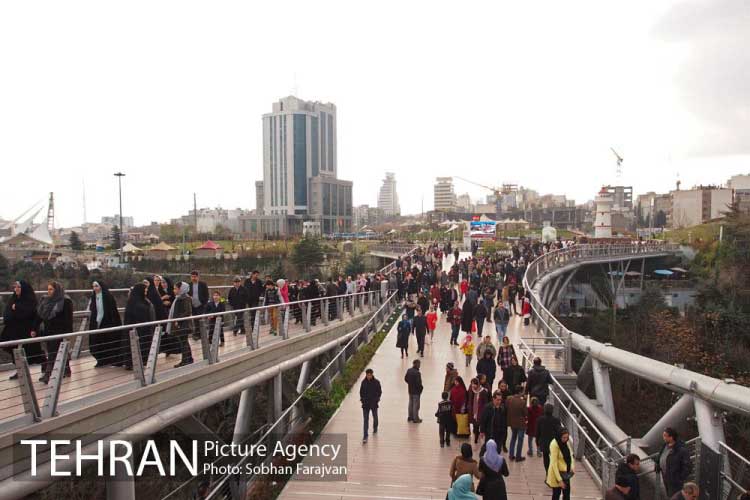
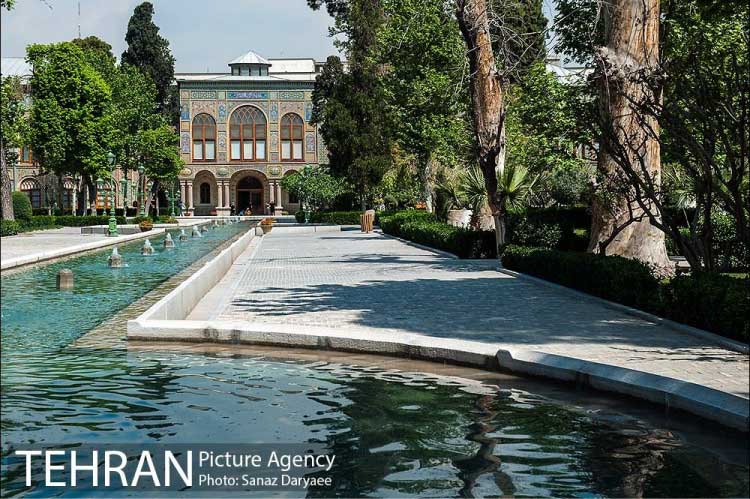
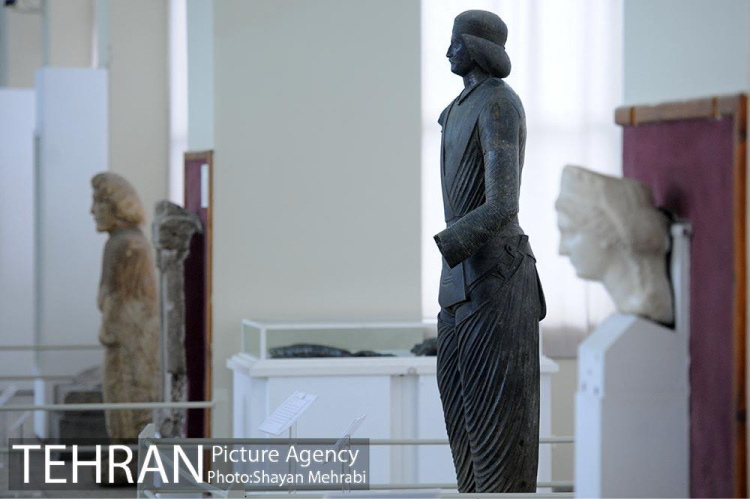
With its diverse collection of historic sites, museums, cultural buildings, public spaces and natural attractions, Tehran is one of Iran’s most important urban tourism destinations. The Golestan Palace World Heritage Site, Tehran Grand Bazaar, National Museum of Iran, Sa’dabad Historical and Cultural Complex, Niavaran Historical and Cultural Complex, Azadi Tower, Milad Tower, Tabiat Bridge, Holy Defense Museum Garden, Tehran Book Garden and Tehran Museum of Contemporary Art are among the city’s most important cultural and historical attractions.
Tehran’s location on the southern foothills of the Alborz mountain range provides access to a wide range of natural attractions, including Darband, Darakeh, Tochal and Darabad, as well as forest parks and extensive urban green spaces. In addition, the organization of cultural and artistic events, international exhibitions, film and arts festivals, and the activities of numerous educational and research institutions have further consolidated Tehran’s position as one of Iran’s major cultural, scientific and tourism centres.
Actions and Vision of Tehran as a Learning City
Implementation measures focus on the following areas:
- Establishing a centralized permanent secretariat and allocating Tehran Municipality’s budget for civic education;
- Coordination among the various units of Tehran Municipality;
- Implementing the 10 in 100 Programme (delivering 10 educational topics in 100 selected spaces in each municipal district);
- Making use of neighbourhood houses, schools, mosques, cultural centres, metro stations and chain stores;
- Expanding online education;
- Using urban advertising;
- Organizing city-wide educational campaigns.
Key projects implemented following the City of Tehran’s membership in the UNESCO Global Network of Learning Cities:
- 10 in 100 Programme
Participants: General Department of Civic Education; the 22 municipal districts; General Department of Environment and Sustainable Development; General Department of Health; Tehran Disaster Management Organization; Fire and Safety Services Organization; Transportation and Traffic Organization; and Waste Management Organization.
Objective: To expand civic education through inclusive and neighbourhood-based educational programmes covering topics such as social harms, responsibility and social participation, lifestyle and apartment living, civic ethics, etiquette and rights, fire safety, disaster management, waste management, environment and sustainable development, health, and transportation and traffic.
Target groups: All citizens, with an emphasis on children and adolescents.
Project description: Under this programme, 10 educational topics related to the responsibilities of urban management are delivered in 100 selected spaces in each municipal district, such as neighbourhood houses, schools, mosques and cultural centres. A variety of methods—including workshops, classes, conferences, exhibitions and cultural programmes—are used to make education accessible to all citizens.
Outcome: Establishment of a coherent educational system and increased access to civic education for citizens.
- Shahrak-e Koodaki Festival
Participants: General Department of Civic Education, the 22 municipal districts and cultural units.
Objective: To raise awareness of children’s rights, increase children’s participation in urban activities, create a joyful and educational environment, and provide educational services in line with the objectives of the Child-Friendly City resolution.
Target groups: All citizens, with an emphasis on children and adolescents.
Project description: Through educational, cultural, sports and recreational programmes, the Shahrak-e Koodaki Festival provides a platform for children to become familiar with their civic rights and their role in the urban environment, while strengthening their direct participation in urban programmes.
Outcome: Increased social participation among children and promotion of the concept of a Child-Friendly City.
- Development of Neighbourhood Houses and Specialized Centres
Participants: General Department of Civic Education; General Department of Health; Neighbourhood Management Headquarters; the 22 municipal districts; and specialized municipal units.
Objective: To establish sustainable infrastructure for continuous learning in urban and civic fields, strengthen social capital, increase citizens’ participation in urban management, and provide specialized education tailored to the needs of different groups in society.
Target groups: All age groups and different segments of society, including children, adolescents, young people, women, older persons, persons with disabilities, social activists and local volunteers.
Project description: Neighbourhood houses and their specialized centres serve as Tehran’s principal neighbourhood-based learning platforms. Through educational courses, skills-development workshops, and cultural and social programmes, they provide opportunities for citizens’ education, participation and empowerment. By relying on direct citizen participation, this network transforms citizens from recipients of services into active participants in local development and strengthens their role in identifying challenges and implementing neighbourhood-based solutions.
Outcome: Increased access to neighbourhood-based education and strengthened social participation.
- Development of Environmental Houses in Neighbourhood Houses and Schools
Participants: General Department of Environment and Sustainable Development; General Department of Civic Education; and the Tehran Department of Education.
Objective: To enhance citizens’ awareness of sustainable development and environmental protection.
Target groups: All citizens, with an emphasis on children and adolescents.
Project description: Environmental Houses have been established in selected neighbourhood houses and schools in Tehran. Educational courses, specialized meetings, cultural campaigns and participatory programmes address issues such as waste separation, reducing plastic consumption, water and energy conservation, and biodiversity protection.
Outcome: Expansion of environmental education at the neighbourhood and school levels and increased participation by citizens and students in environmental activities.
- Development of Health Houses
Participants: General Department of Health.
Objective: To improve health literacy and enhance citizens’ quality of life.
Target groups: All citizens, particularly persons with specific needs, including older persons, persons with disabilities, pregnant and breastfeeding women, and others.
Project description: Through educational classes, counselling, health-promotion programmes and training on healthy behaviours, Health Houses play an important role in empowering citizens, improving community health and promoting healthy lifestyle changes through self-care.
Outcome: Expansion of health-oriented education and increased access to health education services.
- Kosar Skills Training Centre
Participants: Centre for Women and Family Affairs.
Objective: To promote entrepreneurship and empower women.
Target groups: Women, particularly female heads of household.
Project description: Kosar centres provide specialized and vocational skills training, helping women enter the labour market or establish small businesses and thereby contributing significantly to increasing women’s employment opportunities.
Outcome: Development of women’s entrepreneurial skills.
- Empowerment and Employment Centres for Socially Vulnerable Persons
Participants: Social Services and Participation Organization; State Welfare Organization; and other relevant institutions.
Objective: To support social rehabilitation and create entrepreneurial opportunities for socially vulnerable persons.
Target groups: Socially vulnerable persons.
Project description: These centres provide socially vulnerable persons with training in entrepreneurship skills and help create the conditions for their reintegration into social life.
Outcome: Enhancement of entrepreneurial skills and facilitation of the reintegration of socially vulnerable persons into society.
- Development of Online Education and Smart Systems
Participants: All affiliated units of Tehran Municipality.
Objective: To develop smart urban services and expand citizens’ access to electronic education.
Target groups: All citizens.
Project description: The development of educational platforms through systems such as Shahr-Amooz and Shahr Amooz, the Shahrzad application, and municipal district portals has enabled citizens to access educational content, participate in urban programmes and receive information services.
Outcome: Smart development of urban services and increased access to online education and citizens’ electronic participation in urban management.
- Establishment of the Comprehensive Secretariat for Civic Education of Tehran Municipality and Implementation of Specialized Civic Education Programmes
Participants: Deputy for Social and Cultural Affairs; Deputy for Urban Planning and Architecture; Deputy for Urban Services; Deputy for Transportation and Traffic; and Disaster Management Organization.
Objective: To promote civic culture and increase public awareness in specialized areas of urban management.
Target groups: All citizens.
Project description: Continuous courses, workshops, campaigns and educational programmes are implemented in areas such as safety, disaster management, environment, transportation, waste management, architecture and urban planning, health and civic rights, with the participation of specialized municipal units.
Outcome: Enhanced intersectoral coordination in civic education and promotion of public awareness across various areas of urban management.
- Junior Firefighter and School Firefighter
Participating institutions: General Department of Civic Education; Fire and Safety Services Organization; the 22 municipal districts; and the Tehran Department of Education.
Objective: To provide safety skills training and promote a culture of accident prevention.
Target groups: Adolescents in Tehran.
Project description: This programme was initiated by the General Department of Civic Education of Tehran Municipality with the aim of increasing awareness, strengthening safety skills and promoting social responsibility among adolescents. Participants became familiar with safety principles, fire prevention and emergency management and also received practical training in using basic firefighting equipment and fire extinguishers safely.
Outcome: Improved practical safety skills, social responsibility and adolescents’ participation in promoting a culture of safety.
- Educators’ Network
Participants: General Department of Civic Education, in cooperation with specialized municipal units.
Objective: To establish a coherent network of educators in Tehran and enhance the quality of civic education.
Target groups: Educators and instructors in the 22 municipal districts.
Project description: Through the establishment of an educators’ database, assessment of educational needs, delivery of capacity-building programmes and development of intersectoral cooperation, this initiative promotes synergy and enhances the effectiveness of civic education programmes.
Outcome: Strengthening the educators’ network, improving the quality of educational programmes and enhancing social capital towards the realization of a Learning City.
- Programme for Promoting the Culture of Apartment Living
Participating institutions: General Department of Civic Education; the 22 municipal districts; and other relevant specialized units.
Objective: To increase citizens’ awareness and deepen their understanding of the following issues with the aim of promoting behavioural change:
- Apartment-living regulations and privacy;
- Neighbourly ethics and etiquette;
- Green spaces, environment and waste management;
- Urban safety and disaster management.
Target groups: Residents of residential complexes, building managers, members of residential complex boards and families.
Project description: Through educational courses, skills-based workshops and the capacities of neighbourhood houses, this programme provides training in civic skills, including neighbourly relations, conflict management, social responsibility, waste management, energy conservation and safety principles. Implemented with the participation of neighbourhood management structures, the programme contributes to strengthening social interaction and improving quality of life in residential complexes.
Importance of the project: Given the expansion of apartment living in Tehran, promoting a culture of neighbourly relations is one of the requirements for realizing a Learning City and achieving sustainable urban development. By strengthening civic skills, responsibility, participation and mutual respect, the programme contributes to reducing conflicts, increasing social capital and improving quality of life at the neighbourhood level.
Tehran’s Vision as a Learning City
Medium-Term Vision
- Expanding civic education across all 22 municipal districts of Tehran, with a focus on continuous learning;
- Increasing the population covered by civic education programmes by at least 10 per cent annually;
- Making use of the capacities of all specialized municipal units to integrate educational programmes;
- Expanding face-to-face, online and neighbourhood-based learning opportunities for all age groups;
- Increasing citizens’ participation in urban governance through education and empowerment.
Long-Term Vision
- Realizing Tehran as a Learning City, with equal access for all citizens to opportunities for continuous learning;
- Strengthening social capital, citizens’ sense of responsibility and social participation;
- Institutionalizing a culture of learning in the areas of environment, health, safety, transportation, civic rights and sustainable development.
Strategic Objectives
- Promoting continuous learning for all citizens;
- Enhancing civic literacy;
- Increasing social participation;
- Developing digital education;
- Enhancing entrepreneurial skills and empowering different groups;
- Expanding educational opportunities for children, adolescents, women, older persons and underserved groups;
- Strengthening intersectoral cooperation in urban education.
Contact Information
Address
55 Damen Afshar St., Vanak, Tehran, Iran
Phone Number
02196021014
intl.affairs@tehran.ir
Learning City Mayor
Dr. Alireza Zakani
Learning City Coordinator
Mr. Shafiei | Dr. Gholamzadeh, Deputy for International Affairs | Ms. Ansari