

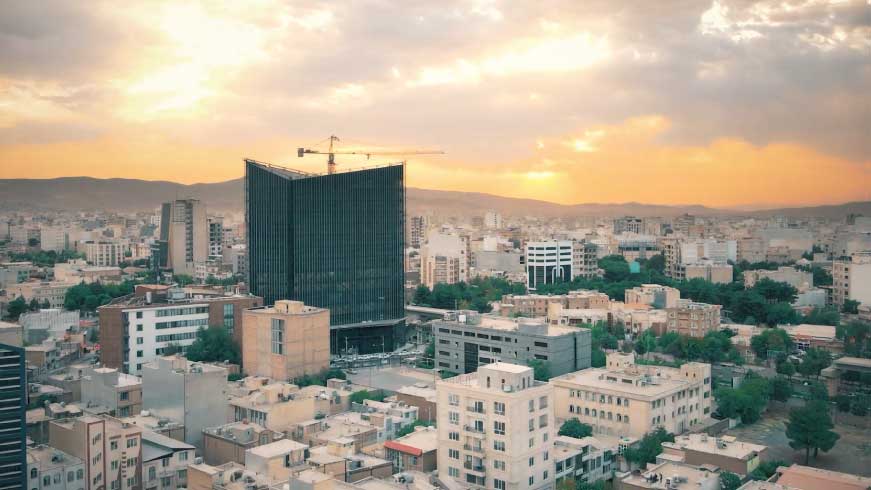
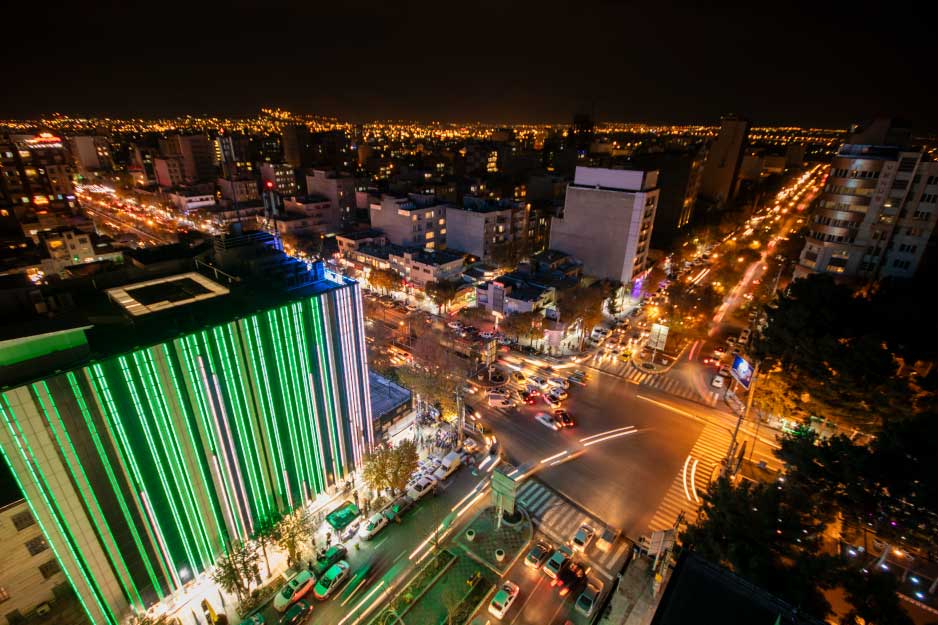
Kermanshah, the capital of Kermanshah Province, is one of the most important cities in western Iran. With a temperate mountainous climate, the city is situated on the foothills of the Paraw mountain range and in the vicinity of the Qarah Su and Abshouran rivers. Its natural landscape comprises a combination of mountains, plains and the intermontane plains of the Central Zagros. The city covers an area of approximately 12,000 hectares and has a population of more than one million, making Kermanshah the largest Kurdish-populated city in Iran and one of the major urban centres of the western part of the country.
Kermanshah’s geographical position along the historic east–west corridor has connected it to ancient trade and cultural routes, including the extension of the Silk Road and the communication routes between Iran and Mesopotamia. Its proximity to the Iraqi border and its location along routes providing access to major neighbouring cities have given Kermanshah geopolitical and geo-economic significance. Ethnic and linguistic diversity (Kurds, Laks, Persians and others), together with variations in traditional dress and local customs, has given Kermanshah a multicultural identity that is reflected in the cityscape, bazaars, traditional neighbourhoods and the livelihoods of its citizens.
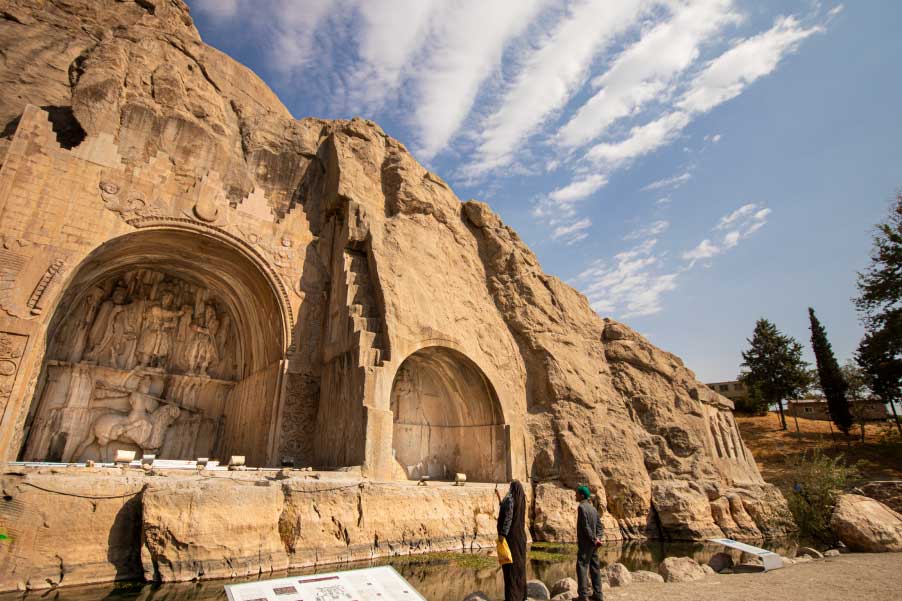
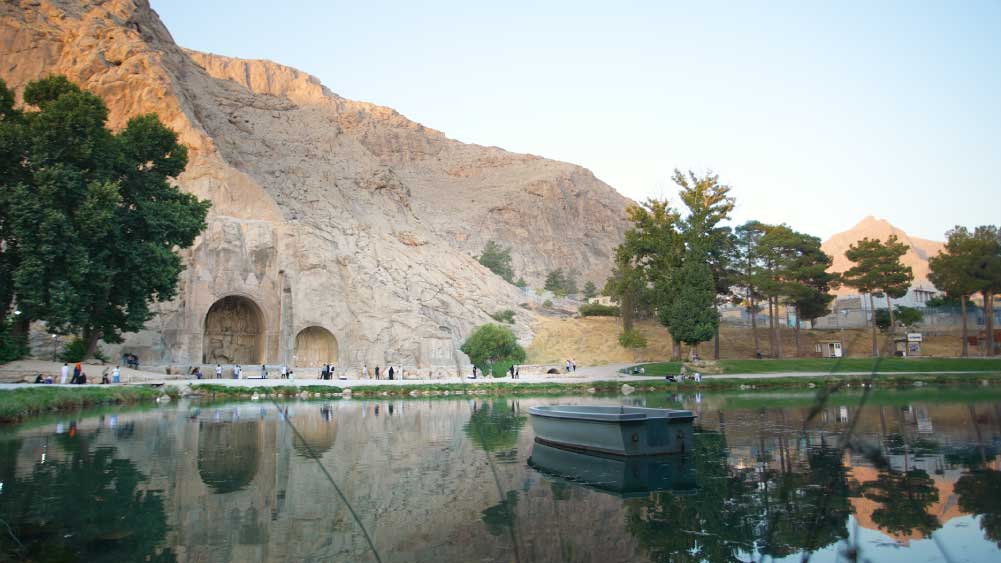
Kermanshah developed on one of the oldest centres of human settlement on the Iranian Plateau. The region’s prehistoric sites and caves, followed by prominent monuments such as the Bisotun World Heritage Site and the rock reliefs and inscriptions of Taq-e Bostan on the outskirts of the present-day city, demonstrate that this area has remained an important centre of political power, culture and communications from antiquity to the present day. During the Median and Achaemenid periods, Kermanshah’s location along the royal and communication routes connecting Hamadan with Mesopotamia further enhanced its strategic importance. During the Sasanian period, the presence of royal figures and rock reliefs at Taq-e Bostan transformed the city and its surrounding area into a ceremonial, hunting and symbolic space for the central government.
During the Islamic periods, particularly under the Safavid and Qajar dynasties, Kermanshah’s location on the frontier between Iran and the Ottoman Empire gave it a military, commercial and cultural role in western Iran. The city became a meeting point for caravans, migrations, and the exchange of goods and ideas. In the contemporary period, with the establishment of Kermanshah Province’s administrative structure, the city developed into a regional centre of governance, universities, industries and service networks. The experience of the Iran–Iraq War and its consequences forms part of the city’s collective memory. In recent decades, however, Kermanshah has embarked on a path of reconstruction and development, while strengthening the role of knowledge, culture and learning in urban planning. Today, within the framework of the UNESCO Global Network of Learning Cities, Kermanshah is connecting its historical identity with a forward-looking approach to the future.
Kermanshah is one of the richest cities in Iran in terms of culinary heritage; a heritage rooted in its climatic diversity, the interplay between rural and urban life, traditional livestock-raising and agricultural practices, and Kurdish, Laki, Persian and other cultures. According to local studies, more than nine types of traditional bread, dozens of varieties of sweets, and more than 300 types of food; including local dishes, various types of indigenous soups and ash, as well as numerous traditional foods and snacks, have been identified in the city. In Kermanshah, food is not merely a means of nourishment; every dish carries a part of the collective memory, family narratives and unwritten history of this land.
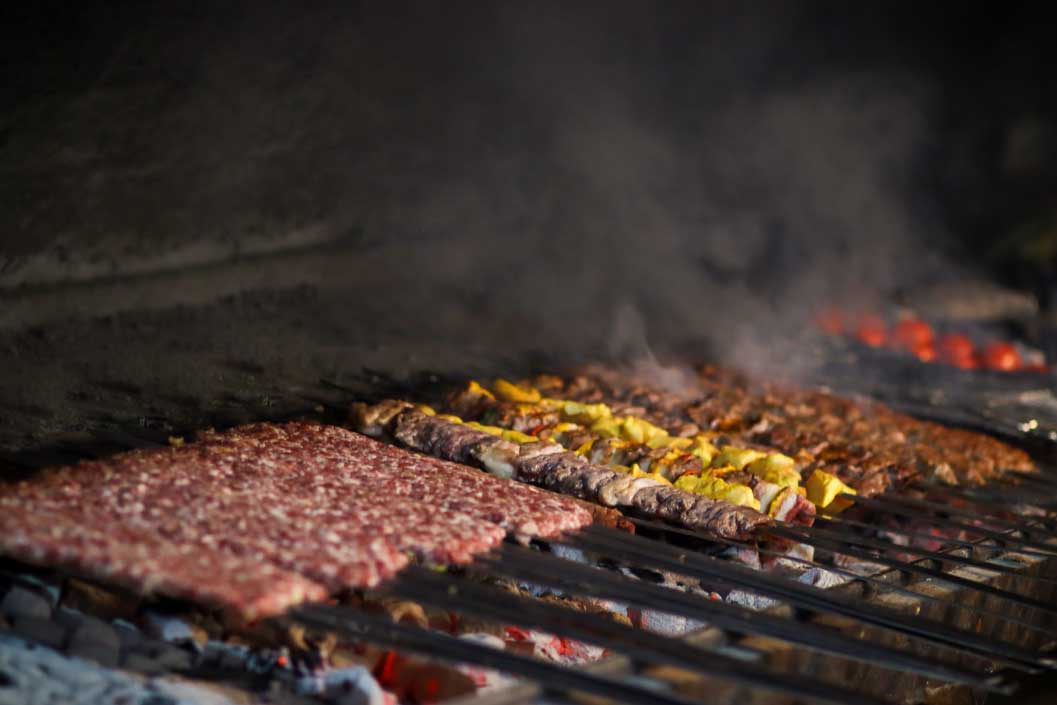
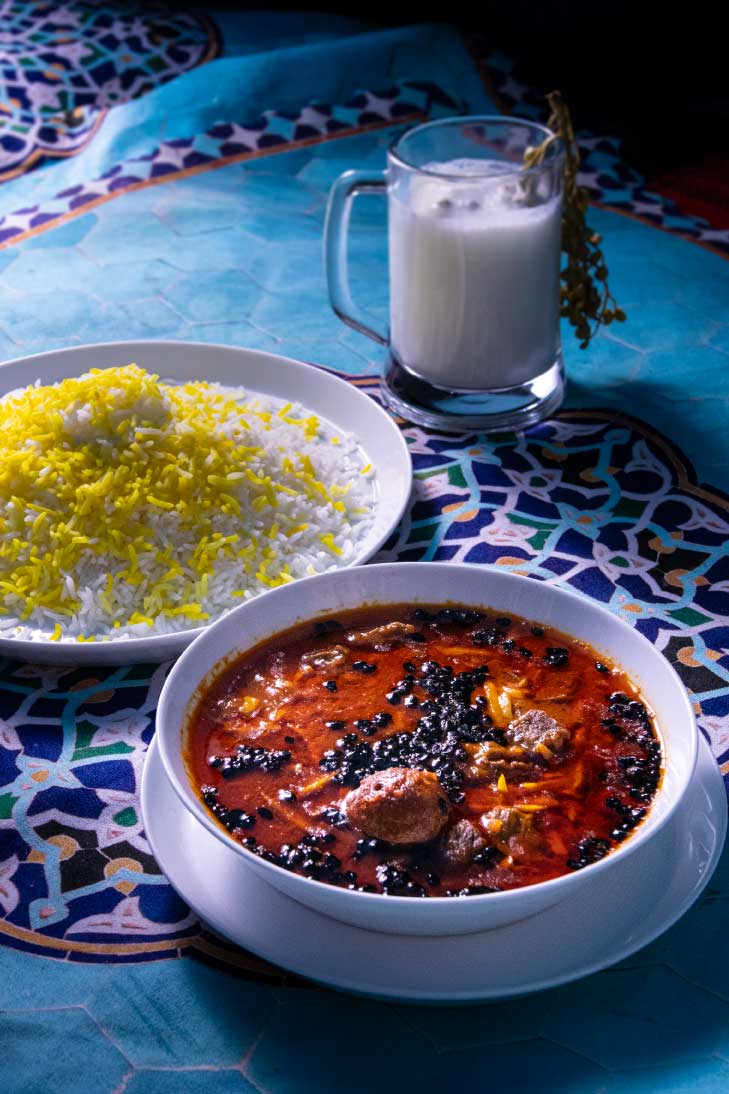
Kermanshahi Khoresht-e Khalal-e Badam, one of the city’s most distinctive dishes, is prepared with coarse slivered almonds, lamb, saffron, black barberries and rosewater, and is regarded as a symbol of Kermanshah’s culinary identity. Ash-e Abbasali, lamb kebabs, particularly Dandeh Kebab, and other traditional dishes also form part of the warm and hospitable culinary traditions of the city. In the field of bread and confectionery, Nan-e Saji, Béji, and particularly Kermanshahi Nan-e Berenji, one of the city’s principal souvenirs, hold a special place. Today, Kermanshahi Nan-e Berenji is considered part of the city’s identity and cultural image.
The activities of the UNESCO Creative City of Gastronomy Secretariat in Kermanshah demonstrate that this culinary heritage is actively represented and promoted through festivals such as the “Forgotten Soups Festival” and the “Local Bread-Baking Festival,” as well as through participation in international events, including the presentation of Kermanshahi dishes such as Khoresht-e Khalal in Macao. Kermanshah is pursuing efforts to strengthen its brand as a Creative City of Gastronomy, an approach that is being advanced through culinary skills training, support for women’s and youth entrepreneurship, and the integration of culinary tourism with the local economy, in line with the objectives of the UNESCO Global Network of Learning Cities.
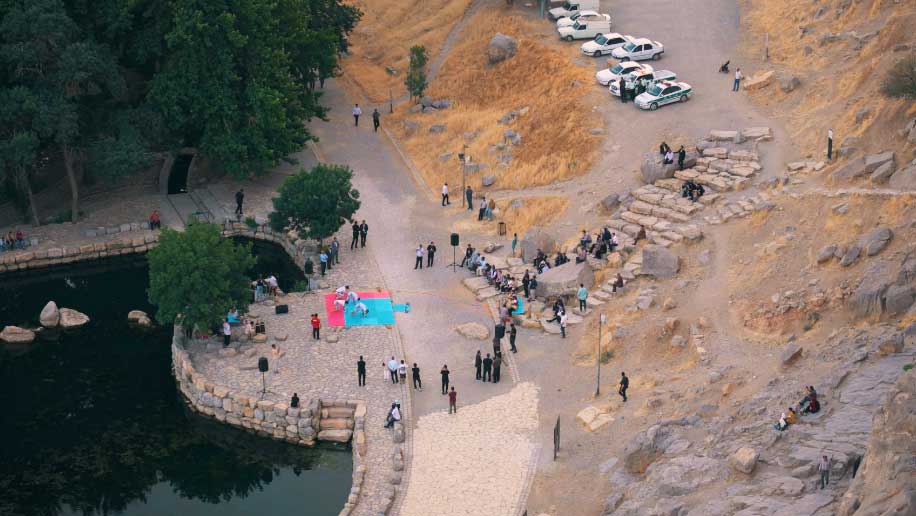
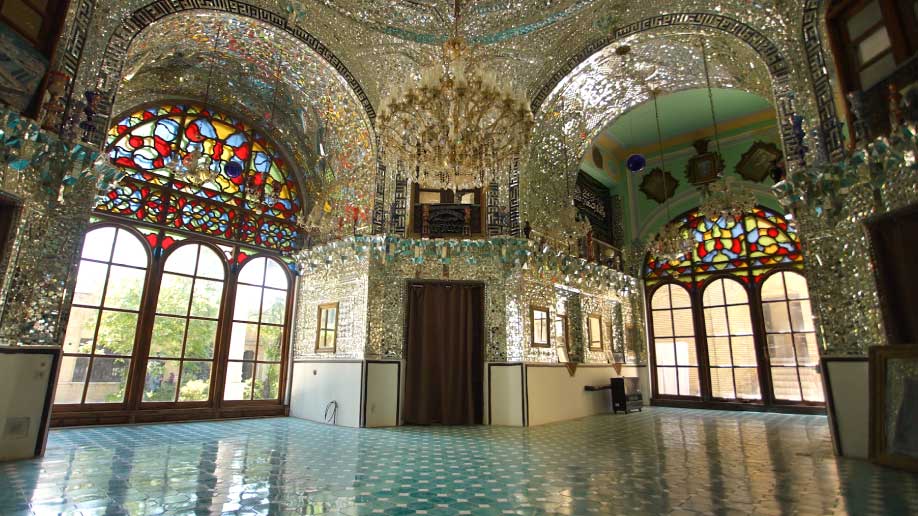
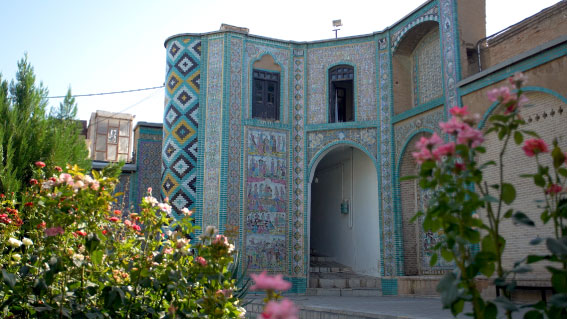
The tourist attractions of Kermanshah can be categorized into three main areas: historical heritage, natural heritage and intangible heritage. In the field of historical heritage, two prominent sites are recognized at the national and international levels: the Bisotun World Heritage Site, located east of the city on the slopes of Mount Bisotun and featuring the inscription and rock relief of Darius the Great; and the Taq-e Bostan Historical Complex, located in the north-east of the city, which brings together the iwans and rock reliefs of Sasanian kings alongside an ancient spring and surrounding green spaces. Together with the historic Kermanshah Bazaar and traditional neighbourhoods, these two sites form the core of the city’s cultural and historical tourism.
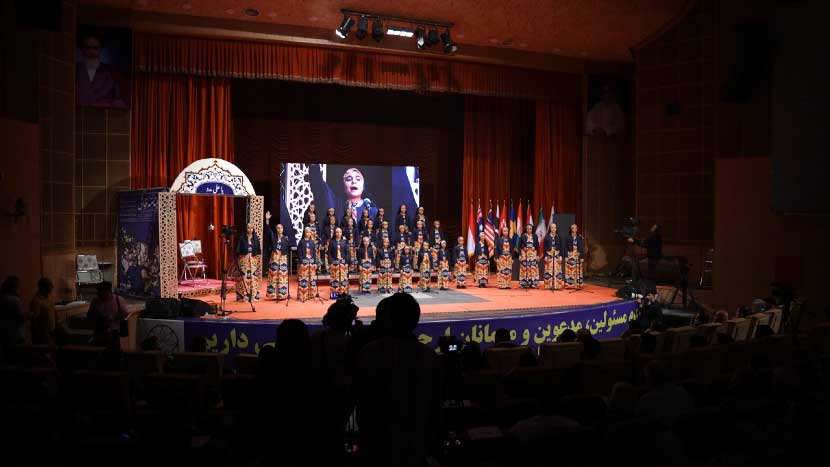
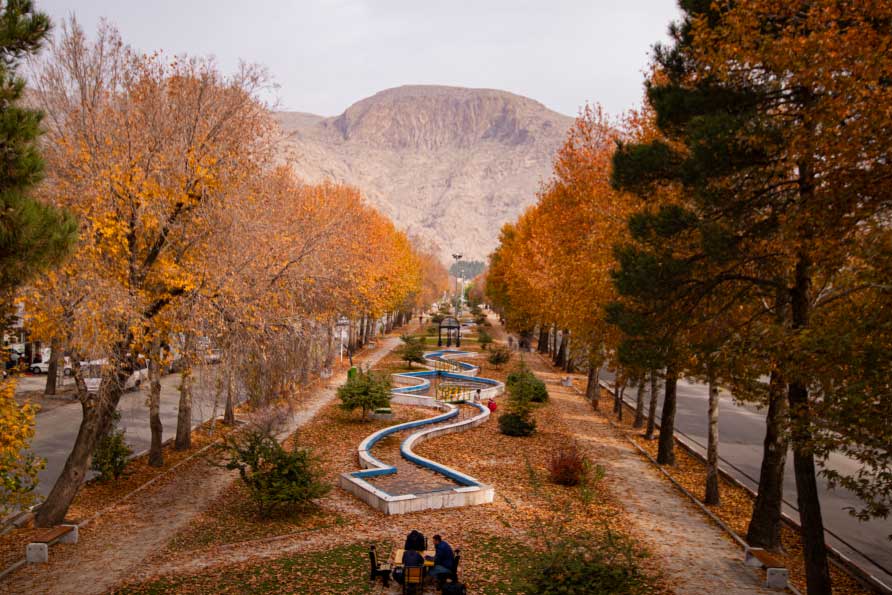
The natural surroundings of Kermanshah, extending from the Paraw and Bisotun mountains to the plains and orchards on the outskirts of the city, offer considerable potential for nature-based tourism, mountaineering, caving and rural tourism. The combination of mountainous landscapes and peripheral orchards provides a suitable setting for developing short-distance tourism routes and cultural and nature-based events. In the field of intangible heritage, Kurdish music, rituals and celebrations, traditional clothing, handicrafts and, in particular, culinary culture are among the city’s most important attractions.
Based on the activities of the UNESCO Creative City of Gastronomy Secretariat in Kermanshah, recent efforts have focused on culinary tourism and participation in national and international tourism exhibitions, with the aim of presenting a new image of Kermanshah as a destination where visitors can experience its flavours, traditions and hospitality. Combining culinary tourism with visits to traditional bazaars, bread and confectionery workshops, local ash and bread events, and educational workshops for tourists represents an example of the Learning City approach to tourism; an approach in which tourists are also regarded as active learners.
Actions and Vision as a Learning City
Kermanshah has joined the UNESCO Global Network of Learning Cities and has defined its vision framework through 2030 as follows: becoming a “dynamic ecosystem for learning”—a city in which lifelong learning leads to citizen empowerment, social cohesion and sustainable economic development, and in which no group is deprived of access to learning opportunities. The mission of this programme is to establish links between formal and non-formal education and community-based learning, so that the city’s education system can directly respond to Kermanshah’s real challenges, from unemployment and skills gaps to social inequality and quality of life.
Within this framework, the roles of universities and research centres as knowledge hubs and producers of applied research, vocational and technical training centres as a bridge between education and employment, and schools as centres for nurturing the next generation and engaging with neighbourhoods have been clearly defined. According to the roadmap, the first implementation phase envisages measures including the establishment of a steering committee, the development and adoption of a Learning City Charter, the conduct of a baseline assessment, the establishment of “Neighbourhood Learning Houses,” the implementation of pilot programs, including digital literacy courses for older persons, and the continuous monitoring and adjustment of defined projects.
One of the prominent elements of Kermanshah’s approach is its focus on an “age-friendly city” within the Learning City programme. The “Rights of Older Persons” consultative meeting, organized in cooperation with the Provincial Department of Welfare and the Cultural, Social and Sports Organization of Kermanshah Municipality, is a clear example of this cross-sectoral approach. The meeting emphasized the development of an age-friendly city, strengthening the social participation of older persons, addressing mental health and social support, promoting public education, and mobilizing the capacities of different institutions to empower older persons. These programmes seek to enhance the dignity, security and well-being of older persons through the design of specialized educational courses, the creation of appropriate cultural and social spaces, and the strengthening of support networks, while engaging them not merely as a group in need of support, but also as bearers of experience and knowledge in the process of intergenerational learning in the city.
In this way, Kermanshah seeks to bring together its historical identity, geographical capacities, culinary heritage, culture, and its emerging experiences as a Creative City and Age-Friendly City within a coherent Learning City programme, thereby presenting a model for sustainable and inclusive development.

Contact Information
Address
Kowsar Cultural Centre, 3rd Floor, Next to Derakhshan Park, Beginning of Passport St., 22 Bahman, Kermanshah, Iran
Phone Number
08338397646 | 09188315812
intl.relat.municipality@kermanshah.ir
Acting Mayor of the Learning City
Mr. Bizhan Moradi
Learning City Coordinator
Mr. Amir-Mohammad Parvini | Mr. Reza Yari