

The holy city of Mashhad, the capital of Razavi Khorasan Province, covers an area of 204 square kilometers. It is located in northeastern Iran, between longitudes 59°15′ and 60°36′ east and latitudes 35°43′ and 37°08′ north, in the Kashafrud drainage basin, between the Binalud and Hezar Masjed mountain ranges. The city lies at an elevation of 985 meters above sea level and is 966 kilometers from Tehran.
Over the past century, Mashhad has experienced significant population growth. In Iran’s first official census, conducted in 1956, Mashhad had a population of 241,989, making it the country’s fourth most populous city after Tehran, Tabriz and Isfahan. In the 1966 census, the city ranked third among Iranian cities, after Tehran and Isfahan. According to the country’s latest official census, conducted in 2016, Mashhad’s population exceeded 3,184,000, making it the second most populous city in Iran.
Historical sources refer to the land that later became Mashhad by the names Tus, Noghan (Nuqan) and Sanabad. More than a thousand years ago, the book Hudud al-‘Alam min al-Mashriq ila al-Maghrib described the region as follows:
“In Nuqan is the blessed tomb of Ali ibn Musa al-Rida, which people visit on pilgrimage, and there too is the tomb of Harun al-Rashid.”
Nuqan was a city in the district of Tus and one of the most important and ancient cities of Khorasan. The mausoleum of Imam Ali ibn Musa al-Rida and the tomb of Harun al-Rashid, the Abbasid caliph, were located outside the city, in what was then the village of Sanabad. Other historical works, including ‘Aja’ib al-Makhluqat by Muhammad ibn Mahmud al-Tusi, Al-Buldan by Ibn Wadhih al-Ya‘qubi, and Surat al-Ard by Ibn Hawqal, also refer to Tus, Nuqan, the village of Sanabad, and the mausoleum of the eighth Imam of the Shi‘a beside the tomb of the Abbasid caliph Harun al-Rashid.
According to Shi‘a belief, the eighth Imam was poisoned and martyred by Mamun, the Abbasid caliph. Following the burial of his remains in Sanabad in 202 AH, the site gradually came to be known as Mashhad, meaning “place of martyrdom.” Over time, particularly during the Safavid period, the area expanded through the construction of new buildings, the development of the holy shrine, and the establishment of tombs and structures around it, eventually becoming a large and important city.
The Russian historian and Orientalist Vasily Bartold believed that the term al-Mashhad was used in the tenth century CE. Hamdallah Mustawfi was also among the earliest writers to use the term Mashhad in his work Nuzhat al-Qulub, completed in 740 AH. He wrote:
“Among the great places of pilgrimage is the tomb of the infallible Imam Ali ibn Musa al-Rida ibn Ja‘far in the village of Sanabad, four farsakhs from Tus. The tomb of Harun al-Rashid, the Abbasid caliph, is in the holy Mashhad of that Imam. Mashhad of Tus is one of the most renowned blessed places of pilgrimage, and that site has now become a small city.”
During the rule of Timur, Tus continued to be a major city in the region, according to the account of Ruy González de Clavijo, the envoy of the King of Spain, in his travelogue about his journey to Samarkand:
“From Mashhad we reached a large city called Buelo, which is Tus. This city is also situated in the province of Khorasan. It is a very pleasant and delightful city, and its population was greater than that of all the settlements we had passed through on our journey from Soltaniyeh to this place.”
Clavijo also referred to Mashhad as “a major pilgrimage city” with “an innumerable multitude of pilgrims.” Notably, Christians were also able to visit the shrine of Imam Reza without restriction during that period:
“When we reached this city, they took us to visit this sacred place and tomb. Then, as we travelled through Persia, word spread that we had visited Mashhad and seen that sacred place. People would come and kiss the hems of our robes, saying that we belonged to a group who had been blessed to visit the shrine and tomb of the great saint of Khorasan.”
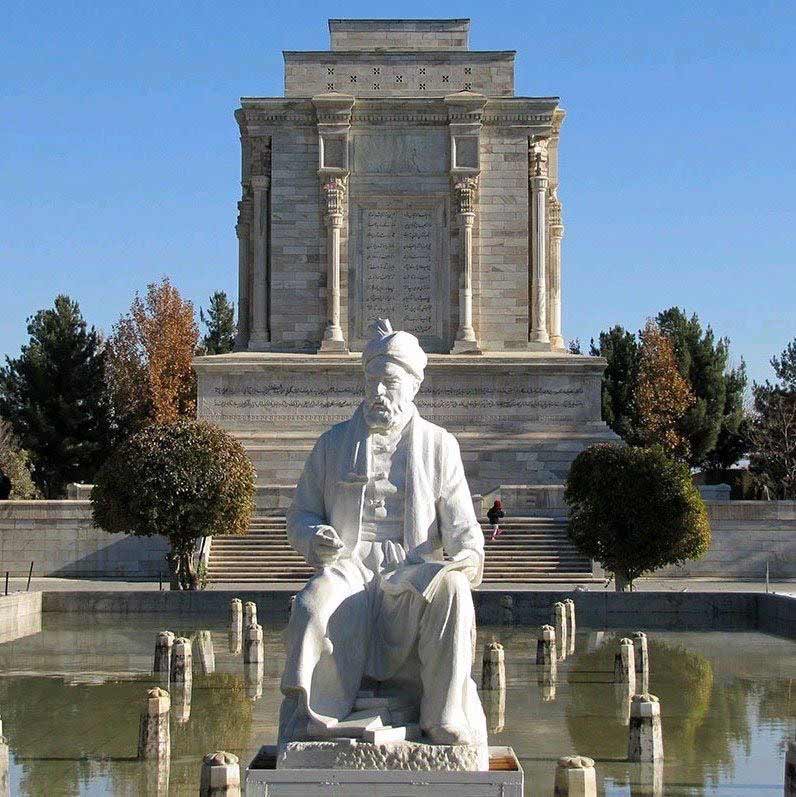
With the continued expansion of Mashhad, the city of Nuqan, the village of Sanabad, and many of the other villages mentioned alongside the shrine of Imam Reza in historical sources and maps have since disappeared. However, the name and existence of Tus have endured, both because of its distance from the expanding urban area of Mashhad and because of the presence of the tomb of Iran’s renowned poet, Hakim Abol-Qasem Ferdowsi, located in a rural area within the Central District of Mashhad County.
Mashhad has remained one of the major urban centres of northeastern Iran and the Khorasan region, both during the Safavid period and in the centuries that followed. It became the capital during the reign of Nader Shah Afshar, and from the Qajar period to the present, Mashhad has remained the capital of Khorasan in all national administrative divisions.
The devotion of the people of Iran to the Shi‘a Imams and their efforts to develop and maintain their tombs, particularly the shrine of Imam Reza, together with the favourable natural environment and the city’s distinctive geographical position, have made Mashhad the second-largest city in Iran in recent decades. Following Mecca, it is also regarded as one of the most important pilgrimage cities in the Islamic world.
In recent decades, the establishment of factories, numerous educational and cultural institutions—including universities, libraries and research institutes—as well as recreational, tourism, service and pilgrimage facilities, has contributed to the city’s development. At the forefront of these developments are the expansion of the Astan Quds Razavi complex and the enlargement of the precinct surrounding the shrine of Imam Reza. In view of Mashhad’s connections with destinations within and beyond Iran, these developments have transformed the city into the largest centre of urban settlement and civilization in the region and even among the countries of Central Asia.
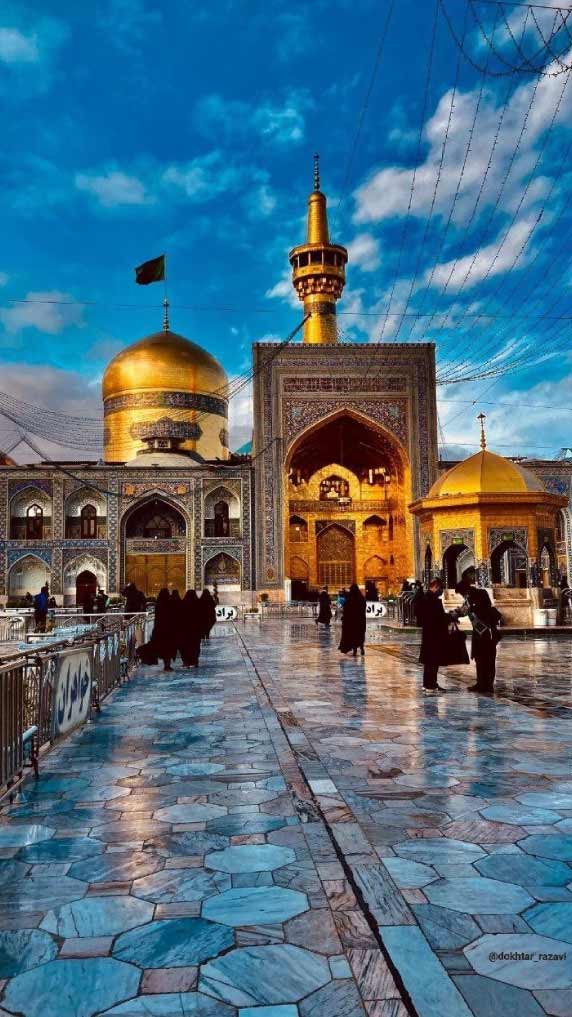
The Astan Quds Razavi complex, comprising courtyards, porticos, museums, a library and the Goharshad Mosque, is considered one of the most valuable examples of Islamic architectural art. Together with other historical and natural attractions in and around the city, the complex attracts large numbers of visitors to Mashhad every year. In 2000, approximately 15 million Iranian pilgrims and 180,000 foreign pilgrims and tourists visited Mashhad and paid their respects at the holy shrine of Imam Reza.
Saffron
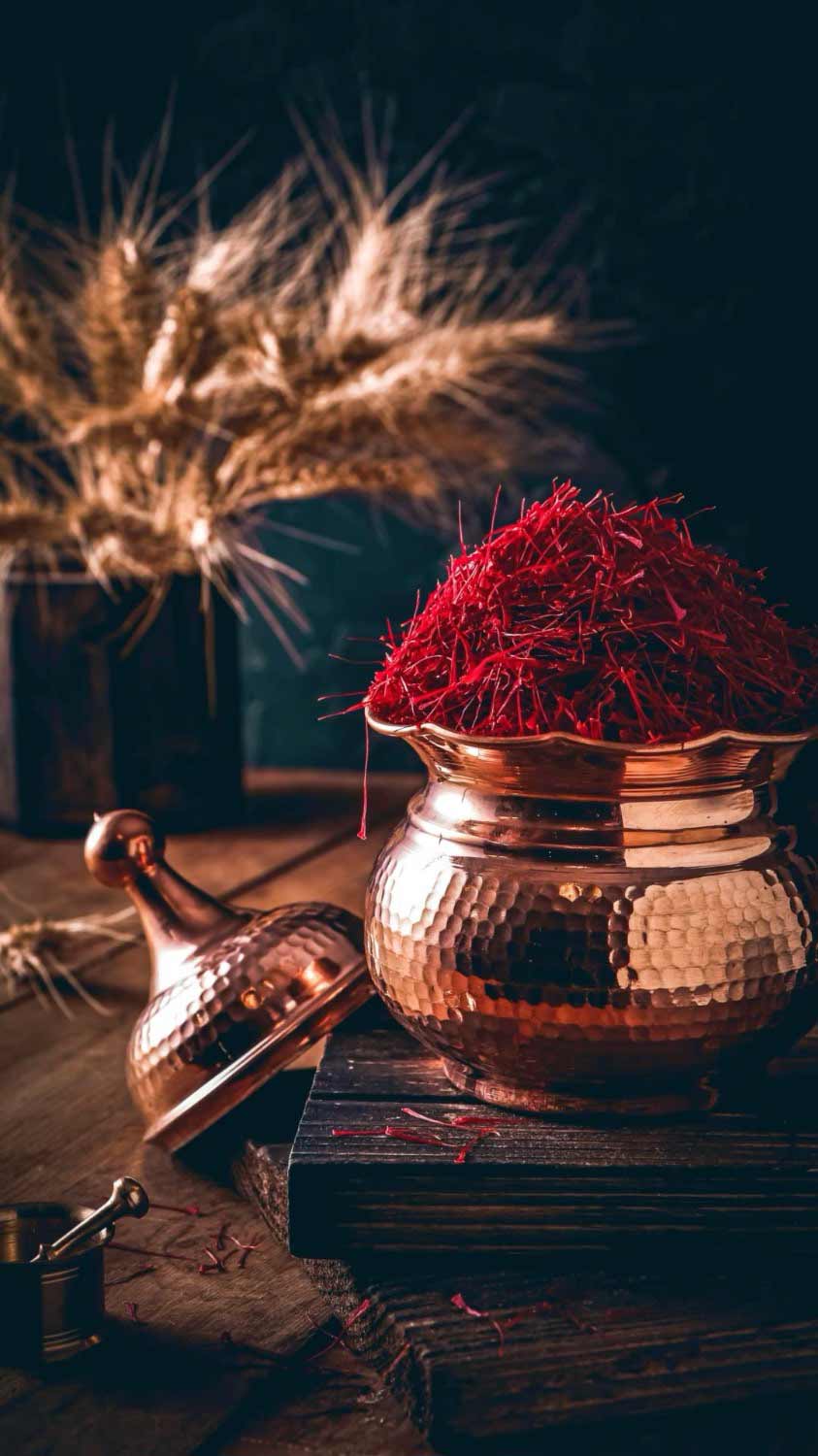
Saffron, known as “red gold,” is one of the most valuable souvenirs of Mashhad. Since ancient times, Iranians have exported saffron to many parts of the ancient world and introduced its properties to the Greeks, Romans, Chinese and Semitic peoples, including the Arabs. They also taught the methods of cultivating saffron to the Islamic lands around the Mediterranean during the first to fourth centuries AH.
Saffron has long been one of Iran’s important agricultural and export commodities, and Iranian saffron is still exported to many countries around the world. In Iran, Khorasan accounts for the largest share of saffron production, and the crop is cultivated mainly in the central and southern parts of the province. Mashhad is also one of Iran’s most important centres for the distribution of saffron, and a significant proportion of the country’s saffron is supplied and marketed through the city.
Saffron is, in fact, a plant with purple petals and red stigmas. The part used is the dried stigma of the flower. Saffron is used not only in the food industry, but also in the production of dyes, textiles and leather products. This valuable product also has numerous medicinal properties, and various effects have been attributed to it, including potential anti-cancer properties, mood enhancement, and memory improvement.
This high-quality saffron has a dark red colour and releases its colour slowly when placed in water. It is marketed in the following forms: coarse saffron (pooshal), fine saffron (sargol), and whole saffron threads with their roots attached (dasteh).
Although Spain does not produce even one tonne of saffron, it exported approximately 100 tonnes in 1393 (2014–2015). The United Arab Emirates, despite not having a single saffron farm, is also among the world’s major saffron-exporting countries. In 1370 (1991–1992), Afghanistan did not produce even one kilogram of saffron, whereas today it is reported to produce 14 tonnes!
Barberries
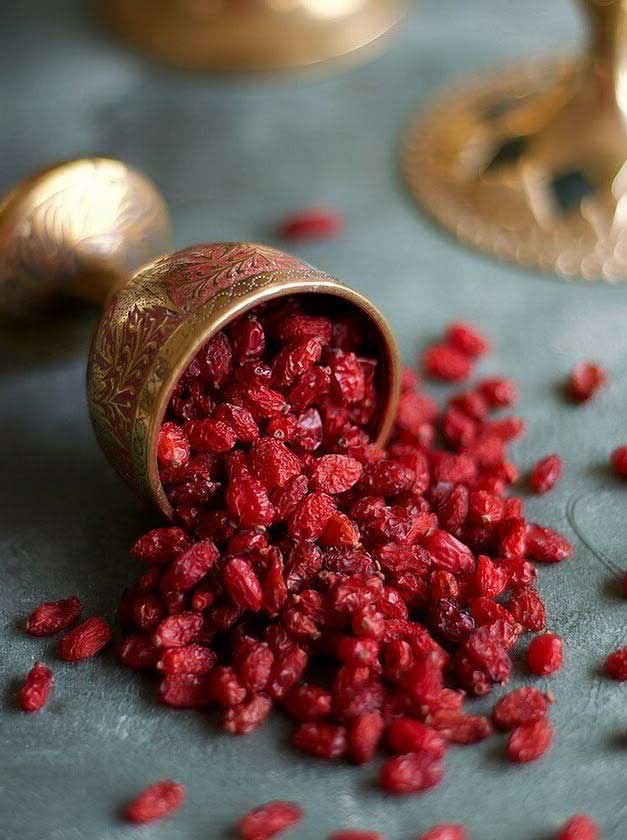
Barberries can be found in most food shops in Mashhad, and many pilgrims purchase saffron and barberries together. Barberries are commonly available in two varieties: pomegranate barberries and puffed barberries, also known as majlesi. Barberries have numerous medicinal properties and, in addition to their therapeutic uses, are among the foods widely consumed by Iranians, particularly on special occasions and at gatherings.
Dried Fruits and Nuts
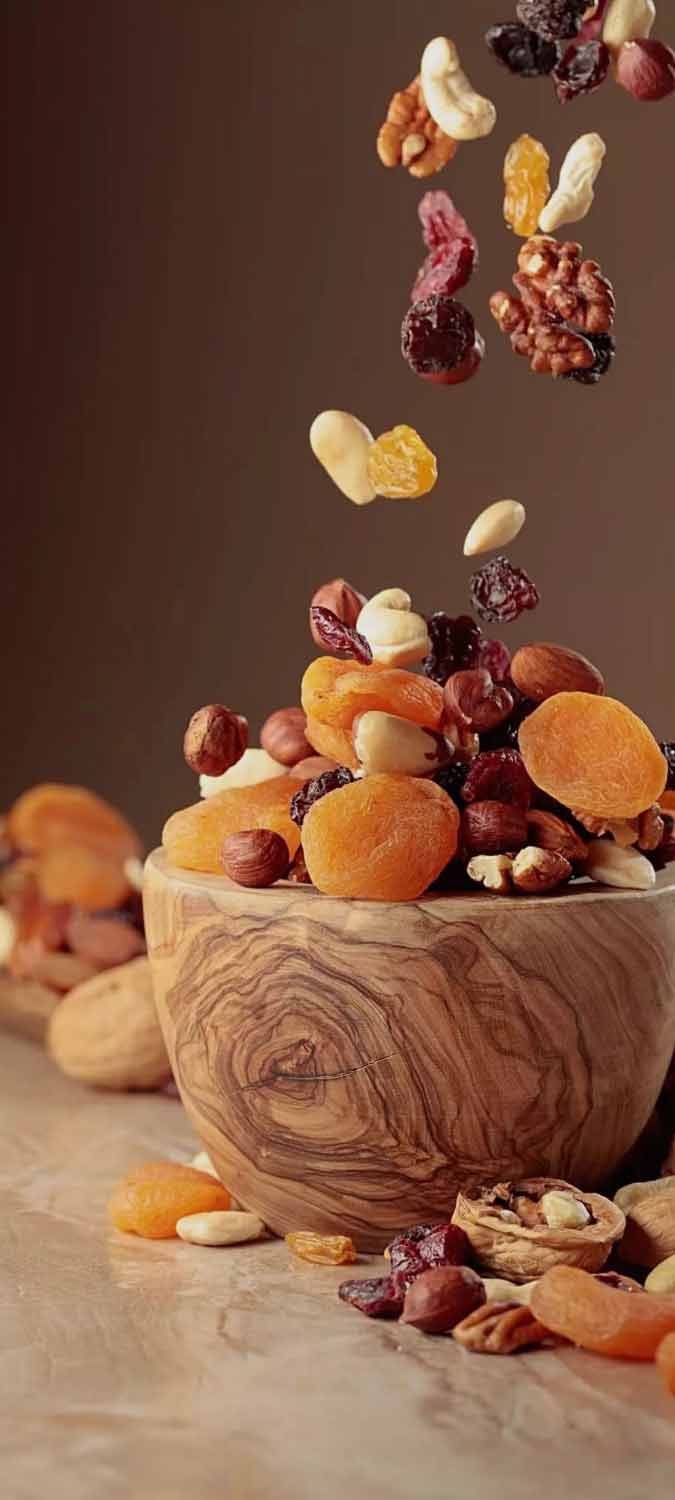
One of the most popular souvenirs of Mashhad is dried fruits and nuts. In markets and shops selling souvenirs, various types of dried fruits and nuts are displayed for pilgrims and tourists, and many visitors take some home for personal consumption or as gifts, even without having initially intended to purchase souvenirs. Aloo-cheh (sour plums), dried fruits, chickpeas, raisins, walnuts and pistachios are among the popular dried products of Mashhad. Chickpeas and raisins, however, hold a special place among the city’s souvenirs. Dried apricot and peach slices are also popular dried products of Mashhad and have many admirers.
Seven-Spice Blend
One of the most popular souvenirs of Mashhad, particularly among women, is the seven-spice blend. It is prepared from cinnamon, sumac, hogweed, ginger, black pepper, red pepper and turmeric, and is used in Iranian dishes, including abgoosht and various stews. Owing to its beautiful variety of colours and shapes, the seven-spice blend has a distinctive appearance. In addition to being sold traditionally, it is also available in factory-made packaging.
Rock Candy and Noghl
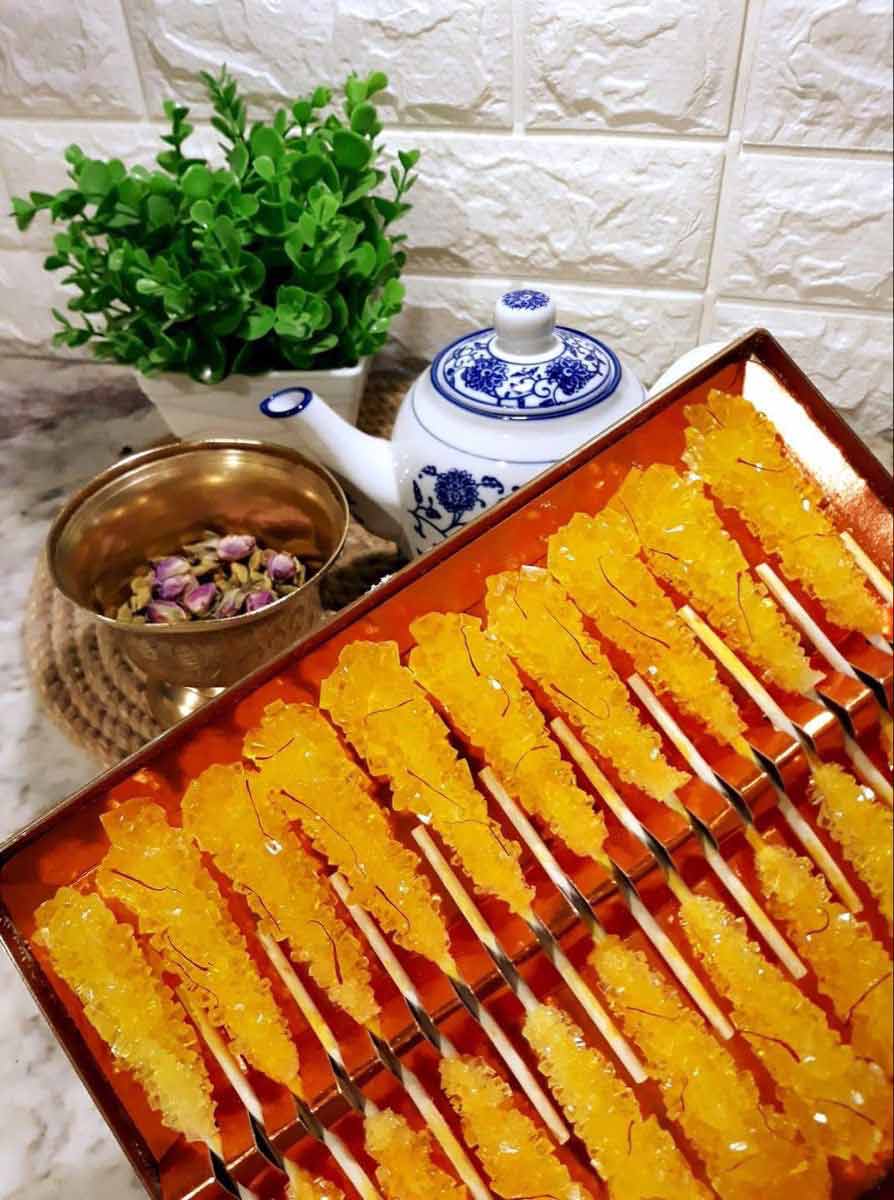
Rock candy is a sweet familiar to all Iranians and has become one of our popular confections. It is used to sweeten tea and herbal infusions. Rock candy consists of beautiful crystals formed through the crystallization of water and sugar. It is sold both in branch form, for decorating the sofreh-ye aghd (the traditional wedding ceremony spread), and on sticks for consumption.
Today, various types of rock candy with different flavours and shapes are available in the markets of Mashhad. Saffron, cinnamon, cumin, lemon, rose, mint and thyme are among the varieties of stick rock candy sold in the city’s markets.
Noghl is another sugar-based confection commonly served with tea. Today, it is available in walnut, cocoa, coconut, cardamom, rosewater and saffron flavours.
Prayer Stones and Prayer Rugs
Prayer stones and prayer rugs are undoubtedly among the best souvenirs of pilgrimage cities. Various types of prayer stones and prayer rugs are sold in Mashhad’s markets, and many of the prayer rugs are made from Kashan termeh and velvet. Prayer stones are also sold in a variety of sizes and packaging in the city’s markets.
Agate and Turquoise Rings and Jewellery
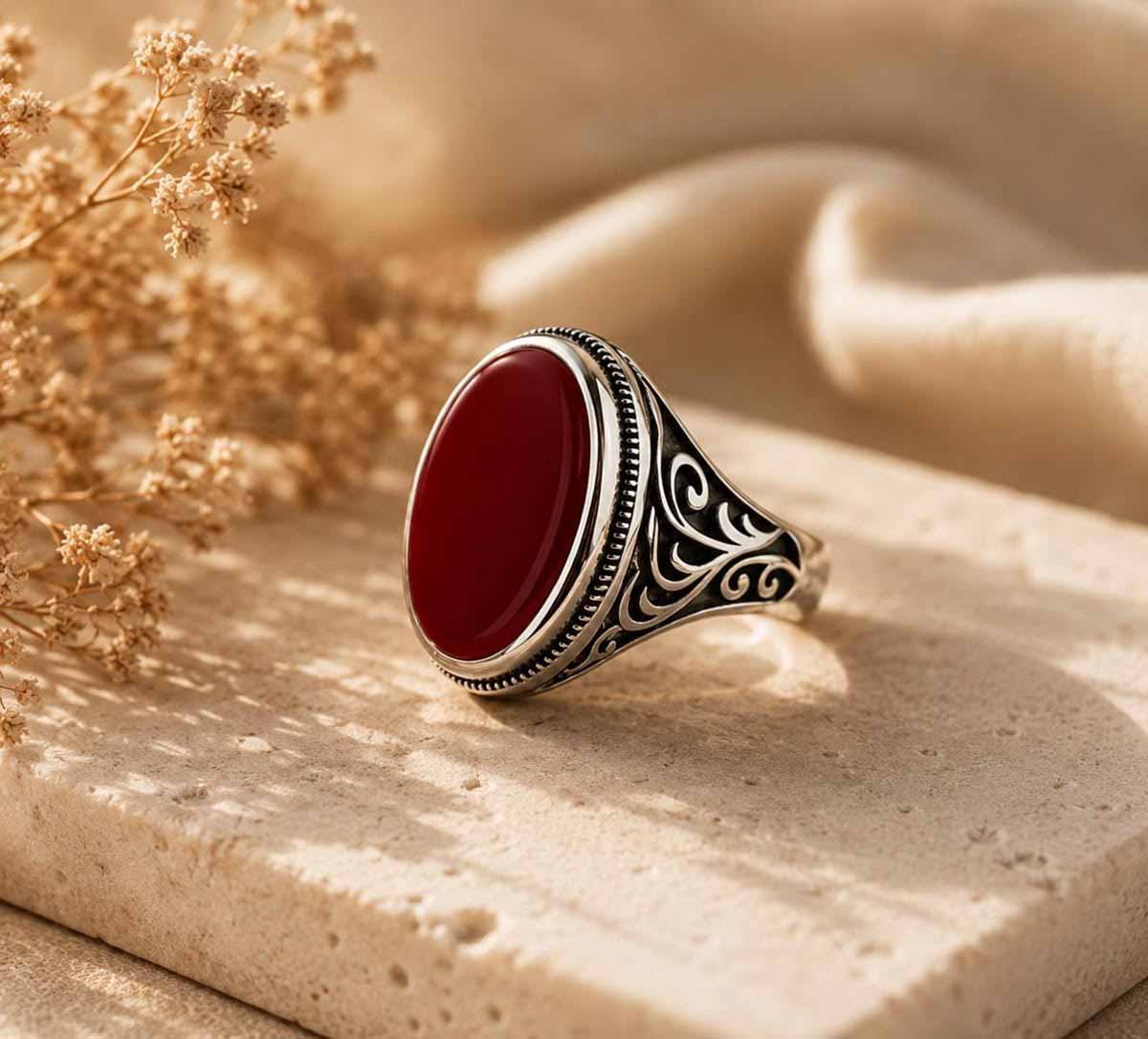
Turquoise cutting and agate cutting hold a special place in Razavi Khorasan, and jewellery made with stones of these materials is among the most popular souvenirs of Mashhad. Nishapur is known as the city of turquoise, and a significant proportion of the turquoise sold in Mashhad is supplied from Nishapur. Owing to its proximity to Nishapur, Mashhad has also long been one of the important centres for the cutting and distribution of turquoise.
Perfume
Perfume is another famous and popular souvenir of Mashhad. In the markets of the city, it is displayed in a wide variety of fragrances and in attractive shop windows. Perfume in Mashhad is usually sold together with prayer rugs and is available in various fragrances, including senjed (oleaster), Kobra, tuberose, narcissus, bitter orange blossom, saffron and others.
Handicrafts
Fur Sewing
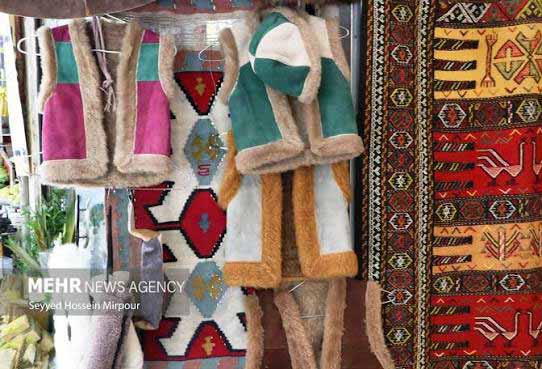
Fur sewing and the decoration of fur garments hold a special place in Mashhad. According to the available evidence, the techniques of raising and salting, scraping, tanning and preparing hides for waistcoats, fur garments and floor coverings have a history of a thousand years or more.
In the past, many furriers lived in Mashhad’s Noghan neighbourhood, and most of them traced their origins to Kabul. They were migrants who had come to Mashhad and worked in the fur-sewing trade. Their method involved taking the fresh hides of sheep with thick wool to the tannery. They then coated the flesh side of the hides with salt and barley flour, scraped them with a knife, dyed them and spread them out in the sun until they became soft, yellow leather. Once the hides had been prepared, they cut them like tailors and stitched them together with a needle to produce various fur garments.
Embroidery and colouring were used to decorate the fur garments. Today, fur sewing is considered one of the traditional arts of the people of Shandiz.
Carpet Weaving
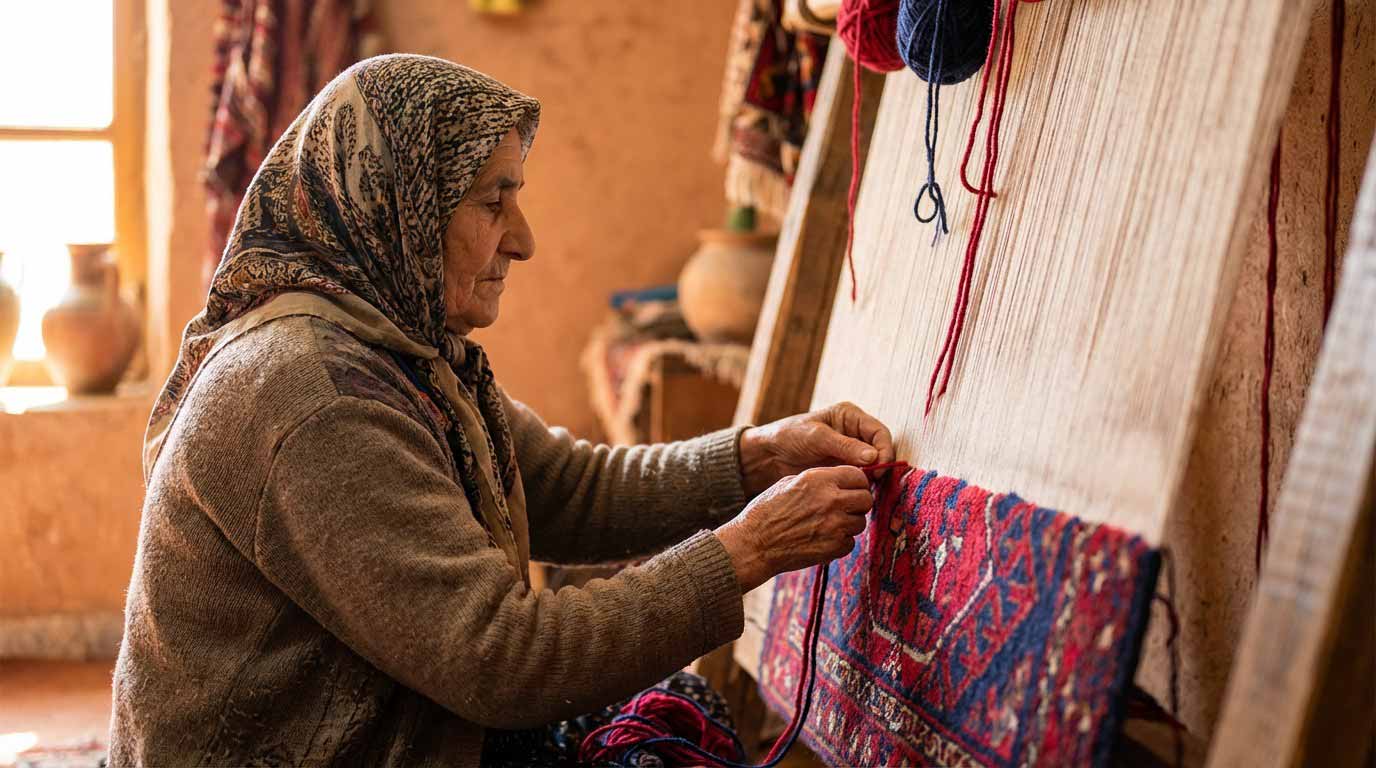
Because of the presence of Imam Reza, peace be upon him, in the holy city of Mashhad, many carpet weavers came to the city from different regions. Today, many museums around the world hold Safavid-period Mashhad carpets in their collections. The Astan Quds Razavi Carpet Museum is also one of the most beautiful museums in the city, housing a valuable collection of historic and exquisite carpets.
Kilim Weaving
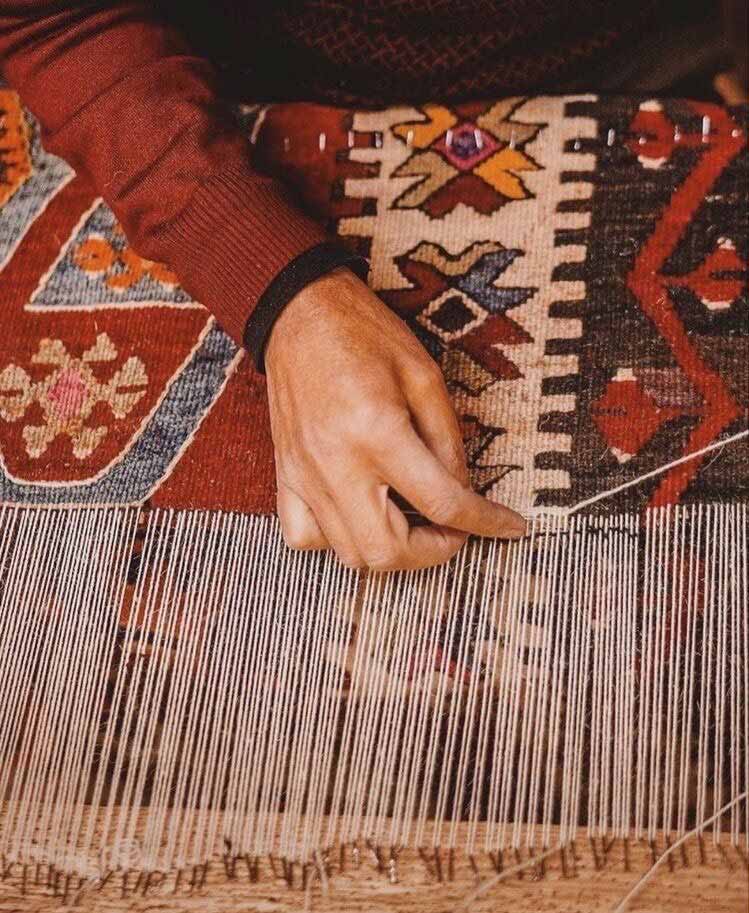
The history of this art dates back to the historical and pre-Islamic periods. During the Islamic era, however, the creativity and artistic flourishing of desert dwellers, villagers and local communities, inspired by their surrounding natural environment, gave rise to new forms and designs. Today, rural women devote part of their daily lives to weaving kilims. Kilims feature a variety of animal motifs and artistic designs, including Soumak and Suzani kilims.
Harkareh Stoneware
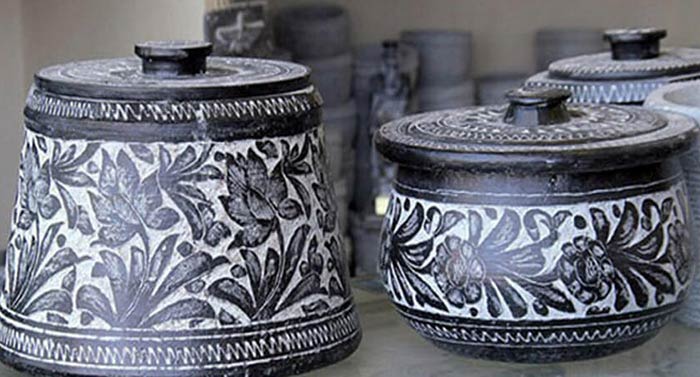
The stone pots and vessels commonly known among the people of Mashhad as harkareh have long been among the city’s most distinctive souvenirs. The stone, a type of serpentine, is soft and resistant to fire. Its ability to withstand gentle cooking makes food prepared in these vessels particularly delicious. Tus and the markets around Koohsangi are suitable places to purchase high-quality harkareh pots.
Samovar Making
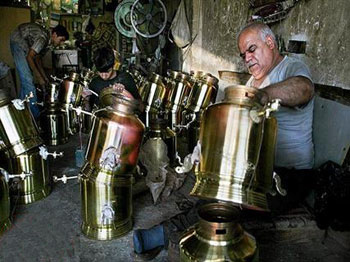
The word samovar is Russian and means “self-boiling.” This appliance entered Iranian coffeehouses during the Safavid period. Initially, samovars were used to prepare coffee, but they were later used for making tea.
Samovars were first imported into Iran from Russia during the reign of Shahrokh, the grandson of Nader Shah Afshar, and remained an imported product until the Qajar period. Today, samovar making is recognized as one of Mashhad’s most important handicrafts. Samovars are sometimes decorated with patterns and designs and plated with nickel silver.
Mirror Work
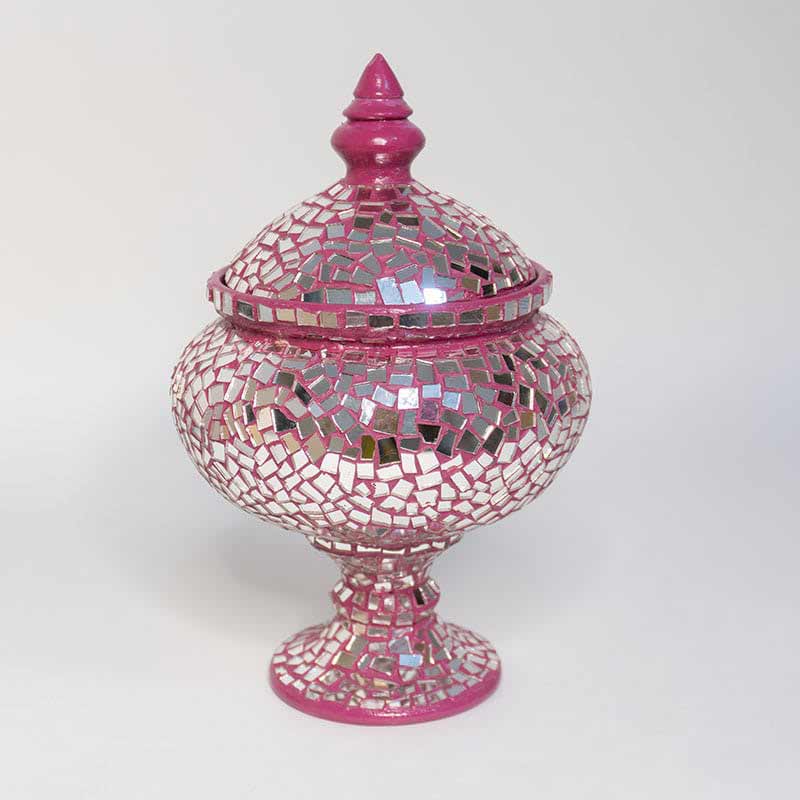
Mirrors were first used in the decoration of the Divan-khaneh of Shah Tahmasp Safavid in Qazvin and are considered one of the decorative elements of Islamic architecture. Mirror work is among the arts that have flourished in Mashhad owing to the city’s religious character and the presence of sacred sites in the region.
Arghavan Weaving
The interweaving of thin twigs obtained from arghavan shrubs produces a traditional and indigenous art known as arghavan weaving. This handicraft is made using arghavan twigs, which are sometimes gathered naturally from the valleys of the Mayan area of Torqabeh. The collection of arghavan twigs usually begins in mid-spring and continues until late autumn. After being collected, the twigs are placed in a wet and humid environment to prepare them for use. They are then woven together to produce baskets and decorative items.
Felt Products
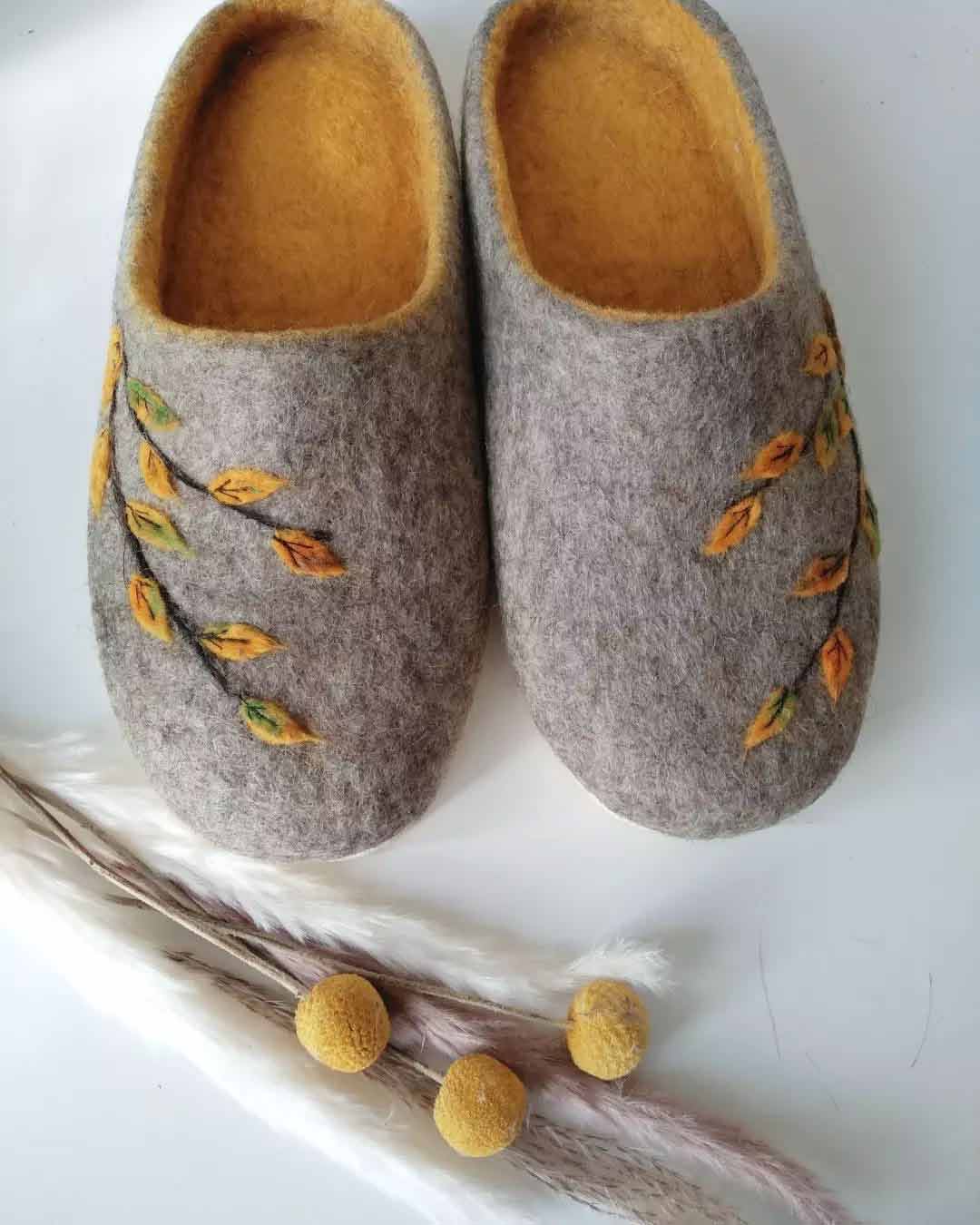
Felt is made from sheep’s wool. Beautiful, high-quality felt products can be found in Shandiz.
Exquisite Silver Panels
Among the exquisite and beautiful souvenirs and handicrafts of Mashhad are silver panels, which people give to their friends as blessed gifts. These panels are produced and sold in various sizes.
The Holy Shrine of Imam Reza (AS)
The Holy Shrine of Imam Reza (AS), as the largest religious complex in Iran, is the most important tourist attraction in Mashhad. In addition to its spiritual significance, the complex is also of particular importance in terms of architecture, Islamic art, museums, libraries and cultural spaces. The historic Goharshad Mosque, magnificent courtyards and porticos, the museums of Astan Quds Razavi, and the Central Library are among the most important components of this complex, which welcomes millions of visitors every year. The complex has also been proposed for inscription on the UNESCO World Heritage List as one of Iran’s most important cultural properties.
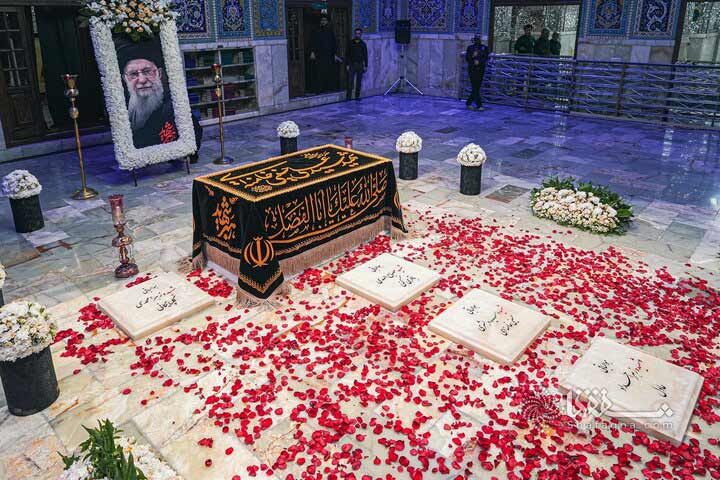
Dar al-Zikr Portico of the Holy Shrine of Imam Reza (Mausoleum of Iran’s Martyred Leader)
The Dar al-Zikr Portico is one of the prominent porticos of the Holy Shrine of Imam Reza (AS), located in the south-eastern part of the shrine complex, adjacent to the sacred burial chamber. Owing to its exceptional location, the portico is considered one of the most important pilgrimage spaces within the Astan Quds Razavi complex. With its distinguished architecture, artistic decorations and spiritual atmosphere, the building has long welcomed pilgrims from across the Islamic world.
In 1405 (2026), the Dar al-Zikr Portico was designated as the burial place of Iran’s Martyred Leader. Since then, in addition to its religious function, it has become one of the most important places of pilgrimage and commemoration for Iranian and international visitors and admirers.
Tomb of Hakim Abol-Qasem Ferdowsi
Alongside its religious attractions, Mashhad has considerable historical richness. The Tomb of Ferdowsi, located within the historic complex of Tus, is the resting place of Iran’s great epic poet and a symbol of Persian cultural identity and language. In the same area, the historic Haruniyeh building, the remains of the historic city of Tus and its ancient citadel provide valuable opportunities for cultural and historical tourism.
Tomb of Mehdi Akhavan-Sales
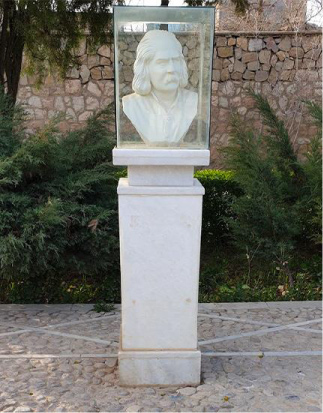
The tomb of Mehdi Akhavan-Sales, a prominent contemporary Iranian poet, is located within the grounds of the Tomb of Ferdowsi in the historic city of Tus. Akhavan-Sales was one of the most influential contemporary Iranian poets and a leading figure in modern Persian poetry whose works established a link between classical literature and contemporary Iranian poetry. The location of his tomb alongside that of Ferdowsi symbolizes the continuity of the literary and cultural heritage of the Persian language throughout history. The site welcomes literature enthusiasts, researchers and cultural tourists from Iran and other countries every year.
Naderi Garden Museum and Tomb of Nader Shah Afshar
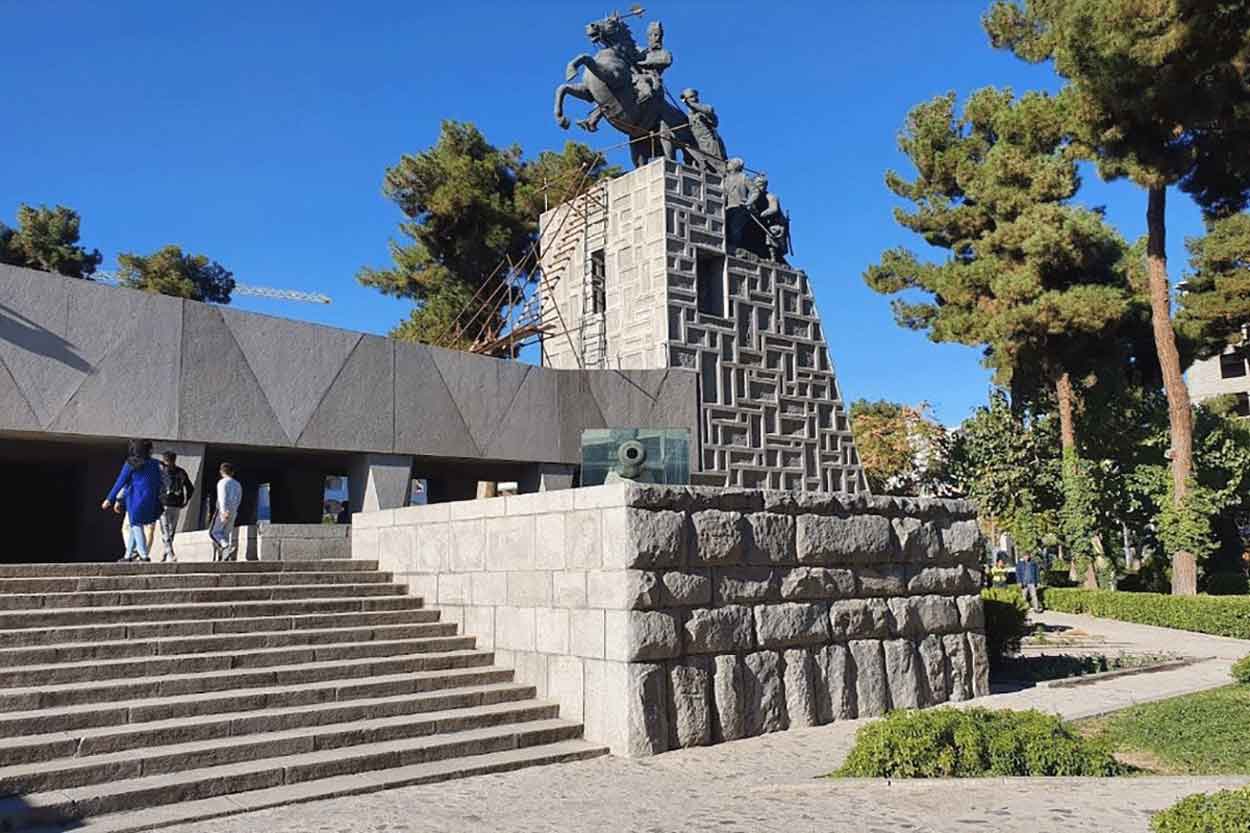
The Tomb of Nader Shah Afshar is another prominent attraction in the city. In addition to its memorial structure, it houses a museum containing weapons, historical artefacts and documents relating to the Afsharid period, making it one of the most important destinations for those interested in Iranian history.
The urban spaces and parks of Mashhad also play an important role in enhancing visitors’ experience. Koohsangi Park, with its natural landscape, the Great Museum of Khorasan and recreational facilities; Mellat Park, with its extensive green spaces and recreational complex; Miniature Park, featuring models of prominent Iranian monuments; and Mashhad Rooftop are among the city’s popular urban tourism destinations, offering opportunities for recreation, walking and discovering the contemporary character of the city.
Homeland Symbol Monument
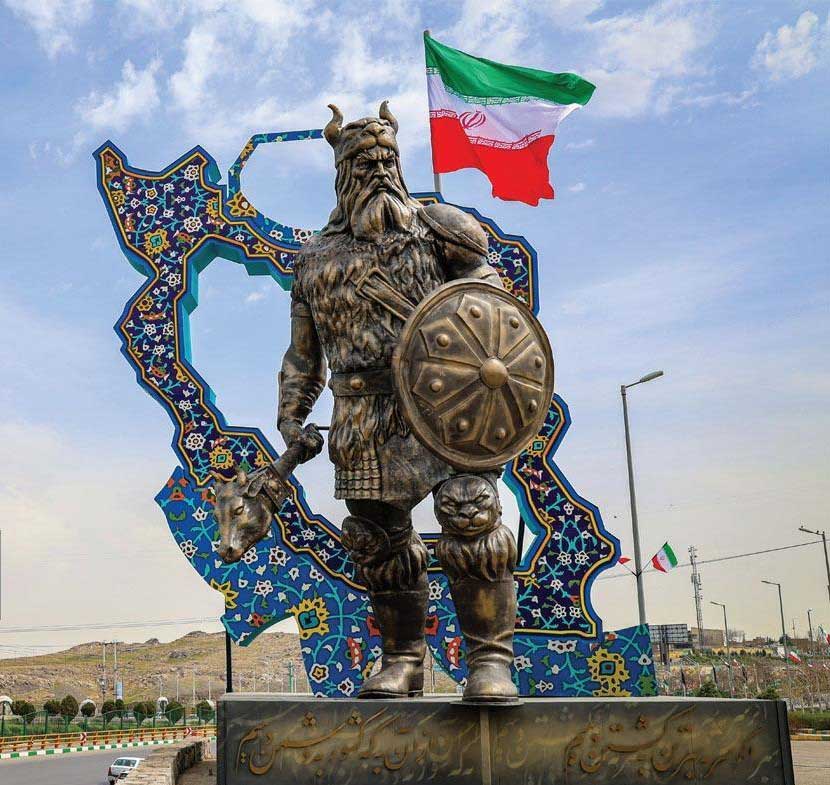
The “Homeland Symbol” monument (Rostam) is one of Mashhad’s most prominent works of urban art. Inspired by the mythical figure of Rostam, the hero of Iran’s national epic, the Shahnameh of Ferdowsi, it was designed and created as a symbol of Iranian identity, a strengthened sense of belonging to the homeland, and the introduction of Iran’s literary and mythological heritage into the urban environment.
The monument was created following the resistance of the people of Iran during the forty-day imposed war by the United States and the Zionist regime, and is regarded as a symbol of courage, perseverance, wisdom and patriotism.
Drawing on the language of contemporary art and combining mythological concepts with urban design, the monument plays an important role in enhancing the visual quality of public spaces and strengthening the city’s cultural identity. The choice of Rostam, one of the best-known symbols of epic literature in the world, reflects the deep connection between Mashhad and the historic land of Tus, the birthplace and burial place of Hakim Abol-Qasem Ferdowsi.
In addition to its artistic value, the “Homeland Symbol” monument has attracted the attention of residents and tourists as a cultural and urban tourism attraction. It provides an appropriate setting for social interaction, photography and familiarization with Iran’s cultural heritage. The work represents an example of the use of public art to reinterpret urban identity and promote cultural, historical and literary values within the urban landscape. It occupies a distinctive place in the cityscape in line with approaches to sustainable cultural development and the enhancement of the quality of public spaces.
Vakilabad Park
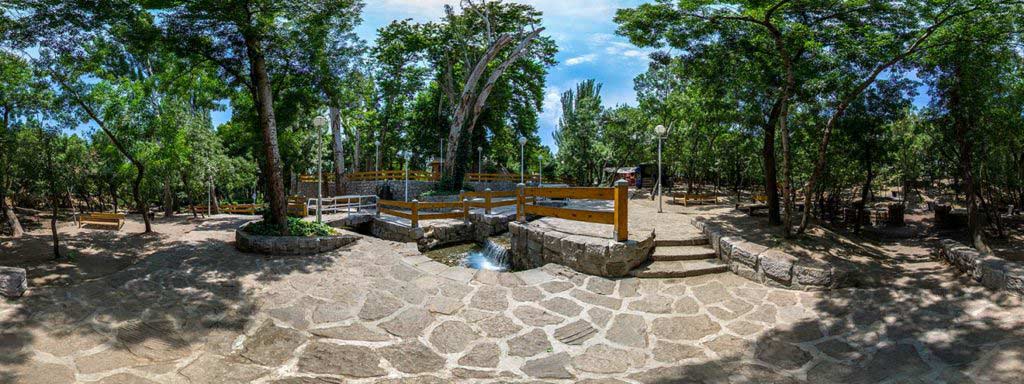
Vakilabad Park is one of the oldest and best-known green spaces in Mashhad and one of the major natural tourism destinations of this metropolis. Formerly known as “Vakilabad Garden,” the site was endowed to the people of Mashhad by Hossein Malek, a prominent Iranian philanthropist and benefactor, and is now regarded as one of the city’s most valuable public parks. Covering approximately 70 hectares, the park features dense stands of mature plane, cypress and pine trees, natural streams, walking paths and extensive recreational and resting areas, providing a pleasant environment for residents and tourists.
Its location at the end of historic Vakilabad Boulevard and along the route to the tourist areas of Torqabeh and Shandiz has given the park a special position. In addition to its environmental and urban landscape values, the park plays an important role in improving the quality of urban life, promoting sustainable tourism and enhancing social interaction. Its recreational facilities, convenient access routes and proximity to other tourist attractions have made Vakilabad Park one of the most popular destinations in Mashhad for domestic and international visitors seeking recreation and nature-based tourism.
Torqabeh and Shandiz
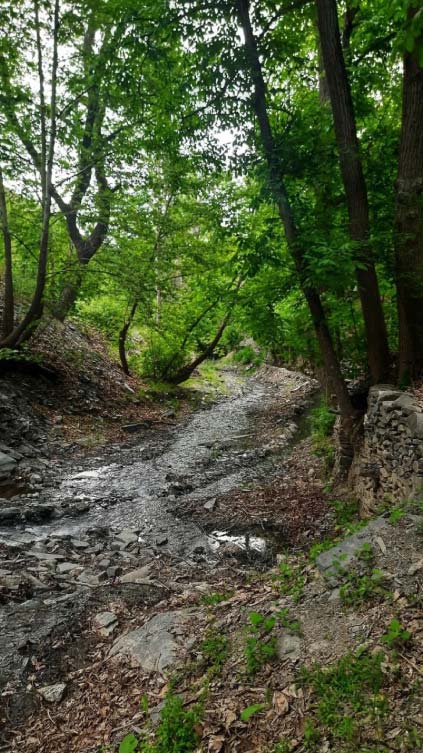
On the outskirts of the city, the resort areas of Torqabeh and Shandiz, with their mountainous landscapes, rivers, gardens, traditional restaurants and local cuisine, are among the best-known natural tourism destinations around Mashhad. The historic village of Kang, with its stepped architecture and several thousand years of history, is also a valuable example of Khorasan’s rural heritage, offering a distinctive experience of cultural and nature-based tourism.
Malek House
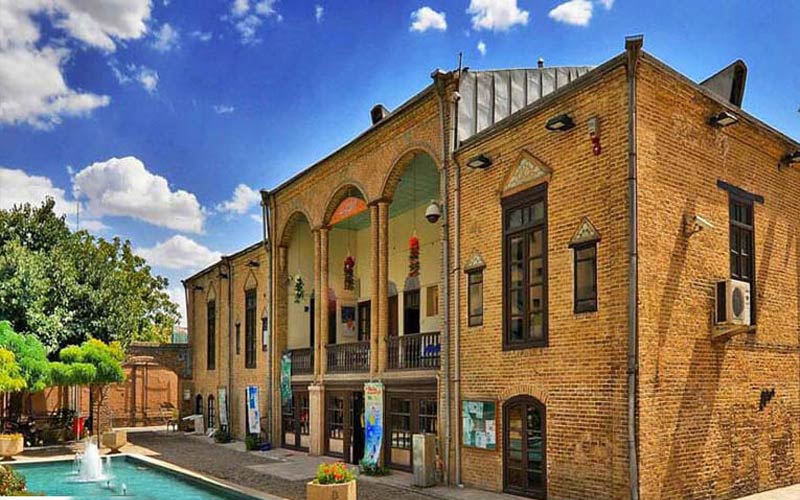
Malek House is one of Mashhad’s most notable historic houses and a surviving legacy of the Qajar period. It was built by Hossein Malek, one of Iran’s prominent philanthropists and benefactors. The building is a valuable example of late-Qajar residential architecture. Combining Iranian architectural traditions with elements of European architecture, including plasterwork, wooden orsi windows, delicate brickwork and a central courtyard, it is regarded as one of the outstanding examples of Mashhad’s historic architecture. Following restoration, the house is now used as one of the city’s cultural and artistic centres and hosts exhibitions, cultural events and art workshops.
Darogheh House
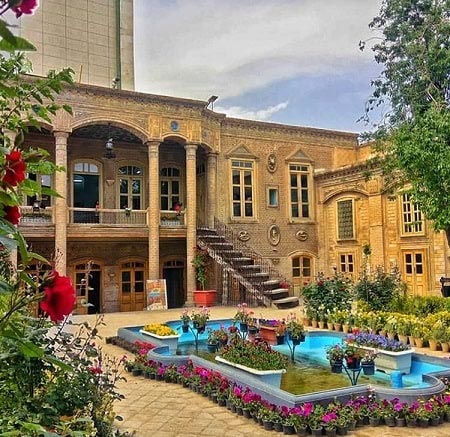
Darogheh House is one of the most beautiful historic houses in Mashhad. It was built in the late Qajar period at the order of Yousef Khan Herati, the darogheh (chief of police) of Mashhad. The building is of particular architectural value owing to the influence of Russian architecture alongside traditional Iranian architectural patterns. Its coloured windows, fireplace, brickwork decorations, exquisite plasterwork and central pool give the house a distinctive appearance. Following restoration and revitalization, Darogheh House has become one of Mashhad’s major cultural tourism destinations and a successful example of the conservation and adaptive reuse of historic architectural heritage.
Tookali House
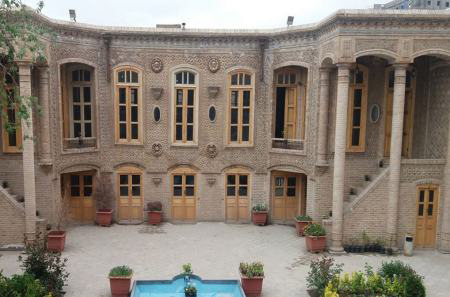
Tookali House is a valuable historic building in Mashhad dating from the late Qajar and early Pahlavi periods. With its central courtyard, verandas, wooden orsi windows, decorative brickwork, and interior and exterior spaces, the house represents an example of a traditional Iranian residence within Mashhad’s historic urban fabric. Its proximity to the Holy Shrine of Imam Reza (AS) further enhances its historical and tourism significance. Following restoration, the building has become one of the city’s cultural attractions visited by domestic and international tourists, showcasing part of the historic identity of Mashhad’s old neighborhoods.
Goharshad Mosque
Goharshad Mosque is one of the masterpieces of Timurid architecture and one of the most distinguished Islamic buildings in Iran. It was constructed in 821 AH, at the order of Goharshad Begum, the wife of Shah Rukh Timurid, to the south of the Holy Shrine of Imam Reza (AS). With its high iwans, turquoise dome, mosaic tilework, exquisite inscriptions and spacious prayer halls, the mosque is regarded as one of the most important examples of Islamic art and architecture in the world. In addition to its religious function, Goharshad Mosque is a valuable legacy of Islamic art, architecture and culture and holds a special place among Iran’s historic monuments, making it one of the most important destinations for cultural and religious tourism.
The unique combination of religious heritage, Iranian history and civilization, surrounding nature, a culture of hospitality and developed tourism infrastructure has made Mashhad one of the region’s major tourism destinations. It has also given the city a prominent position in the pursuit of sustainable tourism development and international cultural exchange, particularly within the framework of UNESCO’s objectives.
Actions and Vision of Mashhad as a Learning City
Mashhad’s Plan for Joining the UNESCO Global Network of Learning Cities (GNLC)
Mashhad has submitted a special proposal entitled “Literacy Endowment” to UNESCO in the field of Learning Cities. In its application for membership in the Network, in addition to introducing its scientific and educational capacities, Mashhad has pledged to provide education in entrepreneurial literacy, civic culture and life skills. Mashhad Municipality has announced that promoting citizens’ financial literacy and media and information literacy is also among its priorities. Beyond these measures, Mashhad has set the goal of taking steps towards eradicating illiteracy in the city during its two-year membership of the UNESCO Global Network of Learning Cities (GNLC). This is an ambitious and challenging objective, the achievement of which could represent a significant accomplishment for Iran’s second-largest metropolis, which has a substantial population living in peripheral and underserved areas.
According to statistics from the Literacy Movement of Razavi Khorasan Province in January 2019, 29,010 citizens of Mashhad did not have reading and writing skills. Following Mashhad’s accession to the UNESCO Global Network of Learning Cities (GNLC), Mashhad Municipality, in cooperation with the General Directorate of Education of Razavi Khorasan Province and the Literacy Movement Organization, placed the implementation of the “Literacy Endowment” initiative on its agenda. Under this initiative, Mashhad Municipality will allocate 30 billion rials as an incentive to literacy learners and literacy instructors, while the education authorities will be responsible for providing the necessary hardware and software infrastructure and implementing educational programmes for citizens who lack reading and writing skills. Plans have also been envisaged to strengthen the role of endowers and benefactors in promoting the “Literacy Endowment” initiative.
Download the PDF e-book of Mashhad Learning City
Teaching reading and writing skills to illiterate citizens
With the aim of expanding the “Literacy Endowment” initiative and improving reading and writing skills, Mashhad began cooperation with the Literacy Movement of Razavi Khorasan Province on the basis of a bill approved in September 2019. Accordingly, it was decided that Mashhad Municipality would allocate 30 billion rials as an incentive to literacy learners and literacy instructors.
Under this initiative, Mashhad Municipality also voluntarily participated in identifying citizens who lacked literacy skills. In this regard, during a one-month process in January 2020, 1,348 illiterate citizens were identified and referred to the Literacy Movement. The implementation of the initiative involved the cooperation and participation of the Public Communications Unit (137), the Public Relations Department’s Outdoor Advertising Office of Mashhad Municipality, the Social Affairs Deputy of the Social and Cultural Organization of Mashhad Municipality, the Imam Khomeini Relief Foundation, and a number of non-governmental organizations. The Literacy Movement of the General Directorate of Education of Razavi Khorasan Province was expected to begin the educational process for these citizens.

Contact Information
Address
19th Floor, Alton Building, University St., Mashhad, Iran
Phone Number
05138491450
mashhad.cdc@protonmail.com
Learning City Mayor
Dr. Mohammad-Reza Qalandar Sharif
Learning City Coordinator
Mr. Kalidari | Ms. Azimi