

Creative City of Music
Creative City of Music
Creative City of Music
Creative City of Music
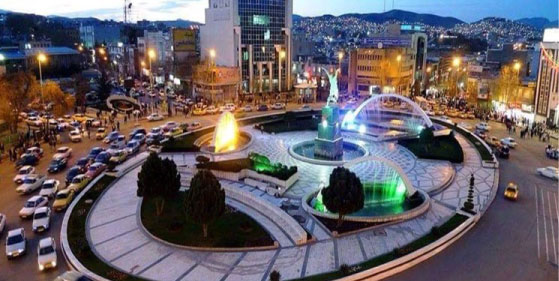
Sanandaj, the capital of the border province of Kurdistan and the centre of the county of the same name, is located in western Iran.
Sanandaj County borders Divandarreh County to the north, Qorveh County to the east, Kamyaran County to the south, and Marivan and Sarvabad counties to the west. According to the latest administrative divisions, the county comprises 2 districts, 2 cities and 10 rural districts.
Sanandaj City, located at 46°59′45″ E longitude and 35°19′00″ N latitude, has an elevation of 1,480 metres above sea level. With a temperate to cool, semi-arid climate and average annual precipitation of 480 millimetres, the city is surrounded by elevations that extend almost entirely around it. The highest of these mountains include Koochak-Sar (2,946 metres), Mount Abidar Bozorg (2,550 metres), Sheikh Marouf (2,895 metres), and Mount Yousef Siyah (2,550 metres). These highlands are the source and watershed of numerous streams and rivers flowing around the city, including the Qeshlaq, Qezel Ozan, Sirvan and Gaveh Rud rivers.
Sanandaj is 501 kilometres from Tehran by road and 391 kilometres by air. The city is connected by paved roads to other cities in the province and to neighbouring provinces. It is approximately 80 kilometres from the Iraqi border in a straight line.
Historical sources refer to Sanandaj by names including Sanan-Dezh, Sandaniz, Seneh, Seneh-Dezh, Siyarm, and Kurd-Kuk.
Sanandaj is a newly founded city whose establishment is attributed to Soleyman Khan Ardalan, the Governor of Kurdistan, during the Safavid period. The name of Sanandaj does not appear in ancient geographical sources, and there is little doubt that the city was founded on the remains of a city or fortress known in some sources as Seh-Dezh or Seneh-Dezh.
As Barthold writes in this regard: “The province between Kermanshah and Azerbaijan was known at that time as Ardalan, and its important city was Seneh.” He further writes: “In the nineteenth century, the Kurdish governor of the city of Seneh was, in practice, completely independent and not subject to the Iranian government. It was only during the reign of Naser al-Din Shah that this province was brought under the authority of the central government. The Shah sent his uncle to govern Seneh, and following the governor’s death, his son succeeded him.”
Following the establishment of Kurdistan Province in 1958 (1337 in the Iranian calendar) and the selection of Sanandaj as its capital, the city gradually developed into one of the major cities in western Iran. The establishment of numerous educational and service centres attracted a large number of migrants to the city.
The population of Sanandaj was 40,461 in Iran’s first national census in 1956 (1335 in the Iranian calendar), increasing to 277,808 in 1996 (1375 in the Iranian calendar) and, according to estimates, reaching 327,969 in 2005 (1384 in the Iranian calendar).
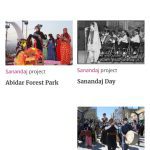
In addition to its natural attractions in the surrounding areas, including the Salavatabad Heights, Mount Abidar and Qeshlaq Dam Lake, Sanandaj also attracts many tourists each year through the recreational and leisure facilities established within the city. The Sanandaj Jameh Mosque, Khosrowabad Mansion, Moshir Divan Mansion, and Ganjineh Mansion (Museum) are among the historic monuments that have survived in the city.
Food Souvenirs
Sanandaj Sesame Sweets
Sesame sweets are among the most popular confectionery products of Sanandaj. In addition to their excellent taste, they are also traditionally regarded as having medicinal properties. Sesame sweets are among the best-known souvenirs of Sanandaj, and are widely enjoyed by visitors and residents alike. They are prepared in two varieties: Angabin and sugar.
Gazan-Gabin Sesame Sweets are a distinctive type of confectionery associated with Sanandaj. The term Angabin refers to the sweet secretion produced by an insect found in the mountainous areas of Sanandaj. This substance is obtained from a tree known as Angabin, which grows in the region. To prepare Gazan-Gabin, or Kejidji Gazou, sesame seeds are first roasted, after which the Angabin syrup is added. The mixture is then spread over a flat surface and cut into pieces.
Sugar Sesame Sweets are another type of sesame confectionery from Sanandaj. They have a texture similar to Gazou, but instead of Angabin syrup, sugar syrup is used.
In addition to their pleasant taste, sesame and Angabin are traditionally believed to have various medicinal properties, including helping to treat stomach ulcers and smallpox, reducing blood cholesterol, and alleviating gallbladder problems, among others.
Sanandaj Candied Almonds
Another traditional sweet associated with the beautiful city of Sanandaj is candied almonds. Candied almonds are served at ceremonies and gatherings throughout Kurdistan Province and are particularly popular in the region. They are prepared using almonds and sugar and are usually served with tea.
Sanandaj Natural Gum
Natural gum, known locally as Saqez, is a traditional chewing gum that was used as a substitute for modern chewing gum in the past. Saqez is in fact the sap or resin of a tree that grows abundantly in the mountainous areas around Sanandaj. The resin is collected in autumn and is initially green in colour and highly sticky. Saqez is traditionally associated with various health benefits, including helping to treat stomach ulcers, aiding digestion, alleviating digestive disorders and promoting wound healing.
Handicrafts
Sanandaj has a long-standing tradition of handicrafts, which represent the culture and way of life of the people of the region. Kurdistan is one of Iran’s major handicraft centres. Historically, the relative isolation of the region and limited access to other parts of the country encouraged local communities to produce many of the tools and items they needed themselves. This contributed to both the diversity and flourishing of handicrafts in Sanandaj and attracted many tourists to the region.
Carpet Weaving
Carpet weaving is one of the most prominent and flourishing handicrafts of Kurdistan. Sanandaj carpets have gained international renown and are exported to many parts of the world. Among the patterns used in Sanandaj carpets are stylized and broken floral designs such as Gol Vakili, Gol Mina, Deer Antlers, Mina Khani, Mahi Darham, Riz Mahi, and Boteh motifs.
Traditional Textile Weaving
In Kurdish-populated cities, including Sanandaj, traditional woven fabrics are used to produce local clothing. In Kurdistan, these fabrics are traditionally woven in workshops known as Jolayi, using goat wool. The fabric is first handwoven into narrow strips, which are then joined together and ultimately made into garments. Traditional clothing in this region is generally brown or light grey in colour.
Kalash
Kalash is the traditional giveh footwear of Sanandaj. The development of this footwear is closely associated with the mountainous and difficult terrain of Kurdistan and the need for durable footwear suitable for walking in the region. Kalash is made using cotton and compressed fabric. The sole is produced from densely compressed layers of fabric, while cotton is used for the upper part of the shoe. Its distinctive characteristics include being lightweight, soft and durable.
Naazokari
Naazokari is one of Sanandaj’s traditional handicrafts. It is an art in which pieces of wood are arranged with great delicacy and craftsmanship according to a specific design. Naazokari is used to make a variety of objects, including boxes, chessboards, backgammon boards and many other decorative and functional items.
Tanbur Making
The tanbur is a long-necked, pear-shaped string instrument, usually made from mulberry wood. It is one of Iran’s oldest musical instruments and has a strong mystical and spiritual significance. Tanbur making and playing are widespread among Laki and Kurdish communities and in many Kurdish-populated areas. Famous tanbur players are active in Kermanshah, Sarpol-e Zahab, Sanandaj, Lorestan and Qazvin.
Although tanbur making and playing are more widespread in Kermanshah, where the instrument is regarded as a popular souvenir, the shared cultural heritage of Sanandaj, Kermanshah and other Kurdish-populated areas has also contributed to the flourishing of tanbur making and performance in Sanandaj.
Daf
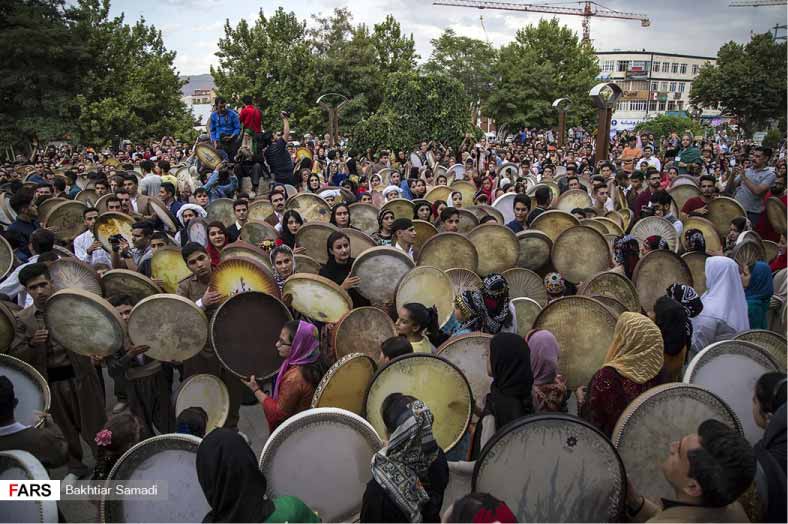
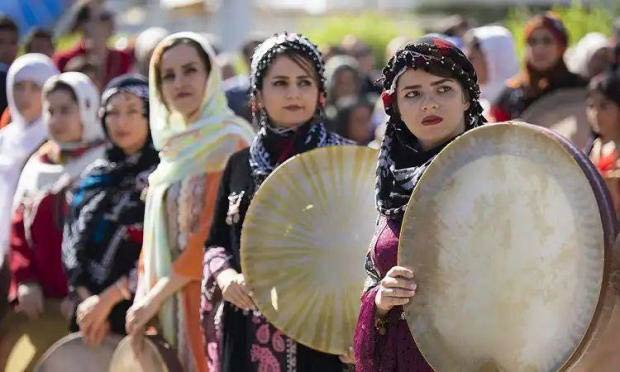
The daf is one of the percussion instruments of Iranian music, and its distinctive appearance is familiar to many people. The daf has a long history in Iranian and Kurdish music, dating back to the pre-Islamic period, and traces of its rhythms can still be found in Kurdish music today.
Following the advent of Islam, and in the context of restrictions placed on music, the daf continued to be used primarily in Khanqahs and Tekyehs in Kurdistan, where it became closely associated with Kurdish dervishes for more than thirteen centuries.
Given this long-standing tradition, it is not surprising to encounter dafs in many shops in Kurdish-populated cities, including Sanandaj. Like the tanbur, the daf is one of the most popular musical instruments in the region, and its history and cultural significance are deeply intertwined with the heritage of Kurdistan.
برای عنوان «چرا و چگونه سنندج شهر خلاق موسیقی شد؟» ترجمه مناسب و هماهنگ با عنوانهای قبلی شما: Why and How Did Sanandaj Become a UNESCO Creative City of Music?
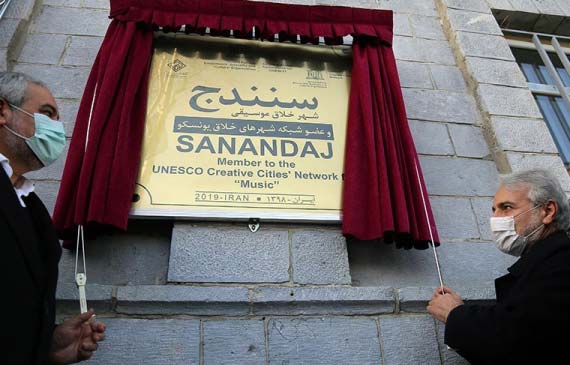
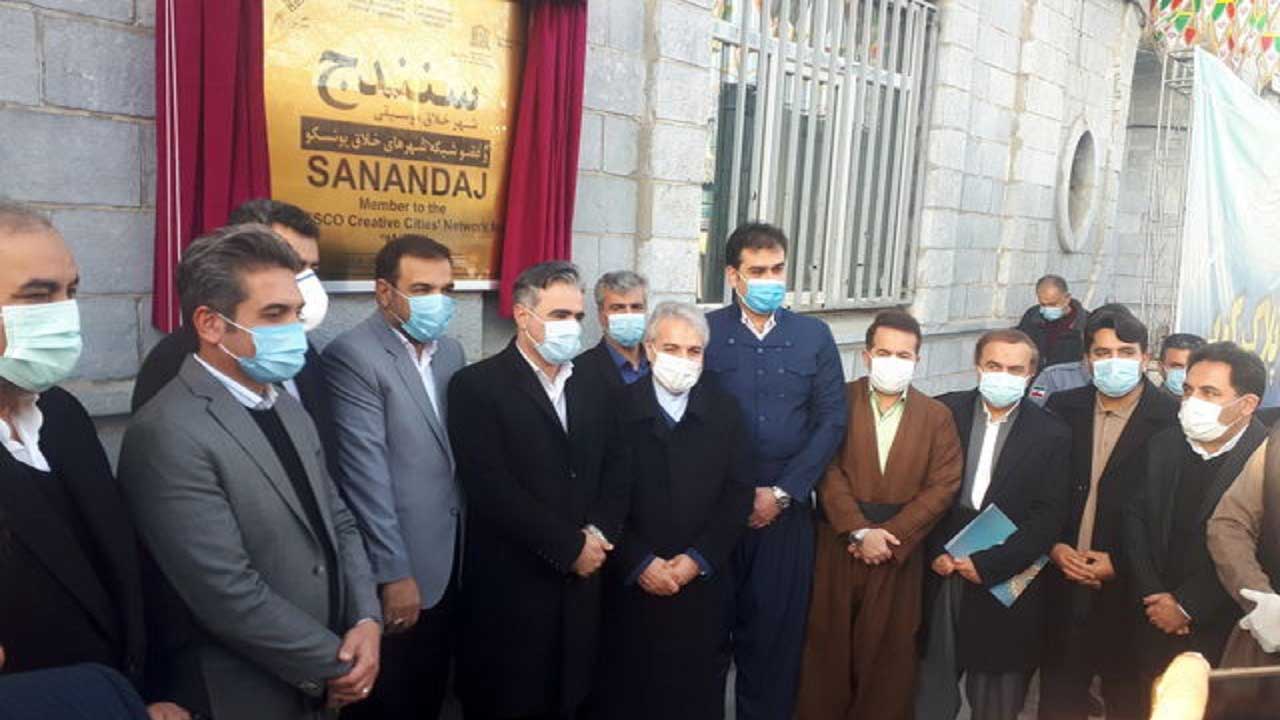
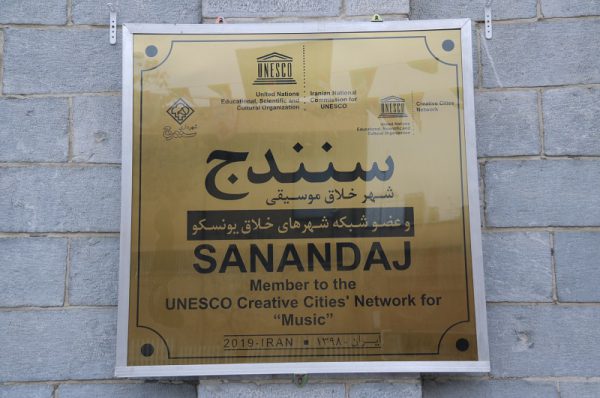
“The city of Sanandaj was inscribed as a Creative City of Music by UNESCO.” This was the news that appeared on news agency websites in November 2019 (Aban 1398). Together with Bandar Abbas, this brought the number of cities from the Islamic Republic of Iran participating in the Network to four. Isfahan and Rasht had joined the Network in 2015 as Creative Cities of Crafts and Folk Art and Gastronomy, respectively. In 2021, this number increased to five, with Kermanshah joining the Network as a Creative City of Gastronomy. The UNESCO Creative Cities Network (UCCN) is one of the programmes of this Organization, the United Nations specialized agency for education, science and culture. It was designed in the cultural field to contribute to sustainable development by establishing a network and fostering connections among member cities.
The Network was designed and launched in 2004, drawing on the theoretical perspectives of scholars such as Richard Florida[1] and Charles Landry[2]. At the time of writing, there were 246 Creative Cities worldwide, connected through the Network and engaged in activities across various fields (2019).
These seven fields were: Music, Gastronomy, Film, Media Arts, Design, Crafts and Folk Art, and Literature.
The inscription of Sanandaj, however, was achieved through the efforts of a group of cultural and artistic practitioners, academics, and educational and research institutions in Sanandaj, with the support of Sanandaj Municipality, Kurdistan Governorate-General, the Management and Planning Organization of Kurdistan Province, the Sanandaj Music Association, and other relevant government bodies. Initially, the research phase was carried out by a team of specialists. Following the publication of a new call by the UNESCO Secretariat in April 2019 (Farvardin 1398), the implementation phase of Sanandaj’s application for inscription was launched.
This process required the commitment and cooperation of the public, private, civil society and community sectors, as well as collaboration among all these stakeholders. The Ministry of the Interior and the National Commission for UNESCO in Iran also provided their full support throughout the process.
At the outset, in accordance with UNESCO guidelines, executive and scientific teams were established, and the application form for membership in the Network was completed through the work of these teams. The support of the University of Kurdistan and the Supreme Council of Music, as two scientific institutions that formally confirmed the eligibility of Sanandaj and its cultural and musical assets for membership in the Network, was also included among the supporting documents. These documents, together with three representative photographs, were submitted to the UNESCO Secretariat in June 2019.
It was on 31 October 2019 that the Director-General of UNESCO officially announced the names of the 66 cities that had joined the Network, with Sanandaj and Bandar Abbas from the Islamic Republic of Iran appearing on the list.
The news quickly spread and received extensive coverage among domestic news agencies. During this period, however, activities were limited to specific areas owing to the restrictions resulting from the spread of the COVID-19 pandemic. A brief overview of these activities is provided below.
[1] Richard Florida is a theorist in the field of urban studies. In 2002, he published his first book, The Rise of the Creative Class, followed in 2004 by Cities and the Creative Class, which developed the ideas presented in his earlier work.
[2] Charles Landry, a writer, speaker and international consultant specializing in the future of cities, promoted the idea of the Creative City through the publication of his book The Creative City in 1994.
Actions Taken Following Designation
Drafting the initial version of the regulations for the Centre for Research, Creativity and New Technologies of Sanandaj Municipality;
- Translating the UNESCO document entitled “Results-Based Management” (RBM);
- Translating the UNESCO Strategic Framework for Creative Cities;
- Translating the UNESCO Creative Cities Monitoring Guidelines for the preparation of four-year reports;
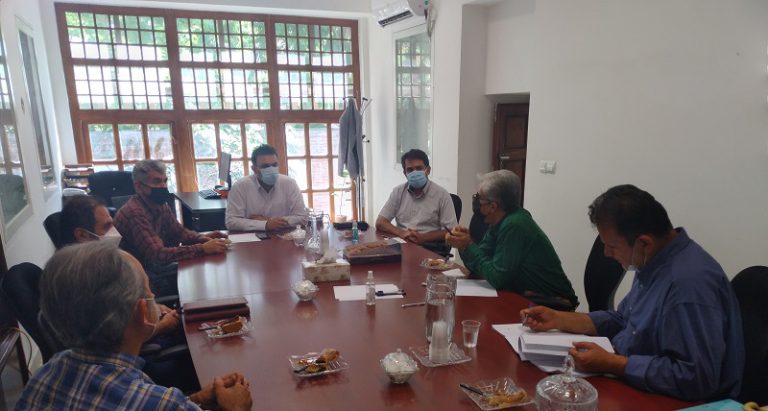
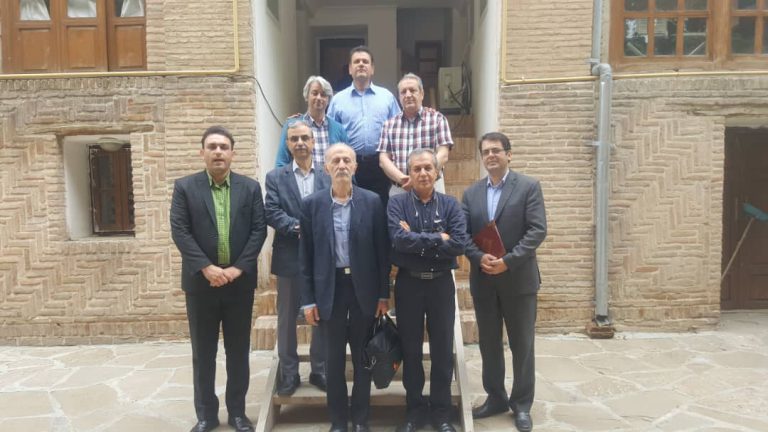
- Relaunching and re-equipping the Creative City Secretariat and establishing scientific and executive committees, together with defining their respective responsibilities;
- Holding committee meetings and following up on decisions;
- Participating in webinars, conferences and virtual gatherings of Creative Cities;
- Responding to UNESCO correspondence and submitting events and news related to Sanandaj Creative City to the UNESCO Secretariat and the Music Cluster, in coordination and cooperation with the UNESCO Focal Point and the Municipality;
- Launching a Creative City website for documentation and information dissemination, including the preparation and translation of content and coverage of events, with the cooperation and support of the Cultural, Social and Sports Organization of Sanandaj Municipality;
- Translating concrete experiences, activities and ongoing projects of Creative Cities of Music around the world;
- Collecting, compiling and archiving resources and articles on Creative Cities;
- Writing articles and opinion pieces for domestic media on the Creative City;
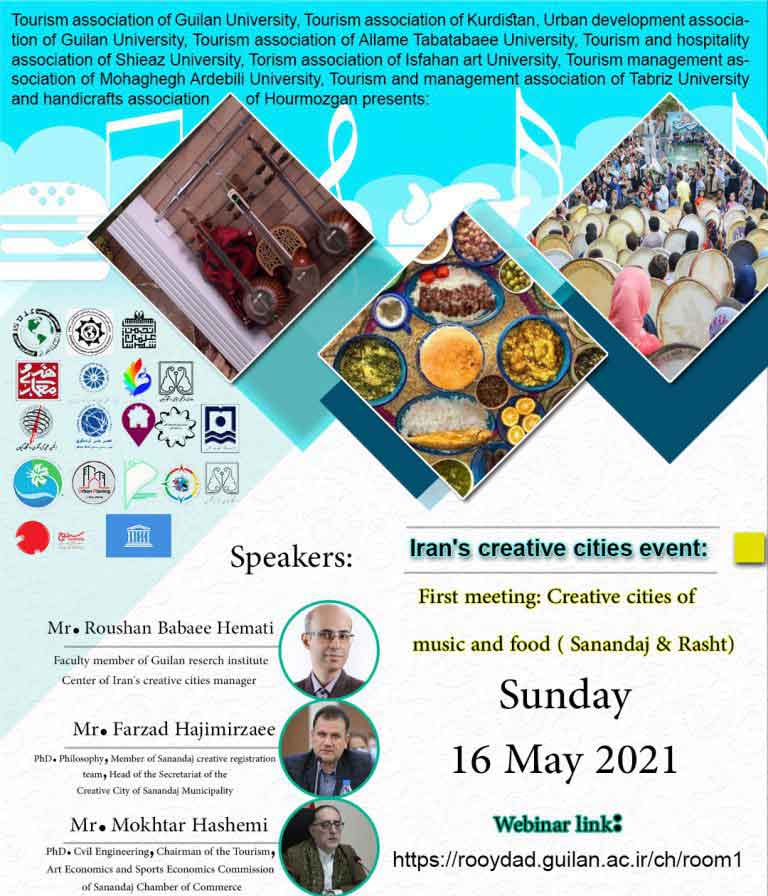
- Cooperating and coordinating with other Creative Cities in Iran in various activities and events, including webinars and the signing of joint agreements aimed at cooperation and synergy;
- Raising awareness of the concepts, terminology and foundations of the Creative City;
- Publishing brochures and newsletters and launching social media pages dedicated to the Creative City;
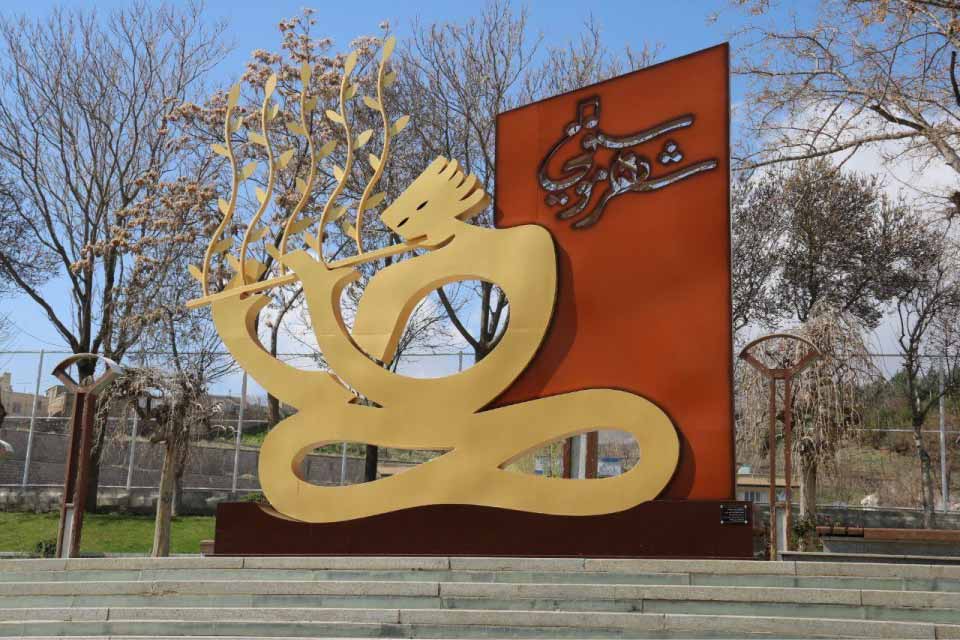
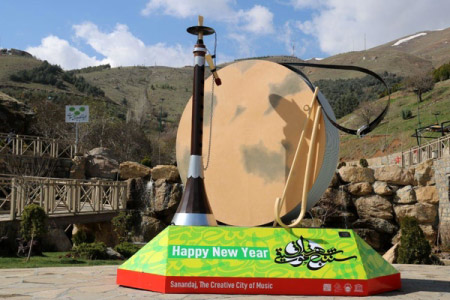
- Contributing to discussions and cooperation on the installation of Creative City-related urban elements across the city.
Detailed Overview of Recent Activities
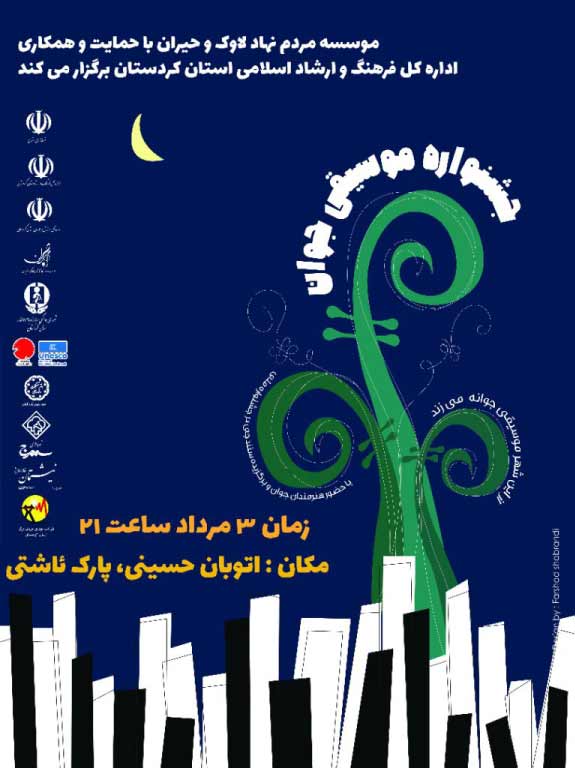
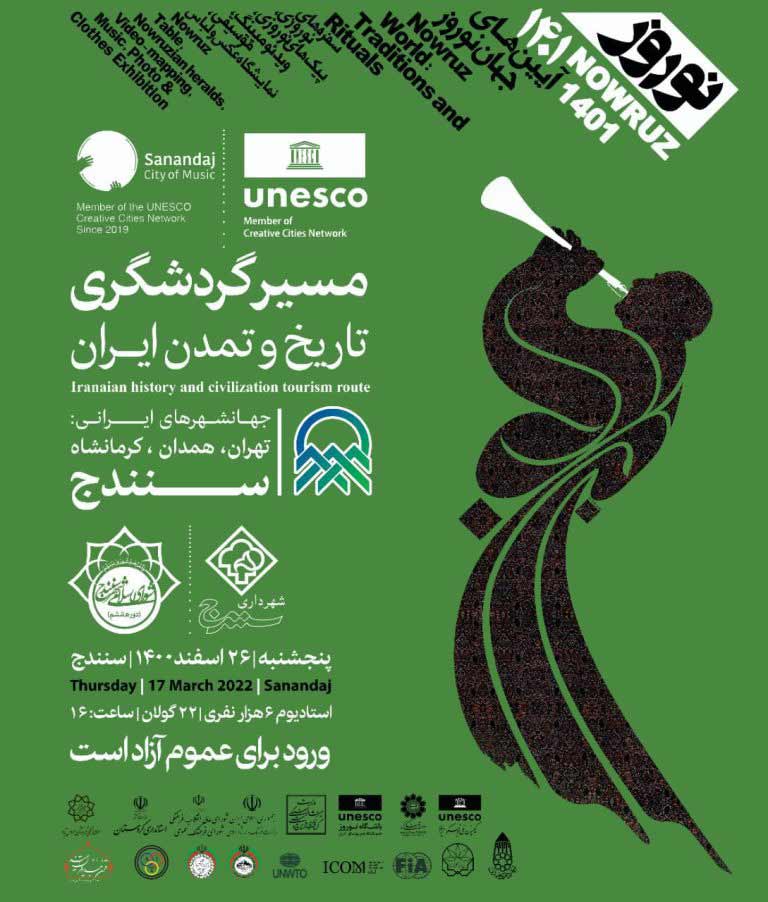
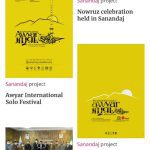
Organizing Nowruz celebrations in the form of a festival and street carnival;
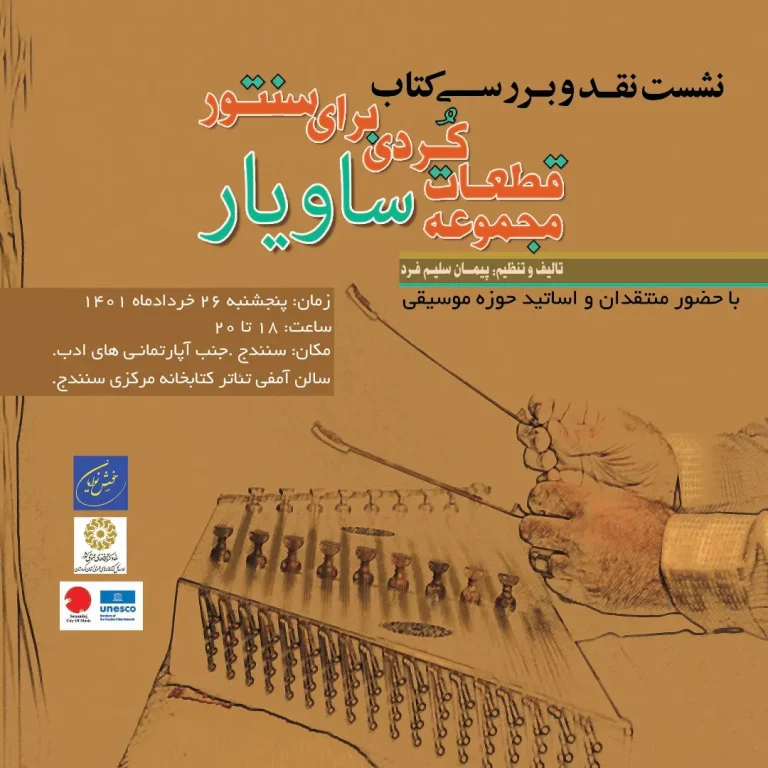
- Holding 6 Ordibehesht as Sanandaj (Seneh) Week, featuring a seminar and book launch;
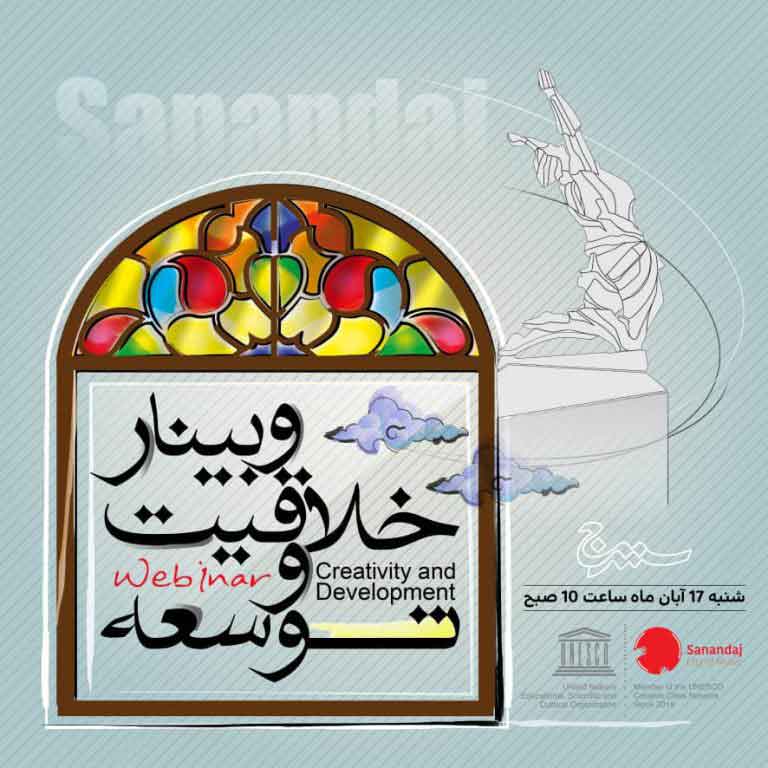
- Organizing the “Development and Creativity” webinar with the participation of Dr. Nemat Fazeli, a scholar of anthropology and development, Master Seddiq Tarif, and other experts;
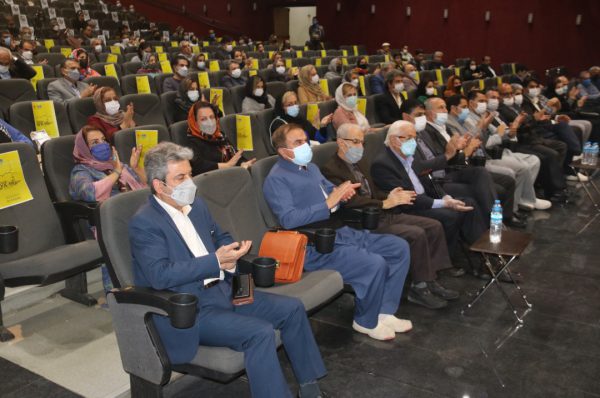
- Organizing a Creative City of Music virtual gathering webinar with the support of the Science and Technology Park of the University of Kurdistan;
- Producing and compiling educational videos on the Creative City;
- Producing music content based on the Sanandaj Music Calendar;
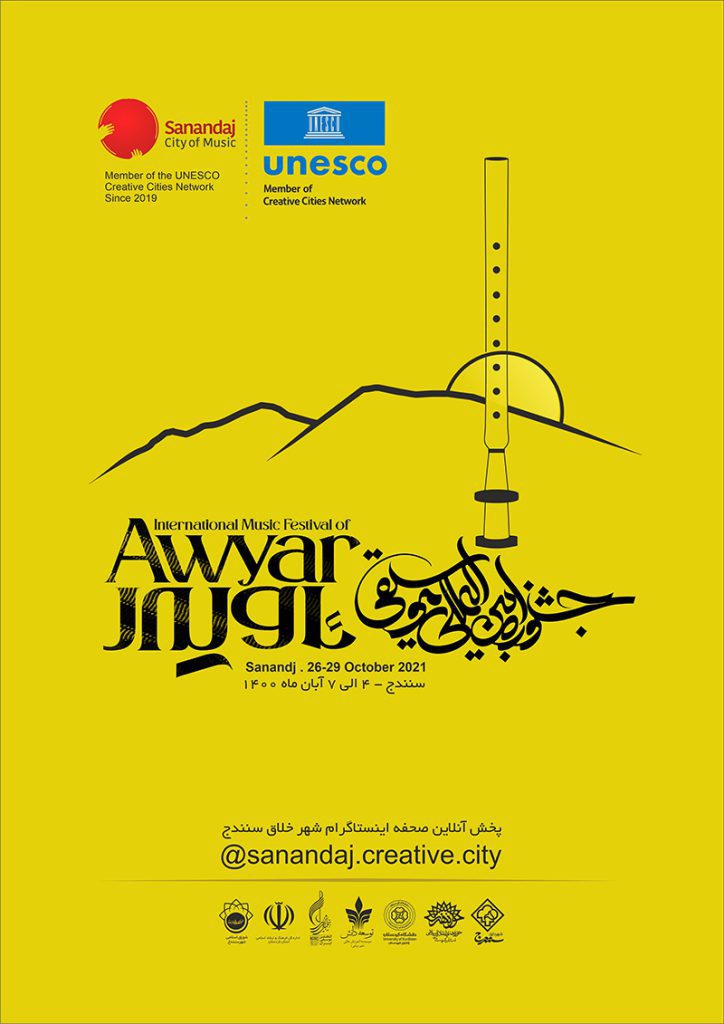
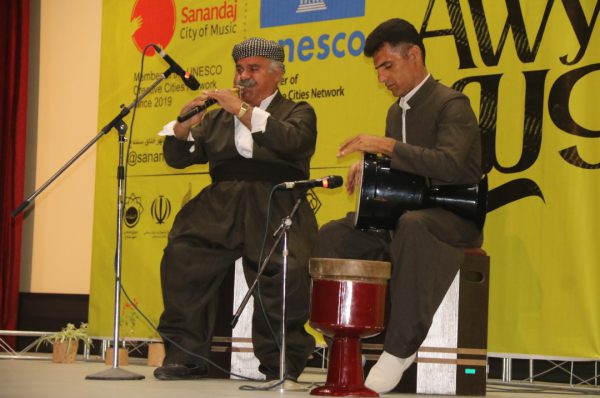
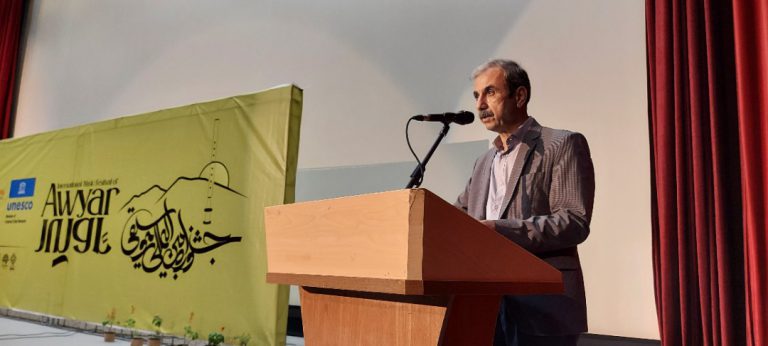
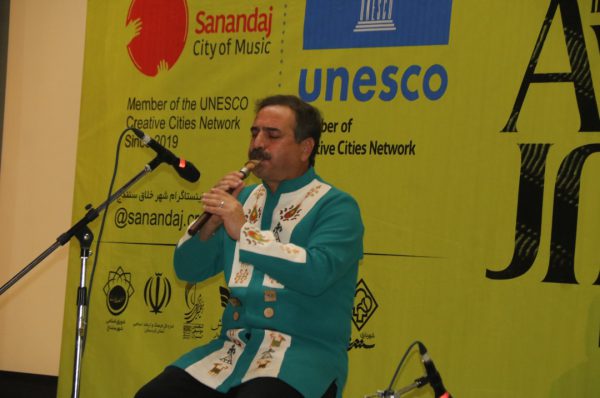
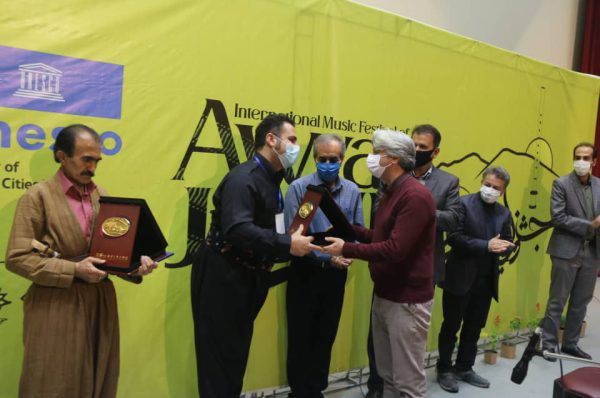
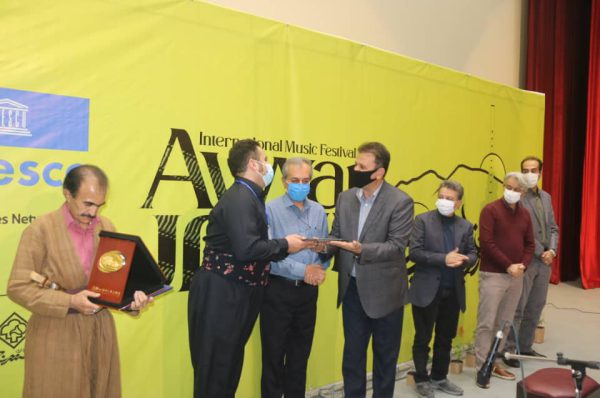
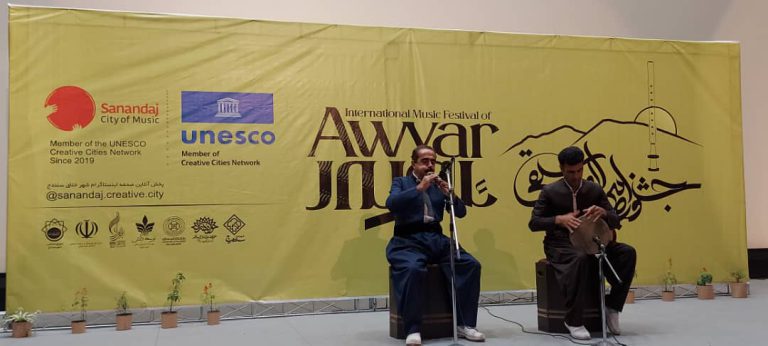
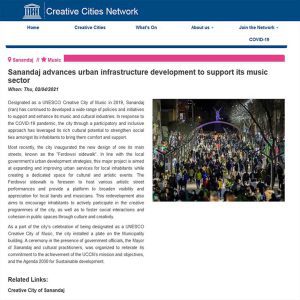
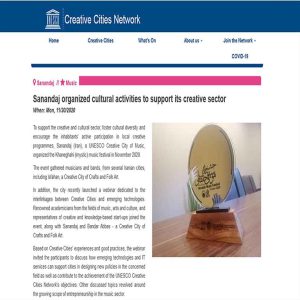
- Organizing the international “Avier” Festival, dedicated to the Nermeh-Nay musical instrument, as part of the second anniversary of Sanandaj’s accession to the UNESCO Creative Cities Network, with the participation of artists from five foreign countries;
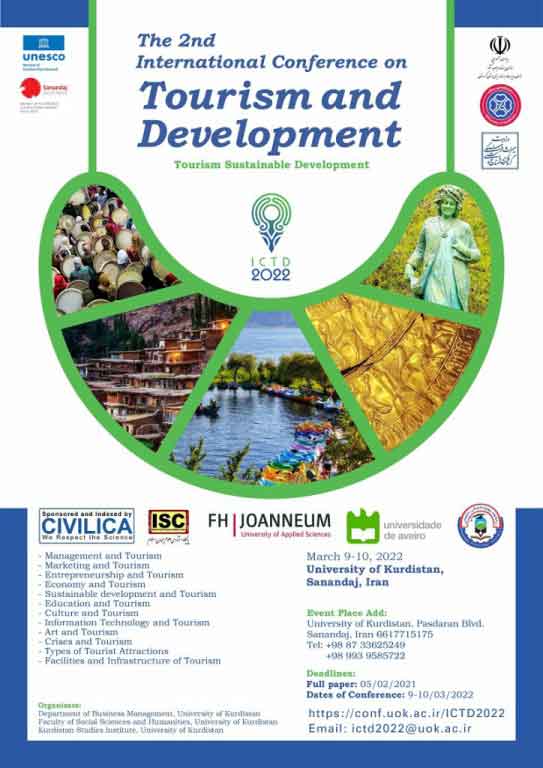
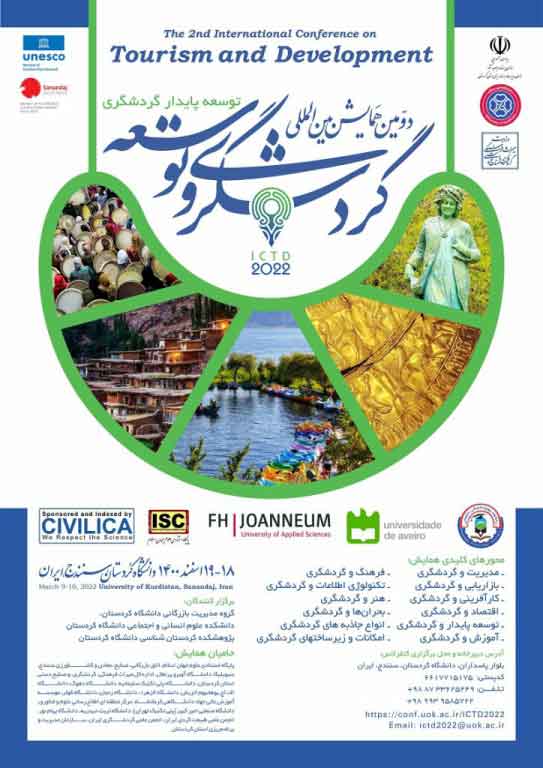
- Cooperating in the organization of the international “Tourism and Development” Conference with the University of Kurdistan;
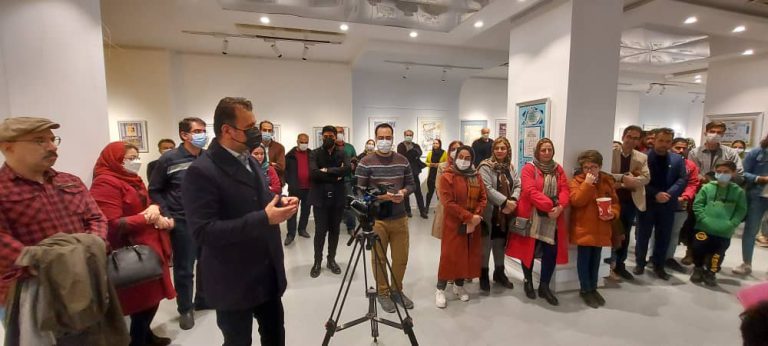
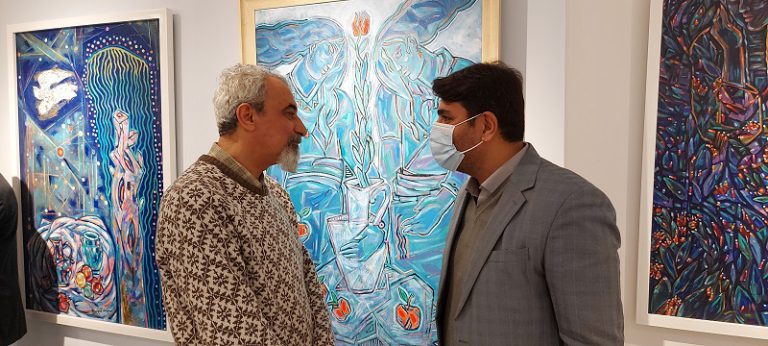
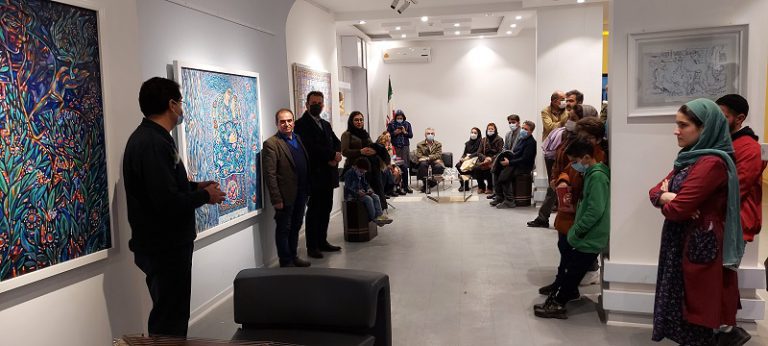
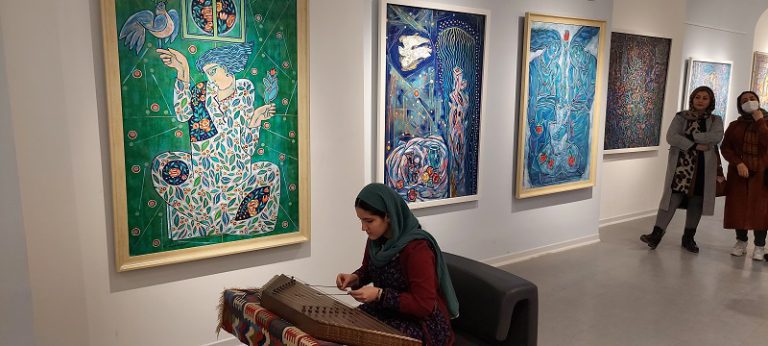
- Organizing a combined music and painting event as part of an exhibition of artists and galleries;
- Developing the Sanandaj Music Calendar with the participation of experts and members of the music community, and publishing and distributing it;
- Cooperating in the preparation and research for academic theses on the Creative City;
- Cooperating in the planning of Nowruz 2022 (1401 in the Iranian calendar) events and Sanandaj Week;
- Having news of the city’s events featured on the official UNESCO website and the Music Cluster website;
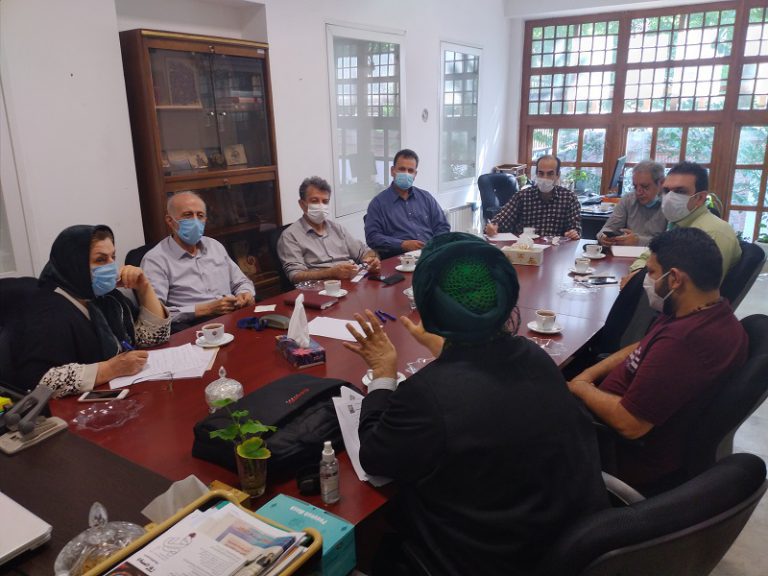
- Holding meetings of the Creative City Planning Team in the new phase of activities;
- Participating in online meetings and conferences of Creative Cities, both nationally and internationally;
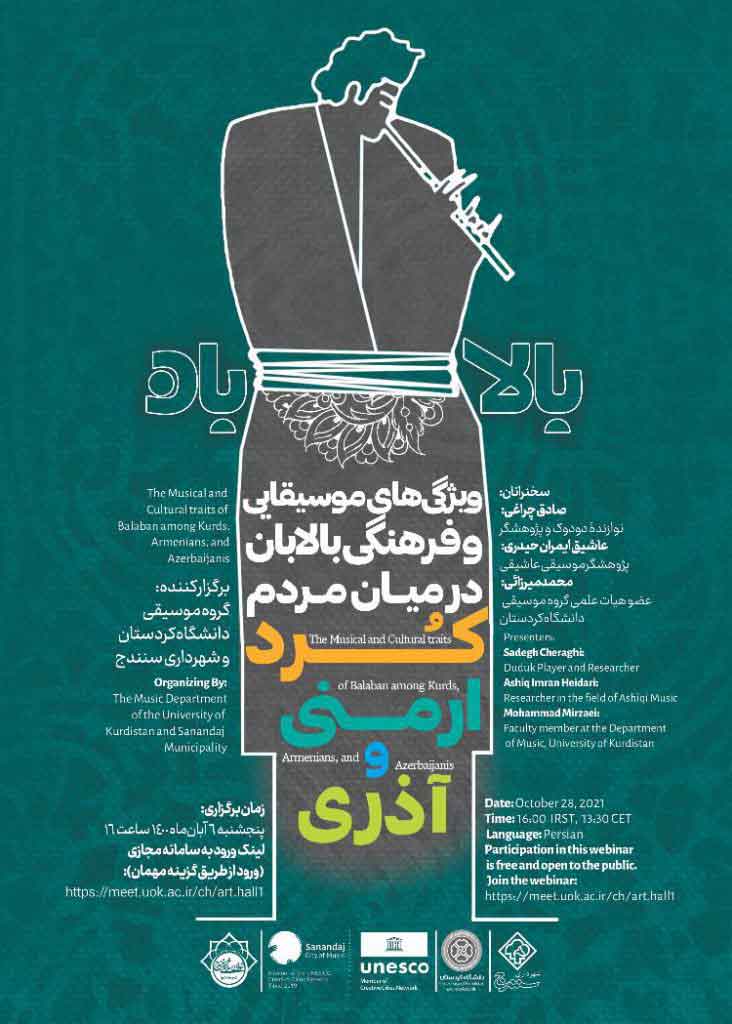
- Meeting with artists and attending performances by Sanandaj music groups;
- Organizing launch ceremonies for music albums and related books;
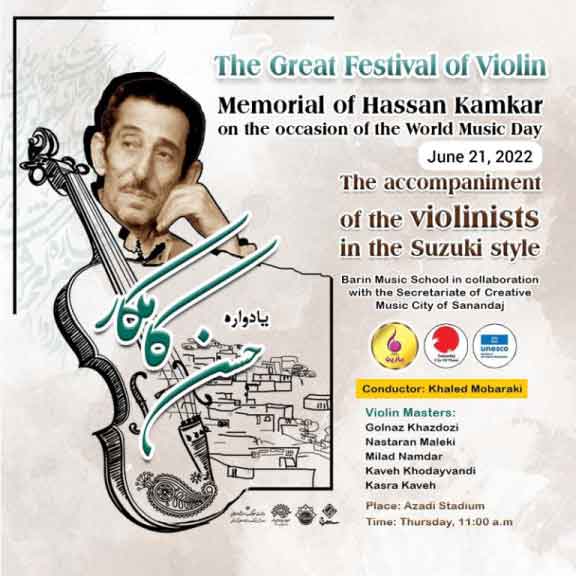
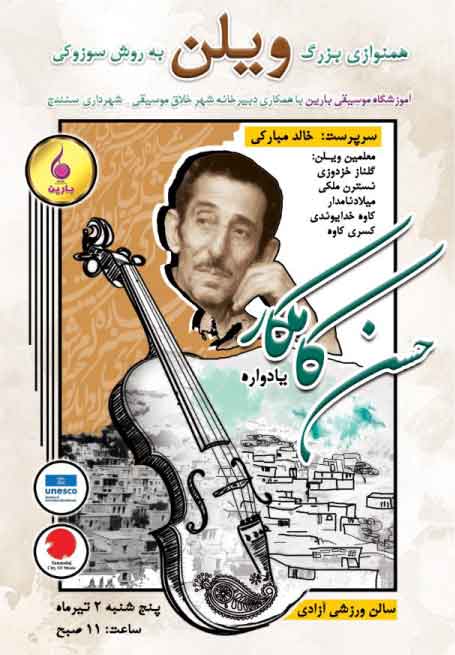
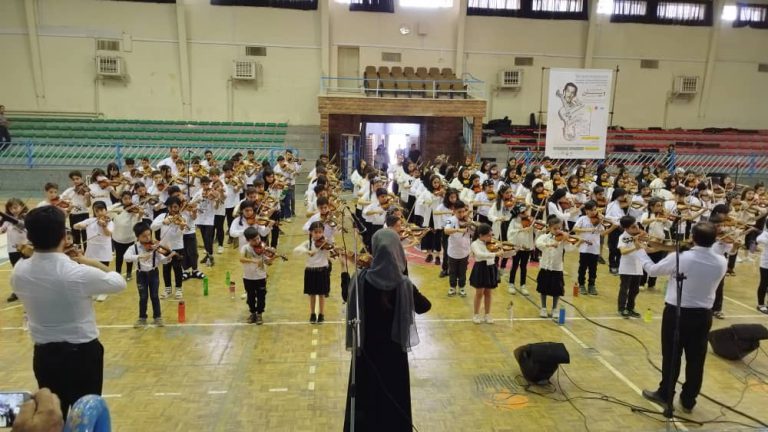
- Organizing World Music Day and a memorial event for Master Hassan Kamkar, in cooperation with the Barin Independent Music School;
- Holding a meeting with independent music schools across Sanandaj;
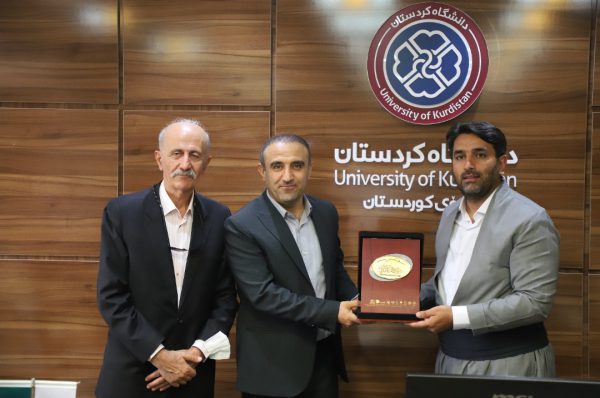
- Holding a meeting with the University of Kurdistan to fulfil UNESCO commitments.
Future plans:
- Strengthening, structuring, and establishing the Center for Research, Creativity, and Modern Technologies
Strengthening the Secretariat of Sanandaj Creative City
Regular formation of scientific and executive committees and other required working groups
Collaboration with educational institutions, universities, and science and technology parks
Drafting and writing guidelines and regulations related to the duties and missions of the Center
Communicating with and securing the participation of governmental, private, and NGO sectors in line with the Center’s objectives
Cooperation and communication with other creative cities in the network in line with the goals of the Creative City
Creating the groundwork and contributing to branding and ideation at the local, national, and regional levels
Cooperation, consultation, and participation in the fields of development, research, technology, and startups
Cooperation with relevant domestic institutions at the national level, including the Iranian National Commission for UNESCO and the relevant secretariat at the Ministry of Interior
Research and investigation in the field of project monitoring to prepare the monitoring report for Sanandaj Creative City for the year 2023
Creating interaction and convergence among governmental, public, civil, and private sectors in line with the goals of the Creative City
Holding domestic and international festivals and events
Contact Information
Address
Sanandaj, Abidar Bypass, 28 Dey Martyrs Park, Sanandaj Green Specialized Department, UNESCO Creative City Secretariat
Phone Number
08733563279
creative.city.sanandaj@gmail.com