

Creative and Learning Cities Networks: Key Factors in Sustainable Development and Improving Citizens’ Quality of Life
Secretary-General of the Iranian National Commission for UNESCO: UNESCO programs such as the Creative Cities and Learning Cities networks, by facilitating the exchange of experiences and ideas, contribute to sustainable development and improving the quality of life of citizens. These programs provide cities with opportunities to achieve cultural and economic development by harnessing innovation and creative industries. |

The seminar and training course entitled “Reconsidering Urban Life and City Branding, with a Focus on Emerging Innovation and Creative Industries for Urban Development”, focusing on strategies for low-carbon, inclusive and safe urban transport, was held from 9 to 12 December 2024, with the aim of enhancing urban knowledge and facilitating the exchange of global experiences. The event was attended by the Secretary-General of the Iranian National Commission for UNESCO, guests from the cities of Bojnurd, Kerman, Shiraz, Ahvaz, Zahedan, Karaj and Tehran, as well as guests from Turkey, Pakistan, Côte d’Ivoire and other countries. It was organized by the International Training Centre of Metropolis in Mashhad and hosted by Mashhad Learning City.
Metropolis, the World Association of Major Metropolises, was established in 1984, with 137 members, with the aim of providing solutions to the challenges facing major metropolises, at the initiative of the City of Paris. It began its activities in Montreal, Canada, in 1985.
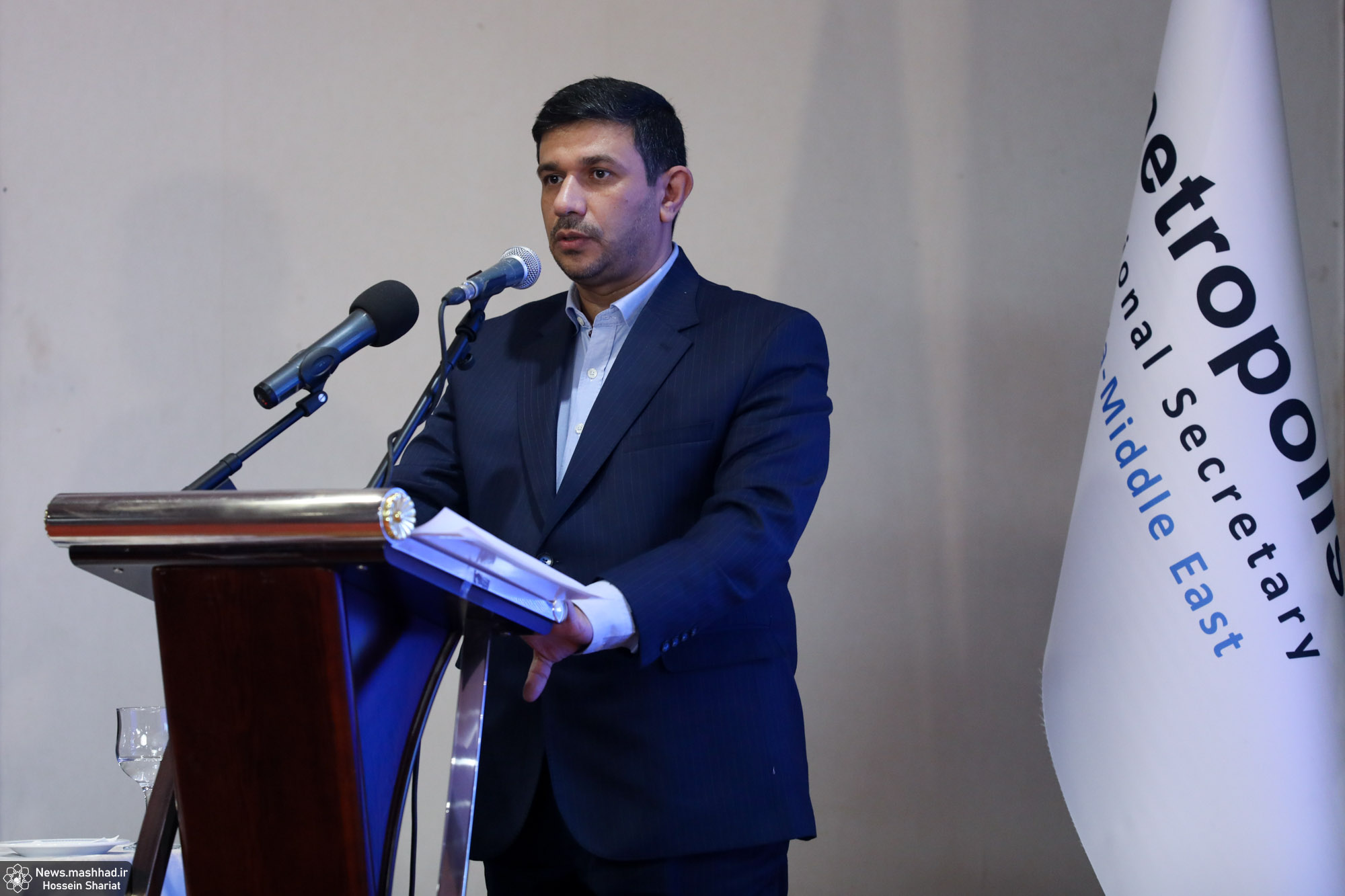
At the opening ceremony of the program, held at the Homa Hotel in Mashhad, Dr Hasan Fartousi, Secretary-General of the Iranian National Commission for UNESCO; Dr Gholamreza Kalantari Sharif, Mayor of Mashhad; Dr Mehdi Nasehi, Chair of the Islamic City Council of Mashhad; Jordi Vaquer, Secretary General of the World Association of Major Metropolises, Metropolis, in a video message; Mehmet Duman, Secretary-General of United Cities and Local Governments, Middle East and West Asia; Dr Shahriyar Efandizadeh Zargari, Professor at Iran University of Science and Technology; and other speakers delivered presentations.
The presentation by Mehmet Duman focused on “Innovation and Creative Industries: An Emerging Approach to Urban Development”, while Dr Shahriyar Efandizadeh Zargari addressed “Travel Demand Management in Metropolises as a Strategic Policy for Urban Traffic Management”.
In his remarks, Hasan Fartousi stated that urban life concerns enhancing the quality of life in cities and encompasses a range of factors, including the environment, transport, housing and public services.
The Secretary-General of the Iranian National Commission for UNESCO continued: “Given the growth of urban populations and the complexities arising from it, rethinking urban life is essential if we are to create sustainable and people-centred cities. From UNESCO’s perspective, urban life is concerned not only with physical factors, but also with cultural and social dimensions. Sustainable urban life requires attention to cultural heritage, biodiversity and a commitment to preserving natural resources.”
Innovation: A Key to Addressing Complex Urban Challenges and Improving Citizens’ Quality of Life
Dr Fartousi stated that innovation is a key to addressing complex urban challenges and improving citizens’ quality of life. From smart technologies to environmental solutions, innovation can contribute to creating sustainable, efficient and environmentally friendly cities. Innovation in transport systems, water and energy resource management, and smart construction are just some examples of successful approaches. The use of data and digital technologies can also contribute to optimizing urban services and ensuring more efficient resource management.
Creative Industries: Factors Strengthening City Branding
Referring to fields such as art, design, food, media and emerging technologies, he continued that creative industries can contribute to strengthening city branding. These industries not only create new employment opportunities, but can also foster a positive image of a city in the public mind and facilitate the attraction of tourists and investors.
UNESCO Supports the Integration of Traditional Knowledge and Cultural Practices with Innovative Solutions in Urban Life
Dr Fartousi emphasized that a strong city brand can present a city as an attractive destination for living, working and leisure. For example, cities such as Paris, London and New York have become global brands by drawing on their cultures and creative industries, attracting millions of tourists each year. UNESCO also supports the integration of traditional knowledge and cultural practices with innovative solutions. For example, traditional construction techniques can inspire sustainable architecture. This convergence of tradition and innovation helps ensure that inclusive development remains rooted in cultural heritage.
Innovative Cities: Attractive Destinations for Talent, Investors and Tourists
Regarding the potential of an innovative city to become an attractive destination for talent, investors and tourists, he said that by drawing on creative and innovative industries, cities can continuously upgrade their services and infrastructure and build stronger brands that symbolize progress and sustainability. Innovative cities can enhance their attractiveness by organizing cultural and artistic events, encouraging community participation and making use of emerging technologies.
Dr Fartousi added that the active participation of policymakers, urban planners, entrepreneurs, artists and citizens is vital to successfully reconsidering urban life and developing city brands. Social and cultural projects that involve people in the urban development process can help strengthen local identity and a sense of belonging. As the primary stakeholders, citizens should participate in urban decision-making processes, and their views and needs should be taken into account in planning. This approach can contribute to greater citizen satisfaction and stronger social cohesion.
Reconsidering Urban Life and City Branding: Factors Contributing to the Transformation of Cities into Prominent Cultural and Economic Centres
The Secretary-General of the Iranian National Commission for UNESCO described reconsidering urban life and city branding through emerging innovation and creative industries as factors contributing to improving citizens’ quality of life, emphasizing that these factors not only help improve citizens’ quality of life, but can also transform cities into prominent cultural and economic centres.
He concluded by expressing hope that, inspired by these approaches, efforts could be made towards sustainable development and the creation of beautiful cities offering high standards of living for all. In fact, through collective cooperation and commitment, we can create a bright and sustainable future for generations to come.
The course, the thirteenth in the series of training seminars, covered a wide range of topics related to empowering local representatives through training, including public transport; travel management strategies in urban areas; an integrated road safety approach for sustainable development; urban transport and its governing principles; how to establish road network operations; cooperation and networking for urban transport; innovative public transport services; and the importance of creative industries and innovation in shaping urban identity.
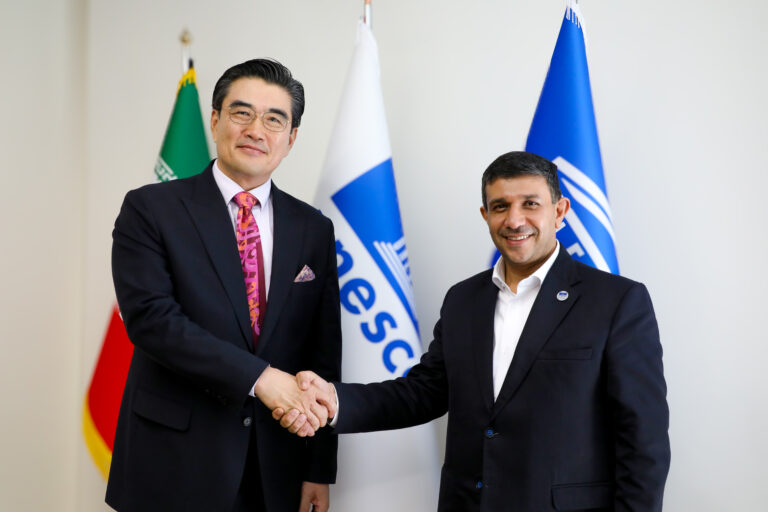
Later that day, the Secretary-General of the Iranian National Commission for UNESCO held a meeting with the Mayor of Mashhad at the Mashhad Innovation and Technology Factory to discuss areas of joint cooperation between the National Commission and the Municipality of Mashhad, and emphasized the importance of keeping the training provided by Mashhad Learning City up to date. The Mashhad Municipality’s support for the International Centre for Basic Sciences Related to Human Health and Nutrition at Mashhad University of Medical Sciences, as well as the promotion of the activities of the Municipality of Mashhad as a leading city in the fields of water, green spaces, innovation and smart urban development, were also discussed at the meeting.
It should be noted that the seminar was attended by the Secretary-General of the Iranian National Commission for UNESCO, the Secretary-General of United Cities and Local Governments, the Head of the Representative Office of the Ministry of Foreign Affairs in Razavi Khorasan Province, the Mayor of Mashhad, the Chair and several members of the Mashhad City Council, mayors from other cities across the country, and delegations representing Metropolis member cities from various countries.