Secretary-General of The Iranian National Commission for UNESCO Emphasizes the Role of Scientific and Cultural Diplomacy in Effective International Engagement
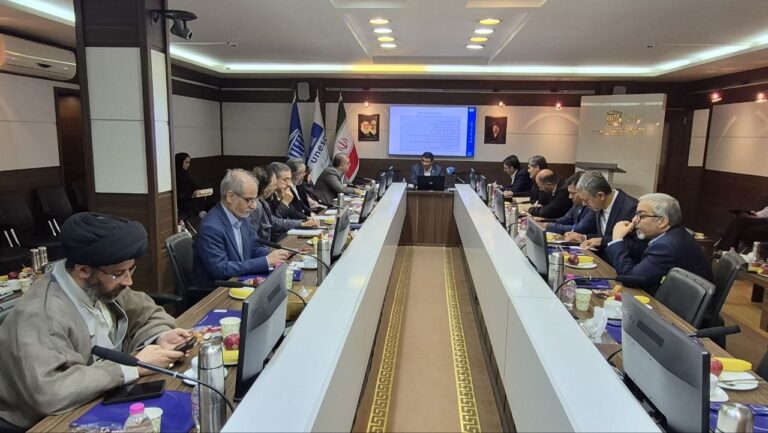
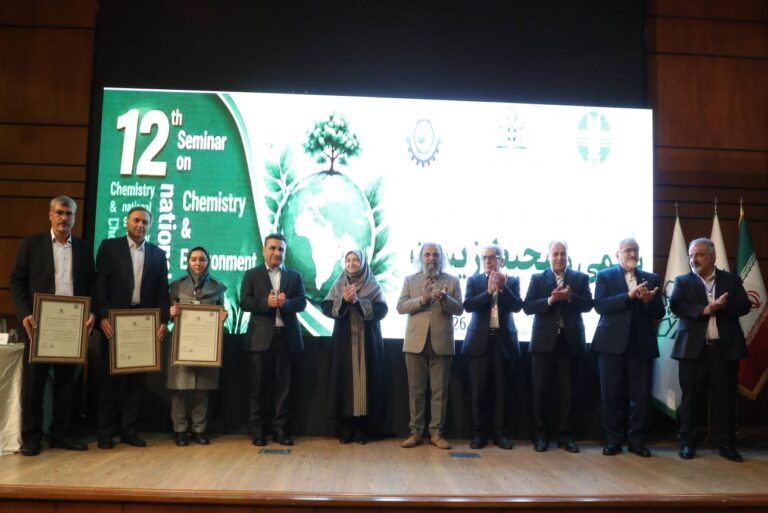
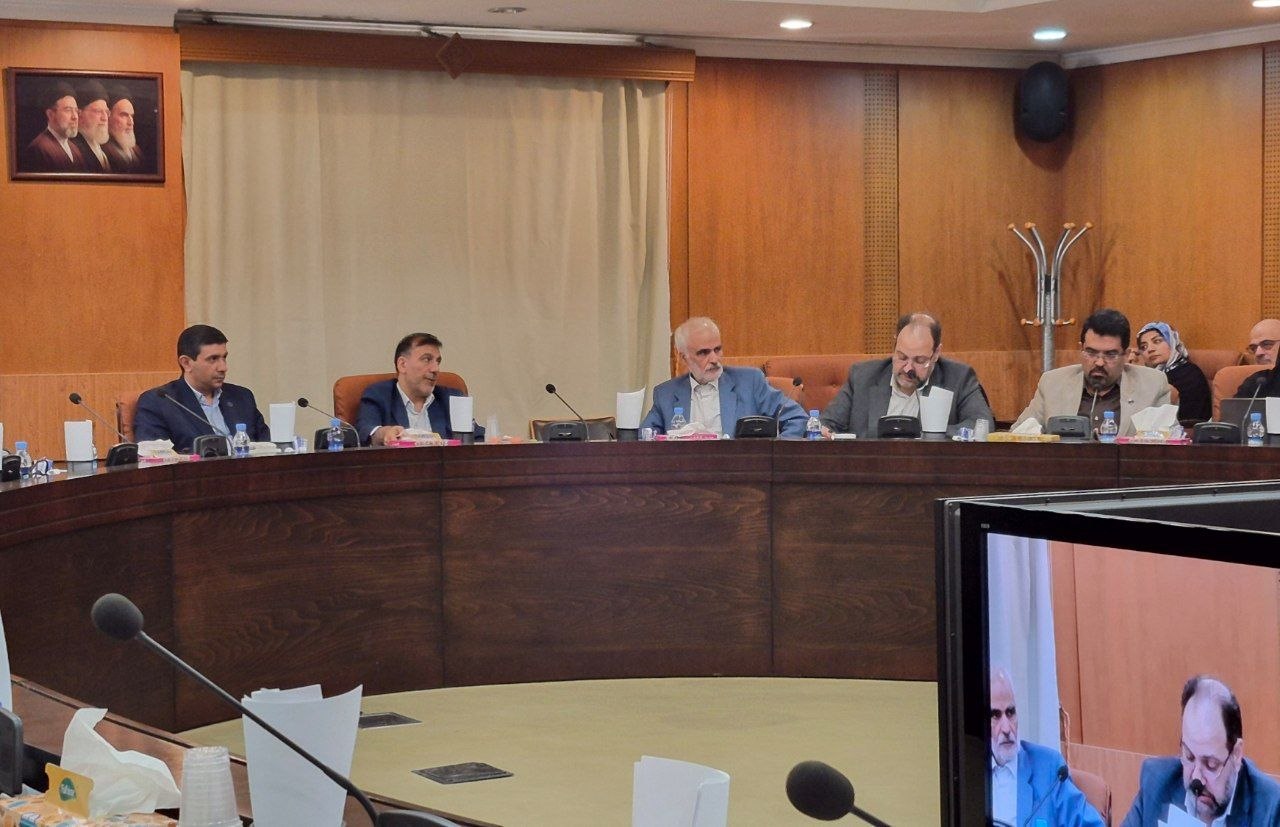
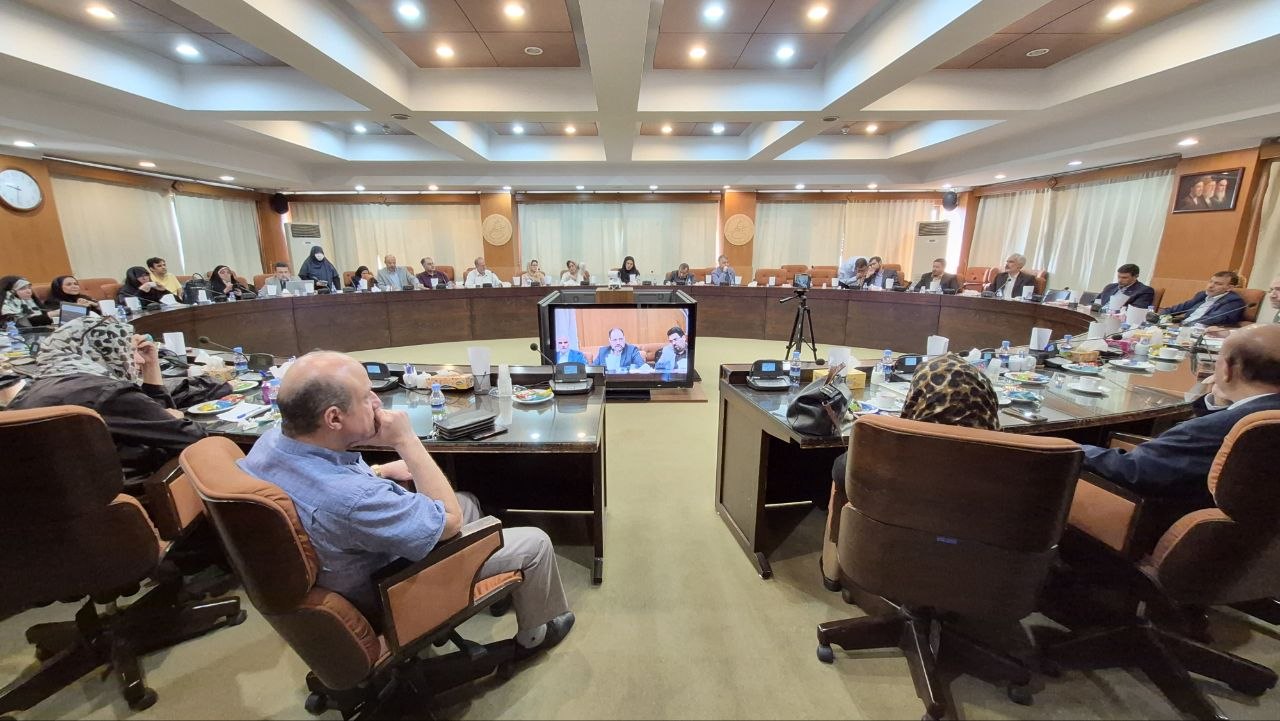
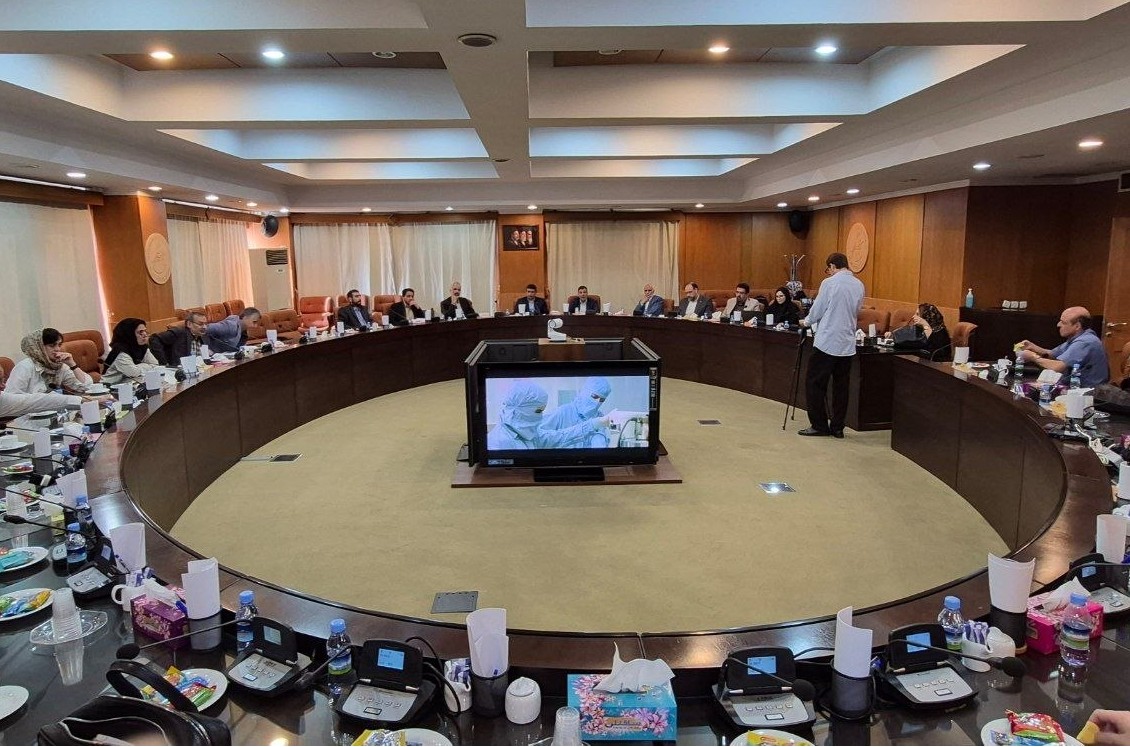
The specialized meeting entitled “Examining the Impact of the Second and Third Imposed Wars on the Infrastructure and Human Resources of the Health System” was held on Tuesday, 20 October 2026, at the General Assembly Hall of the Academy of Medical Sciences. It was organized in collaboration with the UNESCO Chair in the History of Traditional Medicine, the UNESCO Chair in Bioethics, the Medical History Subgroup of the Academy of Medical Sciences, the UNESCO Chair in Human Rights, Peace and Democracy, and the Pasteur Institute of Iran, with the support of The Iranian National Commission for UNESCO.
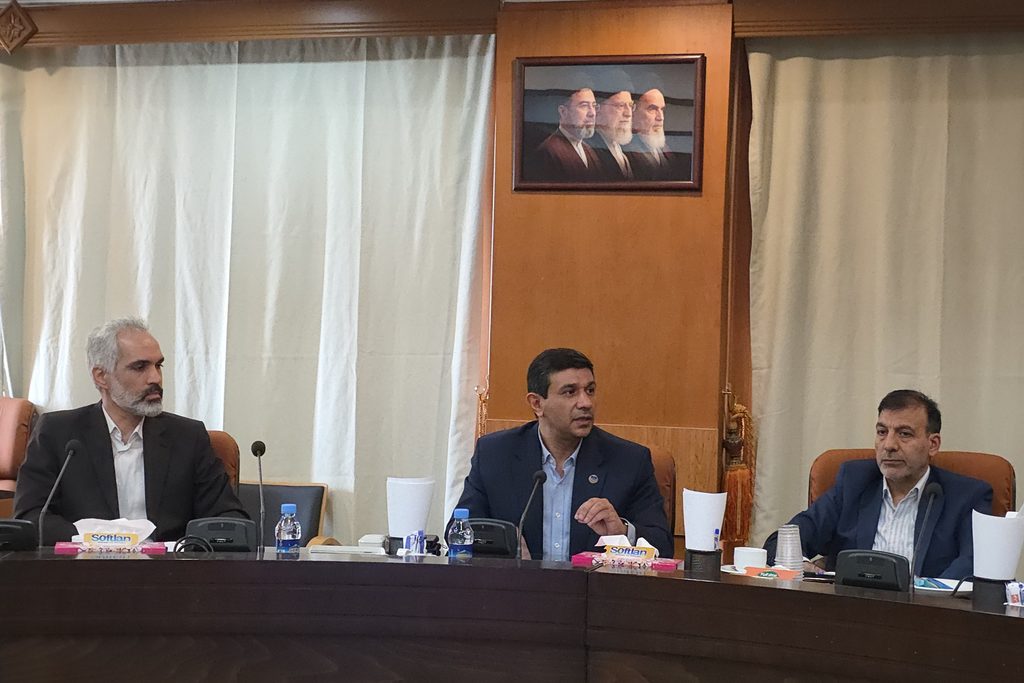
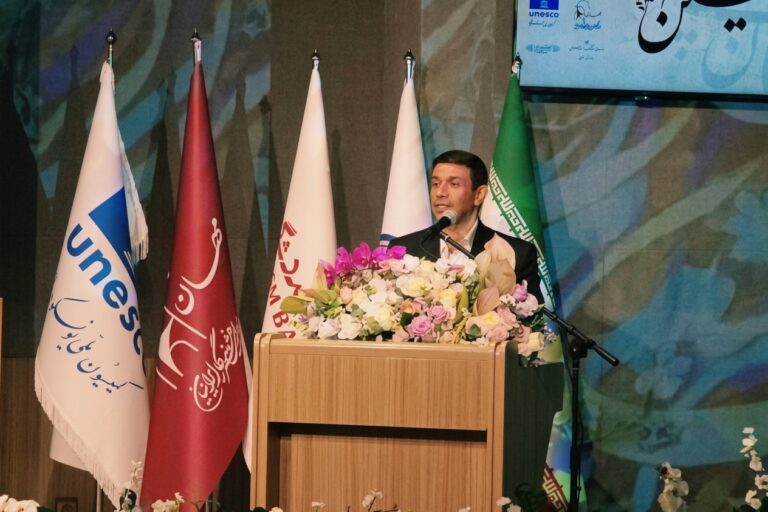
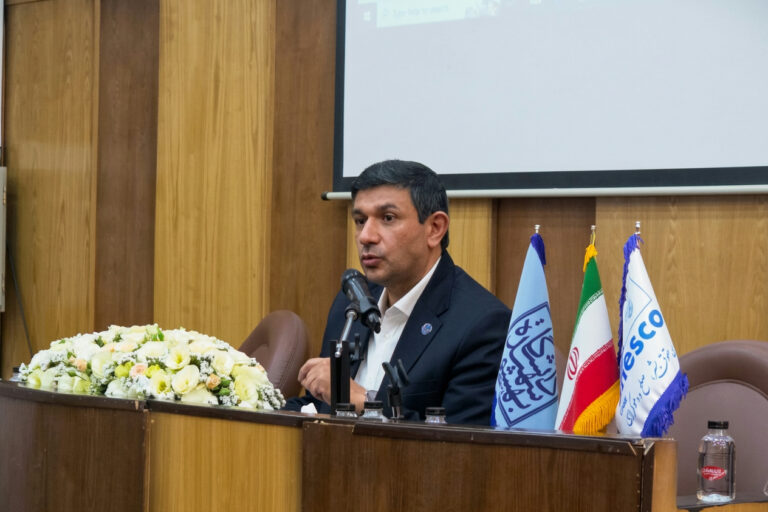
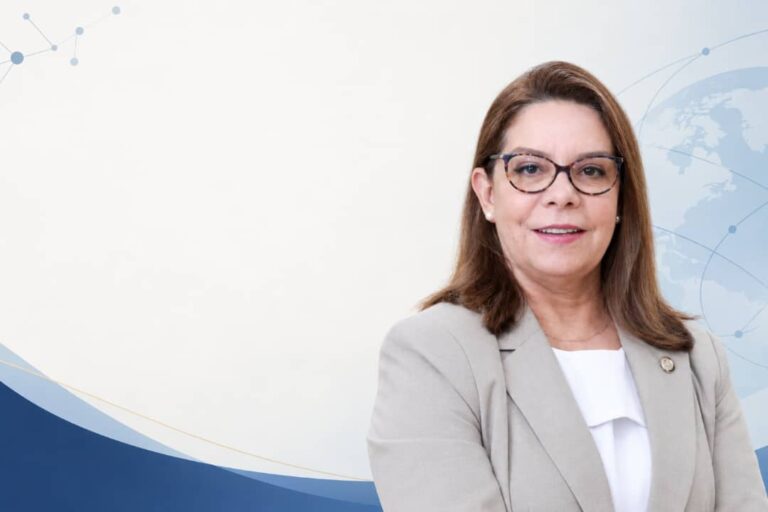
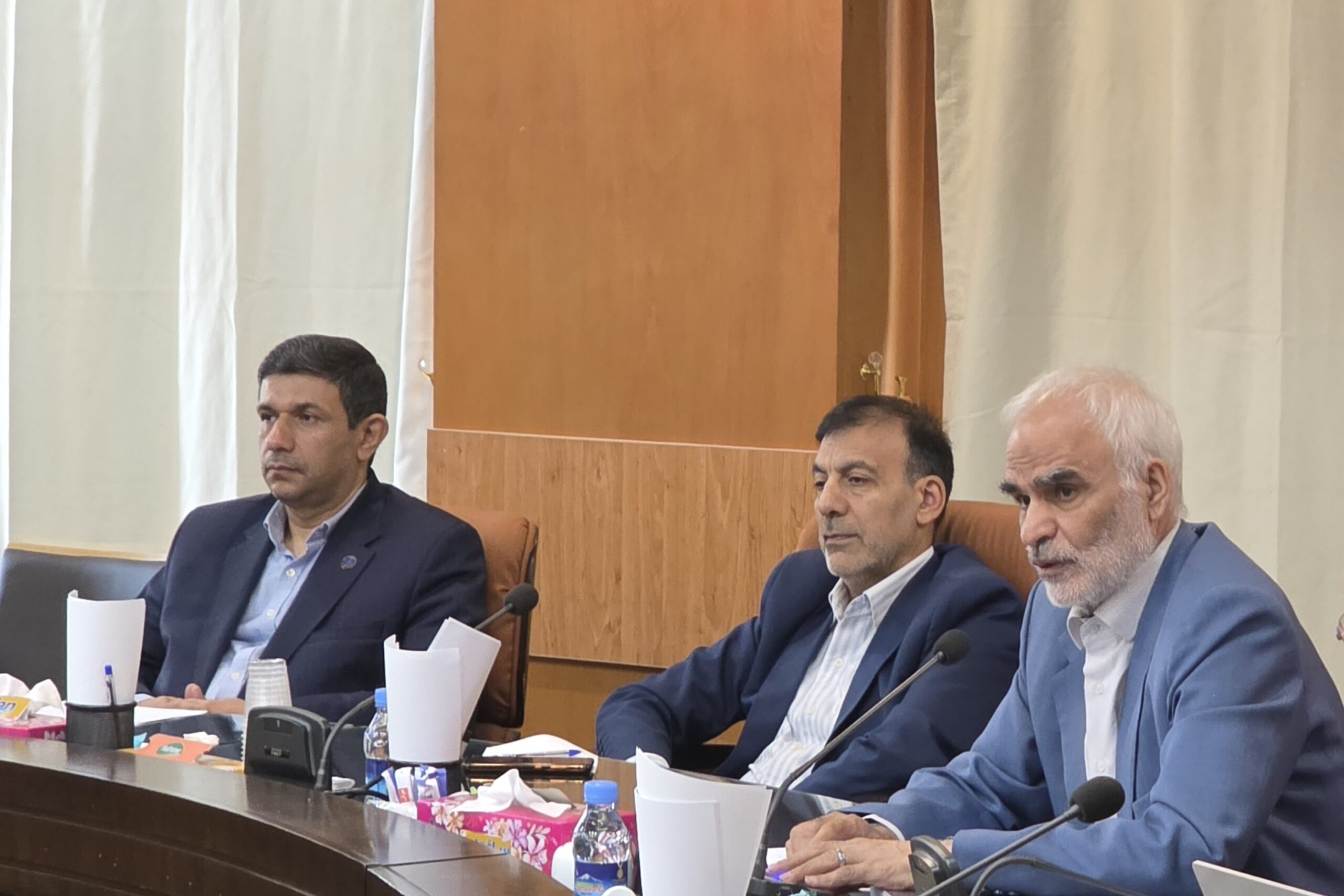
Dr. Hassan Fartousi, Secretary-General of The Iranian National Commission for UNESCO, was the opening speaker at the meeting, addressing the theme “Custodians of Science and Culture.”
Dr. Fartousi began his remarks by paying tribute to the martyrs, including Martyr Mohaqqeqi, the brother of Dr. Mohammad Ali Mohaqqeqi, Head of the UNESCO Chair in the History of Traditional Medicine.
The Secretary-General of The Iranian National Commission for UNESCO described human and civilizational assets as defining elements of national identity. Referring to the importance of physical health in human life, he noted that alongside belief in the unseen world and the afterlife, we must also appreciate the opportunity to live in the material world.
Speaking about how people’s priorities change under different circumstances, he explained that when individuals enjoy a certain level of well-being and livelihood security, and their basic concerns become less pressing, spiritual needs and attention to identity take on greater importance. Yet, despite the conditions of war and the threats to the physical and mental health, livelihoods and security of different groups, particularly children and adults, the people of Iran remain deeply concerned about protecting the country’s cultural heritage.
Documenting Damage to Cultural Heritage: A Foundation for Effective International Engagement
The Secretary-General of The Iranian National Commission for UNESCO highlighted the importance of making use of legal capacities and international mechanisms, particularly at a time when some international organizations and institutions are influenced by certain powers. He explained that public concern for the protection of cultural heritage had prompted The Iranian National Commission for UNESCO to document damage to cultural heritage in five cities and submit the findings to UNESCO, an initiative that elicited a timely response from the international organization.
Referring to his participation in a meeting of the Human Rights Council, where he presented a report on damage to civilian infrastructure, healthcare facilities and medical personnel, he added that the health and safety of scientists had also been addressed, in light of UNESCO’s emphasis on the freedom and security of scientists.
Scientific and Cultural Diplomacy: A Capacity for Strengthening Peace and Preparedness for Crises
In conclusion, Dr. Fartousi emphasized the need to draw on the experiences and consequences of war to improve preparedness for future crises. He described the scientific and cultural diplomacy capacities of The Iranian National Commission for UNESCO as a platform for translating national documentation efforts into effective international engagement. He also stressed the importance of strengthening synergies with international mechanisms to bring the war to an end and establish peace.
In other sessions, speakers addressed a range of topics, including “The Activities of the Academy of Medical Sciences and the UNESCO Chair in Traditional Medicine During the Third Imposed War”; “Ethics in Crises, War and Disasters”; “Attacks on Healthcare Systems in Armed Conflicts”; “The Impact of the Third Imposed War on the Activities of the Pasteur Institute of Iran”; “The Impact of the Third Imposed War on the Medicine Supply and Distribution Chain”; “War and Historical Lessons Learned: National Resilience and Foresight”; “Attacks on Healthcare, Scientific, Educational and Cultural Centers in the Light of International Humanitarian Law”; and “Selected Impacts of the Second and Third Imposed Wars on the Infrastructure and Human Resources of the Health System.”
The specialized meeting featured presentations by Dr. Hassan Fartousi, Secretary-General of The Iranian National Commission for UNESCO; Dr. Mohammad Ali Mohaqqeqi, Scientific Deputy of the Academy of Medical Sciences and Head of the UNESCO Chair in the History of Traditional Medicine; Dr. Mohammad Bagher Larijani, Head of the UNESCO Chair in Bioethics; Dr. Ehsan Mostafavi, President of the Pasteur Institute of Iran; Dr. Amirhossein Jamshidi, Head of the Office for Health Technology Development at the Ministry of Health and Medical Education’s Deputy for Research and Technology and Head of the Medical History Subgroup; Dr. Mahmoud Abbasi, Head of the International Think Tank on Human Dignity; Dr. Mehdi Sabouri Pour, Head of the UNESCO Chair in Human Rights, Peace and Democracy; Dr. Jalil Arab Kheradmand, member of the Research Institute for Military Medicine, Relief and Rescue; and Dr. Mohammad Sadr, PhD in Medical History.