

Shiraz: A City on the Path of Cultural Diplomacy and Modern Civilizational Development
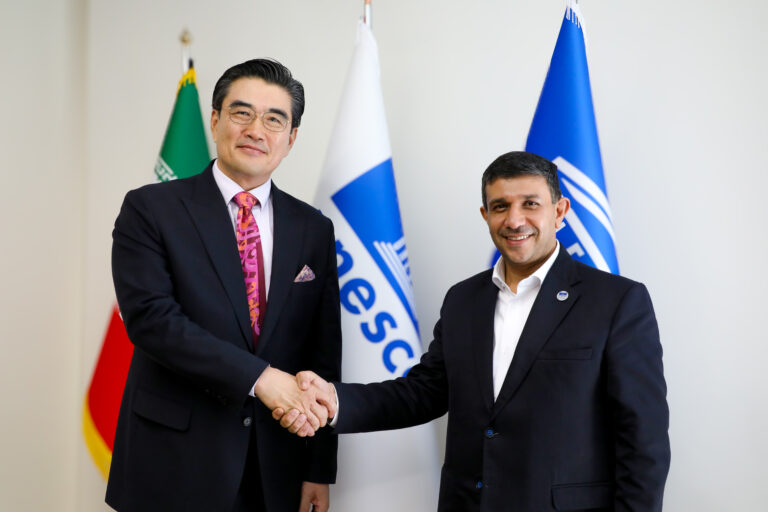
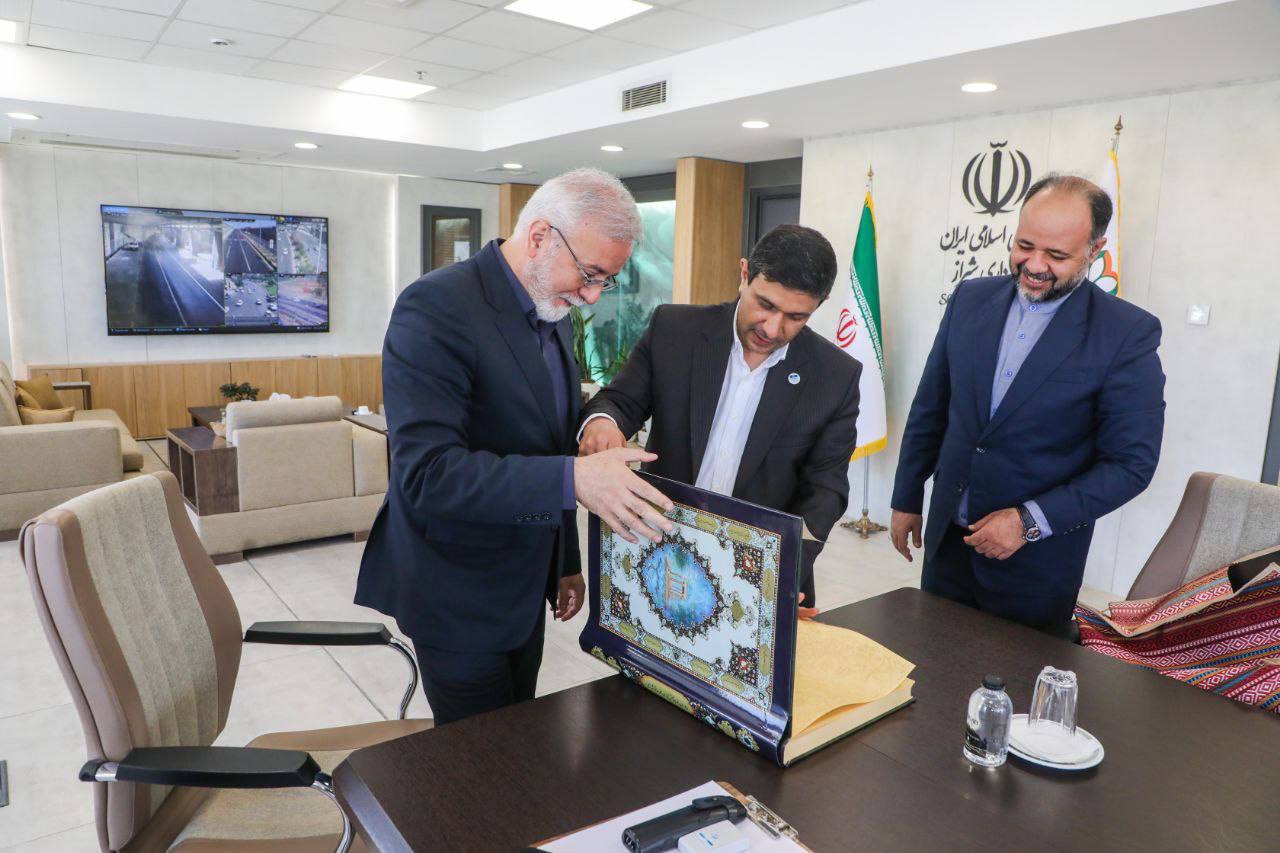
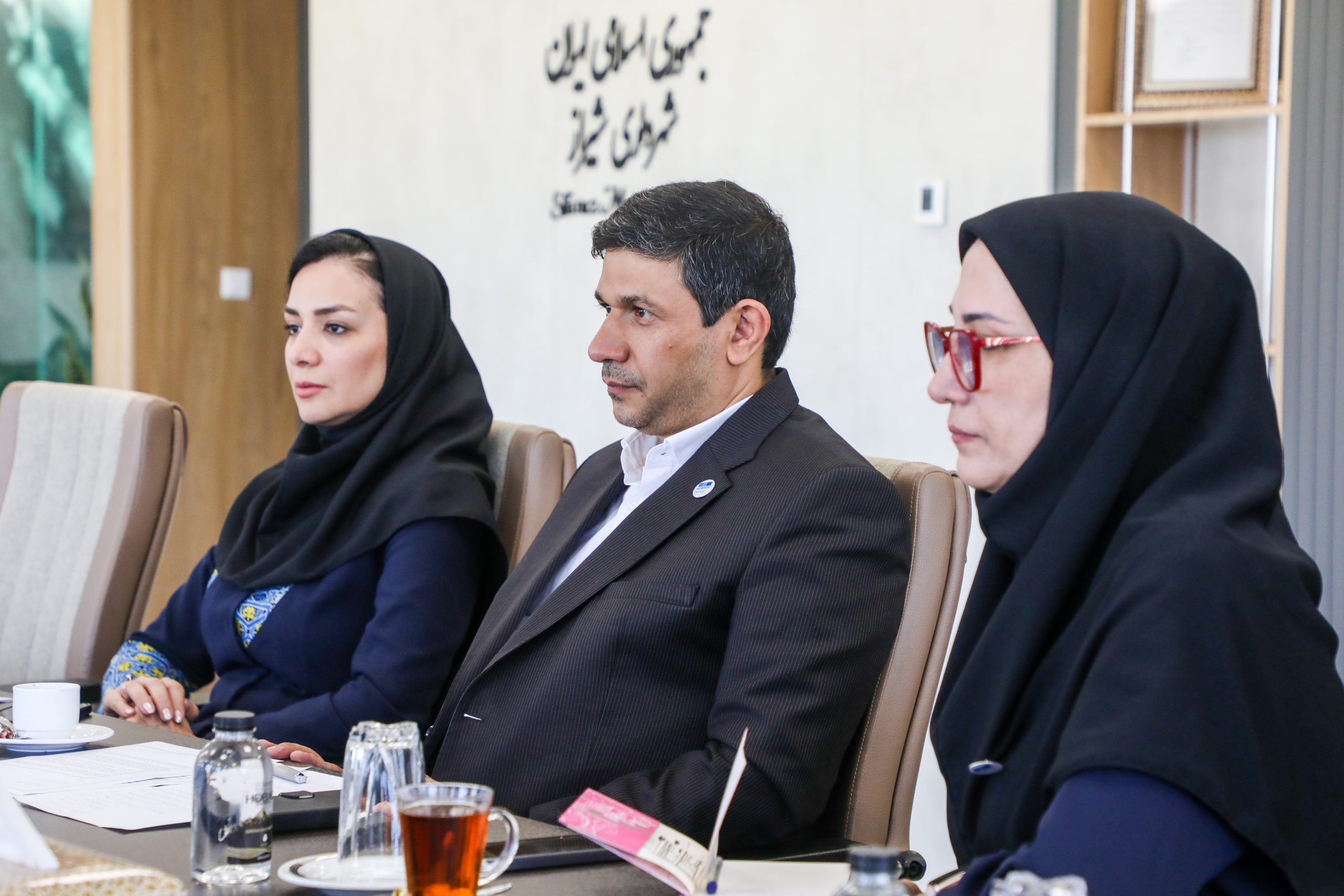
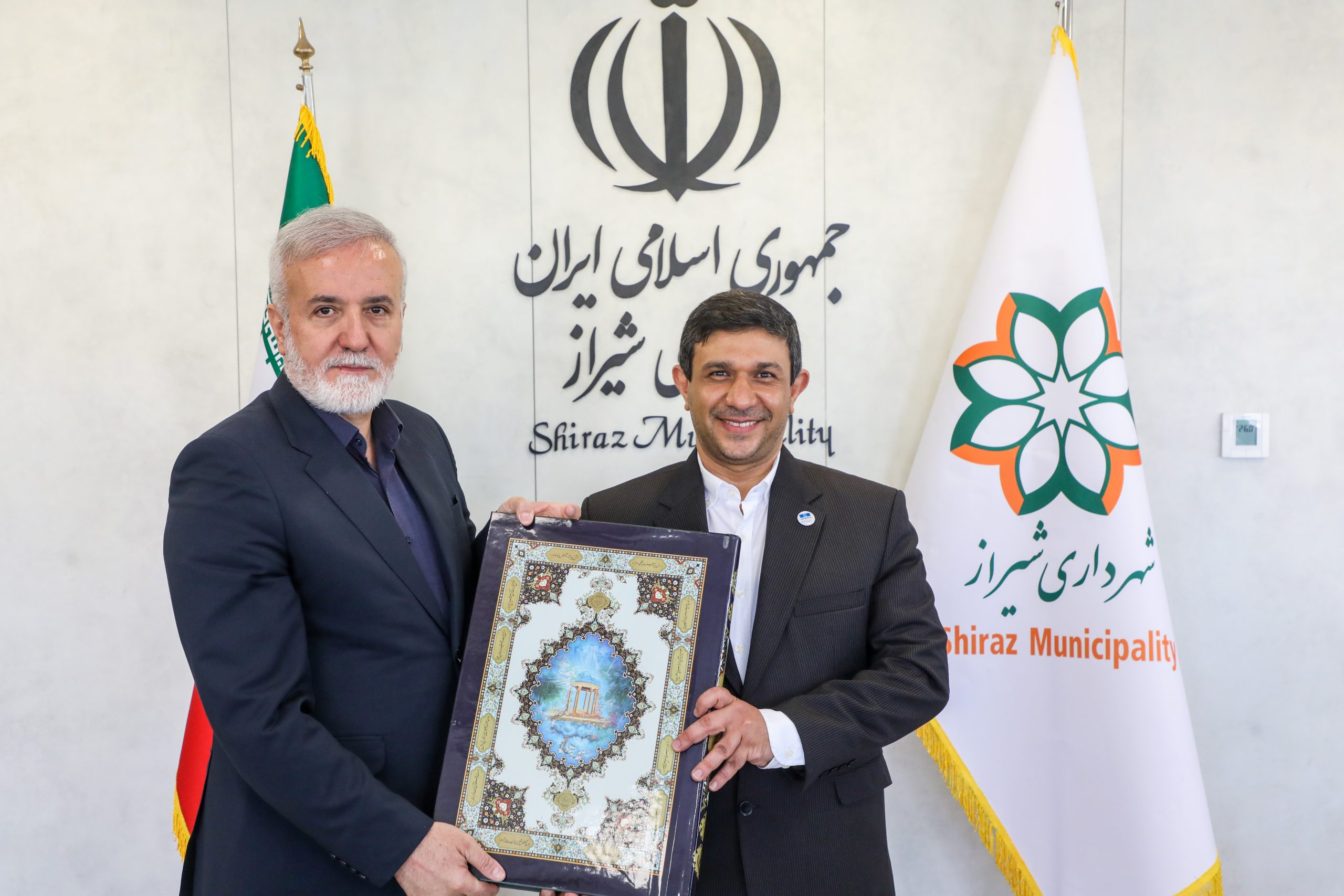
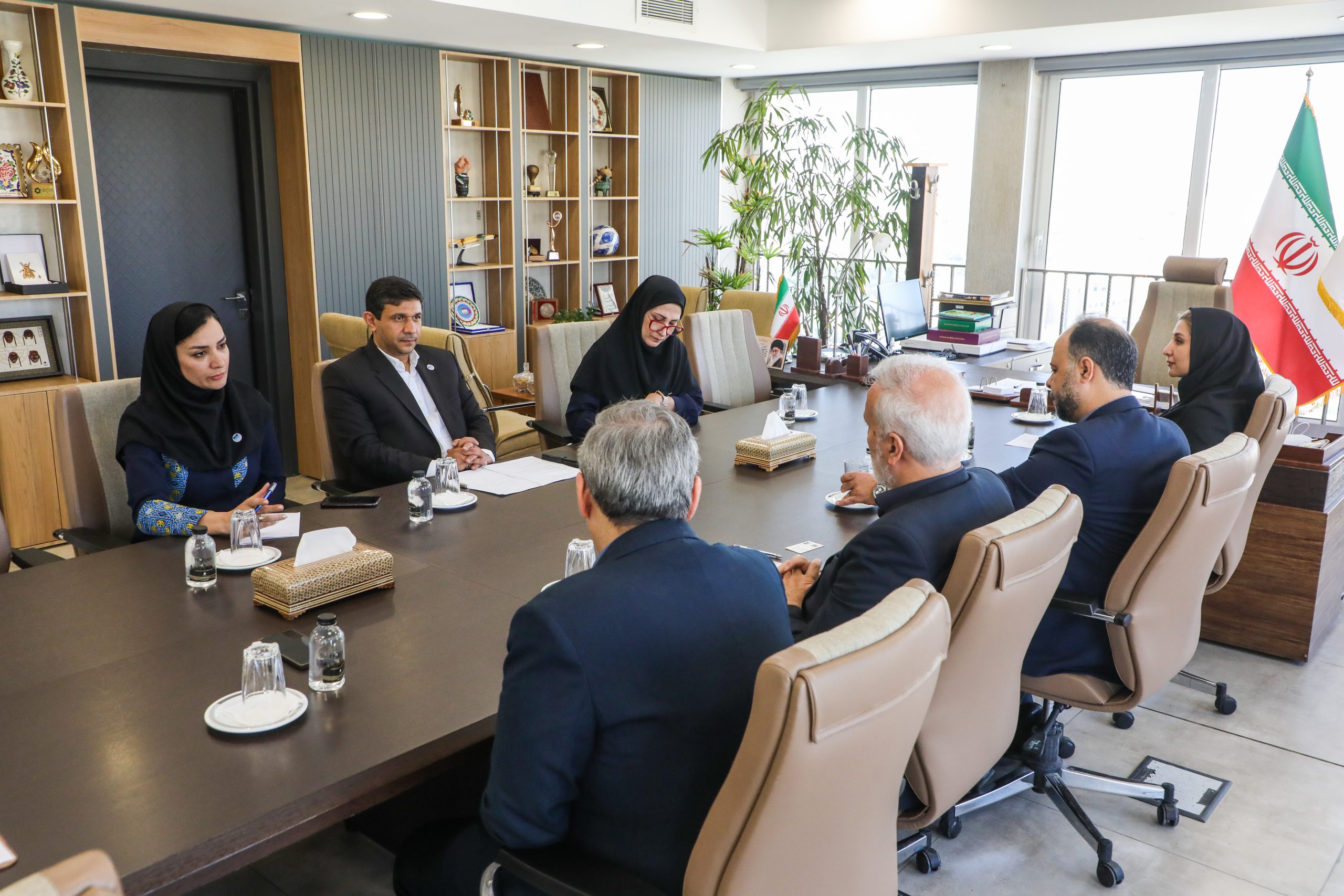
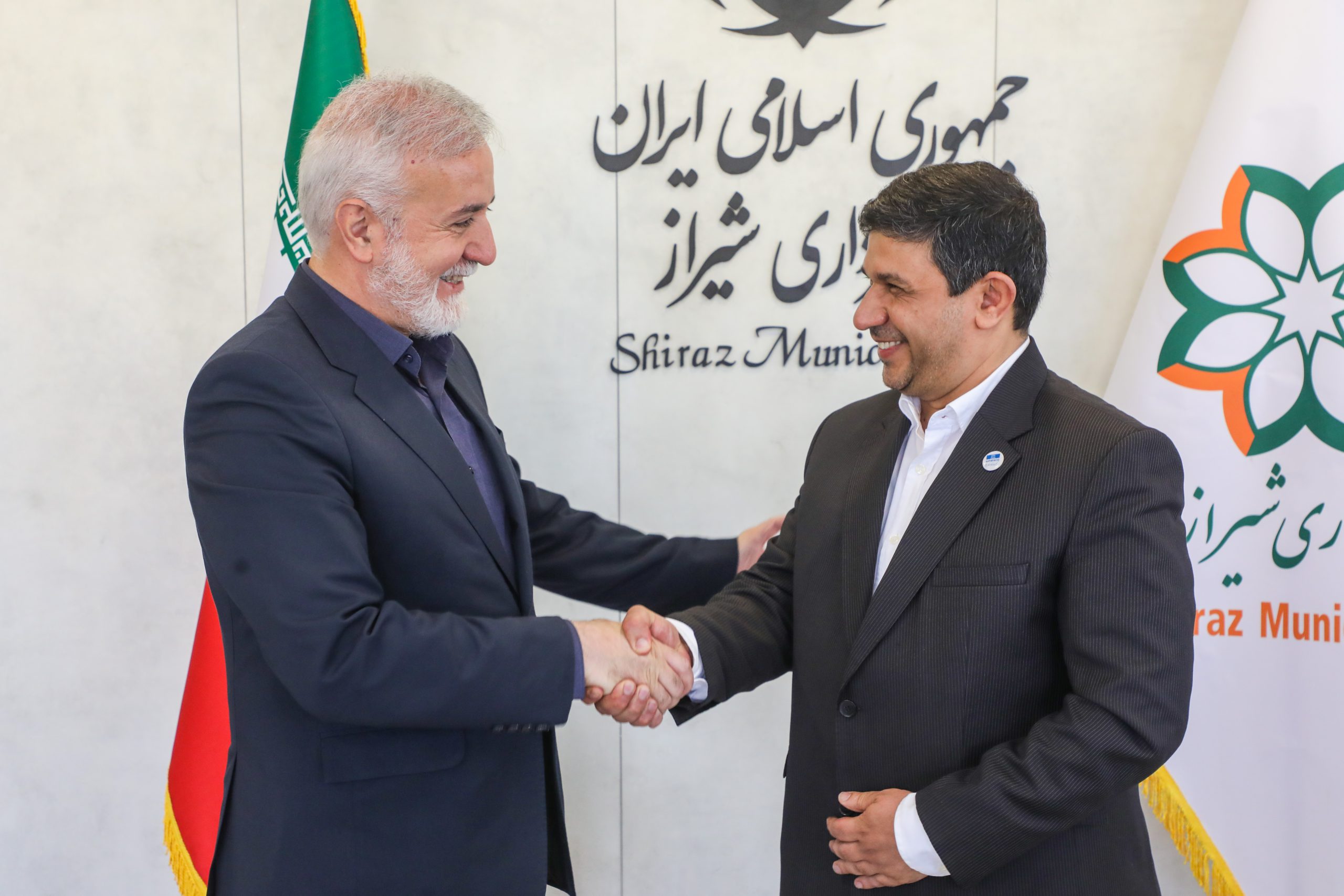
| Dr. Hasan Fartousi: Shiraz Is a Historic Model of Urban Diplomacy That Can Today Shine as a Hub for Dialogue among Civilizations and Peace As international events marking Shiraz Week approach, Dr. Hasan Fartousi, Secretary-General of the Iranian National Commission for UNESCO, emphasized Shiraz’s prominent position in cultural diplomacy, world heritage and sustainable development during a meeting with Mohammad-Hassan Asadi, Mayor of the Metropolis of Shiraz and a member of the Metropolis Board of Directors. |
Shiraz: A Symbol of Wisdom and Peace Throughout History
During the meeting, Dr. Fartousi, referring to Shiraz’s unique position in the cultural memory of Iran and the world, stated: “Speaking of Shiraz means describing a part of the heart of Iranian civilization and thought; a city that has always been a place where culture, literature, art and wisdom have been born and flourished.” He added: “Urban diplomacy in Shiraz has a historical significance that has endured even during difficult and critical periods.”
He continued: “The ancestors of the people of Shiraz, during one of the most critical periods in history, at the time of the Mongol invasion, preserved the existence and cultural identity of this city through prudence and wisdom. The outcome of that foresight is the Shiraz that was a refuge at that time and is today a source of inspiration for artists, advocates of peace and thinkers.”
Shiraz’s Link with UNESCO’s Global City Networks
The Secretary-General of the Iranian National Commission for UNESCO, referring to Shiraz’s membership in the UNESCO Global Network of Learning Cities and its efforts to join the UNESCO Creative Cities Network, said: “In recent years, Shiraz has followed a remarkable and commendable path of growth.”
He continued: “At the Iranian National Commission for UNESCO, we maintain close cooperation with Shiraz, and we believe that this city can become a model for other cultural cities in the region.”
Global Requirements for Shiraz’s Cultural Development
In another part of his remarks, Dr. Fartousi emphasized the need to accede to international conventions concerning the intellectual rights of artists and writers and cultural heritage, stating: “Alongside its unparalleled cultural and civilizational heritage, Shiraz must also strengthen its global standing in the fields of intellectual rights and the cultural economy. Without participation in these international legal frameworks, it cannot be expected that the culture of this city will be redefined and supported on the global stage.”
The Zand Complex: A Heritage for the Global Future
Referring to the process of revitalizing the historic Zand Complex, he said: “The inscription of such complexes on the World Heritage List is not merely a symbolic measure; rather, it is a step towards consolidating cultural assets as part of the path to sustainable development. At UNESCO, we have a commitment that extends beyond borders to preserving and enhancing the cultural heritage of cities such as Shiraz.”
Shiraz: Successful in Urban Diplomacy
During the meeting, Mohammad-Hassan Asadi, Mayor of Shiraz, presented a report on the city’s cultural, tourism and sustainable urban development projects and spoke about Shiraz’s extensive programs in the field of urban diplomacy. He stated: “Shiraz is the only Asian representative in the development of the Metropolis strategic plan, and its presence on the Board of Directors of this international organization demonstrates the city’s capacity for active diplomacy at the global level.”
Asadi, referring to the organization of Shiraz Week with the participation of representatives from 14 countries, added: “This event demonstrated that Shiraz can serve as a centre for international cultural engagement and a platform for promoting peace and dialogue.”
Investment in Culture, the Environment and the Revitalization of Historical Identity
The Mayor of Shiraz went on to report on the progress of cultural projects, including the revitalization of Karim Khan Citadel, Toopkhaneh Square, the reopening of the Zand Divankhaneh and other heritage projects, saying: “These projects are bridges between the past and the future; they are investments in the city’s future identity.”
He also referred to environmental and tourism projects, including the cable car, water park, amusement park and aquarium, emphasizing Shiraz’s vision for sustainable urban development. He noted: “As the environmental capital of Asia, Shiraz will serve as a model for green and culture-oriented urban development.”
At the conclusion of the meeting, the Secretary-General of the Iranian National Commission for UNESCO noted: “The emergence of figures such as Hafez, Saadi and Mulla Sadra in Shiraz is not merely a historical coincidence; rather, it is the result of the city’s distinctive cultural environment. The integration of philosophy, literature and art in Shiraz is an exemplary model.”