

UNESCO Director-General’s Message on the International Day for Disaster Risk Reduction: “Fund Resilience, Not Disasters”
| 13 October 2025 – Paris Audrey Azoulay, Director-General of the United Nations Educational, Scientific and Cultural Organization (UNESCO), issued a message on the occasion of the International Day for Disaster Risk Reduction, emphasizing the need to invest in resilience and preparedness before crises occur. She warned that the world is facing an unprecedented increase in natural disasters and their economic and human consequences. |
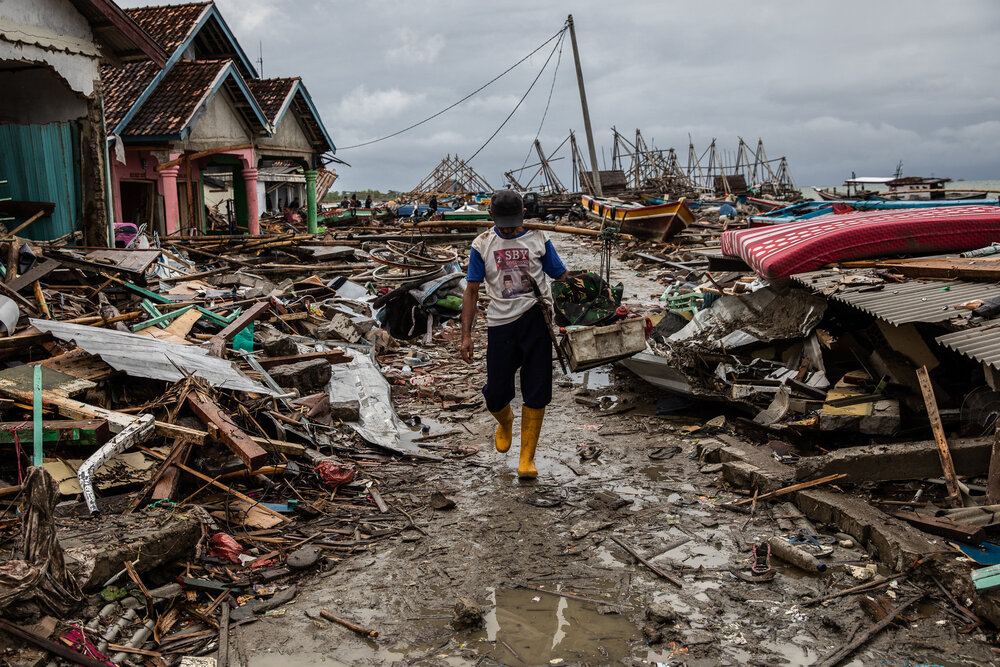
According to statistics provided by UNESCO, last year alone, 167 million people worldwide were affected by 393 recorded disasters, resulting in economic losses exceeding US$242 billion. When indirect and environmental damage is taken into account, the true cost of disasters is now estimated at more than US$2.3 trillion annually.
Referring to a series of natural disasters that have occurred since the beginning of 2025—from devastating floods in Pakistan and widespread wildfires in Asia to a powerful earthquake near Russia’s Kamchatka Peninsula—UNESCO Director-General Audrey Azoulay emphasized:
“No country is immune to disasters, and the cost of inaction continues to rise.”
Azoulay added that, as climate change intensifies the severity and frequency of natural disasters, communities worldwide face growing threats to human lives, livelihoods, cultural heritage and ecosystems. She stressed the need for countries to shift their approach from reactive responses to proactive investment in resilience.
This year’s theme for the International Day for Disaster Risk Reduction reflects this priority: “Fund Resilience, Not Disasters.”
According to the Director-General, UNESCO is working with its Member States and partners to develop early warning systems for hazards such as tsunamis, floods, droughts, earthquakes and landslides, with the aim of making these systems accessible to everyone worldwide by 2027.
Azoulay also highlighted the role of the Natural Sciences Emergency Fund, established earlier this year to enable rapid responses to disasters. To date, the fund has facilitated immediate interventions in countries such as Argentina and Myanmar, as well as in Pacific regions. By rapidly directing resources to crisis-affected areas, the fund helps reduce the impact of disasters, accelerate recovery and strengthen global resilience.