The First Meeting of the National Committee on Higher Education Held under the Iranian National Commission for UNESCO’s New Administration
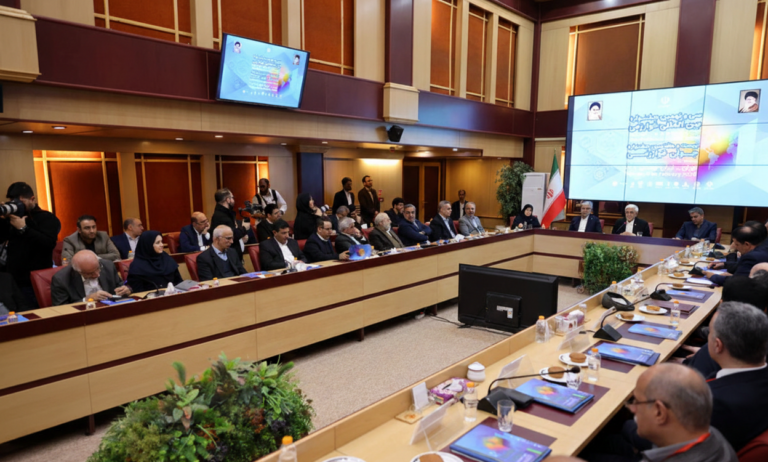
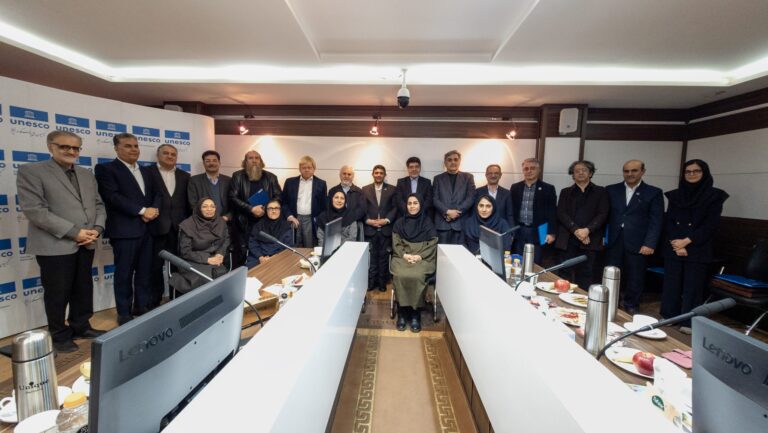
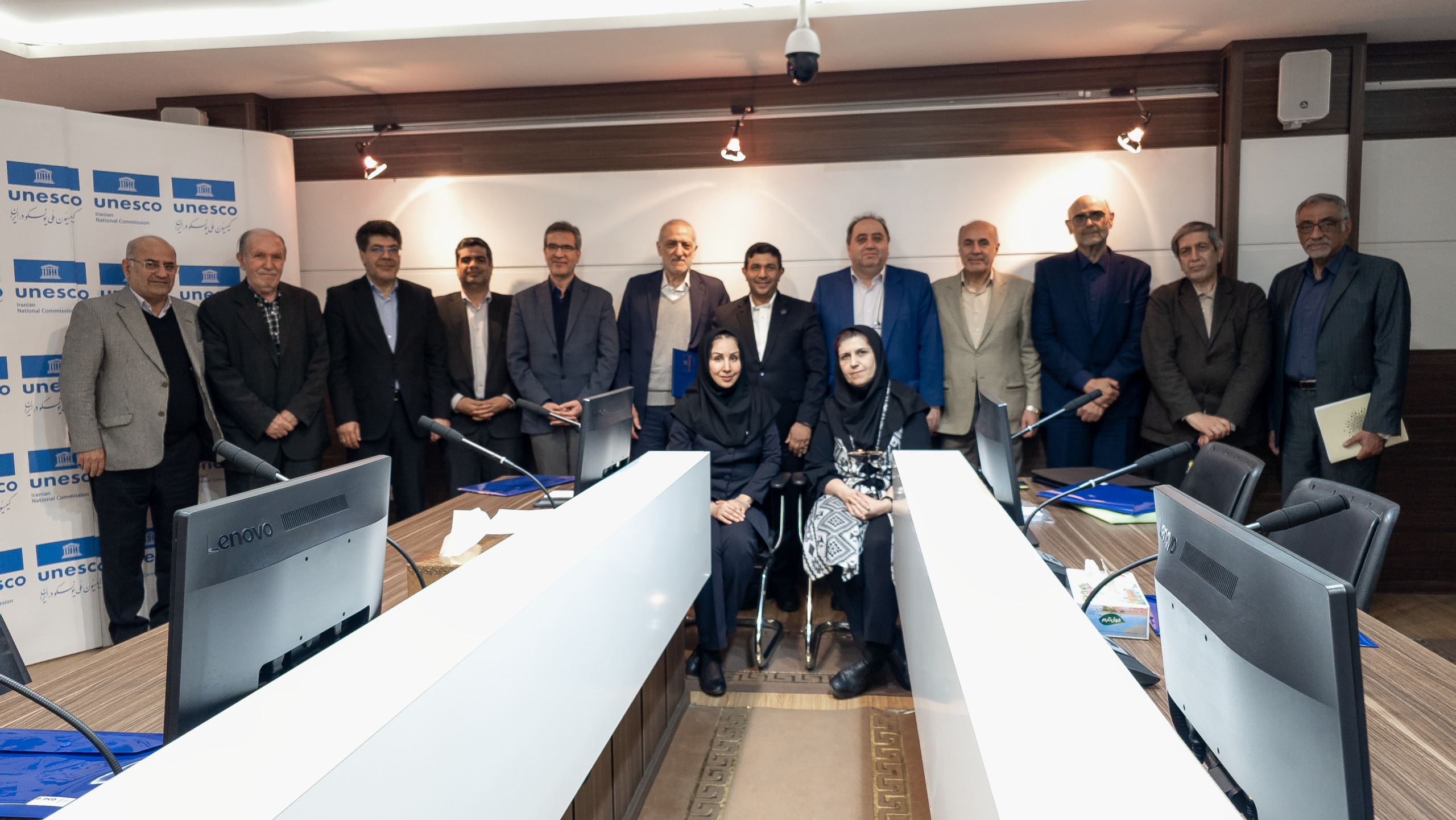
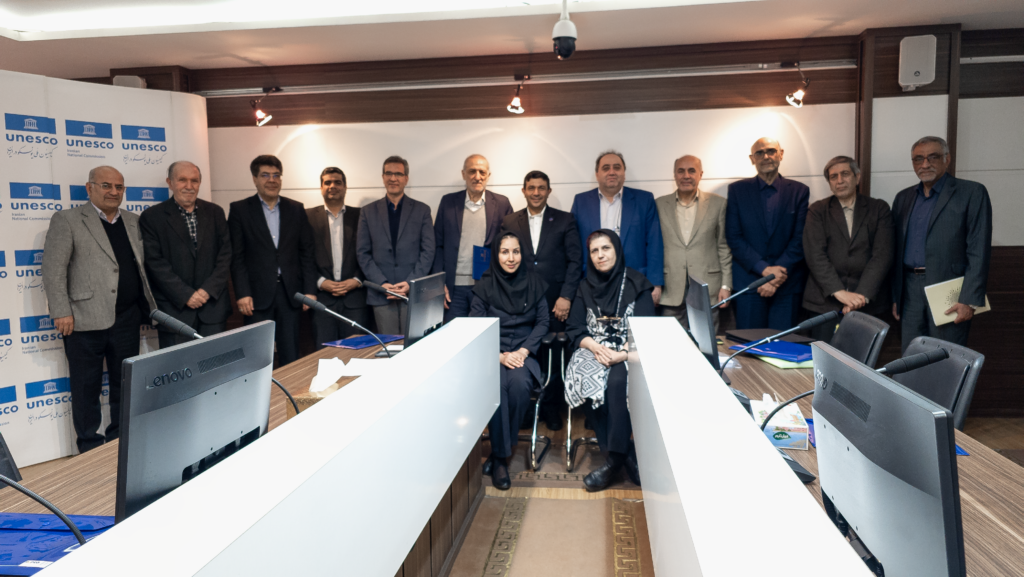
The first meeting of the National Committee for Higher Education under the new administration of the Iranian National Commission for UNESCO was held on 24 February 2026, with the participation of the Commission’s Secretary-General and a number of distinguished professors and scholars in the field of higher education in Iran. The meeting was attended by Dr. Hassan Fartousi, Secretary-General of the Iranian National Commission for UNESCO; Dr. Abolfazl Vahedi, Deputy Minister for Education at the Ministry of Science, Research and Technology; Dr. Seyed Mohammad Abtahi, Deputy Minister for Research at the Ministry of Science, Research and Technology; Dr. Saeed Habiba, Deputy Minister and Head of the Student Affairs Organization of the Ministry of Science, Research and Technology; Dr. Alireza Ladan-Moghadam, Deputy for Educational and Skills Sciences at Islamic Azad University; Dr. Seyed Mohammad Sadati-Nejad, Director-General of Specialized International Organizations at the Ministry of Foreign Affairs; and Zahra Pourhadi, Head of the Education Group at the Iranian National Commission for UNESCO, as ex officio members of the Committee. The meeting was also attended by Dr. Jafar Tofighi, Dr. Ebrahim Salehi Omran, Dr. Hassan Zohour, Dr. Gholamreza Zarifian, Dr. Kourosh Fathi Vajargah, Dr. Rita Mojtahedzadeh, and Dr. Saeed Ghiasi Nadoshan as appointed members. |
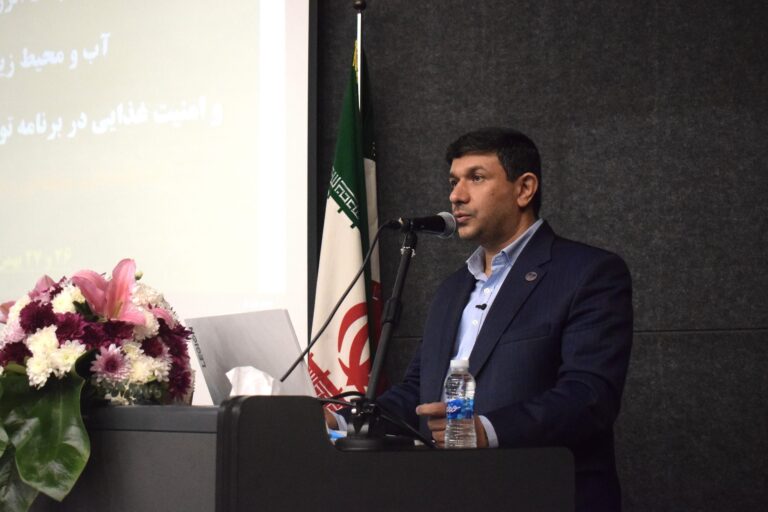
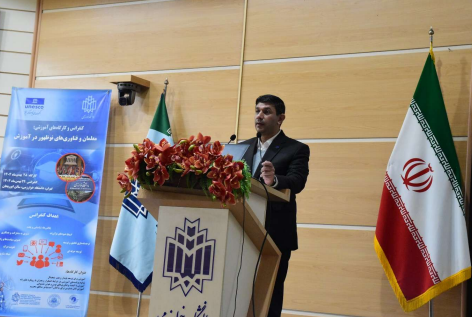
At the meeting, Dr. Hassan Fartousi, Secretary-General of the Iranian National Commission for UNESCO, outlined the Commission’s new approaches and emphasized the need to reinterpret UNESCO’s mandates, further revitalize the activities of the National Commission, and make the fullest possible use of the country’s higher education capacities to advance scientific and educational diplomacy.
Redesigning Committees with a Transformative Approach
Referring to the several-year hiatus in the regular meetings of national committees, the Secretary-General of the Iranian National Commission for UNESCO stated that, under the new administration, efforts had been made to redesign the committees’ structures and regulations by assessing past shortcomings and studying the achievements of other national commissions. He added that the National Committee for Higher Education had been established along the same lines, with the aim of improving efficiency, facilitating cooperation, and strengthening the coordinating role of the National Commission.
In outlining the priorities of the new administration, Fartousi highlighted the Iranian National Commission for UNESCO’s three overarching objectives, noting that addressing development challenges and the country’s actual needs had been placed at the forefront of its programs. He continued that the Commission sought to design and implement specific, effective operational programs through a decentralized and convention-based approach. He also emphasized that enhancing the Islamic Republic of Iran’s role in international scientific networking and agenda-setting was another strategic objective of the current administration.
Fartousi stressed that restoring the National Commission for UNESCO’s position as a trusted national authority and strengthening its facilitative activities were among the institution’s key priorities.
Emphasis on Active Participation in UNESCO Programs and Conventions
Presenting a report on the Commission’s performance over the past year, the Secretary-General stated that the Islamic Republic of Iran was involved in 59 UNESCO programs and participated in 37 support programs. He added that Iran had also undertaken eight joint programs with UNESCO in 2025, three of which were in the field of education.
He identified securing approximately USD 7 million to equip the Training of Trainers Center of the Technical and Vocational Training Organization of Iran, as well as advancing a project to empower Afghan women through education, among the Commission’s major achievements.
In another part of his remarks, Fartousi stressed the need for Iran to actively join conventions related to the recognition of academic qualifications. He noted that failure to participate in international processes from the outset would mean losing opportunities to influence their outcomes.
Challenges and the Need for Synergy in UNESCO Chairs and Centers
Referring to the 20 UNESCO Chairs in Iran, six of which are in the field of education, the Secretary-General emphasized the importance of interaction between universities and the National Commission. He explained that UNESCO does not grant final approval to Chairs without a recommendation from the National Commission, making synergy between universities and the Commission a strategic necessity.
He also noted that Iran currently has no UNESCO Category 2 centers in the field of education and expressed hope that cooperation with the relevant ministries would pave the way for establishing an international education center in the country.
Setting National Priorities for Higher Education
Continuing the discussion, the Secretary-General outlined the proposed education priorities for 2026 . He identified educational equity, with a particular focus on women’s education, as well as strengthening industry–university ties and closer links between the education system and the labor market, as key priorities for UNESCO’s higher education programs. He noted that these measures could contribute to improving employability and emphasized the need to expand digital education and harness emerging technologies.
Education for sustainable development, continuity of education in crisis situations, education for people with special needs, and access to education for residents of underserved areas were also highlighted as priorities.
Fartousi further referred to efforts to revitalize the network of UNESCO-associated schools and noted that the cities of Maragheh and Kermanshah had joined the UNESCO Global Network of Learning Cities, describing this development as an opportunity to strengthen international engagement.
At the conclusion of the meeting, members voted to elect Dr. Abolfazl Vahedi, Deputy Minister for Education at the Ministry of Science, Research and Technology, as Chair of the National Committee on Higher Education, and Dr. Ebrahim Salehi Omran as Vice-Chair.
In his remarks, Dr. Vahedi thanked the members for their confidence and emphasized the importance of leveraging the Committee’s capacities to advance smart education, establish centers of excellence in education, and strengthen the accreditation system for higher education institutions.
Dr. Jafar Tofighi, an appointed member of the Committee, also highlighted the challenge of Iranian researchers’ scientific articles being rejected by certain international journals and called for the issue to be pursued through UNESCO’s capacities.
Emphasizing the Committee’s advisory and strategic role, the Secretary-General expressed hope that regular meetings and the engagement of leading experts would usher in a new era of effective interaction between Iran’s higher education sector and UNESCO.
At the end of the meeting, the appointment decrees for the Committee’s appointed members, signed by the Minister of Science, Research and Technology and the Chair of the Iranian National Commission for UNESCO, were presented to the members.
It is worth noting that other members of the Committee include Dr. Tahereh Changiz, Deputy Minister for Education at the Ministry of Health and Medical Education; Dr. Alireza Monadi Sefidan, Chair of the Education Committee of the Islamic Consultative Assembly; Dr. Reza Avazpour, Head of Higher Education, Research and Technology Affairs at the Plan and Budget Organization of Iran; Dr. Mohammad Hossein Sheikhi, Head of the Research Institute for Information and Communication Technology at the Ministry of Information and Communications Technology; and Dr. Mohammad Yamani Dozi Sorkhabi. These members were unable to attend the meeting despite having been notified in advance.