The First Community-Based Educational Workshop on Sustainable Development on Hormuz Island Held with the Participation of the Secretary-General of the Iranian National Commission for UNESCO
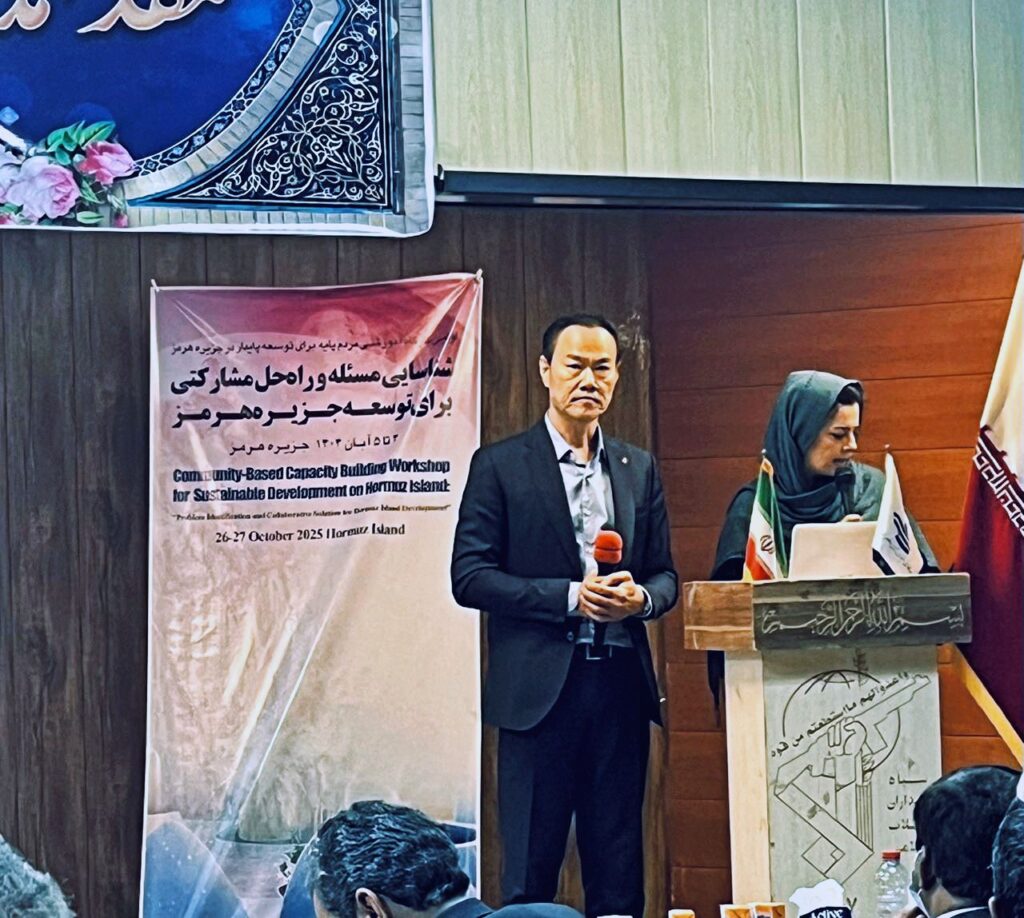
The first community-based educational workshop, entitled “Identifying Issues and Developing Participatory Solutions for the Development of Hormuz Island,” was held on 26 and 27 October 2025. Organized in collaboration with the Iranian National Commission for UNESCO, the UNESCO Tehran Office, the National Institute for Oceanography and Atmospheric Sciences, and the Hormozgan Governorate, the workshop focused on sustainable tourism development, protecting the island’s fragile ecosystem, and strengthening the local economy. |
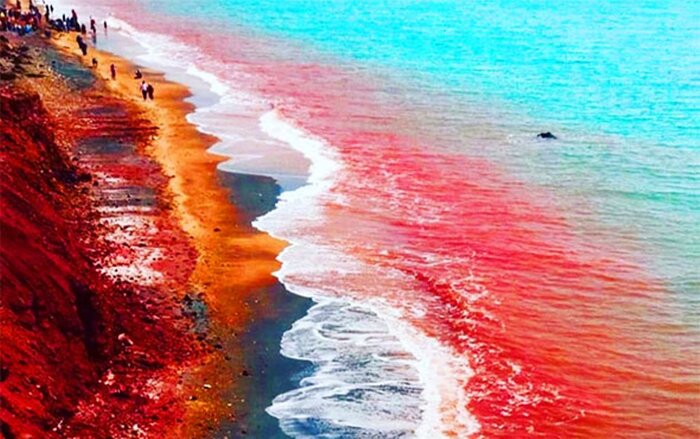
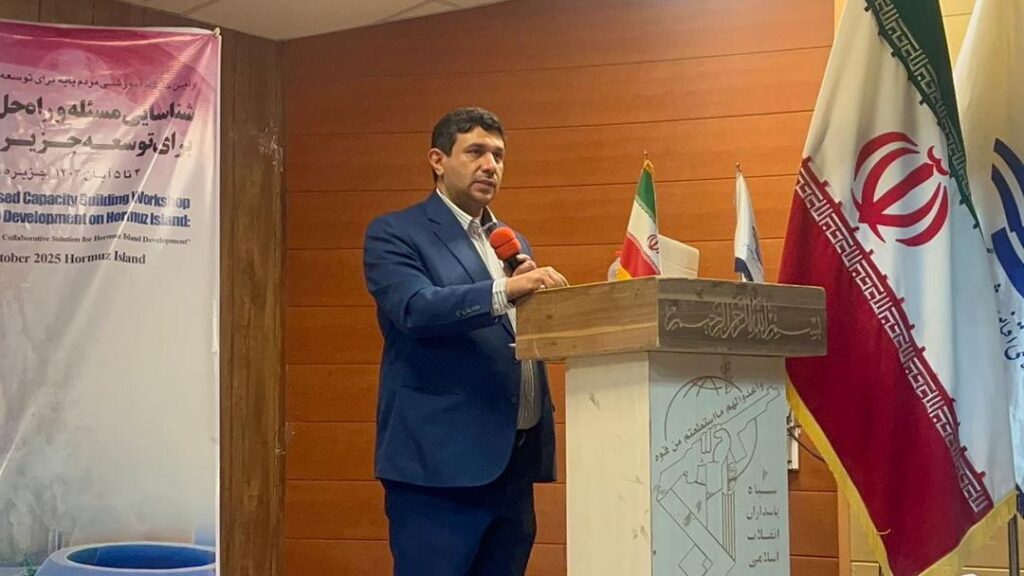
Dr. Hassan Fartousi, Secretary-General of the Iranian National Commission for UNESCO and one of the speakers at the workshop’s opening session, described Hormuz Island, with its breathtaking natural beauty and rich indigenous culture, as part of Iran’s national and global identity. He emphasized the need for development that respects cultural values and protects the environment.
He introduced UNESCO as an international organization whose mission is to promote education, culture, science, and sustainable development, adding: “Sustainable development cannot be achieved without the active participation of local people. Local communities are the best guardians of their natural and cultural resources. Their indigenous knowledge, experience, and deep sense of belonging to their land enable them to play a leading role in identifying challenges and finding effective solutions.”
UNESCO’s Support for the Sustainable Development of Hormuz Island
The Secretary-General of the Iranian National Commission for UNESCO announced that the Commission stands ready to cooperate on an ongoing basis with local communities, local institutions, government agencies, and the private sector to advance sustainable development projects on Hormuz Island. This cooperation may include educational support, the transfer of technical knowledge, promoting a culture of environmental protection, empowering women and young people, and developing responsible tourism.
Dr. Fartousi added: “We believe that only through solidarity, continuous engagement, and synergies among all local and national stakeholders can we build a bright, healthy, and sustainable future for Hormuz Island. As an institution supporting sustainable development, UNESCO is committed to drawing on its international capacities and scientific networks to improve the quality of life on Hormuz.”
Sahar Ahmadizadeh, Head of the Science Department at the Iranian National Commission for UNESCO, also spoke at the workshop, explaining how to join the UNESCO Global Geoparks Network and familiarizing participants with the scientific and international capacities and opportunities offered by the network.
The second day of the workshop was conducted in a participatory format. With the support of facilitators, participants worked in three separate groups to identify the island’s challenges, their root causes, and their consequences.
At future workshops, potential solutions will be identified and their implementation discussed and examined to ensure that the development of Hormuz Island proceeds with the active participation of the local community and in accordance with sustainability principles.