Audrey Azoulay Emphasizes the Preparedness and Resilience of Coastal Communities in the Face of Tsunamis
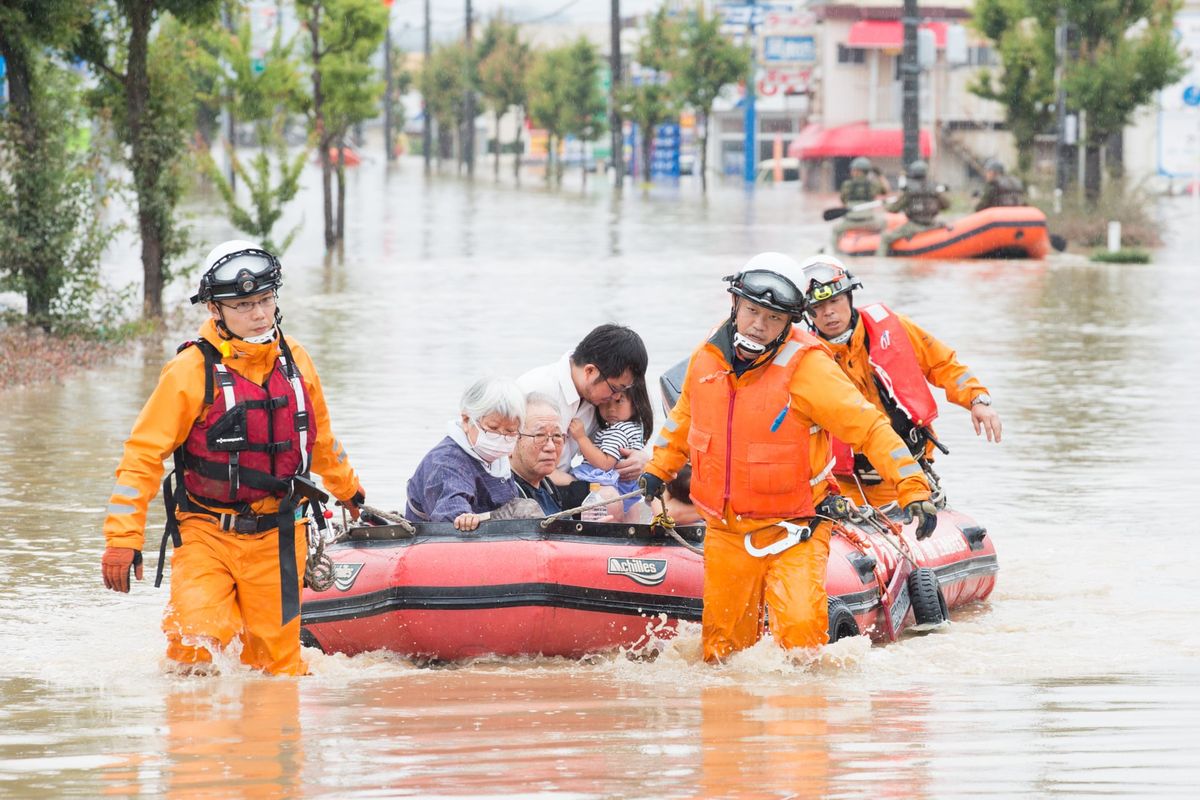
| In her message marking World Tsunami Awareness Day, Audrey Azoulay, Director-General of the United Nations Educational, Scientific and Cultural Organization (UNESCO), emphasized the importance of preparedness and strengthening the resilience of coastal communities to tsunami hazards. Highlighting the growing threats posed by rising sea levels and intensifying weather events, she stressed that strengthening early warning systems and educating local communities play a vital role in saving lives. |
Message from Ms. Audrey Azoulay, Director-General of UNESCO
On the Occasion of World Tsunami Awareness Day
5 November 2025
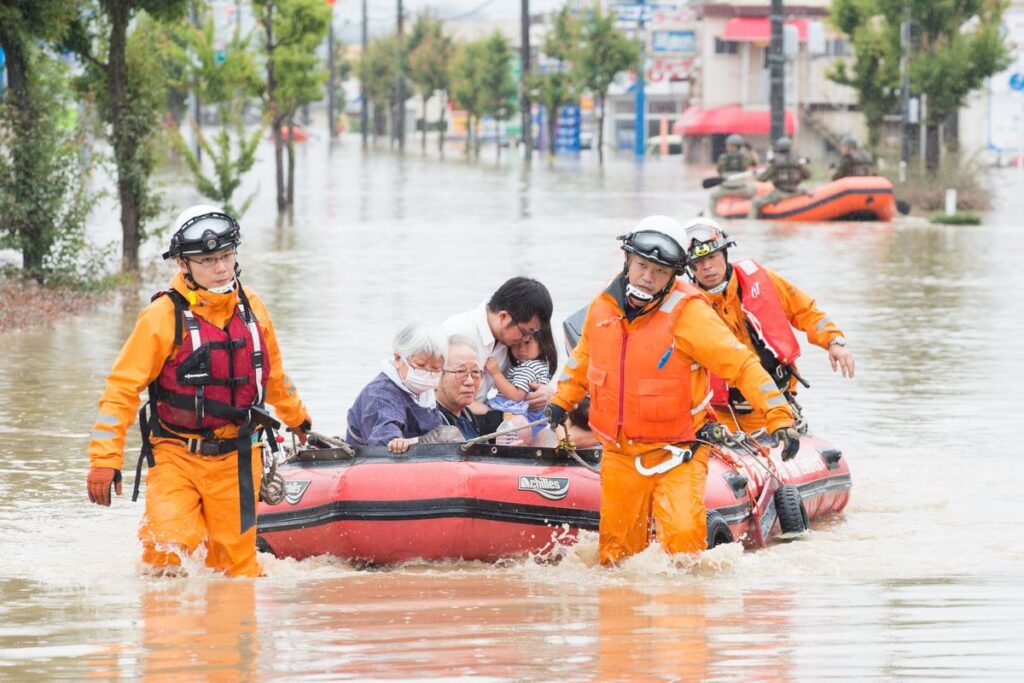
This year marks the 21st anniversary of the devastating tsunami that swept across the Indian Ocean on 26 December 2004, claiming more than 227,000 lives in 15 countries. Within minutes, waves exceeding 30 metres in height destroyed infrastructure and displaced more than 1.6 million people. This catastrophe drew global attention to the need for disaster prevention and preparedness.
More than two decades later, nearly 700 million people still live in high-risk coastal areas where tsunamis pose a serious threat. With rising sea levels and intensifying weather events, the need to strengthen tsunami preparedness and resilience is now more urgent than ever.
For this reason, since 2004, UNESCO’s Intergovernmental Oceanographic Commission (IOC) has been working with its partners to establish a global tsunami warning system. Drawing on an extensive network of sensors, tide-gauging stations, and regional analysis centres, this system enables early warnings to be issued to coastal communities across the Pacific, Indian, and North-Eastern Atlantic Oceans, as well as the Caribbean and the Mediterranean.
Yet warnings alone are not enough; preparing people is equally important. The Tsunami Ready program was designed precisely for this purpose, helping communities and local authorities develop evacuation plans and conduct preparedness exercises. Implemented in 43 countries to date, the program has strengthened collective responses to tsunami hazards in diverse communities.
Within the framework of the UN Decade of Ocean Science for Sustainable Development, UNESCO’s Intergovernmental Oceanographic Commission has set a clear goal: by 2030, all communities exposed to tsunami risks should be prepared to face them. To achieve this goal, UNESCO calls on coastal municipalities to strengthen safety measures and ensure that evacuation routes are safe.
These efforts have already saved lives in practice. Earlier this year, following a magnitude 8.8 earthquake near Russia’s Kamchatka Peninsula, the tsunami warning system was activated in less than ten minutes and transmitted its first alert to national centres. Emergency evacuation plans were subsequently implemented in several countries, and millions of people were alerted to the danger in time. This is a clear example of how awareness, preparedness, and solidarity can save lives.
On this World Tsunami Awareness Day, let us renew our commitment to strengthening the resilience of coastal communities and supporting science in the service of everyone’s safety.