Speech by the Secretary-General of the Iranian National Commission for UNESCO at the Regular Meeting of National Commissions for UNESCO
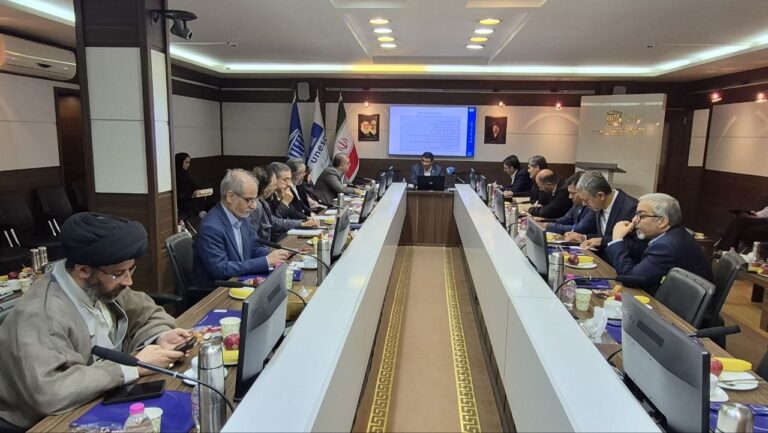
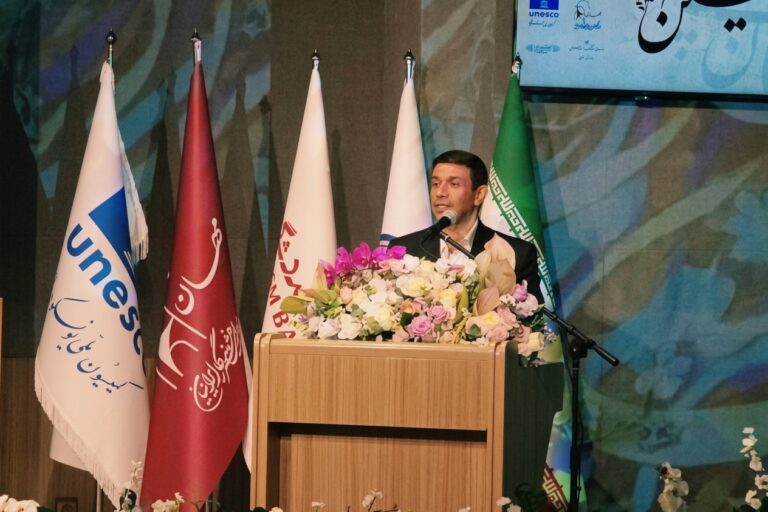
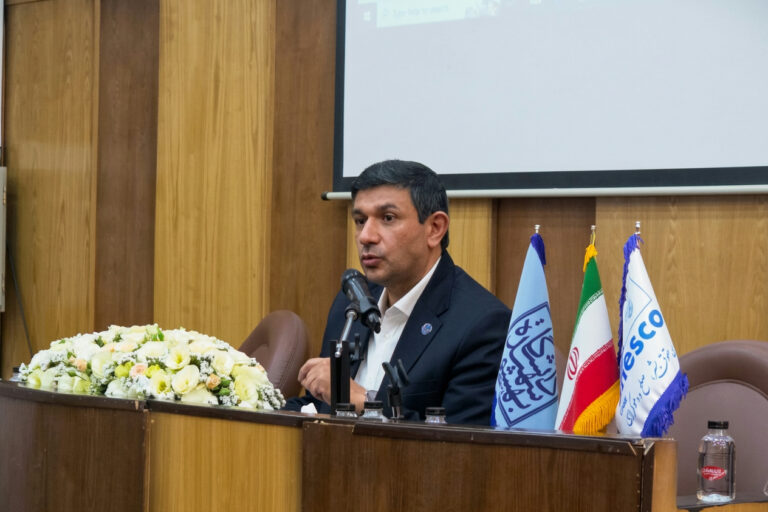
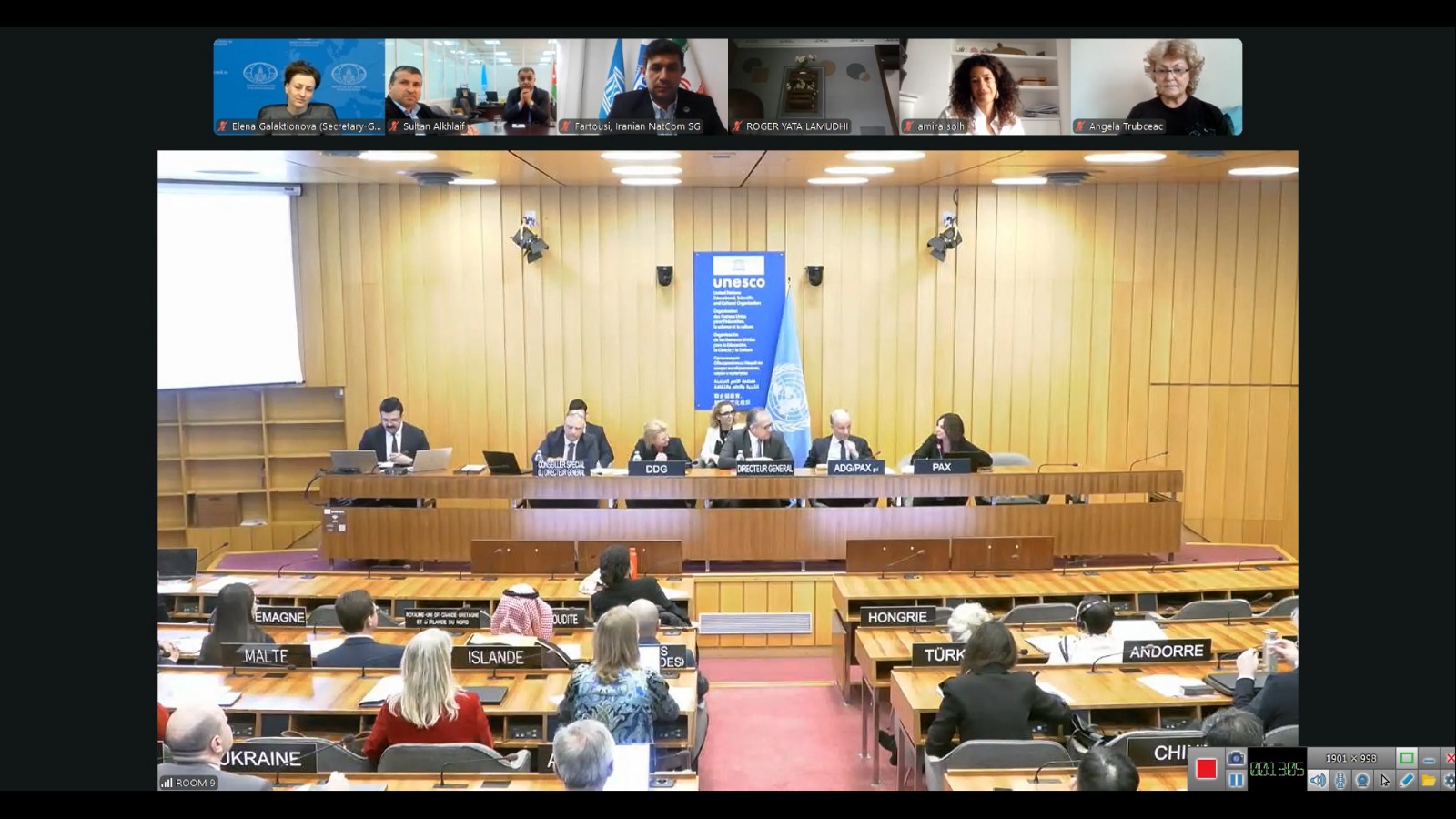
| At the regular meeting of National Commissions for UNESCO, held on the sidelines of the 224th session of UNESCO’s Executive Board on 13 and 14 April 2026, the Secretary-General of the Iranian National Commission for UNESCO, referring to the unstable situation in the region and the extensive human, educational, and cultural losses resulting from recent attacks, called for a more explicit position from UNESCO and decisive action by the international community to activate science and cultural diplomacy in pursuit of lasting peace based on dignity. |
Emphasis on Peace amid Rising Global Tensions
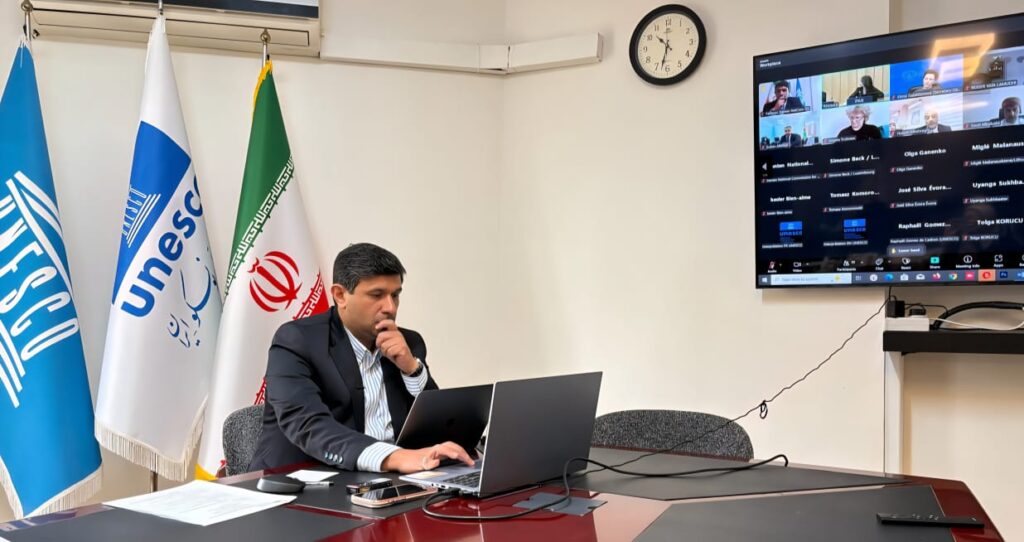
According to the Public Relations Office of the Iranian National Commission for UNESCO, at the beginning of his remarks at the regular meeting of National Commissions for UNESCO, held on the sidelines of the 224th session of UNESCO’s Executive Board, the Secretary-General of the Commission expressed his appreciation for the “UNESCO at 80” initiative. He stated that he had wished to be present at UNESCO Headquarters alongside his fellow members, but that he was speaking at a time when “a fragile calm” prevailed.
Referring to the continued shadow of war over the region, he added that although a ceasefire was in place, instability persisted, and the path ahead required vigilance, unity, and peaceful solutions.
He emphasized that, in a world facing mounting crises and tensions, UNESCO stands at the intersection of education, culture, science, and international cooperation, playing an essential role in preventing the escalation of conflicts and achieving lasting peace based on justice and dignity.
Account of Military Attacks and Human Losses in Iran
The Secretary-General of the Iranian National Commission for UNESCO went on to address the situation in the country, stating that while Iran was preparing to host the regional meeting of National Commissions in Tehran, it was subjected to military aggression by two states that had withdrawn from UNESCO between 28 February and 8 April 2026.
Describing these attacks as “unjust,” he said that they had not only resulted in the killing of leaders, commanders, and members of the armed forces, as well as the deaths of numerous civilians and the widespread destruction of vital infrastructure, but had also placed the lives of civilians and children at risk.
Referring to the attack on an elementary school in Minab on the first day of the war, he added that the school had been targeted twice in missile strikes. Overall, these attacks on schools and other sites resulted in the deaths of 277 students and injuries to children.
He stressed that these actions constituted a clear violation of international law, particularly Articles 48 and 51 of Additional Protocol I to the Geneva Conventions, and noted that similar incidents were also occurring in Lebanon.
Damage to Higher Education and Leading Universities
Fartousi went on to add that the attacks had also extended to the higher education sector, damaging more than 30 universities. These include Sharif University of Technology, Shahid Beheshti University, and Iran University of Science and Technology, all of which are among the country’s leading universities.
Threats to and Destruction of Iran’s Cultural Heritage
The Secretary-General of the Iranian National Commission for UNESCO also referred to the damage inflicted on the country’s cultural heritage, stating that the aggression had caused serious harm to Iran’s rich cultural heritage.
Recalling the former US President’s earlier threat to target 52 cultural sites in Iran, he stated that what had once seemed unimaginable had now become reality, with threats even being made to destroy Iranian civilization and return the country to the “Stone Age.”
Questioning whether such statements were of no concern to the international community, he called for an appropriate global response. According to preliminary assessments, more than 140 cultural heritage sites across various provinces of the country have been damaged. Such acts constitute a clear violation of the 1954 Hague Convention for the Protection of Cultural Property in the Event of Armed Conflict.
He also emphasized the continued activities and commitment of the Iranian National Commission for UNESCO amid the crisis. He stated that, in cooperation with national institutions, UNESCO Learning and Creative Cities, UNESCO Chairs, and Category 2 Centres, the Commission had undertaken damage assessments and activated international protection mechanisms, including the “Blue Shield,” “special protection,” and “enhanced protection.”
Field Visits and Damage Assessments in the Provinces
Fartousi emphasized that, to assess the damage accurately, field visits had been conducted in five provinces: Tehran, Kurdistan, Kermanshah, Lorestan, and Isfahan. The purpose of these missions was to examine the condition of damaged sites, identify urgent needs, and document the damage. Interviews with national media outlets were also conducted on the sidelines of these visits.
During the visit to Lorestan Province, the complete destruction of the provincial cultural heritage centre was documented. The building is located approximately 100 metres from the historic Falak-ol-Aflak Castle, which dates back around 2,000 years. Assessments conducted in the other provinces also revealed varying degrees of structural damage, serious threats to cultural complexes, and an urgent need for protective measures.
Call for a Clearer Position from UNESCO and the International Community
In conclusion, the Secretary-General of the Iranian National Commission for UNESCO expressed his appreciation for UNESCO’s statements and positions, while calling on the Organization and other National Commissions to adopt a broader and more explicit public stance. Emphasizing UNESCO’s essential role in promoting peace, supporting cultural heritage, and safeguarding education, he stressed that the time had come to mobilize science and education diplomacy.
He declared: “If not now, when?” Fartousi also invited all Member States and National Commissions, including the UNESCO network in the United States, to honour their shared commitments and take decisive action to preserve world peace.