The Cyrus Cylinder at the Heart of Global Dialogue on Human Rights and Diversity
| International Exhibition “Foundations of Modern Human Rights and Cultural Diversity in the Cyrus Cylinder” Held at UNESCO Headquarters |

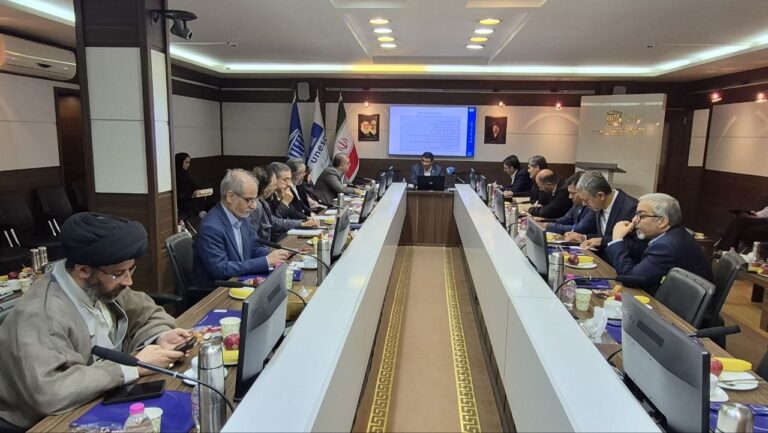
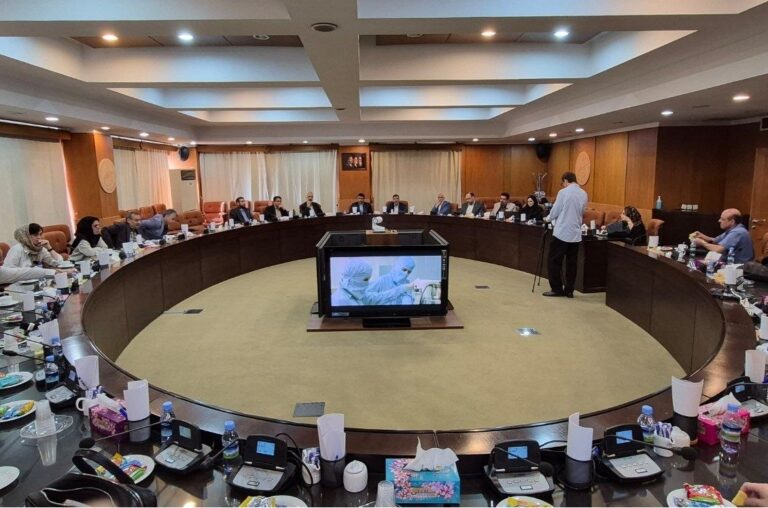
The international conference “Foundations of Modern Human Rights and Cultural Diversity in the Cyrus Cylinder” was held at the headquarters of the United Nations Educational, Scientific and Cultural Organization (UNESCO) in Paris, bringing together ambassadors, diplomats, university professors, researchers and representatives of international organizations. The conference examined the place of the Cyrus Cylinder in the history of political and legal thought, the concepts of tolerance and cultural diversity during the Achaemenid period, and the influence of this historical heritage on contemporary human rights discourse.
The conference took place on 1 June 2026 at Room IX of UNESCO Headquarters, at the initiative of the Permanent Delegation of the Republic of Tajikistan to UNESCO and as part of the observance of the “International Year of Legal Literacy 2027.”
Emphasis on Intercultural Dialogue and Our Common Human Heritage
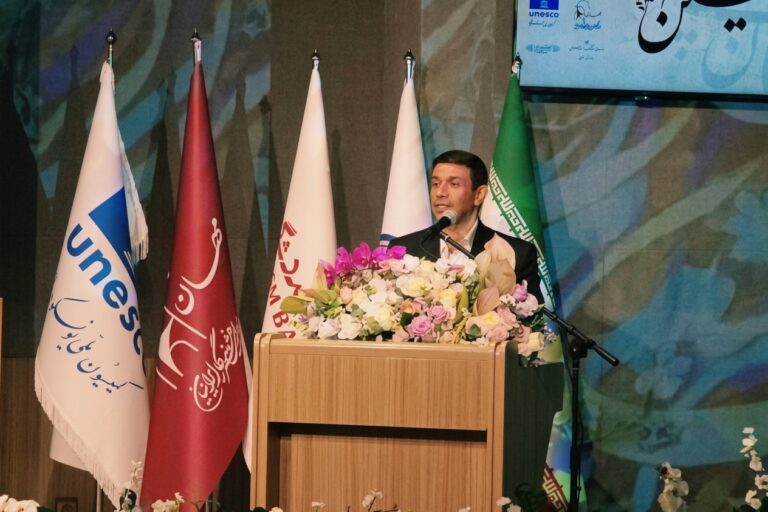
The event opened with remarks by Dilshod Rahimi, Permanent Delegate of the Republic of Tajikistan to UNESCO. Emphasizing the importance of intercultural dialogue, he highlighted the role of our common human heritage in strengthening peace, understanding and cooperation among nations.
Gustavo Merino, Director of UNESCO’s Social Policies and Inclusion Division, then highlighted the Organization’s mandate to promote cultural diversity and social cohesion, stressing the importance of examining the historical roots of concepts such as human dignity, justice and tolerance.
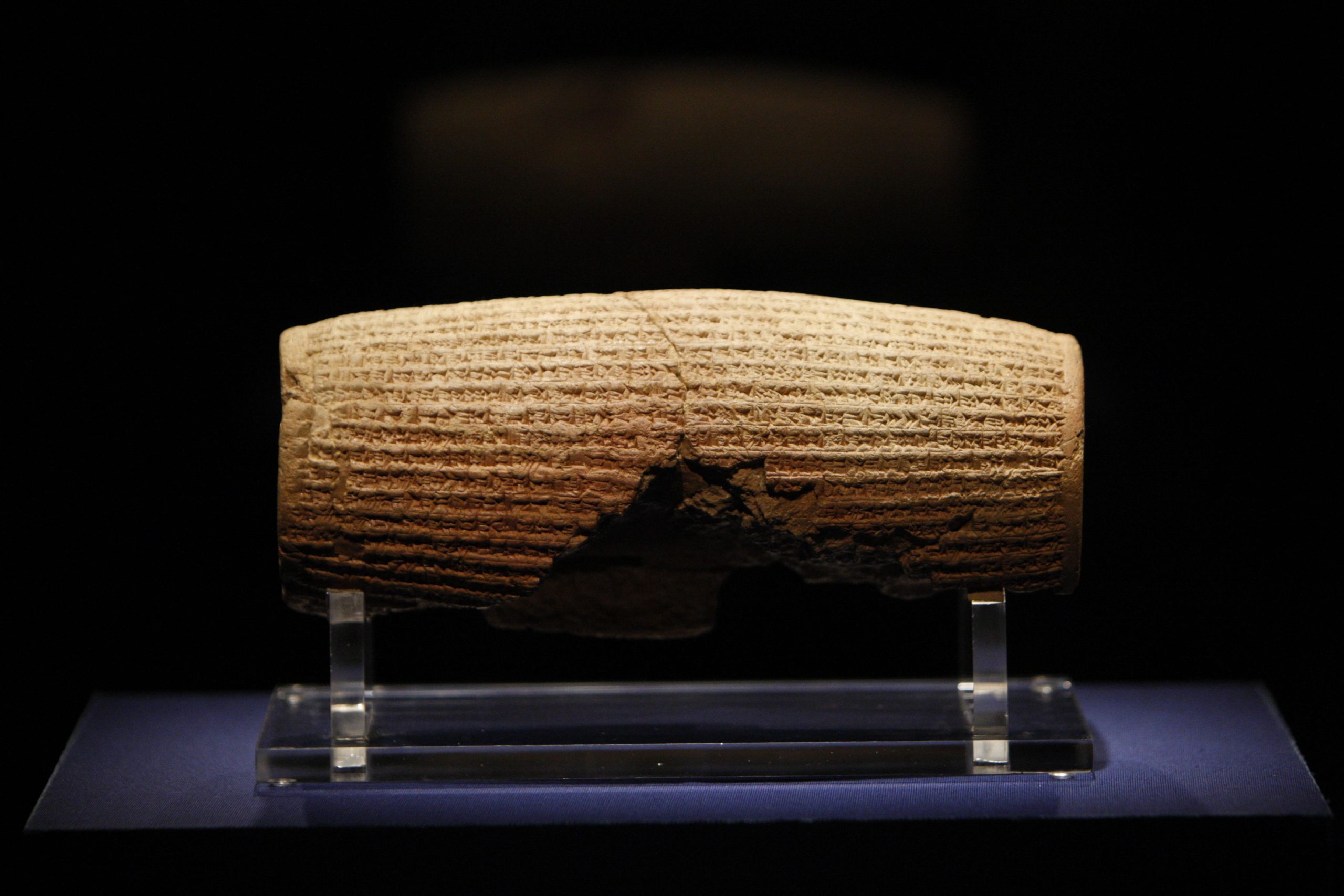
Following the screening of a documentary about Cyrus the Great and the Cyrus Cylinder, the program moved to its academic sessions.
Exploring the Cultural and Civilizational Dimensions of the Cyrus Cylinder
The first expert panel, moderated by Yiran Wang of UNESCO, focused on “Cultural Pluralism and Tolerance in the Cyrus Cylinder.”
During the session, Dr. Ahmad Pakatchi, Ambassador and Permanent Delegate of the Islamic Republic of Iran to UNESCO, delivered a presentation entitled “Recognizing the Culture of Others as Culture in the Cyrus Cylinder: A Semiotic Approach.” He analyzed the historical document’s perspective on different cultures and its respect for cultural identities.
Dr. Nargis Khujayeva of the Academy of Sciences of Tajikistan also discussed, in a video message, the coexistence of different ethnic groups and religions in the Achaemenid Empire and the lessons this experience offers the contemporary world.
Nazek Tavakoli of the Human Rights and Allies Association in the United Kingdom addressed the connections between ancient Iranian heritage and contemporary human rights debates. Emeraldin Aminov, a UNESCO Artist for Peace from Tajikistan, then examined the role of Achaemenid art and architecture in shaping global cultural heritage.
The Cyrus Cylinder and Reinterpreting Human Rights Concepts
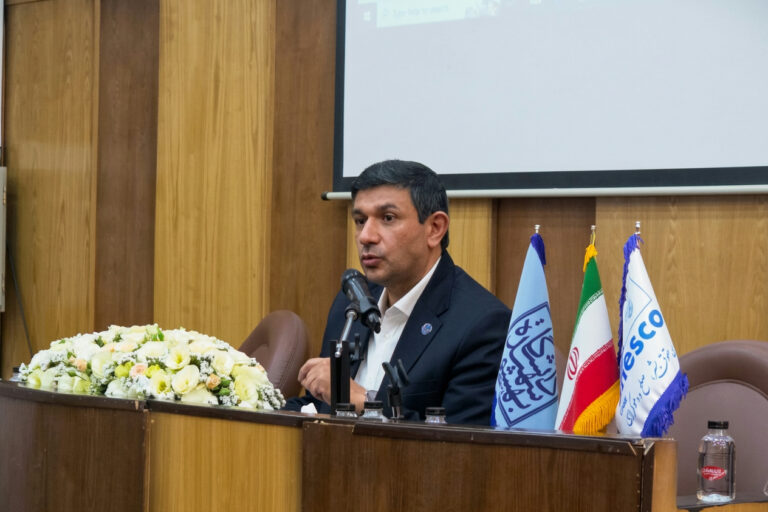
The conference’s second panel, moderated by Dr. Masoud Mirshahi, a professor at Université Paris Cité and a researcher at France’s INSERM, focused on the legal and human dimensions of the legacy of Cyrus the Great.
During the panel, Dr. Kishore Singh, former United Nations Special Rapporteur on the right to education, discussed the Cyrus Cylinder’s global significance in human rights discourse and its ethical importance.
Dr. Mostafa Deh-Pahlavan, a professor of archaeology at the University of Tehran, also examined, in a video message, historical texts and documents relating to governance, cultural pluralism and diversity in ancient Iran from a comparative perspective.
Dr. Abbas Charkhchi, a professor at the École Nationale Supérieure d’Arts et Métiers (ENSAM) in France, subsequently shared his views on relations among nations, coexistence and human rights concepts in the Cyrus Cylinder.
Hana Namdari, an international human rights journalist from Italy, was the panel’s final speaker. She examined the potential of this historical heritage to strengthen human rights dialogue in the contemporary world.
A Heritage That Inspires Global Dialogue
At the conclusion of the conference, participants emphasized, during the question-and-answer session and exchange of views, the importance of drawing on the heritage of ancient civilizations to strengthen shared human values.
The discussions highlighted that the Cyrus Cylinder remains one of the most significant historical symbols of respect for cultural diversity, peaceful coexistence and human dignity, with the potential to inspire global dialogue on human rights and mutual understanding among nations.