Two-Day Visit by the Secretary-General of Iran’s National Commission for UNESCO to Kerman: Fostering Synergy to Harness Cultural Potential and Promote Sustainable Development
During a two-day visit to Kerman Province, the Secretary-General of Iran’s National Commission for UNESCO held meetings and discussions with the Governor, deputy governors, senior provincial officials, and heads of executive agencies to strengthen cooperation in culture, cultural heritage, education, tourism, and sustainable development. The meetings also explored the province’s cultural, scientific, and civilizational potential for expanding national and international engagement. |
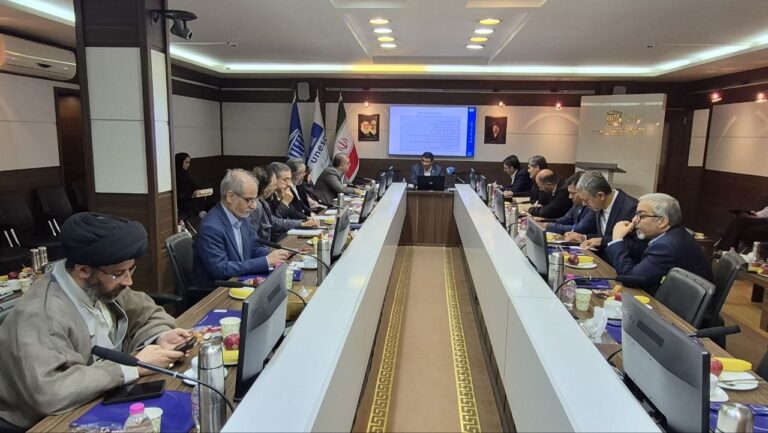
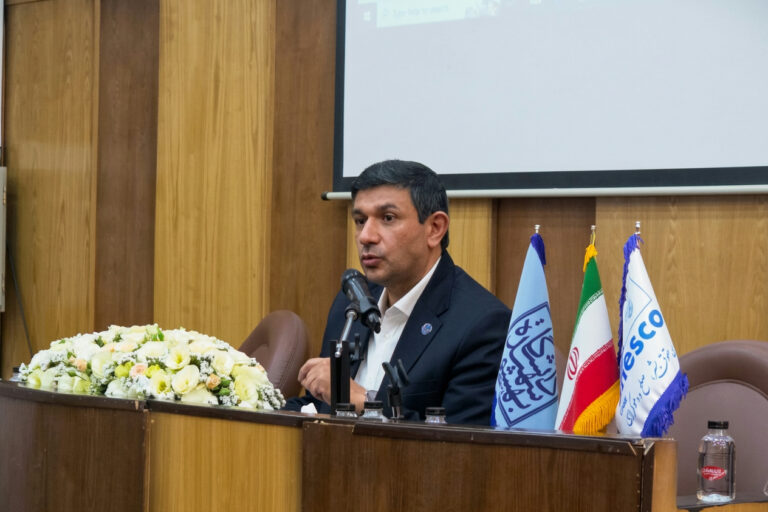
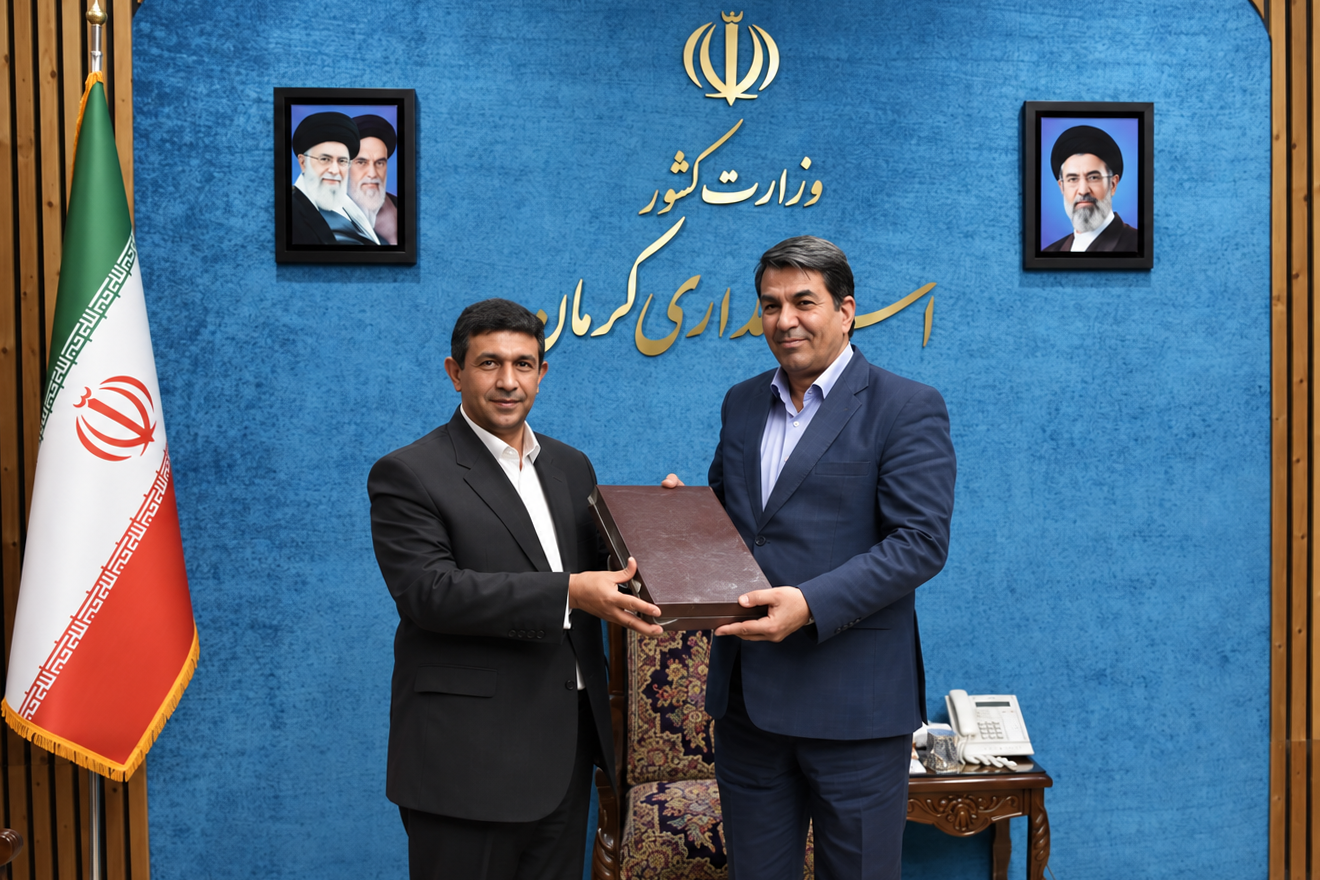
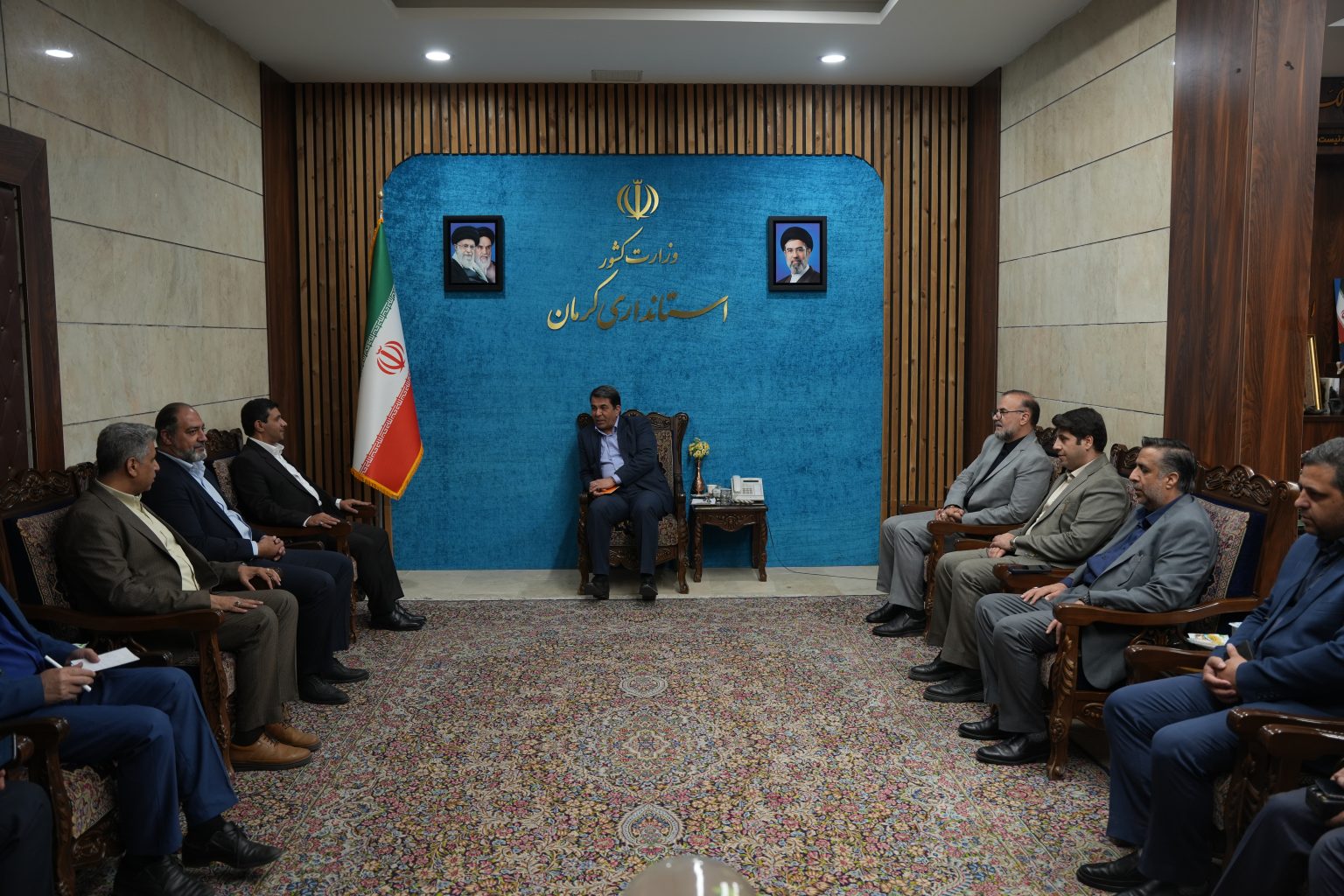
Dr. Mohammad-Ali Talebi, Governor of Kerman, expressed hope for the launch of constructive engagement with Iran’s National Commission for UNESCO during a joint meeting with Dr. Hassan Fartousi, Secretary-General of Iran’s National Commission for UNESCO, held on Thursday, 16 July 2026. The meeting was attended by Seyyed Moayyed Mohsen-Nejad, Director-General of Cultural Heritage, Tourism and Handicrafts of the province; Abuzar Atapour, Deputy Governor for Political and Social Affairs; Hossein Eshaghi, Director-General of Culture and Islamic Guidance; Mohsen Teyserkani, Mayor of Kerman; and a number of provincial officials. Talebi welcomed Fartousi and his accompanying delegation.
Highlighting Kerman’s distinguished position in the field of cultural heritage, Talebi stated that, as the largest province in the country, Kerman boasts the greatest climatic diversity and the highest number of World Heritage inscriptions across different categories, giving it a special standing at both the national and international levels.
Noting that Kerman holds a prominent position in areas beyond its valuable historical assets, Talebi added that many of these capacities could also be presented and recognized at the global level. He expressed hope that they would receive attention within the framework of UNESCO’s programs.
Harnessing World Heritage Inscription Opportunities: A Step Towards Kerman’s Sustainable Development
Emphasizing the importance of expanding cooperation and leveraging UNESCO’s international capacities, the Governor of Kerman stated that pursuing World Heritage inscription for Kerman’s historic urban fabric, seeking the province’s inclusion in the UNESCO Global Geoparks Network, and securing the entry of Kerman’s cities into the Global Network of Learning Cities and the UNESCO Creative Cities Network were among the province’s priorities in this area.
Talebi also identified the revival and promotion of the “Spice Route,” one of Iran’s oldest historical routes, and the assessment of its potential for international recognition and inscription as further provincial priorities. He explained that the Spice Route was one of Iran’s earliest ancient trade routes for exporting spices to different parts of the world and was connected to the Silk Road. As part of Kerman’s historical and civilizational identity, it could become a focus of cultural and tourism programs.
He added that achieving these objectives could not only enhance Kerman’s cultural standing and international profile, but also lay the groundwork for sustainable development, tourism growth, increased investment, and stronger scientific and cultural partnerships at the national and global levels.
Kerman: A Land with Exceptional Potential for International Engagement
During the meeting, the Secretary-General of Iran’s National Commission for UNESCO described Kerman as a land with a remarkable civilizational heritage, exceptional cultural diversity, and extensive potential for international engagement.
Stating that it was an honour to visit a province with ancient civilizations and an educated, knowledgeable, and culture-loving population, he noted that Kerman’s geographical diversity had given rise to valuable cultural diversity, making the province one of the country’s most important civilizational centres.
World Heritage Inscription: The Beginning of a Major Responsibility to Safeguard Humanity’s Heritage
The Secretary-General of Iran’s National Commission for UNESCO also expressed appreciation to the Governor of Kerman, describing the provincial leadership’s development-oriented, cultural, and forward-looking approach as an important foundation for advancing effective programs in culture, tourism, and cultural heritage. He added that the measures undertaken in both infrastructure and institutional development had created a favourable environment for the province’s sustainable development.
Noting that Kerman has the highest number of inscribed tangible World Heritage properties among Iran’s provinces, Fartousi emphasized that World Heritage inscription does not mark the end of a journey, but rather the beginning of a major responsibility to protect, promote, and pass this valuable heritage on to future generations. These properties, he stressed, belong not merely to one province or country, but constitute the common heritage of humanity.
Inscription of Kerman’s Historic Urban Fabric Requires Synergy and Compliance with Technical Standards
Emphasizing the need to showcase Kerman’s global potential more effectively, Fartousi noted that Iran’s National Commission for UNESCO supports provincial capacities to ensure their effective participation in international arenas, with the aim of distributing cultural opportunities and resources equitably across the country.
Highlighting the importance of ensuring that the people of Kerman understand the significance of securing World Heritage inscription for the city’s historic urban fabric, he stated that achieving this goal requires full compliance with conservation regulations, preservation of the historic fabric’s physical continuity, prevention of inappropriate construction, and the active participation of all executive bodies, particularly the Municipality of Kerman.
He added that cultural heritage considerations in urban management should be given equal weight to urban development approaches, as this could play a decisive role in securing World Heritage inscription for Kerman’s historic urban fabric, with the resulting benefits directly accruing to local residents.
Fartousi described Kerman’s potential in tourism diplomacy, city diplomacy, the international recognition of scientific and cultural figures, inscriptions related to industrial design and industries, endangered dialects, and civilizational heritage as exceptional. He stressed that these capacities should be transformed into global opportunities as quickly as possible through planning, streamlined processes, and practical action.
Referring to Kerman Province’s valuable legacy of qanats and water resource management, he also identified this heritage as a major asset for effective participation in UNESCO’s specialized programs. He emphasized that, by drawing on its indigenous knowledge and historical experience, Kerman could become a successful model in this field at both the national and international levels.
Kerman Ready to Host UNESCO Specialized Events
In another part of his remarks, the Governor of Kerman stated that, as a province with a strong focus on hosting events, Kerman was fully prepared to host UNESCO conferences, meetings, and specialized events in Iran.
He noted that organizing such events could further showcase the province’s cultural, historical, scientific, and tourism potential while creating opportunities for broader engagement with UNESCO’s specialized networks and other international organizations.
Concluding his remarks, Talebi emphasized that the provincial administration’s vision was not limited to securing World Heritage inscription for cultural properties. He stressed that its strategy was to move beyond inscription and harness UNESCO’s standards and capacities to achieve sustainable economic, social, cultural, and scientific development across the province.
He added that efforts would be made to leverage UNESCO’s extensive capacities to realize Kerman’s cultural, historical, scientific, and economic potential and transform the province into a successful model of sustainable development rooted in cultural heritage.
In this regard, the Secretary-General of Iran’s National Commission for UNESCO stated that the Commission could help accelerate efforts to harness the province’s potential through its participation in and support for international events, communication with UNESCO and national institutions, dissemination of specialized calls for applications, engagement with the network of UNESCO National Commissions, and the expansion of scientific and cultural cooperation.
Fartousi identified the preparation of books and reference materials, the publication of digital and printed works, the organization of tours for Iranian and international writers and researchers, and the development of narratives around Kerman’s World Heritage properties as key tools for promoting this heritage internationally. He emphasized that, in today’s world, producing credible scientific and cultural content is one of the most effective ways to strengthen the global standing of cultural heritage properties.
Cultural Heritage Must Become an Asset for Sustainable Development
Referring to Iran’s rich cultural and civilizational potential, Fartousi also stressed the need to transform the country’s valuable cultural assets into development opportunities at the national and international levels. He emphasized that the true value of cultural heritage becomes evident when, alongside its protection, it is effectively presented, interpreted, and transformed into an asset for sustainable development.
Proposal to Draft a Memorandum of Understanding and Establish a Cooperation Council with Iran’s National Commission for UNESCO in Kerman
The Governor of Kerman proposed drafting a memorandum of understanding and a comprehensive joint cooperation plan between the Governor’s Office of Kerman and Iran’s National Commission for UNESCO. He also expressed interest in establishing a representative office of the Commission in the province, stating that having an office of Iran’s National Commission for UNESCO in Kerman could help improve the management of local capacities, strengthen coordination among implementing bodies, and accelerate the implementation of joint programs.
He also proposed establishing a “Coordination Council with Iran’s National Commission for UNESCO” in the province, adding that the council could bring together relevant institutions to undertake the specialized planning needed to achieve shared objectives and make more effective use of the province’s potential within the framework of UNESCO’s programs.
In conclusion, Fartousi emphasized that drafting a memorandum of understanding and developing a framework for implementing joint programs would enable better planning for the future use of the province’s capacities and resources.