

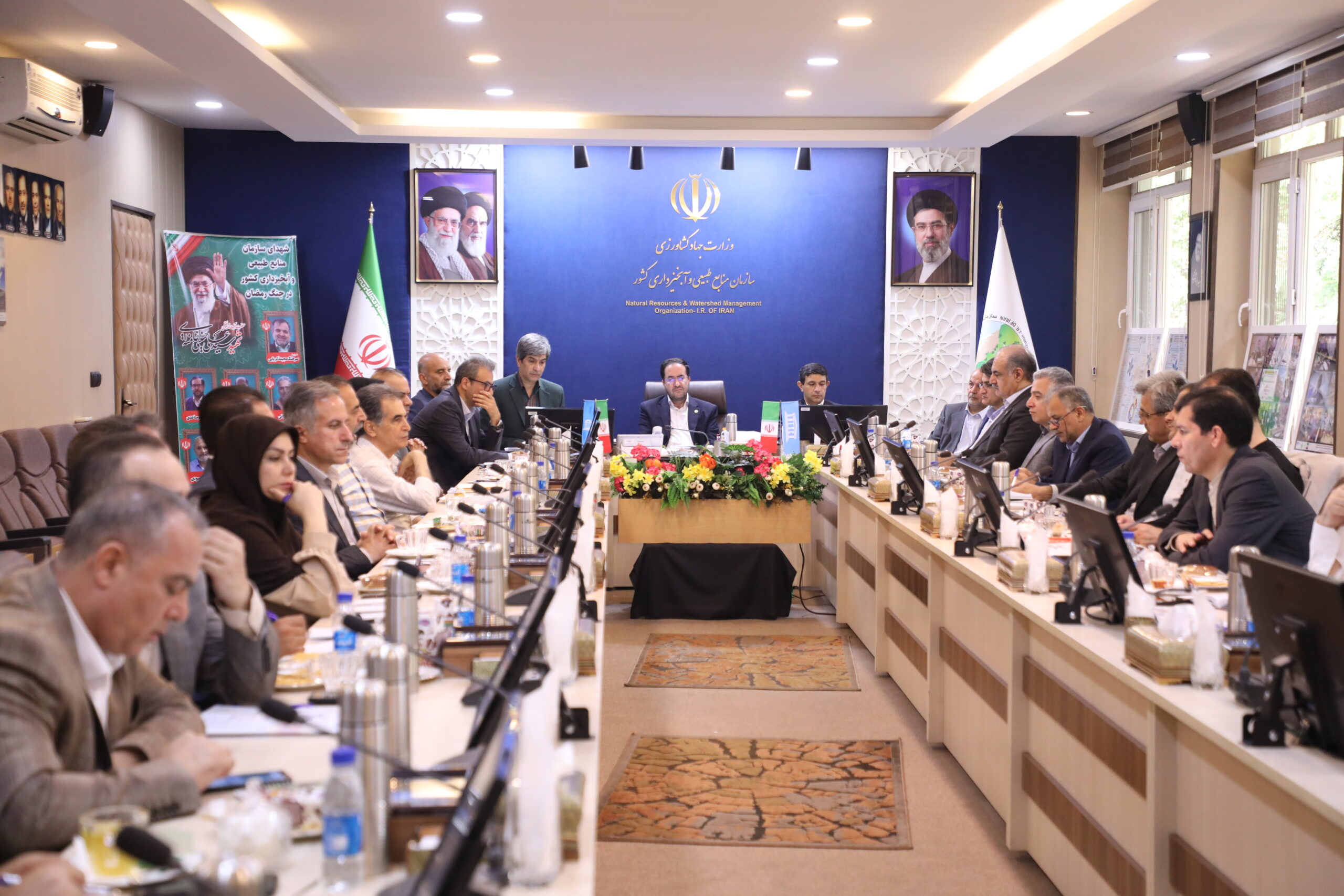
The Third Meeting of the Strategic Council of the International Center for Integrated Watershed Management and Biotic Resources Held
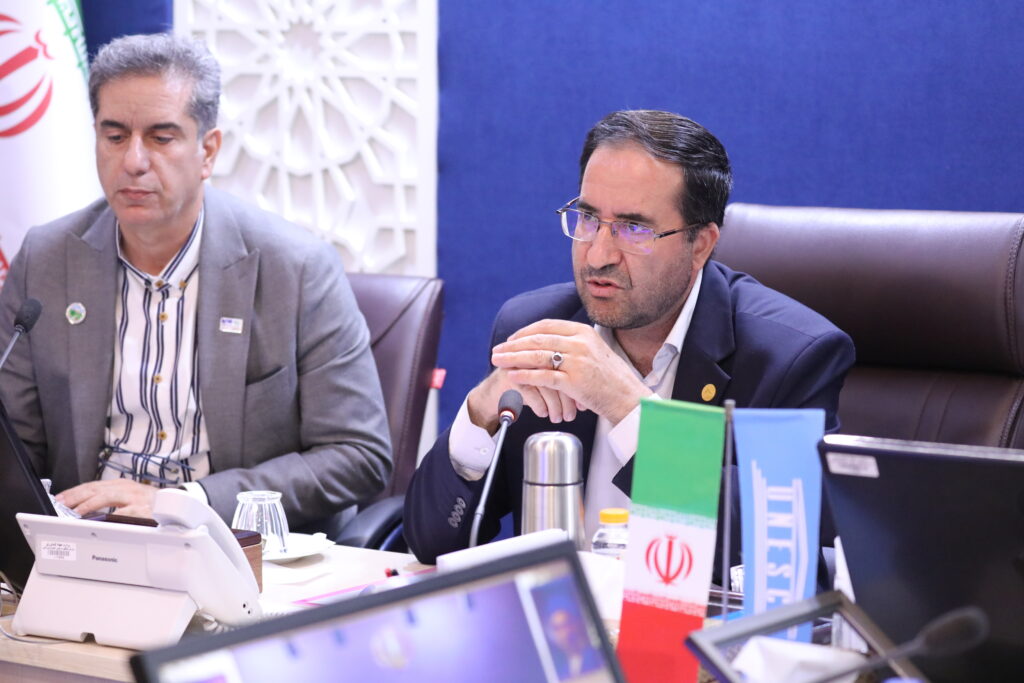
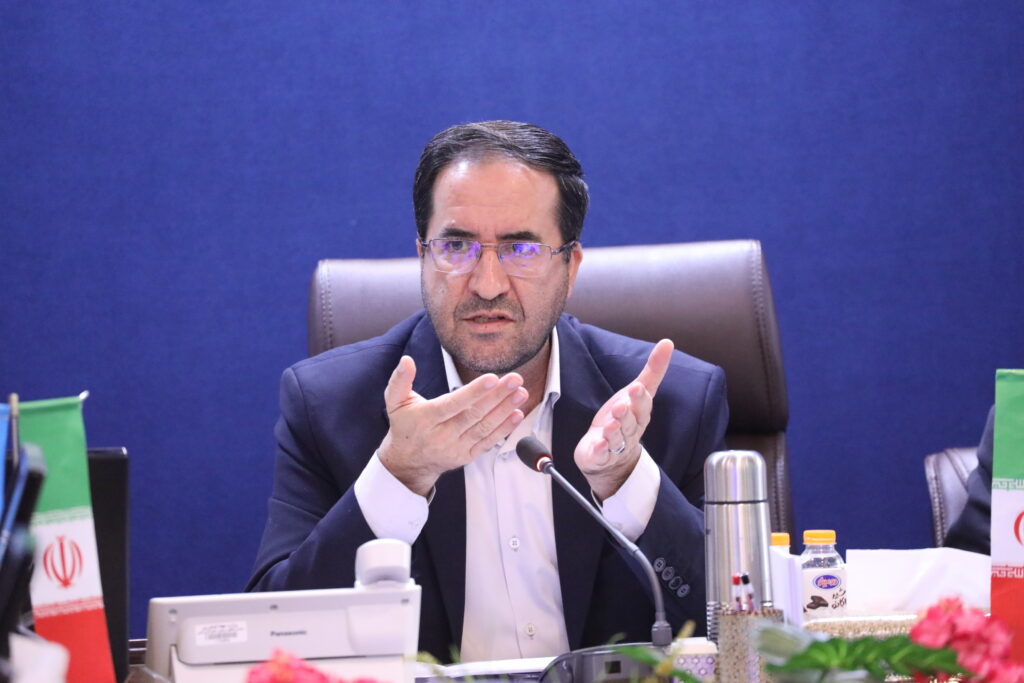
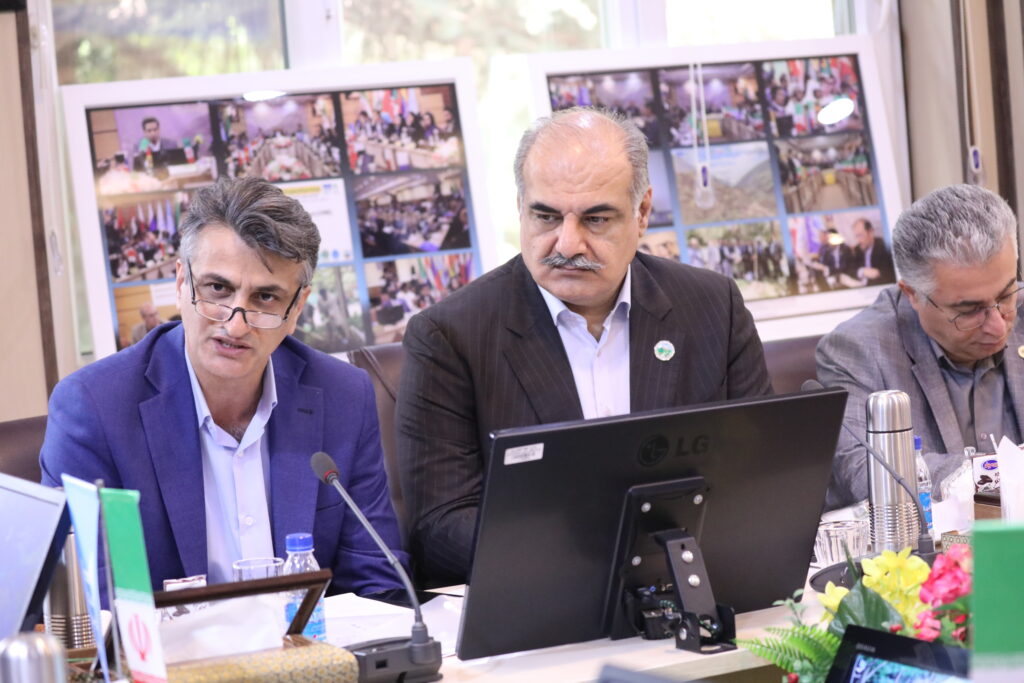
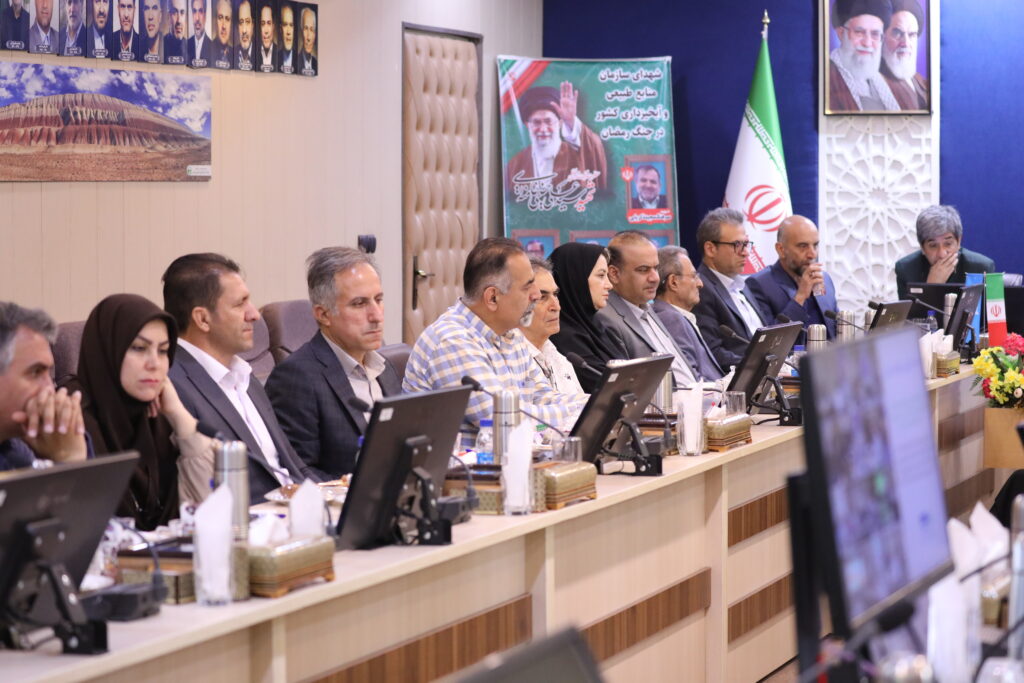
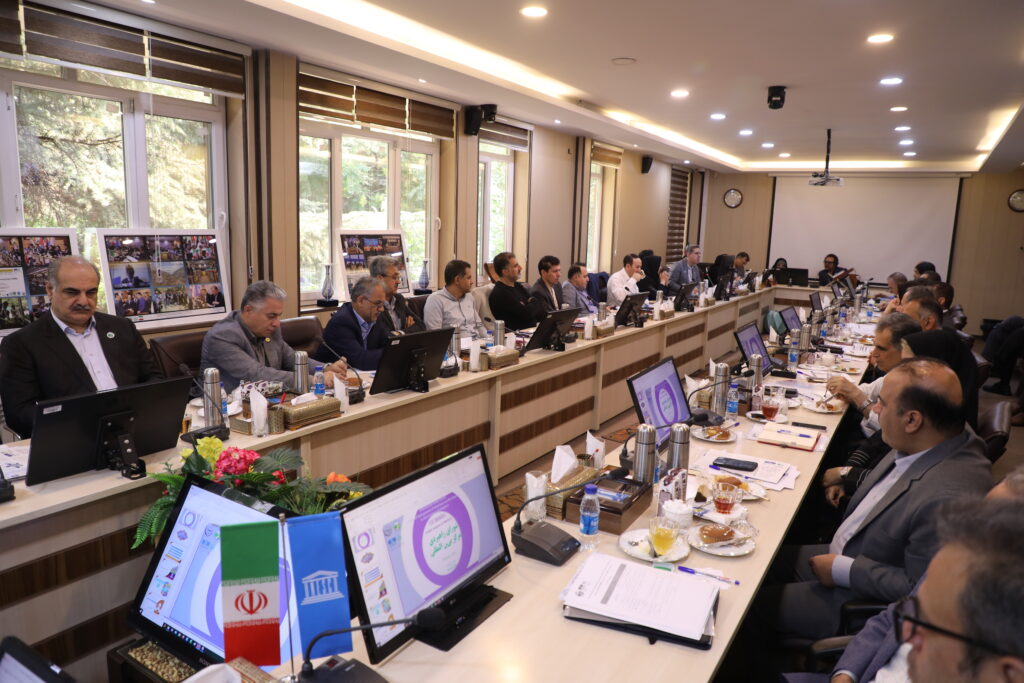
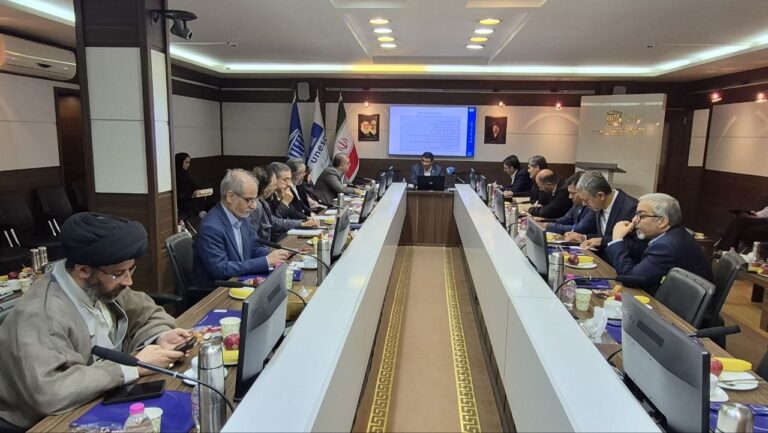
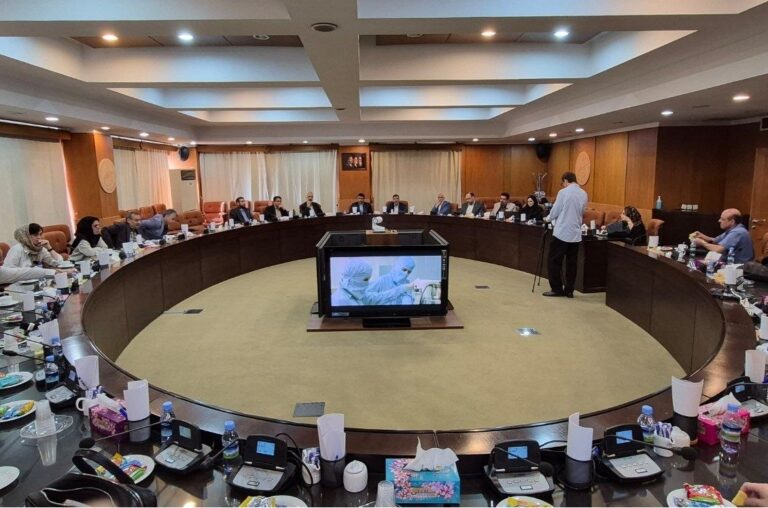
The third meeting of the Strategic Council of the International Center for Integrated Watershed Management and Biotic Resources, a UNESCO Category 2 Centre, was held on Sunday, November 16, 2026, at the headquarters of the Natural Resources and Watershed Management Organization of Iran. The meeting was attended by Dr. Reza Aflahtouni, Deputy Minister and Head of the Natural Resources and Watershed Management Organization; Dr. Hassan Fartousi, Secretary-General of Iran’s National Commission for UNESCO; Dr. Hadi Kiadaliri, Deputy Head of the Department of Environment for Education and Public Participation; Dr. Hamid Nouri, Director of the Center; and members of the Strategic Council.
The meeting reviewed the Center’s activities and the process of renewing its mandate, emphasizing the need to strengthen its scientific standing and international profile, expand regional and international cooperation, foster links between universities and executive agencies, and develop a strategic plan for the upcoming period.
Emphasis by the Secretary-General of Iran’s National Commission for UNESCO on Strengthening the Position
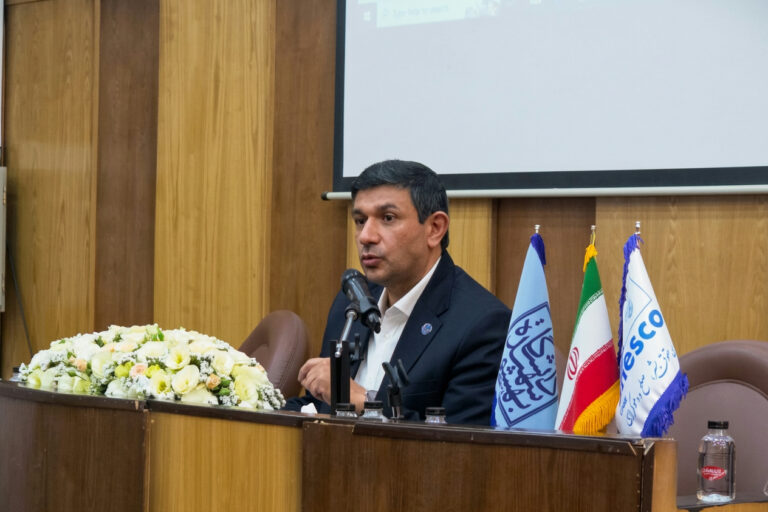
Dr. Hassan Fartousi, Secretary-General of Iran’s National Commission for UNESCO, emphasized the Center’s scientific and international potential, stating: “Alongside fulfilling its scientific and specialized mandate, the International Center for Integrated Watershed Management and Biotic Resources should become a platform for showcasing and strengthening the scientific capacities of the Islamic Republic of Iran at the regional and international levels.”
Referring to the shared challenges countries face, including land degradation, climate change, soil erosion, and biodiversity loss, he added that these issues are not confined to national borders and that addressing them requires cooperation, the exchange of knowledge and experience, and the development of joint projects among countries. From this perspective, the Center can play an important role in connecting countries’ scientific and operational capacities and expanding international cooperation.
Referring to the shared challenges countries face, including land degradation, climate change, soil erosion, and biodiversity loss, he added that these issues are not confined to national borders and that addressing them requires cooperation, the exchange of knowledge and experience, and the development of joint projects among countries. From this perspective, the Center can play an important role in connecting countries’ scientific and operational capacities and expanding international cooperation.
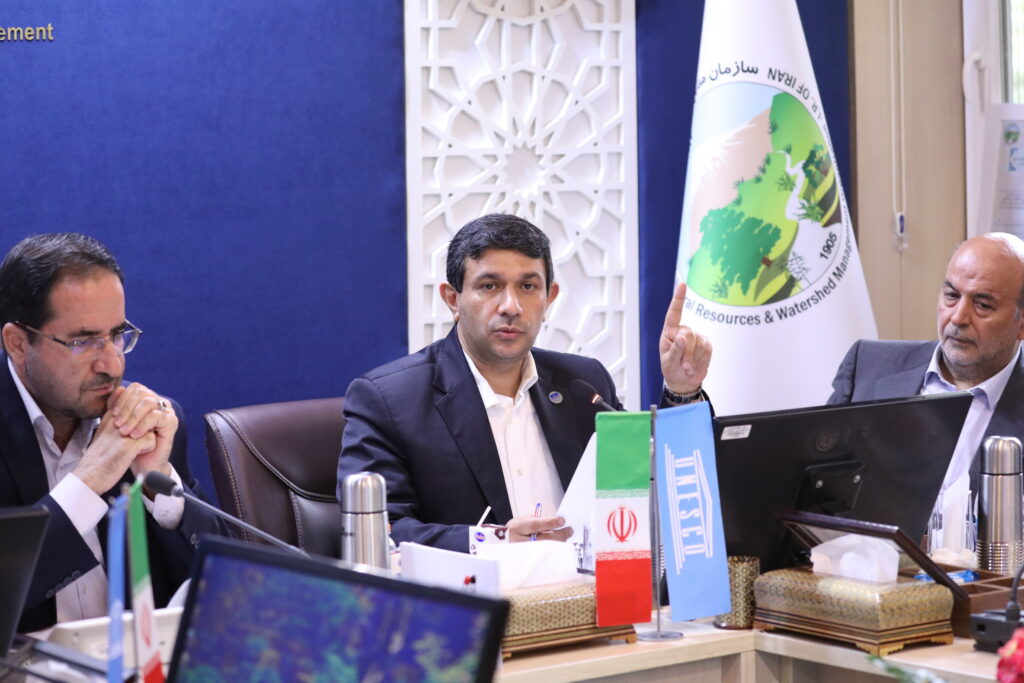
The Need for Cross-Sectoral Participation and Attention to the Younger Generation
He described supporting young specialists as essential to sustaining and expanding the Center’s activities and proposed establishing a network of young experts in water management, watershed management, and biotic resources. This network would provide a scientific support base for the Center, facilitate the transfer of knowledge and experience to the next generation, and ensure the continuity of its specialized activities.
Fartousi also stressed the need to establish clear indicators for evaluating the Center’s performance, stating: “To assess the extent to which the Center’s objectives and plans have been achieved, specific, measurable indicators must be established to enable continuous monitoring of its performance and more effective communication of its achievements at the national and international levels.”
The Center: An Opportunity to Strengthen Iran’s Science Diplomacy
Dr. Reza Aflahtouni, Deputy Minister and Head of Iran’s Natural Resources and Watershed Management Organization, also described the International Center for Integrated Watershed Management and Biotic Resources as a valuable opportunity for the country and stressed the importance of maintaining its standing and renewing the Center’s mandate.
Referring to the country’s challenges in water management, land management, vegetation, and biotic resources, he stated that the Center could play an effective role in improving water and land resource management processes and preventing land degradation by drawing on scientific, operational, and managerial capacities, as well as modern technologies.
Aflahtouni also emphasized the need to strengthen links between executive agencies, universities, and research centers, stating: “Existing scientific and operational capacities must be interconnected within a coherent framework, and the Center can become a hub for the exchange of knowledge and experience in integrated watershed management and biotic resources.”
He identified water cycle management, an integrated approach to hydrology and ecology, and the linking of academic knowledge with indigenous knowledge and local experience as other key capacities of the Center. He also emphasized expanding international cooperation and developing joint projects with various countries, universities, scientific institutions, and international organizations.
The Head of Iran’s Natural Resources and Watershed Management Organization also identified expanding membership to include various countries, particularly members of the Economic Cooperation Organization (ECO), the Shanghai Cooperation Organization (SCO), and BRICS, as well as strengthening Iran’s scientific and operational diplomacy in land management, as key opportunities for the Center.
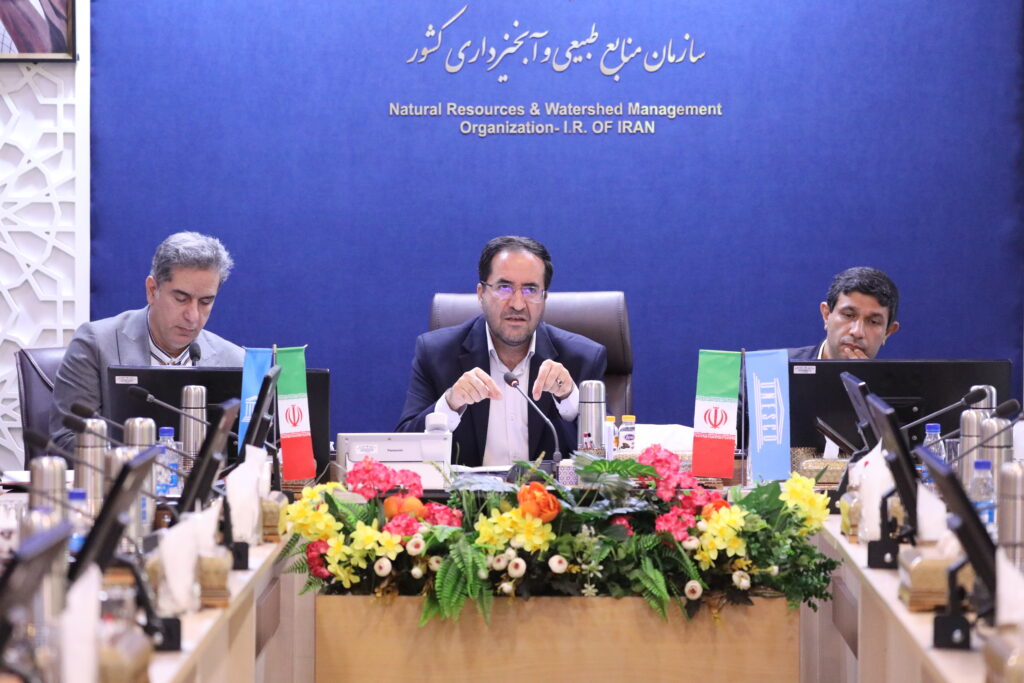
Dr. Hamid Nouri, Director of the International Center for Integrated Watershed Management and Biotic Resources, then presented a report on the process of renewing the Center’s mandate and the measures taken in this regard.
Referring to the Center’s establishment in 2021 and the end of its current term in 2027, he stated that the process of renewing the Center’s mandate had begun several months earlier and that the Islamic Republic of Iran had formally submitted its request to UNESCO.
Nouri identified performance evaluation, the extent to which objectives have been achieved, alignment of the Center’s programs with UNESCO’s priorities, and an assessment of its scientific and operational capacities as key components of the renewal process. He also presented a report on the Center’s scientific, educational, and research activities, the production of specialized content, international networking, and cooperation with universities and scientific institutions in Iran and abroad.
At the conclusion of the meeting, the members of the Strategic Council discussed ways to strengthen the Center’s standing and expand its activities. They emphasized the need for greater synergy among executive agencies, universities, scientific institutions, and international organizations; the expansion of regional and international cooperation; the development of joint projects; and the formulation of a new strategic plan for the Center’s next term.