

Secretary-General of Iran’s National Commission for UNESCO Emphasizes the Protection of Tangible and Intangible Heritage at Golestan Palace
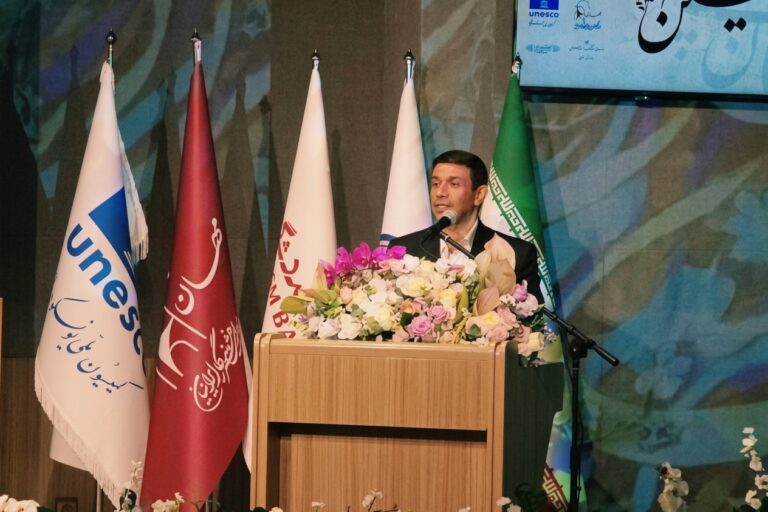
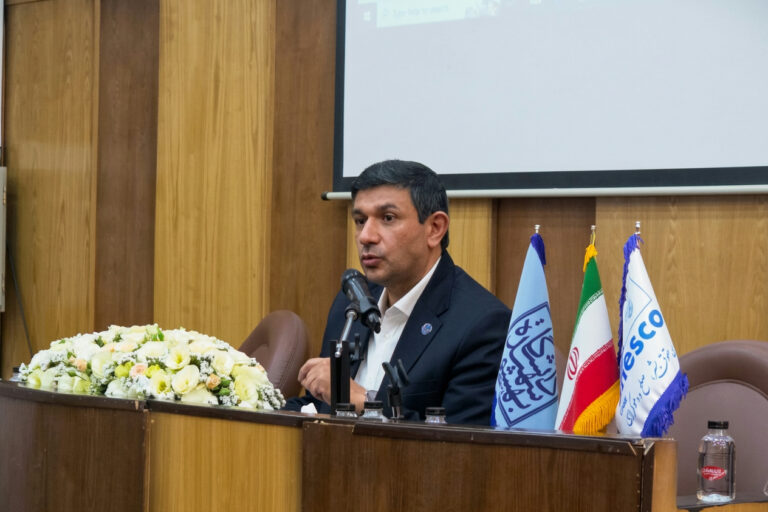
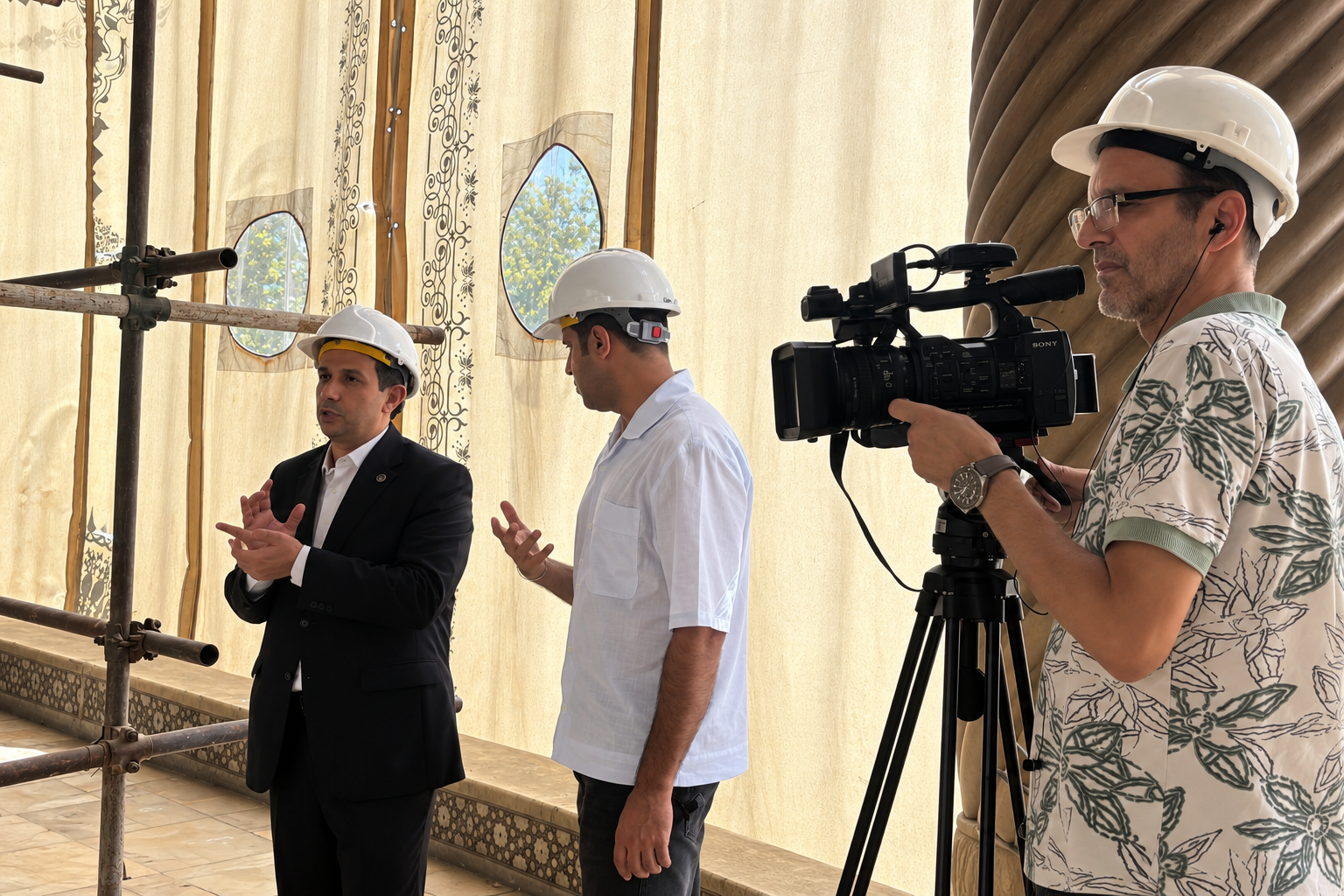
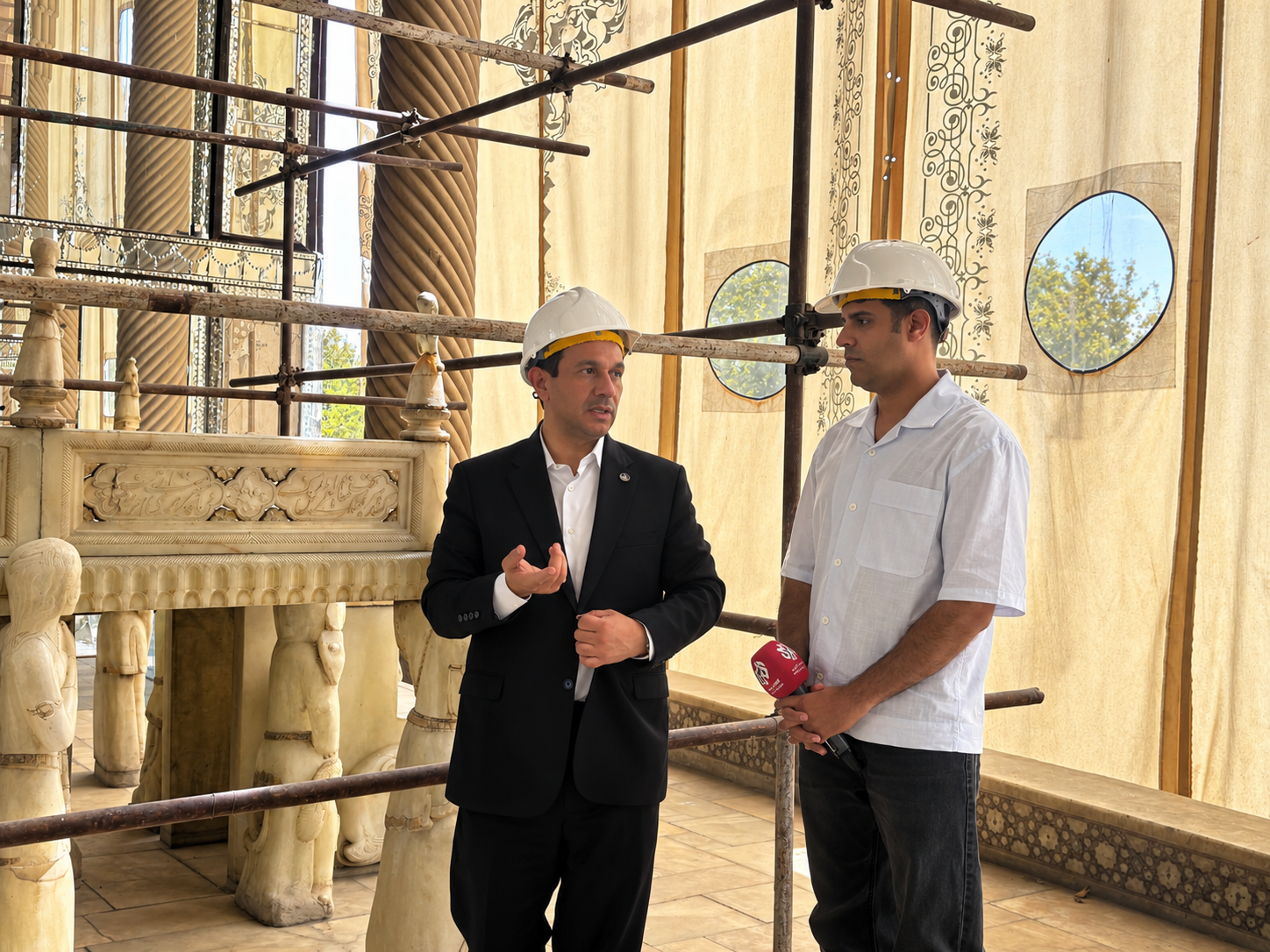
Dr. Hassan Fartousi, Secretary-General of Iran’s National Commission for UNESCO, visited Golestan Palace on Sunday, 13 September 2026, for an interview with Qatar’s Al Araby TV Network about the recent attacks on Iran.
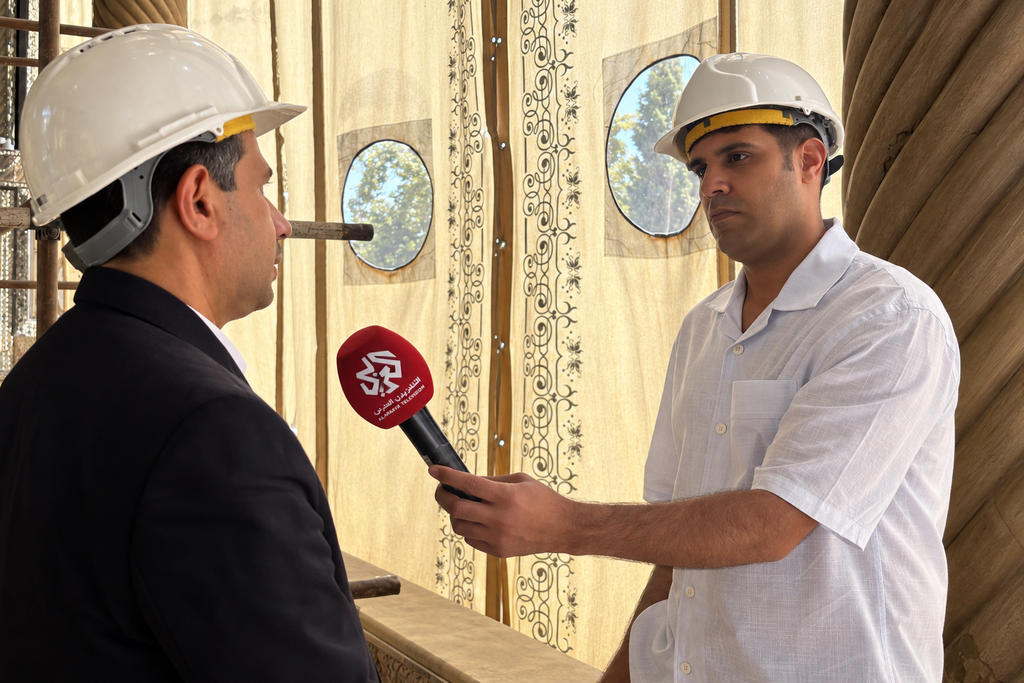
The interview focused on the consequences of the recent attacks on Iran and their devastating impact on civilians, as well as the destruction of and damage to historical and cultural heritage and educational institutions.
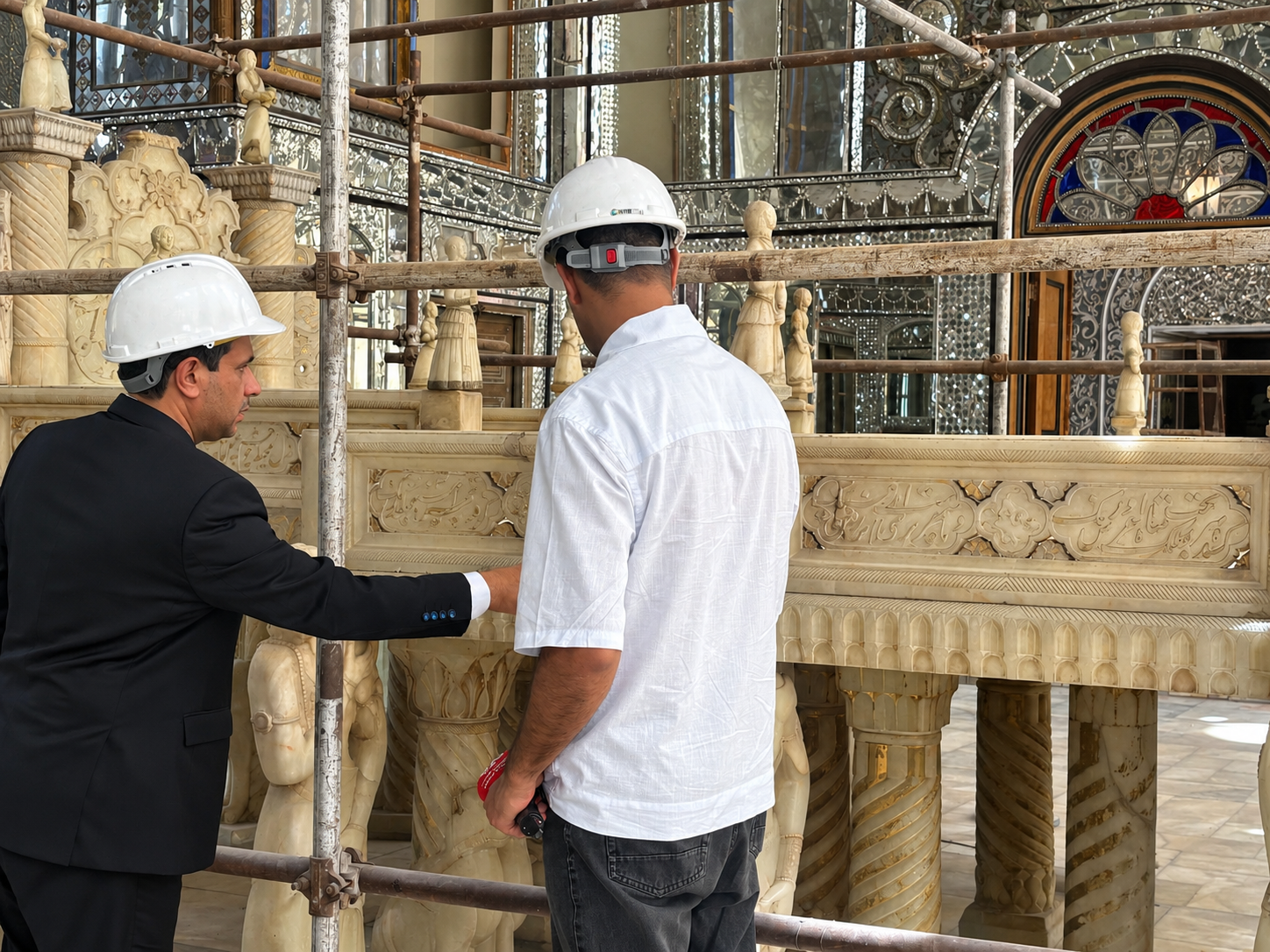
On the sidelines of the interview, the Secretary-General of Iran’s National Commission for UNESCO visited the Golestan Palace World Heritage Site, where he was briefed on the site’s current condition and the progress of restoration work to address the damage sustained during the war.
During the visit, Dr. Fartousi also met with Dr. Afarin Emami, Director of the Golestan Palace World Heritage Site. Referring to the site’s significance to the country’s identity and civilizational heritage, Dr. Fartousi emphasized the need to safeguard both tangible and intangible heritage and ensure that these invaluable treasures are passed on to future generations.
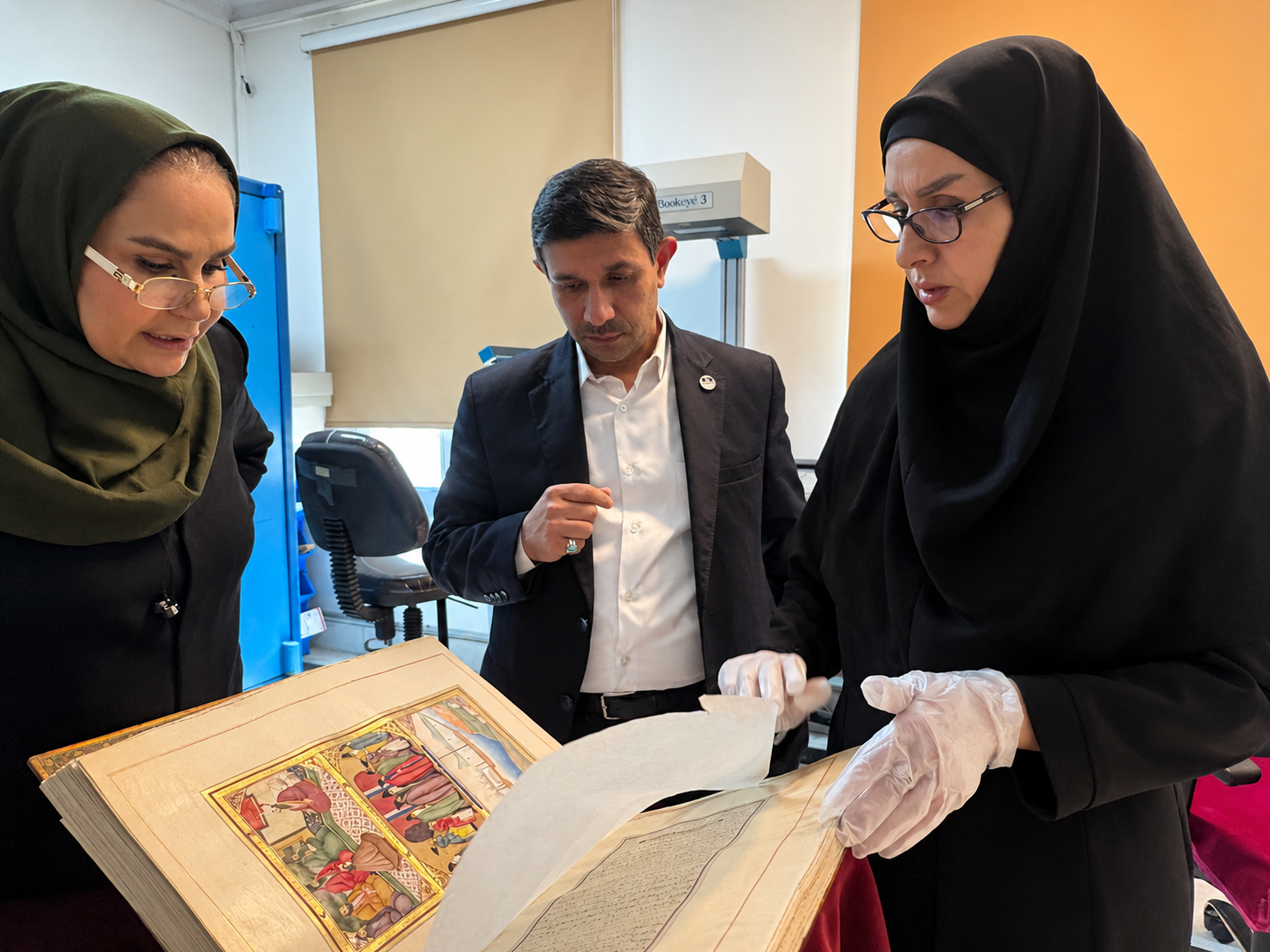
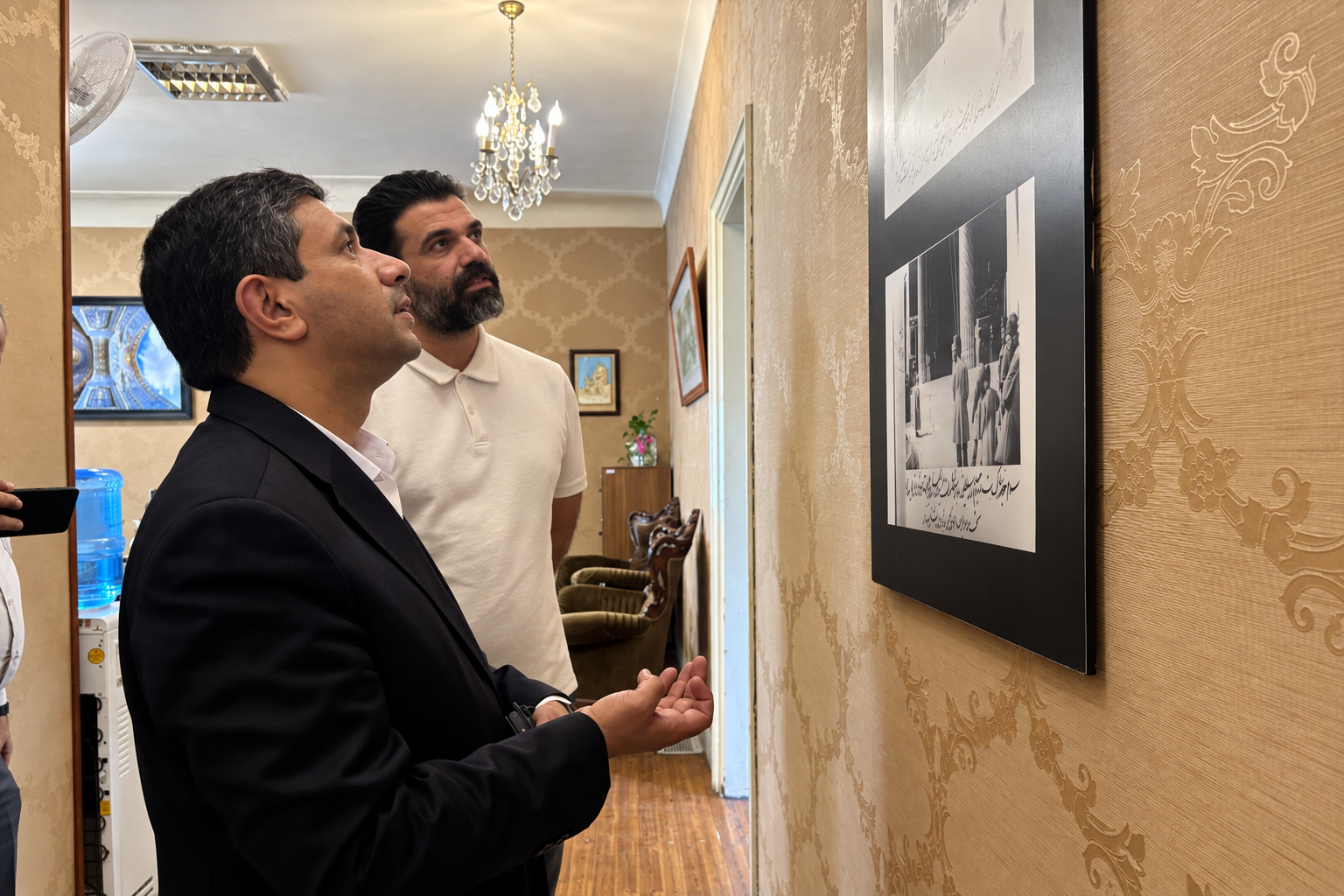
The Secretary-General of Iran’s National Commission for UNESCO also visited the collections of manuscripts and photographic documents (the Album House), where he learned firsthand about the significance and distinctive features of this valuable collection.
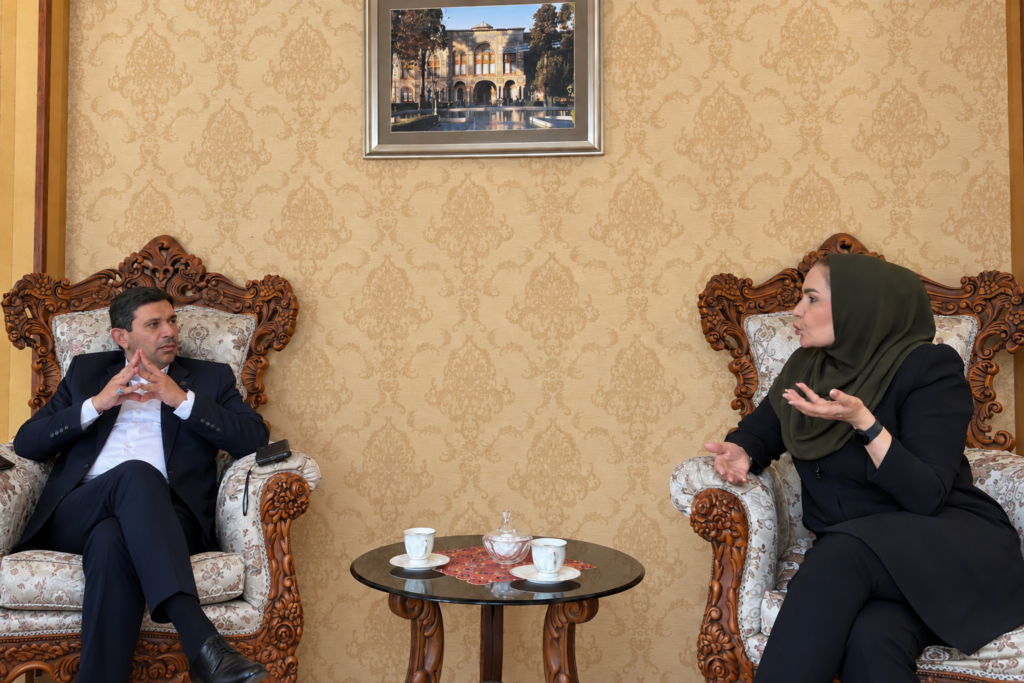
During the visit, Dr. Fartousi underscored the importance of protecting, safeguarding and further promoting Iran’s cultural and historical treasures at both the national and international levels. He also highlighted the significant role of sites such as Golestan Palace in preserving, showcasing and transmitting this heritage to future generations.
It is worth noting that Golestan Palace is the only site in Tehran inscribed on UNESCO’s World Heritage List. The Secretary-General of Iran’s National Commission for UNESCO had previously visited the palace during and after the war to assess the condition of this historic and cultural monument and examine the damage caused by the war.