A New Phase Begins for the National Oceanography Committee of Iran’s National Commission for UNESCO
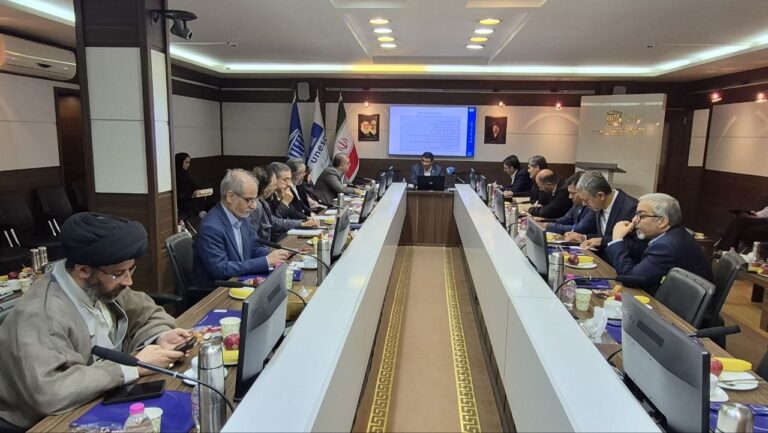
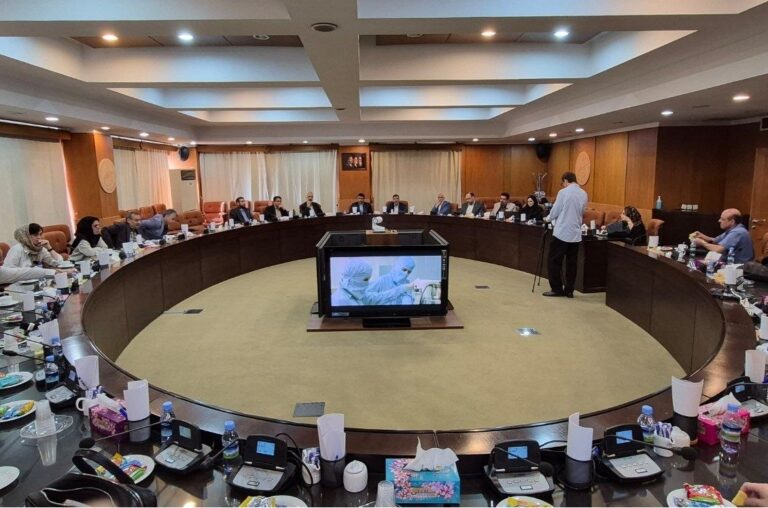
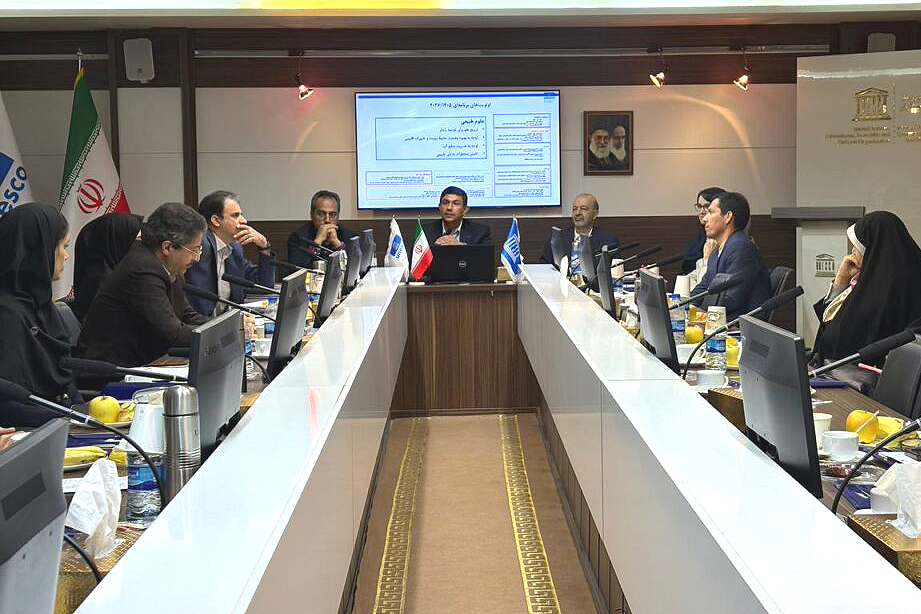
The first meeting of the National Oceanography Committee of Iran’s National Commission for UNESCO was held on Sunday, 14 June 2026, at the Commission’s premises, as part of the new phase of activities of its specialized committees. The meeting was attended by the committee’s individual and institutional members. |

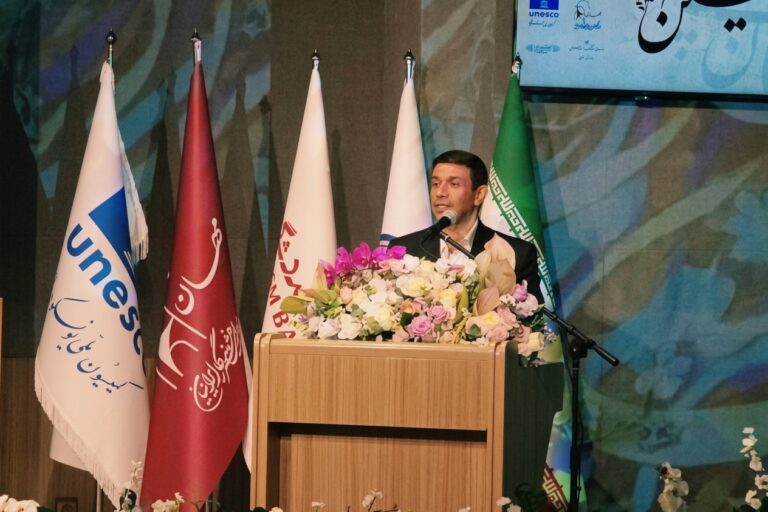
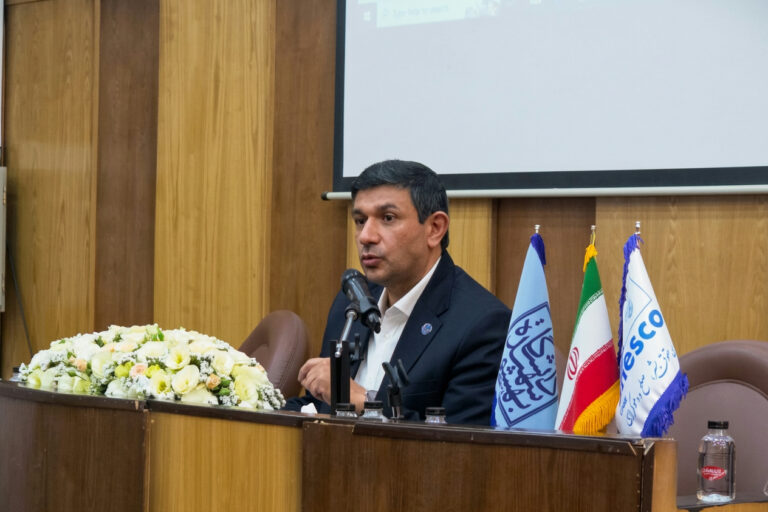
At the beginning of the meeting, Dr. Hassan Fartousi, Secretary-General of Iran’s National Commission for UNESCO, welcomed the committee members and emphasized the importance of launching the National Oceanography Committee and its role in strengthening scientific, research and cross-sectoral cooperation in marine sciences. He also provided a brief introduction to Iran’s National Commission for UNESCO, the structure of its specialized committees and their new regulations, familiarizing members with the mission, objectives and operational mechanisms of the National Oceanography Committee.
Presentation on the Regional Centre for Oceanography Training and Research in West Asia
During the meeting, Ms. Ahmadizadeh, Director of the Natural Sciences Group at Iran’s National Commission for UNESCO and Secretary of the National Oceanography Committee, presented an update on the latest developments, programs and activities of UNESCO’s Intergovernmental Oceanographic Commission (IOC). A report was also presented on the activities, programs and achievements of the Regional Centre for Oceanography Training and Research in West Asia, a UNESCO Category 2 Centre. The report examined opportunities for regional and international cooperation in oceanography, education, research and the development of marine sciences. Committee members also exchanged views on ways to strengthen the country’s role in UNESCO-related ocean science programs and initiatives.
Election of the Chair and Vice-Chair of the National Oceanography Committee
Under the approved regulations of the National Oceanography Committee, its institutional members include the Director-General for International Specialized Organizations at the Ministry of Foreign Affairs (Seyed Mohammad Sadati-Nejad); the Deputy Head for Marine Affairs and Wetlands at the Department of Environment (Ahmadreza Lahijanzadeh); the Deputy Minister for Water and Wastewater at the Ministry of Energy (Hamidreza Janbaz); the Director-General of the Centre for Atmospheric and Oceanic Sciences at the Iran Meteorological Organization (Behzad Layeghee); the Director of the Regional Centre for Oceanography Training and Research in West Asia and Head of the National Institute for Oceanography and Atmospheric Science (Ali Mahdiniya); a member of the Board of Directors and Deputy for Maritime Affairs at the Ports and Maritime Organization (Allahmorad Afifipour); the Deputy for Fisheries and Fishing Ports at the Iran Fisheries Organization (Ataollah Raeisi); a representative of the General Staff of the Armed Forces of the Islamic Republic of Iran (Second Rear Admiral Davoud Fallah-Nejad); and the Deputy for Geology at the Geological Survey and Mineral Exploration of Iran (Reza Shahbazi).
The meeting was also attended by Morteza Bakhtiari, Nima Pourang, Alireza Sari, Mohammad Saeed Seif and Hossein Negarestan, who were nominated by the Secretary-General as individual members of the National Oceanography Committee and appointed for a two-year term by the Minister of Science, Research and Technology and the President of Iran’s National Commission for UNESCO.
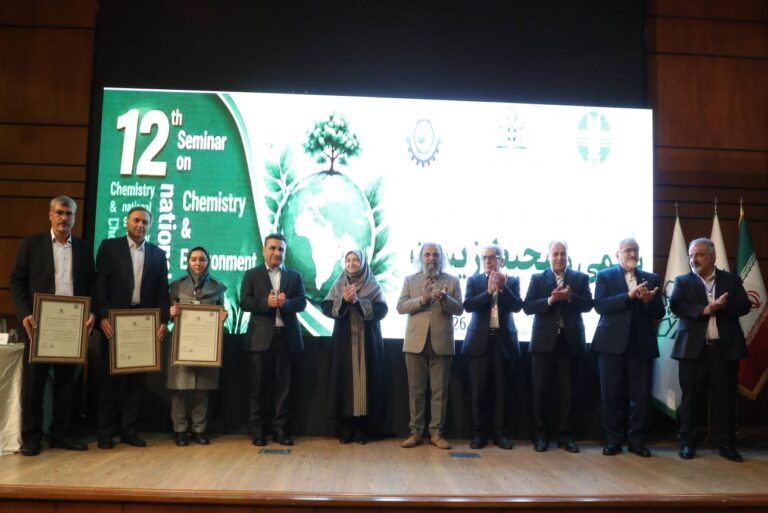
In the final part of the meeting, elections for the committee’s leadership were held in accordance with the new regulations governing the specialized committees of Iran’s National Commission for UNESCO. Based on the members’ votes, Dr. Ali Mahdiniya was elected Chair and Dr. Hossein Negarestan Vice-Chair of the National Oceanography Committee for a one-year term. The appointment certificates for the committee’s individual members, signed by the Minister of Science, Research and Technology, were also presented to them.

The first meeting of the National Oceanography Committee can be regarded as an important step towards strengthening cooperation among relevant institutions, developing the country’s scientific and specialized capacities, and making greater use of UNESCO’s potential in the fields of marine and ocean sciences, with a view to the sustainable management of marine resources and the achievement of sustainable development.