Attacks on Universities Are Attacks on the Future of Human Knowledge
| Secretary-General of Iran’s National Commission for UNESCO During a Visit to the Laser and Plasma Research Institute at Shahid Beheshti University: Under International Conventions and UNESCO’s Emphasis, Scientific and Research Centres Must Enjoy Full Security and Protection |
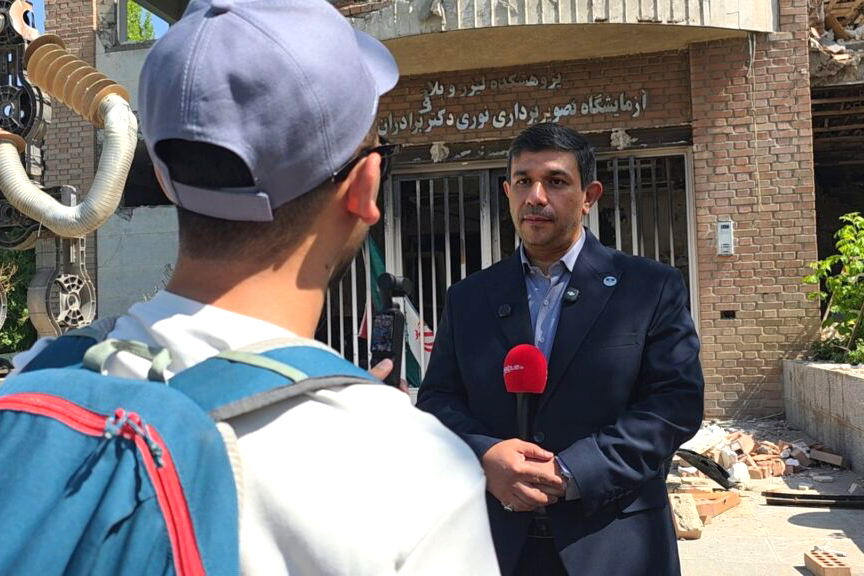
During a visit to the Laser and Plasma Research Institute at Shahid Beheshti University, the Secretary-General of Iran’s National Commission for UNESCO, responding to questions from journalists and media professionals from six countries, stressed the need to protect universities and research centres, warning that any attack on these institutions is not merely damage to an educational establishment, but a blow to science, innovation, and the future of human societies.
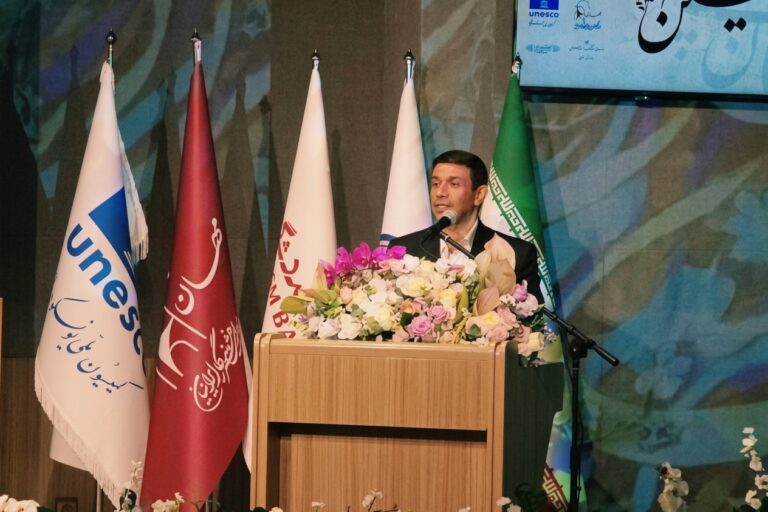
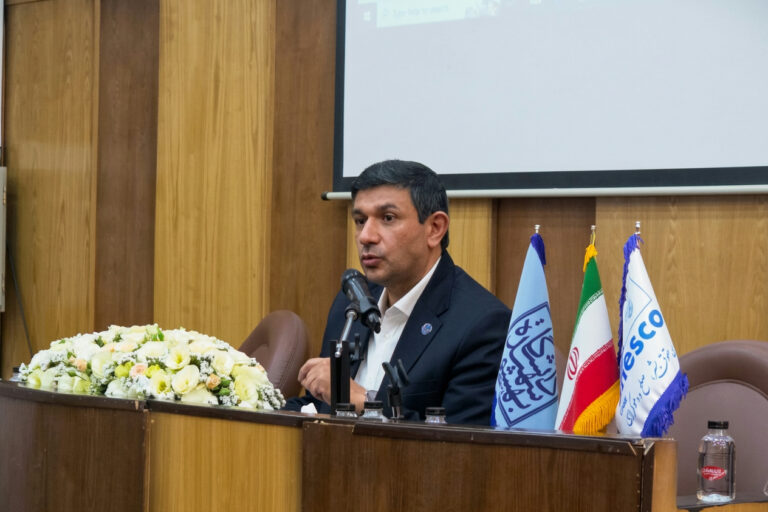
Dr. Hassan Fartousi, Secretary-General of Iran’s National Commission for UNESCO, visited the Laser and Plasma Research Institute at Shahid Beheshti University accompanied by a group of journalists and media professionals from Ireland, Austria, Tunisia, Lebanon, Georgia, and Pakistan. During the visit, he underscored the importance of protecting scientific and research centres in accordance with international laws and commitments.
Referring to Shahid Beheshti University’s scientific standing, he stated that the university’s professors, researchers, and students have played an effective role in advancing knowledge and scientific progress in the country, and that their work contributes to improving the quality of life and well-being of human societies.
Emphasizing that the identity and value of universities extend beyond their physical dimensions, the Secretary-General of Iran’s National Commission for UNESCO noted that the building targeted at Shahid Beheshti University is not merely a physical structure, but a symbol of an attack on science, research, and knowledge production. Any attack on universities and research centres is, in effect, an attack on science and the efforts undertaken to improve human lives.
The Security of Scientific Institutions: A Global Responsibility
Referring to international instruments, recommendations, and conventions related to education and research, he stressed that schools, universities, and scientific institutions must enjoy security and protection. The international community has a responsibility to ensure that pupils, students, professors, and researchers can continue their educational and scientific activities in a safe environment.
The Safety of Scientists: A Priority for the Global Scientific Community
Fartousi also announced an upcoming UNESCO meeting focusing on the safety and security of scientists and researchers, describing this issue as a major priority for the international scientific community.
He emphasized that scientists and researchers are not a threat to societies; rather, they are among the most important drivers of development, innovation, and sustainable progress.
In response to a question about the role and responsibilities of international institutions, the Secretary-General of Iran’s National Commission for UNESCO stated that the central issue is not countries’ expectations, but the implementation of the commitments and responsibilities agreed upon in international instruments and conventions.
He identified the protection of cultural heritage, the safeguarding of children, and ensuring the security of educational and research institutions as among the shared responsibilities of the international community.
The visit was organized as part of efforts to introduce the country’s scientific capacities to international media representatives. It provided an opportunity to emphasize the role of scientific and research institutions in societal development and the need to protect them in accordance with international standards and commitments.
These efforts have contributed to the activities of this institution and the realization of the goals of lasting peace, once again demonstrating the importance of skilled and committed human resources in fulfilling organizational missions.