

Emphasis on the Registration of the Intangible Heritage of Local Communities and Ethnic Groups in Fars Province and the Development of UNESCO Chairs in Shiraz
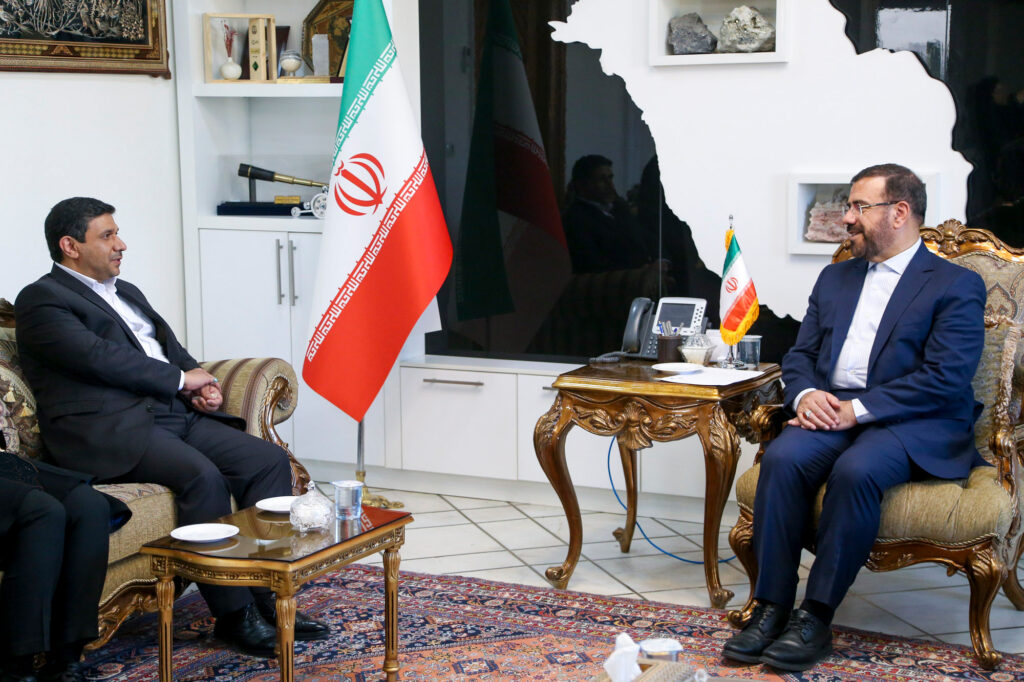
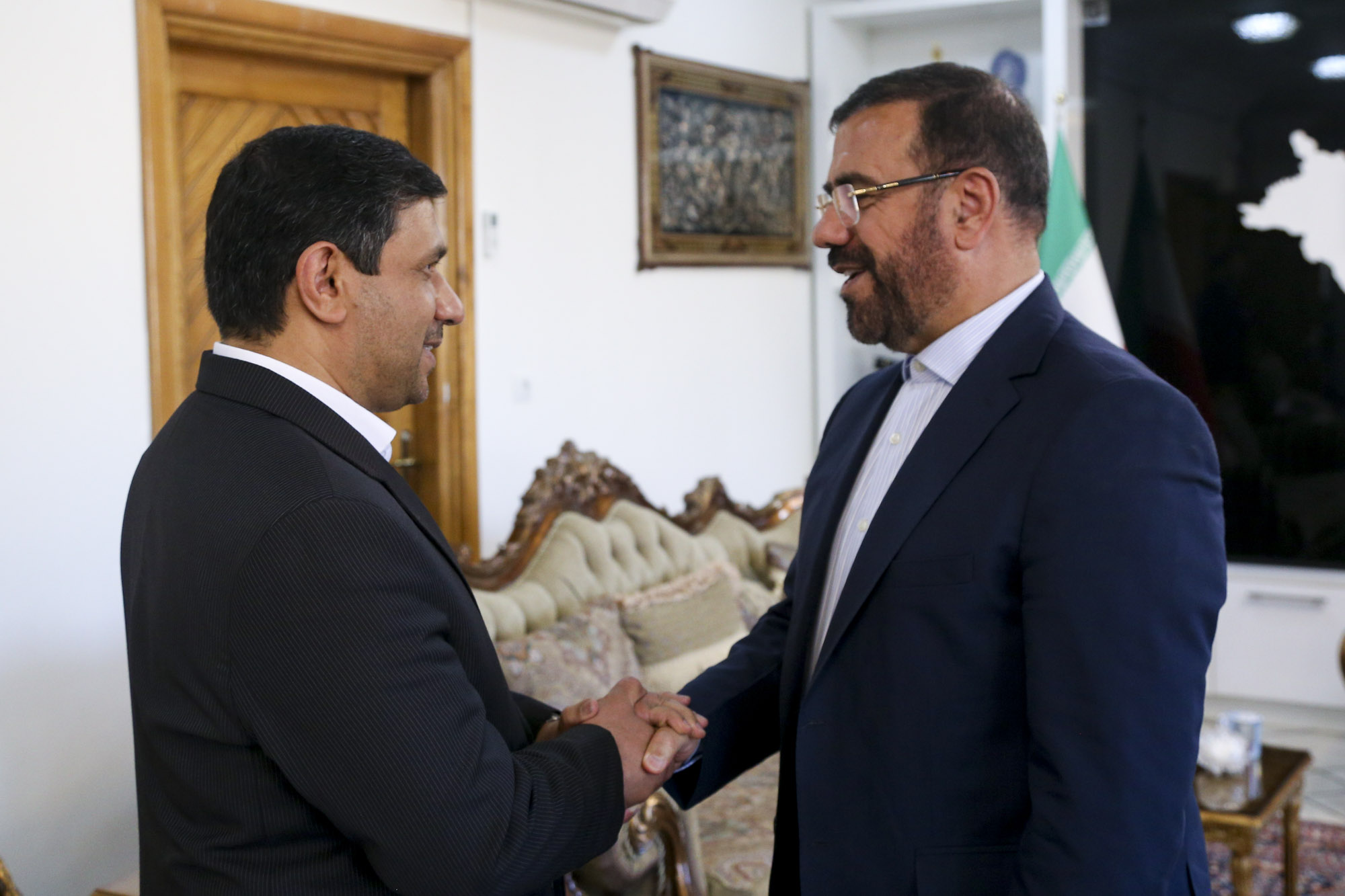
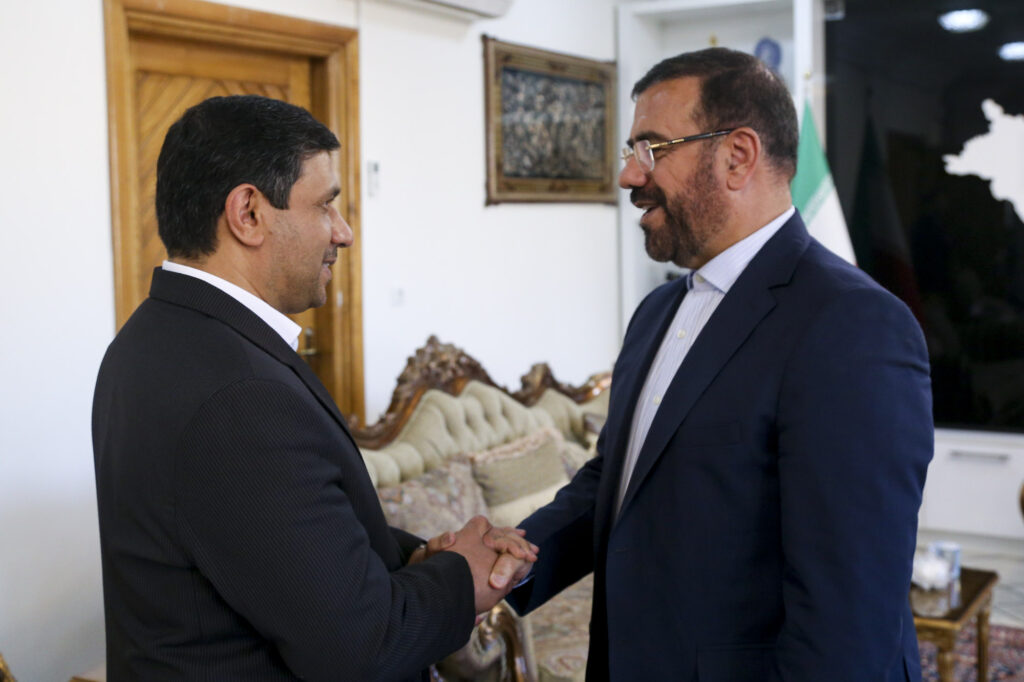
Dr. Hasan Fartousi, Secretary-General of the Iranian National Commission for UNESCO, met and held discussions with Dr. Hossein-Ali Amiri, Governor-General of Fars Province, during his visit to the province. During the meeting, emphasis was placed on the inscription of the intangible heritage of local communities and ethnic groups in Fars Province on the UNESCO World Heritage List, as well as the opportunity to submit formal requests for the establishment of UNESCO Chairs at universities in the province and to enhance Shiraz’s standing within UNESCO networks. |
Intangible Heritage: The Living Identity of Iranian Ethnic Groups
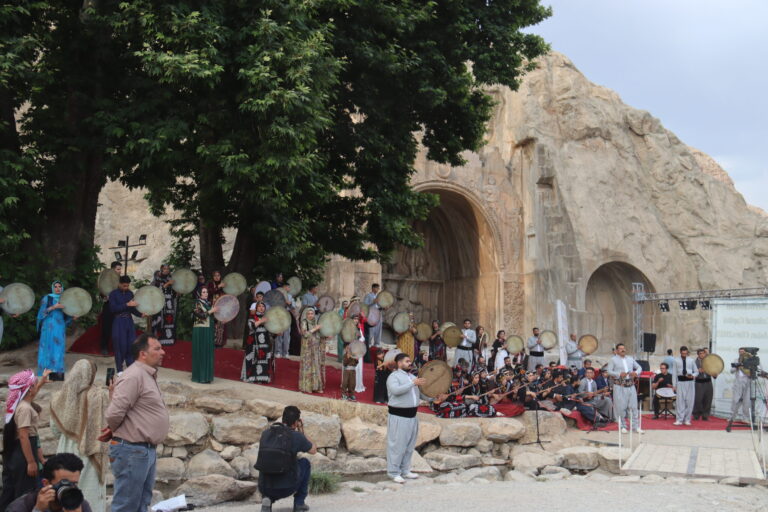
The meeting was held on Tuesday, 6 May 2025, at the office of the Governor-General of Fars Province. Dr. Hasan Fartousi, Secretary-General of the Iranian National Commission for UNESCO, referred to his recent visits to various provinces across the country and described Fars Province as a unique treasure trove of internationally inscribed heritage, ethnic diversity and intangible heritage. He added that preserving and inscribing the cultural heritage of ethnic groups, including the music, clothing, rituals and languages of local communities, is an essential action that contributes to shaping identity.
Fartousi also emphasized the importance of identifying the identities of local communities and recognizing them at the national level. He described Fars Province as a peace-loving province, rich in artistic traditions and endowed with a rich culture that could serve as a successful model for achieving UNESCO’s scientific, educational and cultural objectives.
Action towards Membership in the UNESCO Creative Cities Network
The Secretary-General of the Iranian National Commission for UNESCO, noting that Shiraz is currently a member of the UNESCO Global Network of Learning Cities, announced efforts to join the UNESCO Creative Cities Network in the field of literature. He added that, given Shiraz’s rich heritage in Persian culture and literature, the city has considerable potential for membership in this Network, and that literary production and its presentation at the international level should be given due attention.
The Governor-General of Fars Province welcomed the proposal and, referring to the province’s cultural and historical capacities, called for stronger international engagement through UNESCO. He said that the intangible heritage of ethnic groups should be inscribed and preserved, as the identity of every community depends on these elements.
Proposal to Establish UNESCO Chairs and a Regional Centre in Shiraz
During the meeting, Fartousi, referring to the academic standing of universities in Fars Province, considered the opportunity to submit a formal request for the establishment of a UNESCO Chair to be available and said that establishing university chairs in fields such as literature, ethnic cultures and linguistic diversity could provide a platform for the province’s scientific and cultural development.
He also considered the establishment of a UNESCO Category 2 regional centre in Shiraz possible, provided that the necessary support and assistance are secured, and expressed hope that, with the support of the Governor-General’s Office, this potential could be realized.
Emphasis on Human Dignity, Cultural Diversity and Education for National Identity
Dr. Hossein-Ali Amiri, Governor-General of Fars Province, also referred to the importance of preserving and strengthening the identity of Iranian ethnic groups and accepting diversity within unity. He said that incorporating identity-related issues into the education system and paying attention to the inherent dignity of human beings would contribute to national cohesion and reduce social harms.
He also described accession to relevant cultural heritage conventions, such as the Berne Convention and the 2005 UNESCO Convention, as complementary to the activities of the Iranian National Commission for UNESCO and the international activities of the Islamic Republic of Iran, adding that the identity of our society lies in its diversity, although the Persian language and Islam serve as a common thread uniting Iran’s diverse ethnic groups.
Readiness for Expert Meetings and National Mobilization
At the conclusion of the meeting, the Secretary-General of the Iranian National Commission for UNESCO announced the institution’s readiness to hold expert meetings to examine ways of preserving the intangible heritage of ethnic groups and nomadic communities in Fars Province, and called for the support of local institutions in the national and international inscription of these cultural elements. He emphasized the role of the people in safeguarding cultural heritage and the need for education and awareness-raising in this regard.
.