Head of Iran’s National Commission for UNESCO Emphasizes “Dignified Engagement Between East and West” in Revisiting the Thought of Iqbal Lahori
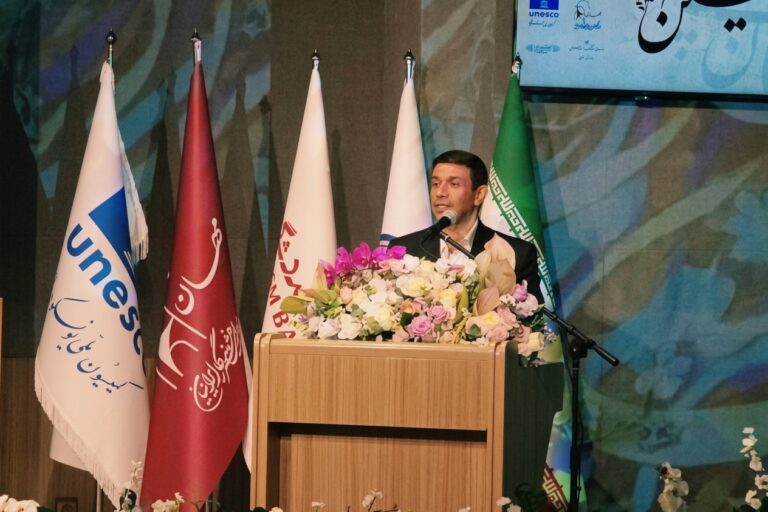
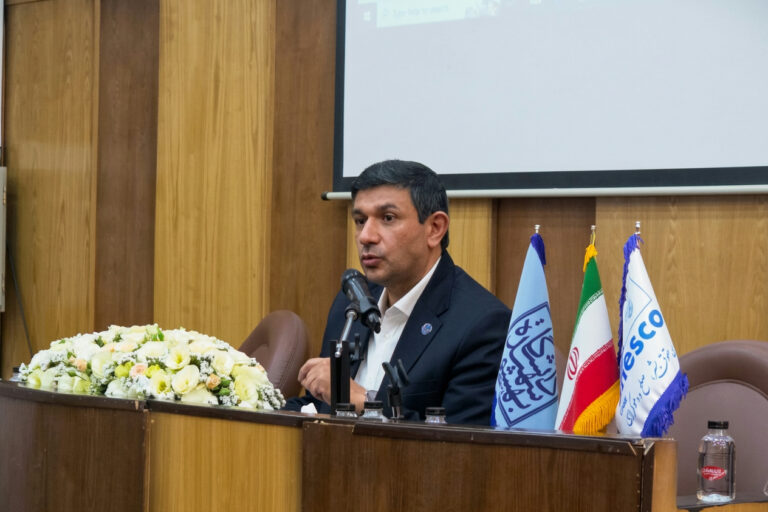
| Dr. Hassan Fartousi, Secretary-General of the Iranian National Commission for UNESCO, speaking at a meeting entitled “East–West Engagement in the Thought of Allama Muhammad Iqbal Lahori,” emphasized the need to revisit Iqbal’s ideas. He described Iqbal’s approach as one based on constructive engagement, self-confidence and the preservation of human dignity, highlighting its potential to guide contemporary societies. |
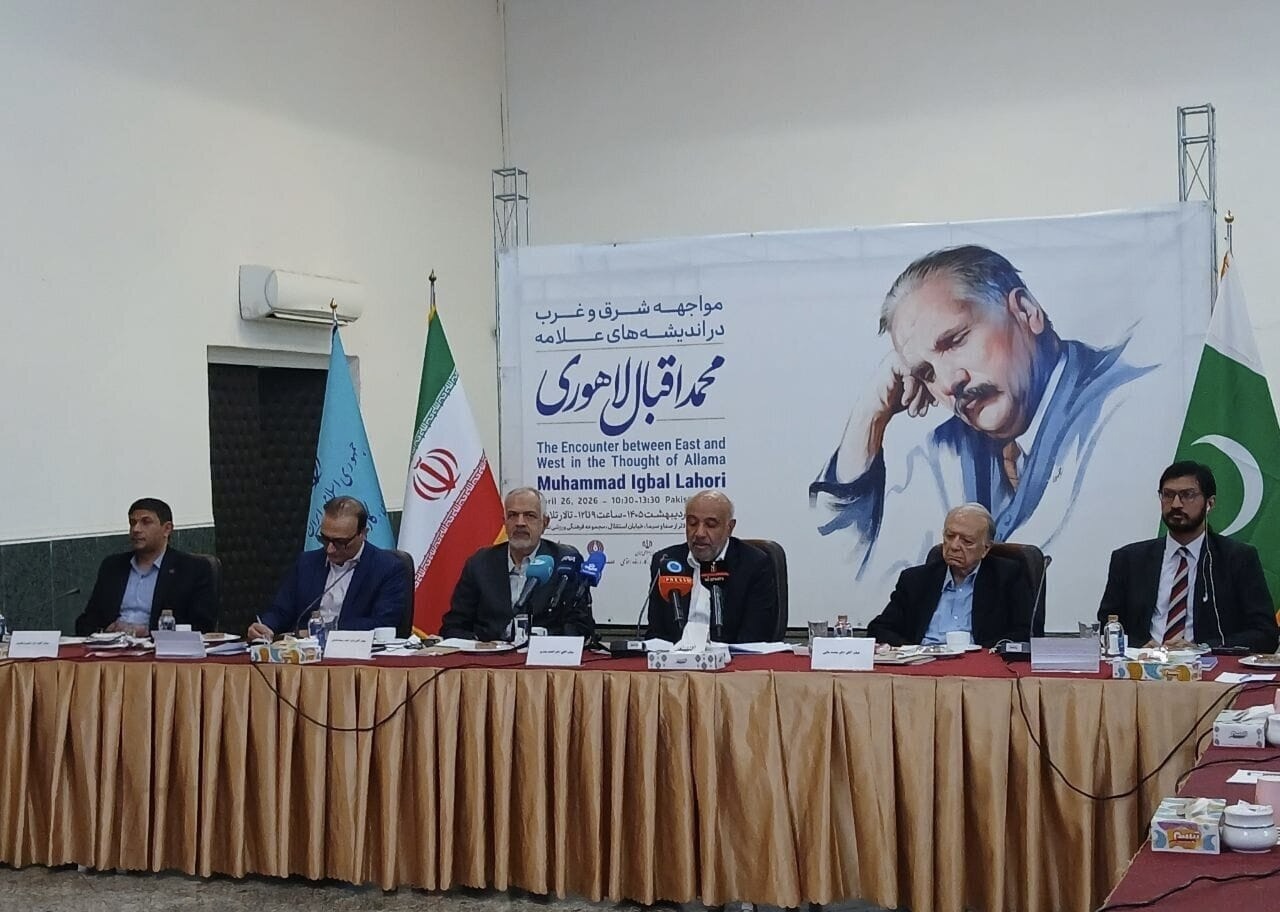
A specialized academic conference entitled “East–West Engagement in the Thought of Allama Muhammad Iqbal Lahori” was held in Pakistan to mark the 88th anniversary of the death of Allama Iqbal Lahori, the renowned Eastern thinker.
The conference aimed to examine the philosophical, political and literary perspectives of this great poet and thinker of the Islamic world on civilizational encounters and the search for Islamic identity amid the intellectual currents of East and West. Various aspects of Iqbal’s thought concerning Islamic awakening and engagement with modernity were discussed and debated.
The conference featured online presentations by prominent Iranian academic and political figures and was held with the executive support and backing of the Ministry of Cooperatives, Labour and Social Welfare, the Embassy of the Islamic Republic of Iran and Iran’s Cultural Counsellor’s Office in Pakistan.
In his address, Dr. Hassan Fartousi expressed his appreciation to the organizers, including Elmi-Farhangi Publications, and emphasized the importance of such gatherings in re-examining the intellectual legacy of great thinkers. He stated that honouring figures such as Iqbal Lahori depends, above all, on revisiting and gaining a renewed understanding of their ideas and theories.
Iqbal: An Answer to the Identity Crisis in the Islamic World
Referring to the historical circumstances that shaped Iqbal’s thought, Dr. Fartousi stated that Iqbal emerged during a particular period in the history of the Islamic world, under colonial rule, when Muslim societies had developed a sense of inferiority in the face of the West. As a concerned intellectual, Iqbal sought to challenge this condition through cautionary literary expression and to revive the spirit of self-awareness.
From Confrontation to Engagement: Redefining East–West Relations
Addressing the concept of “engagement” in the conference title, Dr. Fartousi noted that although confrontational attitudes towards the West had been prominent in the past, contemporary interpretations of Iqbal’s thought emphasize constructive engagement and interaction with the West.
He added that Iqbal, who was familiar with both Eastern societies and Western civilization, believed that Western rationality, without a connection to Eastern spirituality and love, would ultimately lead nowhere.
The Connection Between Science and Ethics in Iqbal’s Thought
Elaborating on Iqbal’s perspective on science, the Secretary-General of the Iranian National Commission for UNESCO noted that Iqbal admired the scientific progress of the West while warning that the separation of science from ethics could turn it into a destructive instrument. He therefore emphasized the need to pursue material progress while preserving human dignity.
He also identified “self-confidence grounded in honour and dignity” as a central principle of Iqbal’s thought, stating that rather than advocating fascination with the other, Iqbal emphasized self-knowledge and engagement from a position of dignity. This approach, he noted, can lay the groundwork for constructive engagement and help shape a better future for contemporary societies.
Playing a Role on the International Stage Through Cultural Identity
Referring to Iran’s position within international institutions, including UNESCO, Dr. Fartousi stressed that countries can achieve a standing on the global stage that extends beyond material indicators by drawing on their cultural capacities and self-confidence.
In conclusion, he called on thinkers and intellectuals to strengthen engagement in the fields of science, culture, education and technology. He emphasized that such engagement should begin at the regional level and expand globally, guided by principles such as human dignity, honour and responsibility.