

Review of Kurdistan’s Cultural and Artistic Capacities during the Visit of the Secretary-General of the Iranian National Commission for UNESCO to the Province
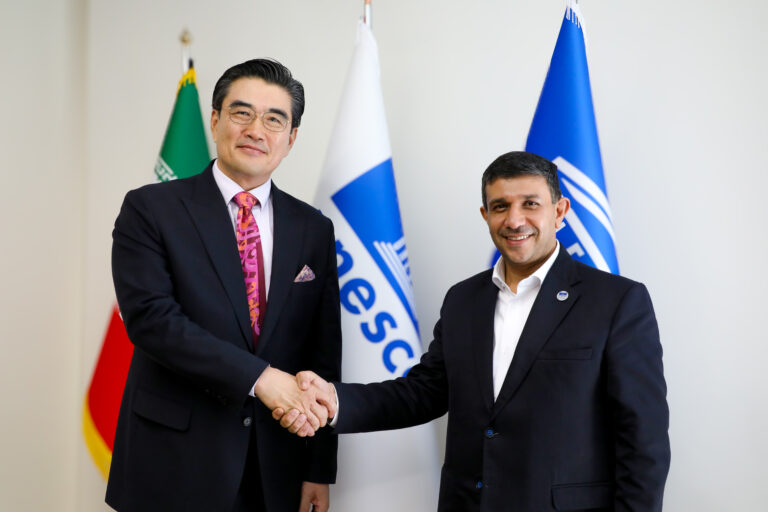
| Dr. Hasan Fartousi, Secretary-General of the Iranian National Commission for UNESCO, led a delegation on a visit to explore the cultural and artistic capacities of Sanandaj, a UNESCO Creative City. |
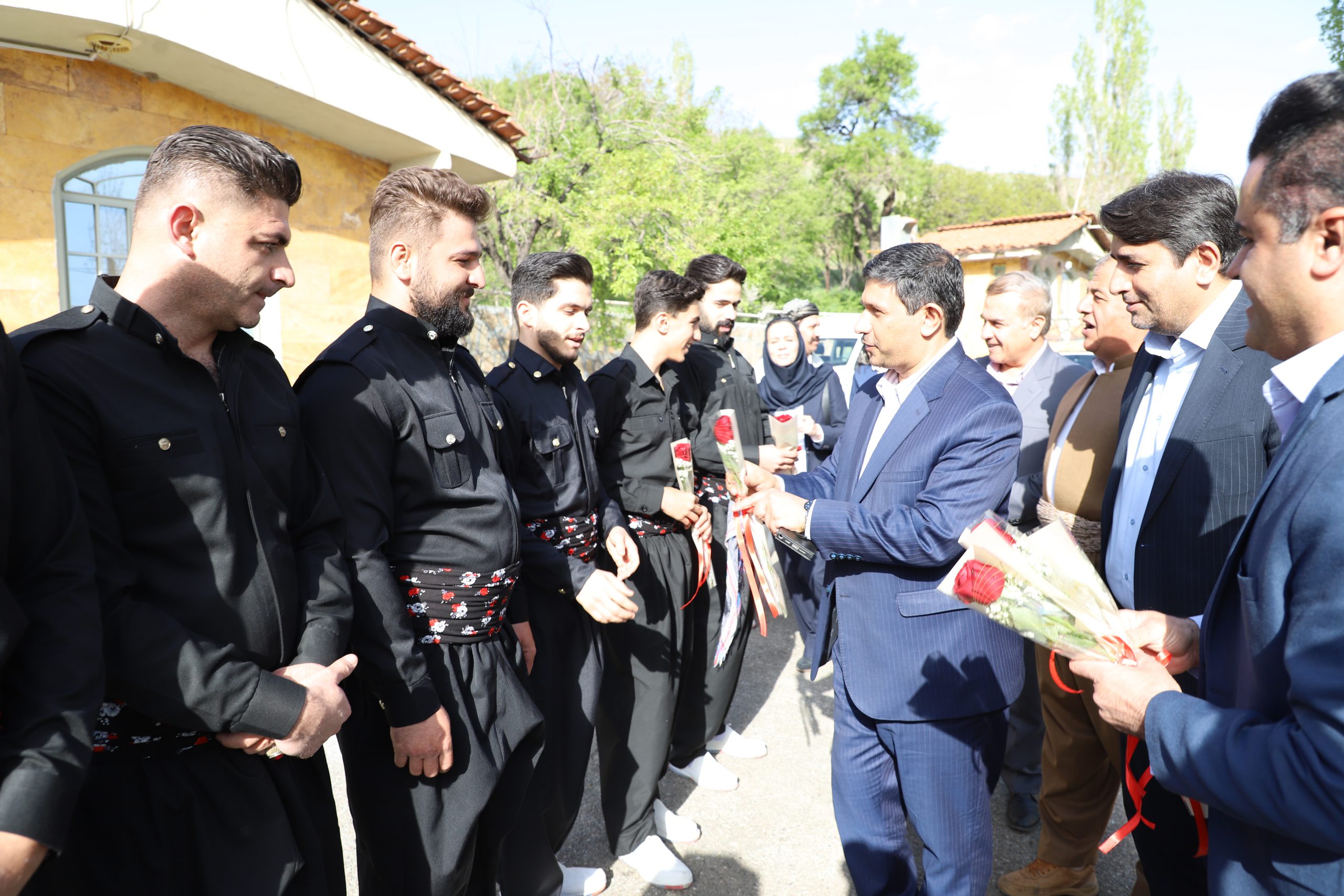
In the early morning of 23 April 2025, the Secretary-General of the Iranian National Commission for UNESCO arrived in Sanandaj with the aim of examining and identifying the cultural, artistic, historical and tourism capacities of Kurdistan Province, particularly the city of Sanandaj as one of the Creative Cities of Music inscribed in the UNESCO Creative Cities Network. He was welcomed by the Mayor, the Chair and members of the Sanandaj City Council, and the Chair of the Provincial Council.
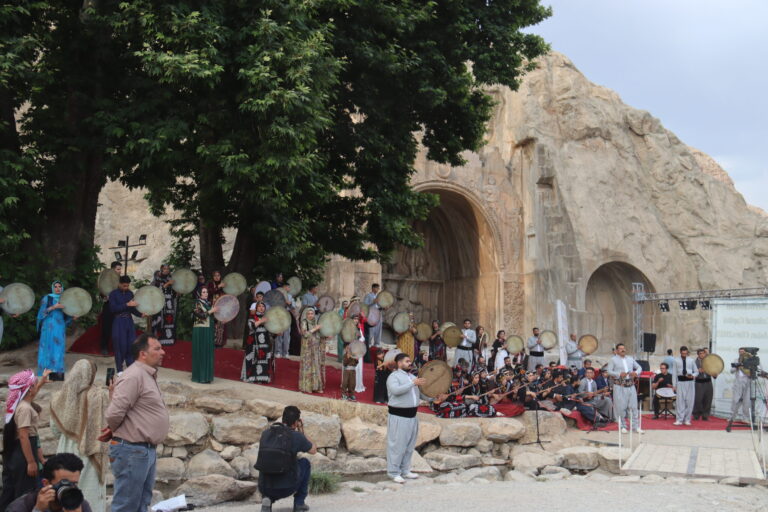
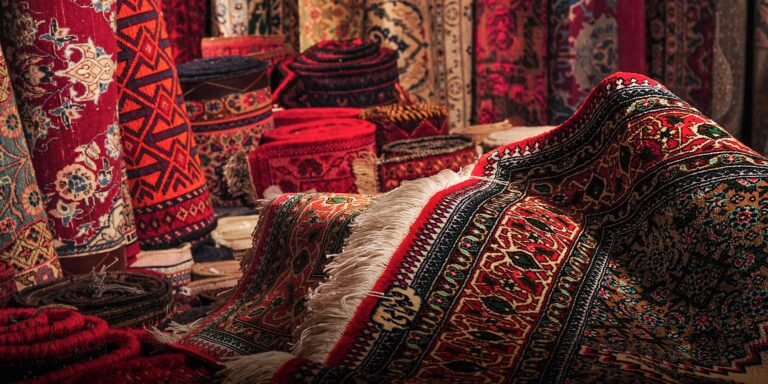
During this several-day visit, the Secretary-General of the Iranian National Commission for UNESCO and his delegation met with artists, prominent figures and intellectuals of the province and attended special programs marking the “Seneh” Commemoration Week and the Creative Cities Global Conference. They also visited historical sites, art galleries, cultural centres, handicrafts exhibitions and tourist attractions in Sanandaj.
Valuable Tourism Capacities of Kurdistan from the Perspective of the Representative of the Supreme Leader
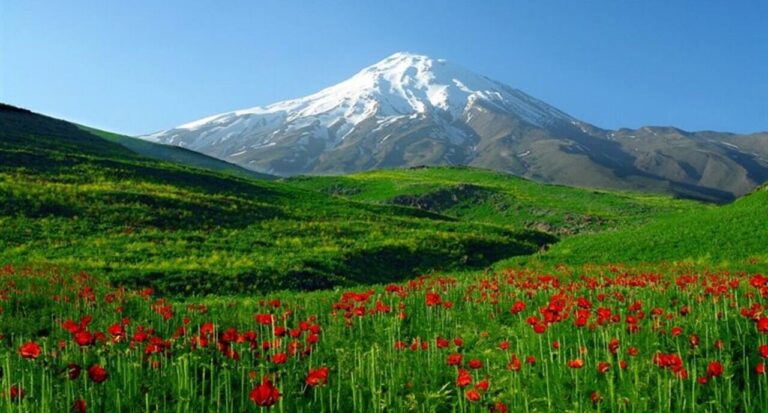
During the meeting, Hojjat al-Islam Pourzahabi, Representative of the Supreme Leader in Kurdistan Province, referring to the province’s outstanding cultural and historical heritage, called for particular attention to the protection and promotion of the valuable heritage of the region. Referring to the province’s tourism capacities, including the Hawraman region as a natural and cultural treasure, he called for greater support for and promotion of the region.
The Representative of the Supreme Leader in Kurdistan also referred to the condition of certain historical buildings, including the Sanandaj Church, stating that these sites have significant potential for tourism development and that barriers to public access to them should be removed. He emphasized the need for particular support from UNESCO and the country’s cultural authorities to preserve and revitalize the cultural heritage of Kurdistan.
UNESCO Has a Special Focus on Kurdistan / The Spirit of Music Runs through the Lives of the People of This Land
During the visit, Dr. Hasan Fartousi, Secretary-General of the Iranian National Commission for UNESCO, met with Hojjat al-Islam Abdolreza Pourzahabi, Representative of the Supreme Leader in Kurdistan Province, in the presence of the Mayor of Sanandaj, and emphasized the province’s prominent cultural standing and its unique role in strengthening the culture of peace and coexistence.
Describing Kurdistan as a cradle of the culture of peace and tolerance, Fartousi stated: “This province has always been a symbol of peaceful coexistence, and the Iranian National Commission for UNESCO has a special focus on it.” He described UNESCO’s mission as building lasting peace through education, science, culture and communication, emphasizing that countries with rich civilizations, such as Iran, have played a pioneering role in laying the foundations of this global movement.
The Secretary-General of the Iranian National Commission for UNESCO also referred to Sanandaj’s membership in the UNESCO Creative Cities Network in the field of music and stated: “Music in Kurdistan emerges from the heart of nature, the people’s hard work and their daily lives, and this cultural characteristic has given Sanandaj a unique position in this global network.”
He added: “Kurdistan also holds a distinguished place in the mystical and spiritual history of the world and has always been a symbol of mutual cultural understanding.” In conclusion, Fartousi emphasized Kurdistan’s role in cultural engagement and stated: “The Iranian National Commission for UNESCO will provide broader platforms for cultural, scientific and educational cooperation and support for this region in the future.”
Sanandaj: A Platform for Cultural and International Events
In the course of the meetings, Seyed Anwar Rashidi, Mayor of Sanandaj, described the city’s comprehensive development as one of the core principles of the Creative Cities Network and emphasized the need to enhance urban infrastructure and citizen participation in this process. Referring to the organization of more than 26 cultural and artistic programs during the Seneh Commemoration Week and the participation of the Secretary-General of the Iranian National Commission for UNESCO and representatives of Iran’s Creative Cities in the event, Rashidi stated: “With the support of the Governor-General, the Representative of the Supreme Leader and the Iranian National Commission for UNESCO, promising prospects lie ahead for the cultural advancement of Sanandaj.”
The Effective Role of UNESCO Chairs in Strengthening Education and Global Peace
During a meeting between the Secretary-General of the Iranian National Commission for UNESCO and Dr. Adel Si-o-Se Marde, President of the University of Kurdistan, in the presence of the Mayor and Chair of the Sanandaj City Council, the need to expand UNESCO Chairs beyond Tehran and decentralize the country’s scientific opportunities was emphasized. Fartousi stated that UNESCO Chairs provide an appropriate platform for scientific diplomacy and the promotion of cultural dialogue, adding: “Our goal is to play a more effective role in the global network of UNESCO Chairs.”
Referring to Kurdistan’s scientific capacities, he announced the Commission’s readiness to support the establishment of new Chairs in the fields of language, culture and biodiversity at the University of Kurdistan. Fartousi also referred to the possibility of establishing a Kurdish Language Chair or a Chair for the Safeguarding of Endangered Indigenous Languages and stated: “By securing international support, these projects can be realized.”
He concluded by stating that Kurdistan’s biodiversity could also receive particular attention from UNESCO and that, through careful planning, Iran’s role in the region’s scientific and cultural future could be strengthened.
The Creative City of Music Designation: A Golden Opportunity to Highlight Kurdistan’s Culture
Mamosta Faeq Rostami, Friday Prayer Leader of Sanandaj, during his meeting with the Secretary-General of the Iranian National Commission for UNESCO, referred to Sanandaj’s designation as a Creative City at the global level and described the title as a great honour for the people of Kurdistan. He stated: “This designation is a valuable opportunity to introduce the rich, authentic and spiritual culture of the people of Kurdistan to the global community. Throughout history, the people of this land have lived through art, ethics, spirituality and culture, and today they are deserving of this international standing.”
Emphasizing the need to harness international capacities for the cultural development of the region, he added: “The Creative City of Music designation should not only contribute to strengthening artistic infrastructure, but should also become a platform for introducing the spiritual and cultural way of life of the people of Kurdistan.”
Sanandaj: A Symbol of the Cultural Development of the People of Kurdistan
The Secretary-General of the Iranian National Commission for UNESCO, for his part, referring to Sanandaj’s designation as a Creative City of Music, stated: “People who cultivate music alongside respect for nature and spirituality are developed people and can play a decisive role at the national level.”
Kurdistan’s Cultural Heritage Must Be Responsibly Transmitted to Future Generations
Emphasizing the importance of preserving and transmitting Kurdistan’s cultural, historical and spiritual heritage, Fartousi stated: “It is everyone’s responsibility to preserve and responsibly transmit this heritage to future generations. Throughout history, human, Islamic and Iranian civilization has benefited from the efforts of dedicated individuals who have consistently emphasized this responsibility.”
The West Is Indebted to the Cultural Heritage of the East
Referring to the removal of many historical artefacts from the East, including Kurdistan, to Western countries in the past, he stated: “Western museums owe their flourishing to heritage from the East, for which we were not always good custodians in the past.” He added: “The Secretariat of the Iranian National Commission for UNESCO will diligently and rigorously carry out its oversight responsibilities, and we will make every effort within our capacity in this regard.”
Kurdistan’s Role in Iran’s Cultural History Extends Beyond Geographical Borders
Fartousi described Kurdistan’s historical role as extending beyond the borders of the province and emphasized: “Kurdistan has a significant and influential national role in the cultural and historical spheres, as well as in its natural features and spiritual heritage. Many of the spiritual paths of mystical practice found around the world have their roots in this cultural region.”
The Need to Promote a Culture of Peace and Coexistence through Cultural Heritage
The Secretary-General of the Iranian National Commission for UNESCO concluded by emphasizing: “Greater attention must be paid to Kurdistan’s historical role, and a culture of peace, coexistence and understanding of cultural diversity must be firmly embedded in society. Love for humanity is a form of love for divine grace, which we must cultivate within ourselves.”