Scientific Synergy for Sustainable Development: Exploring Opportunities for Cooperation Between Iran’s National Commission for UNESCO and Khuzestan University of Agricultural Sciences and Natural Resources
| Dr. Hassan Fartousi, Secretary-General of Iran’s National Commission for UNESCO, met with Dr. Jamal Fayazi, President of Khuzestan University of Agricultural Sciences and Natural Resources, to explore ways to expand joint cooperation in education, research, agriculture, natural resources, the environment, and sustainable development. The meeting emphasized leveraging the scientific and international capacities of UNESCO networks to implement joint programs and projects and strengthen science diplomacy. |
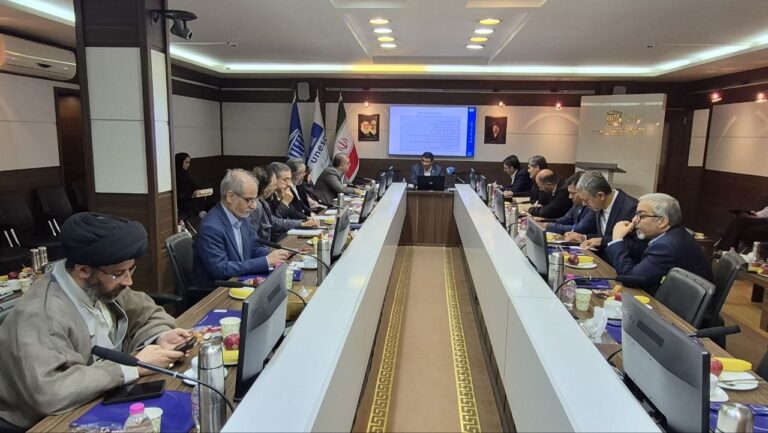
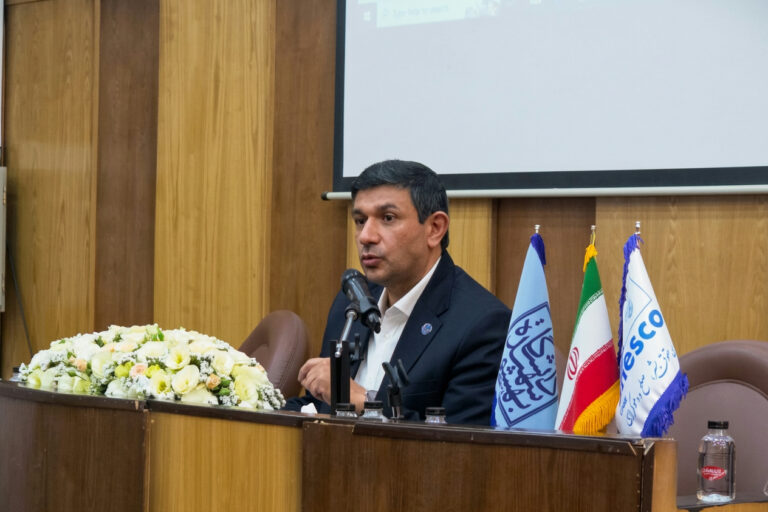
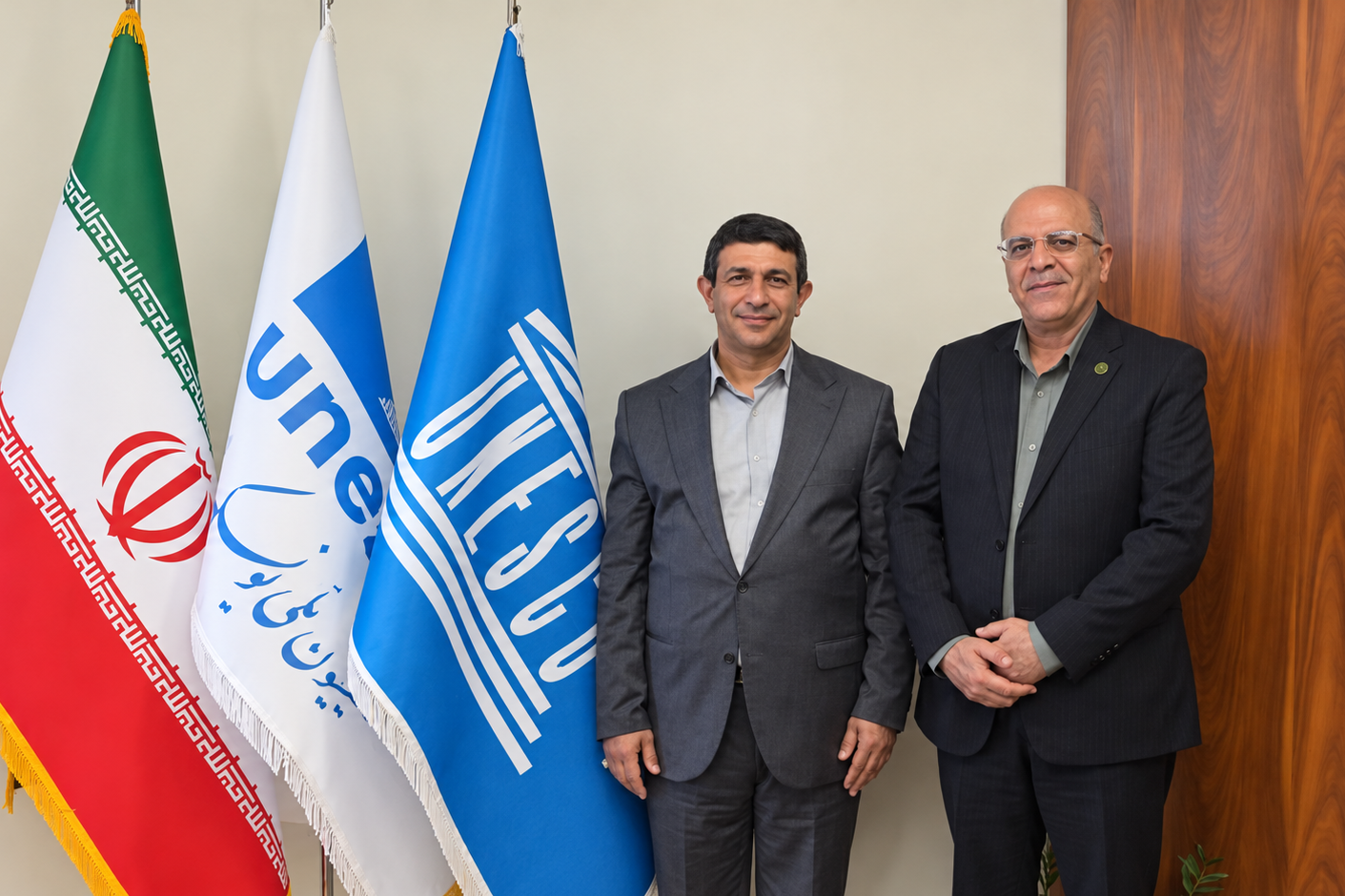
Dr. Hassan Fartousi, Secretary-General of Iran’s National Commission for UNESCO, met with Dr. Jamal Fayazi, President of Khuzestan University of Agricultural Sciences and Natural Resources, and Dr. Saeed Mohammadzadeh, the University’s Vice-President for Cultural, Social, and Student Affairs, on Monday, 29 June 2026, at the premises of Iran’s National Commission for UNESCO.
During the meeting, the two sides reviewed existing opportunities for expanding joint cooperation and exchanged views on strengthening engagement in education, research, agriculture, natural resources, the environment, and sustainable development. They also emphasized the importance of leveraging the scientific, research, and international capacities available through UNESCO networks to design and implement joint programs and projects.
The main topics discussed included expanding scientific and international cooperation, strengthening ties between universities and specialized institutions, and drawing on the University’s capabilities to advance UNESCO’s objectives. The meeting also highlighted the role of interaction and synergy between universities and Iran’s National Commission for UNESCO in advancing educational, research, and cultural programs and creating new opportunities for participation in UNESCO’s scientific and specialized networks.
At the conclusion of the meeting, both sides agreed to continue discussions and follow up on potential areas of joint cooperation. They identified the advancement of scientific collaboration, improvement of education quality, strengthening of problem-oriented research, protection of natural resources and the environment, promotion of sustainable development principles, and expansion of science diplomacy as key priorities for future cooperation. They also expressed hope that these interactions would pave the way for effective joint initiatives, greater university participation in UNESCO’s specialized networks and programs, and expanded national and international cooperation in areas related to the Organization’s mandate.