Secretary-General of Iran’s National Commission for UNESCO: Harnessing the Potential of Social Sciences Is Essential for Managing Social Transformations
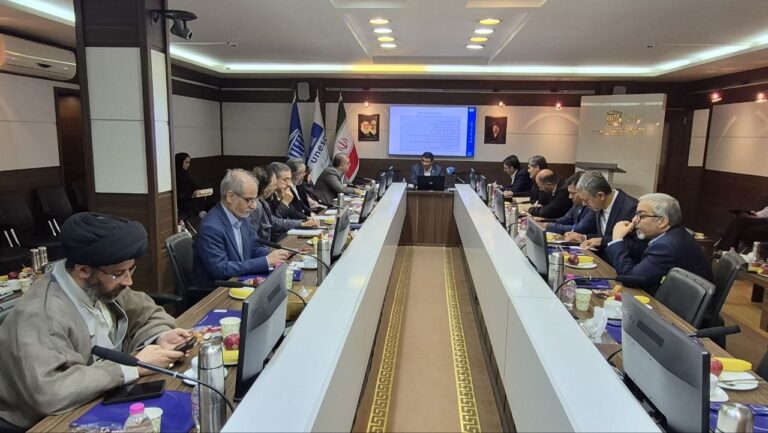
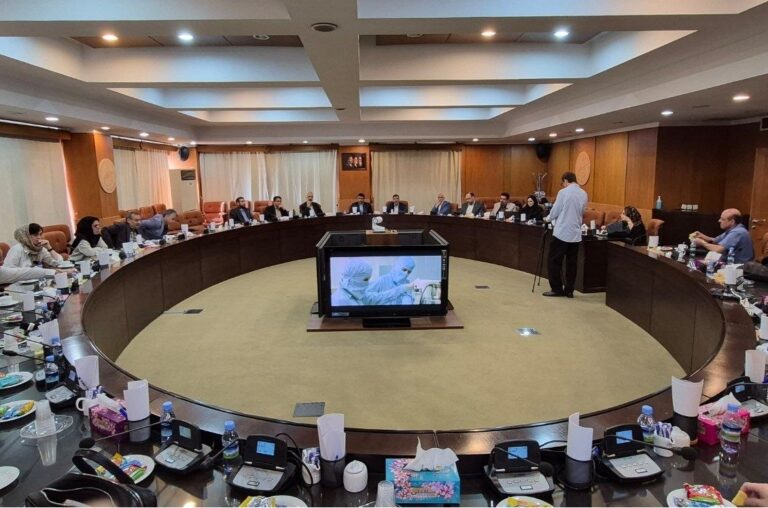
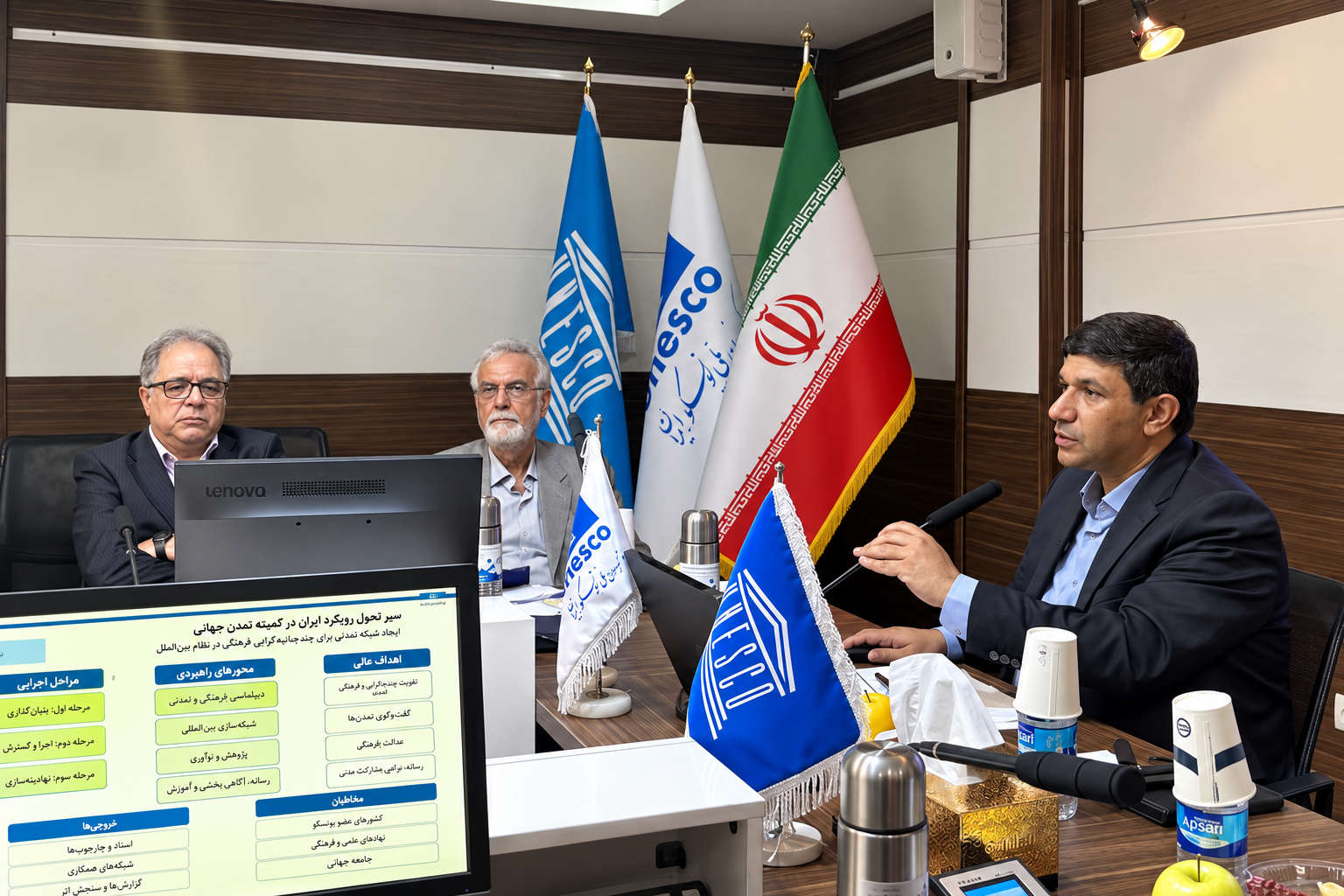
The first meeting of the National Committee for the Management of Social Transformations of Iran’s National Commission for UNESCO was held on Tuesday, 16 June 2026, at the Commission’s premises, as part of the new phase of activities of its specialized committees. The meeting was attended by the committee’s individual and institutional members.
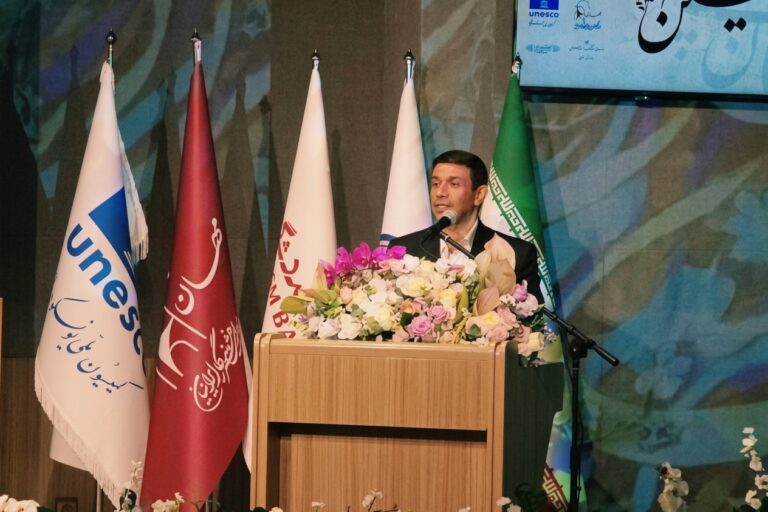
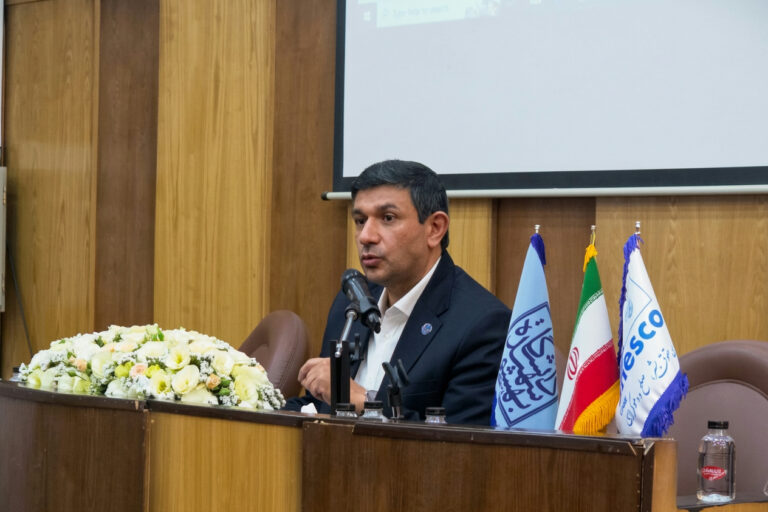
During the meeting, Dr. Hassan Fartousi, Secretary-General of Iran’s National Commission for UNESCO, emphasized the need to strengthen cooperation among the country’s scientific, research and executive institutions and to harness the potential of the social sciences to understand, analyze and manage social developments and transformations.

At the beginning of the meeting, Dr. Hassan Fartousi welcomed the members of the National Committee for the Management of Social Transformations, describing the committee as a platform for expanding cooperation among the country’s universities, research centers and executive institutions. He emphasized the importance of drawing on social science findings in public policymaking.
He also provided a brief introduction to Iran’s National Commission for UNESCO, the structure of its specialized committees and the new regulations governing their activities, familiarizing members with the mandate, objectives and operational mechanisms of the National Committee for the Management of Social Transformations.
The MOST Program: UNESCO’s Leading Intergovernmental Programme in the Social Sciences
The meeting continued with a report on the latest developments, plans and activities of UNESCO’s Management of Social Transformations (MOST) Program. The report examined the program’s position as UNESCO’s leading intergovernmental program in the social sciences and its role in strengthening the link between social science research and public policymaking.
A report was also presented on the participation of the representative of the Islamic Republic of Iran in the virtual meeting of the Bureau of the MOST Intergovernmental Council, held on 21 May 2026.
Strengthening the Link Between Social Sciences and Public Policymaking
This session outlined the main topics discussed at the meeting of the Bureau of the MOST Intergovernmental Council. These included strengthening the relationship between social sciences and public policymaking; expanding the dissemination and use of the achievements of the MOST Program; reviewing UNESCO’s structural and programmatic changes in its new phase; and planning for the extraordinary session of the MOST Intergovernmental Council scheduled for September 2026.
Committee members also exchanged views on opportunities for cooperation in the social sciences and ways to strengthen the Islamic Republic of Iran’s participation in initiatives and programs related to MOST.
Another part of the meeting was devoted to examining the future plans of the National Committee for the Management of Social Transformations.
The committee’s main areas of activity in its new phase were identified as organizing specialized meetings; monitoring social transformations in the country and conducting foresight research; strengthening national dialogue among generations and social groups; supporting young researchers; preparing policy and scientific reports; establishing a national network of experts; organizing training courses and international webinars; and translating and publishing key UNESCO documents and reports.
According to the approved regulations, the institutional members of the National Committee for the Management of Social Transformations include senior representatives of relevant bodies, such as the State Welfare Organization of Iran, the Iranian Red Crescent Society, the Ministry of Foreign Affairs, the Judiciary, the Ministry of Justice, the Ministry of Cooperatives, Labour and Social Welfare, the Ministry of Health, the Ministry of Sports and Youth, the State Welfare Organization of Iran, and the Vice Presidency for Women and Family Affairs.
The meeting was also attended by Dr. Mohammad Reza Saeidabadi, Dr. Seyed Zia Hashemi, Dr. Tavakkol Kowsari, Dr. Soleiman Paksherest, Dr. Taghi Azad Armaki, Dr. Mohammad Reza Jalaeipour and Dr. Majid Safari Nia. These individuals, introduced by the Secretary-General of Iran’s National Commission for UNESCO as individual members of the committee, had been appointed for a two-year term by the Minister of Science, Research and Technology and President of Iran’s National Commission for UNESCO.
Election of the Committee Chair and Vice-Chair
At the conclusion of the meeting, elections for the committee’s governing board were held in accordance with the new regulations governing the specialized committees of Iran’s National Commission for UNESCO.
Based on the members’ votes, Dr. Seyed Zia Hashemi was elected Chair and Dr. Askar Jalalian was elected Vice-Chair of the National Committee for the Management of Social Transformations for a one-year term.
The appointment decrees for the committee’s individual members, signed by the Minister of Science, Research and Technology, were also presented to them.
A Step Towards Evidence-Based Policymaking and Expanded National and International Cooperation
The first meeting of the National Committee for the Management of Social Transformations marks the beginning of a new phase in strengthening the relationship between the academic community and the country’s policymaking system. Drawing on the potential of the social sciences, this phase will focus on advancing evidence-based policymaking, developing a deeper understanding of social transformations, expanding national dialogue, and strengthening scientific and international cooperation within the framework of UNESCO’s MOST Programme.