Sport as an Asset for Peace and Resilience: Secretary-General of the Iranian National Commission for UNESCO Warns of the Destruction of Sporting and Cultural Heritage
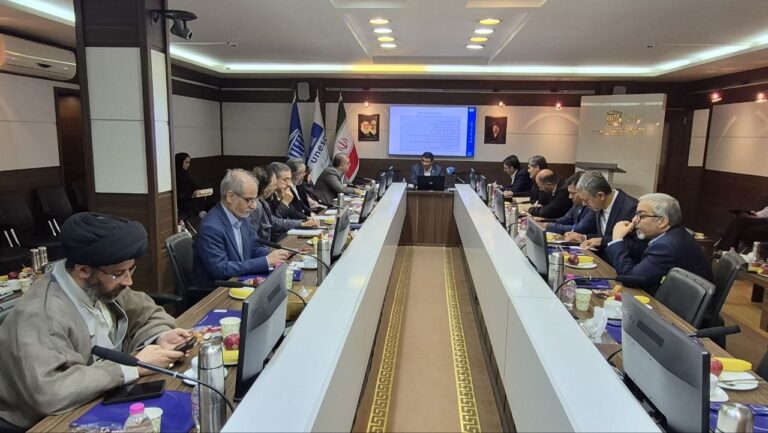
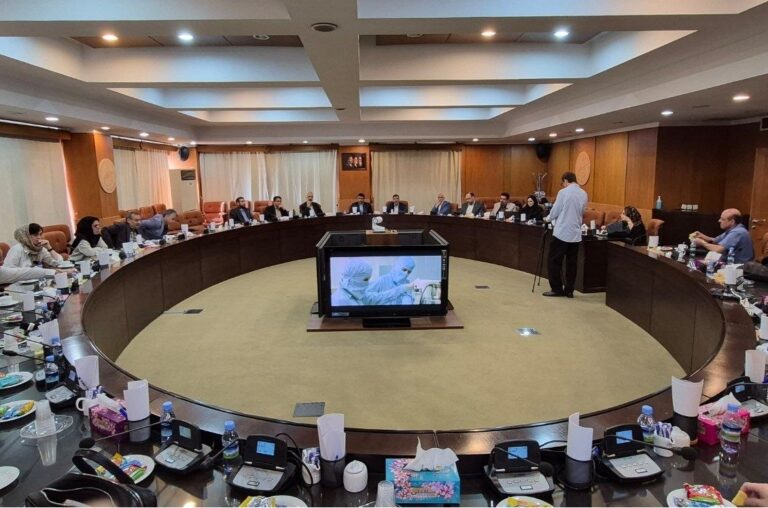
| The virtual meeting entitled “Sports Community Activism” was held on 16 March 2026 to discuss how to manage the effects and consequences of war on sports facilities and programs. Attended by senior officials, university professors, and experts in sports law and sociology, the meeting examined the impact of war on sports infrastructure, activities, and the psychological well-being of the sports community. |
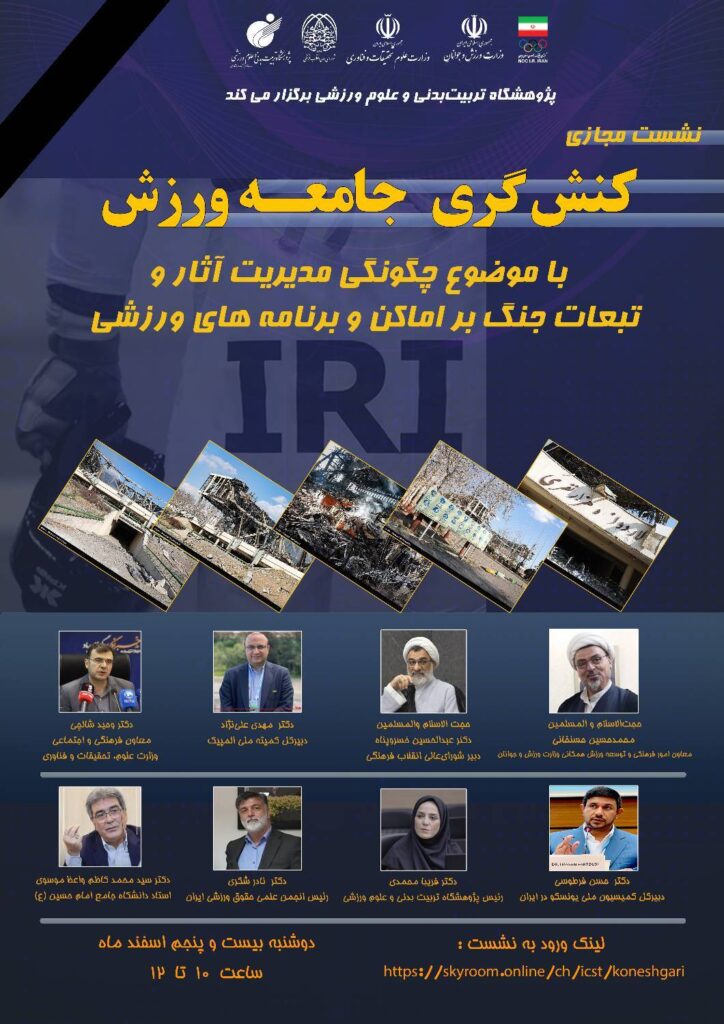
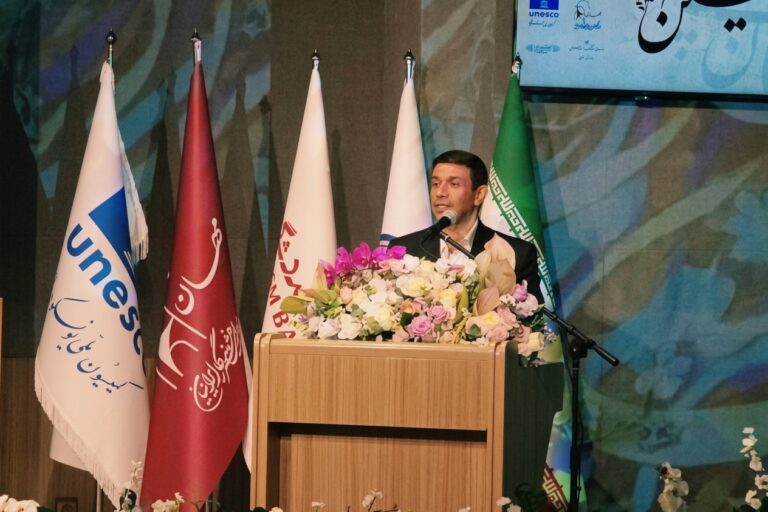
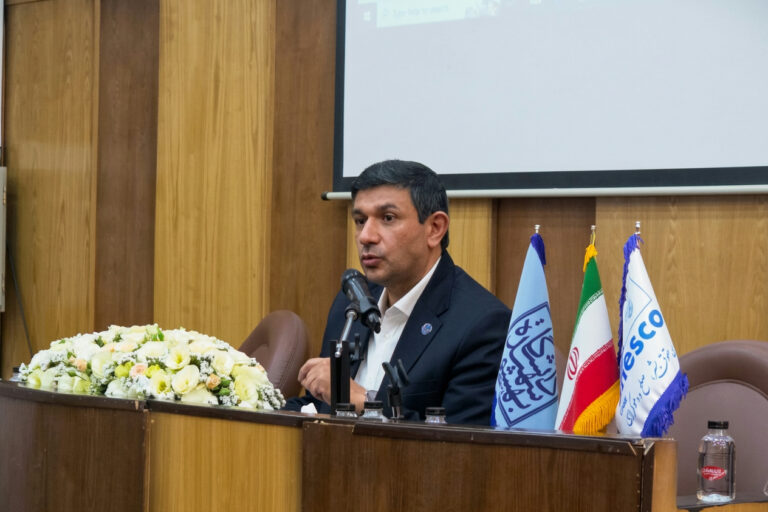
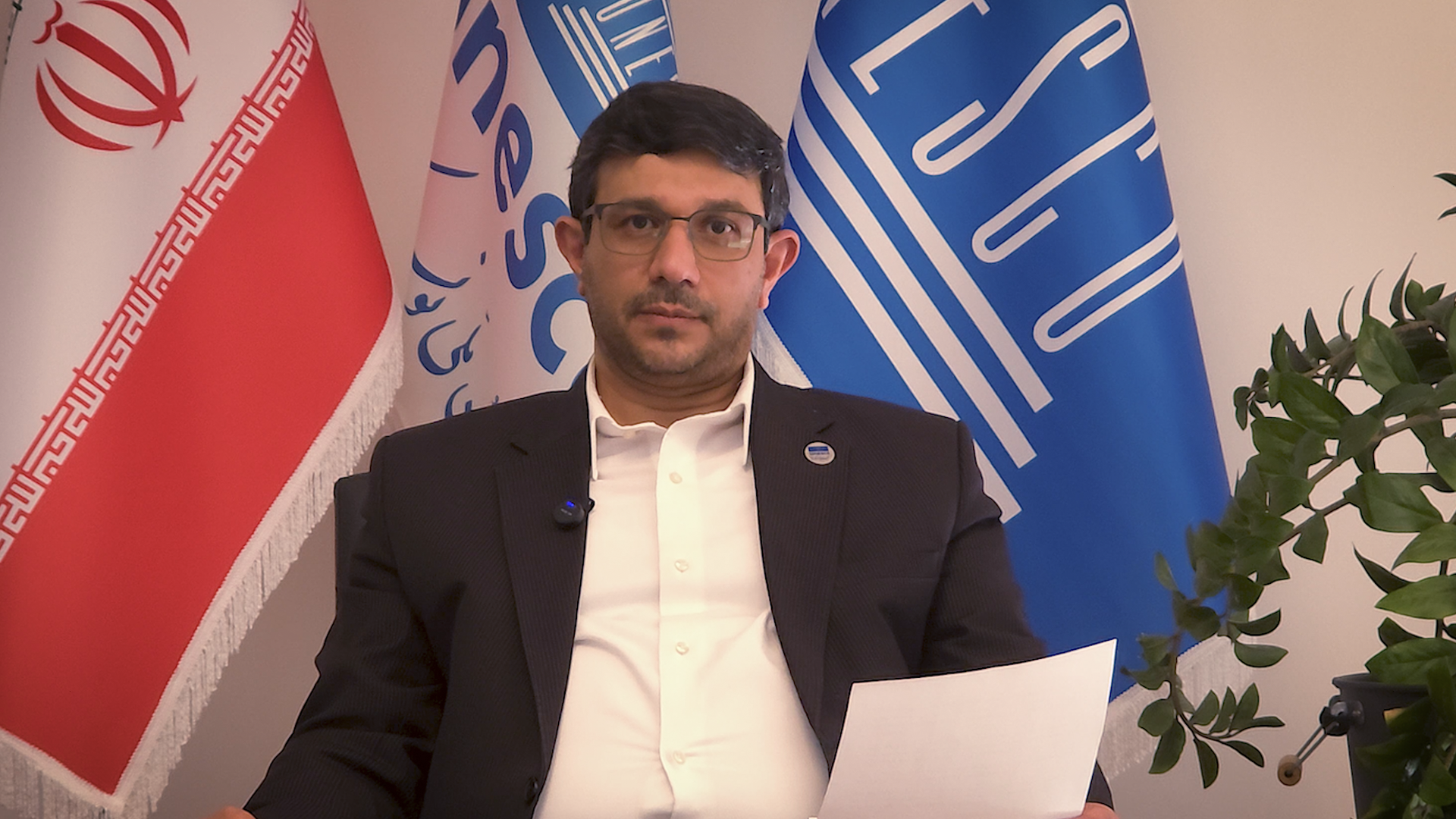
Speakers from the country’s cultural, scientific, and sports institutions attended the meeting, each examining the legal, social, and international dimensions of the destruction of sports facilities from their respective areas of expertise. During the session, Dr. Hassan Fartousi, Secretary-General of the Iranian National Commission for UNESCO, emphasized that sport is not merely a physical activity, but also an integral part of social identity, collective hope, and a community’s cultural capital.
Sport: A Second Home and a Refuge for the Community
Taking a people-centered approach to the social importance of sports facilities, Dr. Fartousi stated that these spaces are more than physical infrastructure; they play a direct role in safeguarding the psychological and physical well-being of society from a cultural and social perspective.
He added that many sports clubs and centers serve as a “second home” for athletes and coaches. Their closure or destruction as a result of war, as some coaches have described it, amounts to a form of social homelessness.
He also noted that sports facilities can serve as shelters and camps during crises. However, sufficient documentation of the damage sustained has not yet been submitted to UNESCO. This shortfall represents a serious gap in legal and international documentation.
The Urgent Need to Document Damage and Bring the Story of Sport in Times of Crisis to the World
Referring to UNESCO’s global initiatives, including “Sport for Peace” and “Sport for All,” the Secretary-General of the Iranian National Commission for UNESCO called on relevant institutions to begin documenting, without delay, the physical, emotional, and social damage caused by war. He stressed that UNESCO stands ready to activate the process of rebuilding sports facilities and securing international support without lengthy bureaucratic procedures.
Dr. Fartousi emphasized the role of sport in reducing social anger, strengthening collective resilience, fostering hope, and mobilizing international assistance for sustainable reconstruction. He noted that developing relevant discourse, documenting personal accounts, and conveying the realities of an unequal war through sport could help mobilize global public opinion in support of affected nations and athletes.
Other experts also addressed the issue from their respective areas of expertise. Abdolhossein Khosropanah, Secretary of the Supreme Council of the Cultural Revolution, described “sports terrorism” as an instrument used by the enemy to undermine sport’s social capital and called for the launch of a global athletes’ campaign against war. Dr. Nader Shokri, President of the Scientific Association of Sports Law, described the destruction of sports facilities as a clear violation of international humanitarian law and emphasized the need to pursue legal action through the International Court of Justice. Dr. Mehdi Alinajjad, Secretary-General of the National Olympic Committee, reported that official reports on the deaths of athletes and the destruction of sports facilities had been submitted to the International Olympic Committee (IOC) and the Olympic Council of Asia. Dr. Mohammad-Hossein Hassankhani, Deputy Minister of Sports and Youth for Cultural Affairs, also described the sports community as a symbol of resistance and national unity.
Dr. Vahid Shalchi, Deputy Minister of Science for Cultural Affairs, further emphasized that sport should form part of scientific and academic identity in order to strengthen social resilience. Fariba Mohammadi, Head of the Institute of Physical Education and Sports Sciences, called for targeted research to identify vulnerable groups. Dr. Seyed Mohammad Kazem Vaez Mousavi, a professor at Imam Hossein Comprehensive University, also noted that the destruction of sports facilities directly threatens society’s psychological security.
Sport: A Common Language of Peace
The virtual meeting entitled “Sports Community Activism” offered a clear picture of the need to adopt a new perspective on sport as a means of promoting peace, preserving historical narratives, and strengthening national resilience.
At the conclusion of the meeting, the Secretary-General of the Iranian National Commission for UNESCO reiterated that sport is a universal language of dialogue, empathy, and reconstruction, emphasizing that documentation and the sharing of these accounts must begin today.