132 Iranian Historical Sites Damaged in Recent Attacks; Tehran Seeks an Extraordinary Meeting of the Hague Convention and the Dispatch of a UNESCO Mission
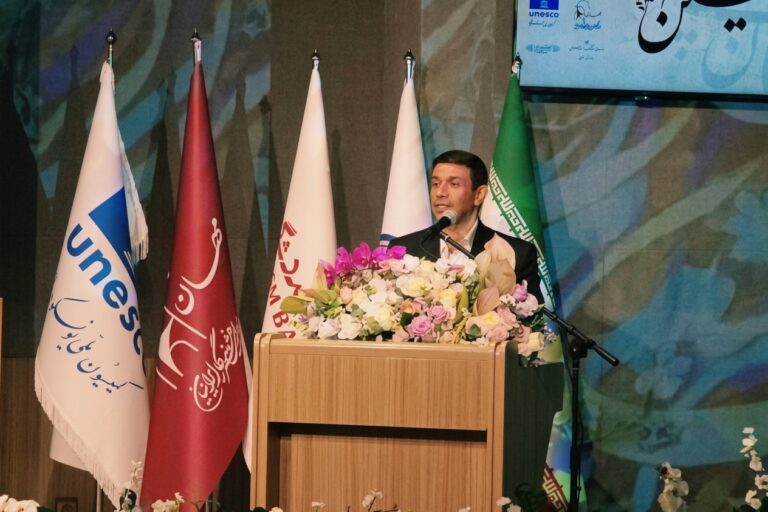
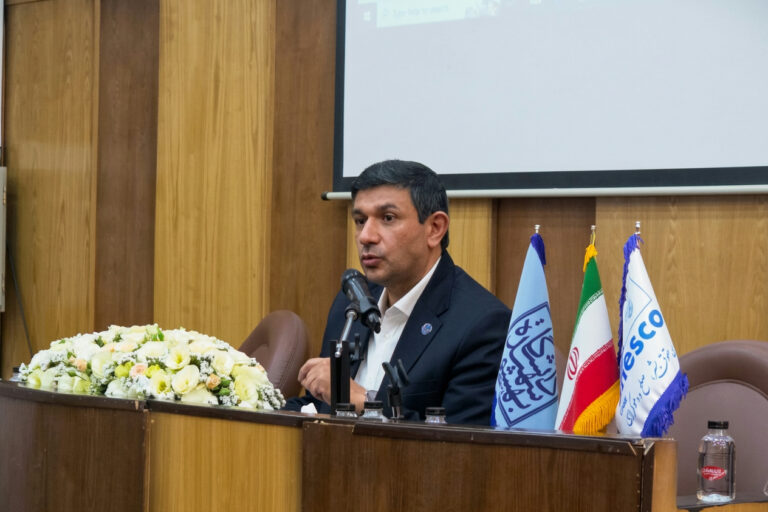
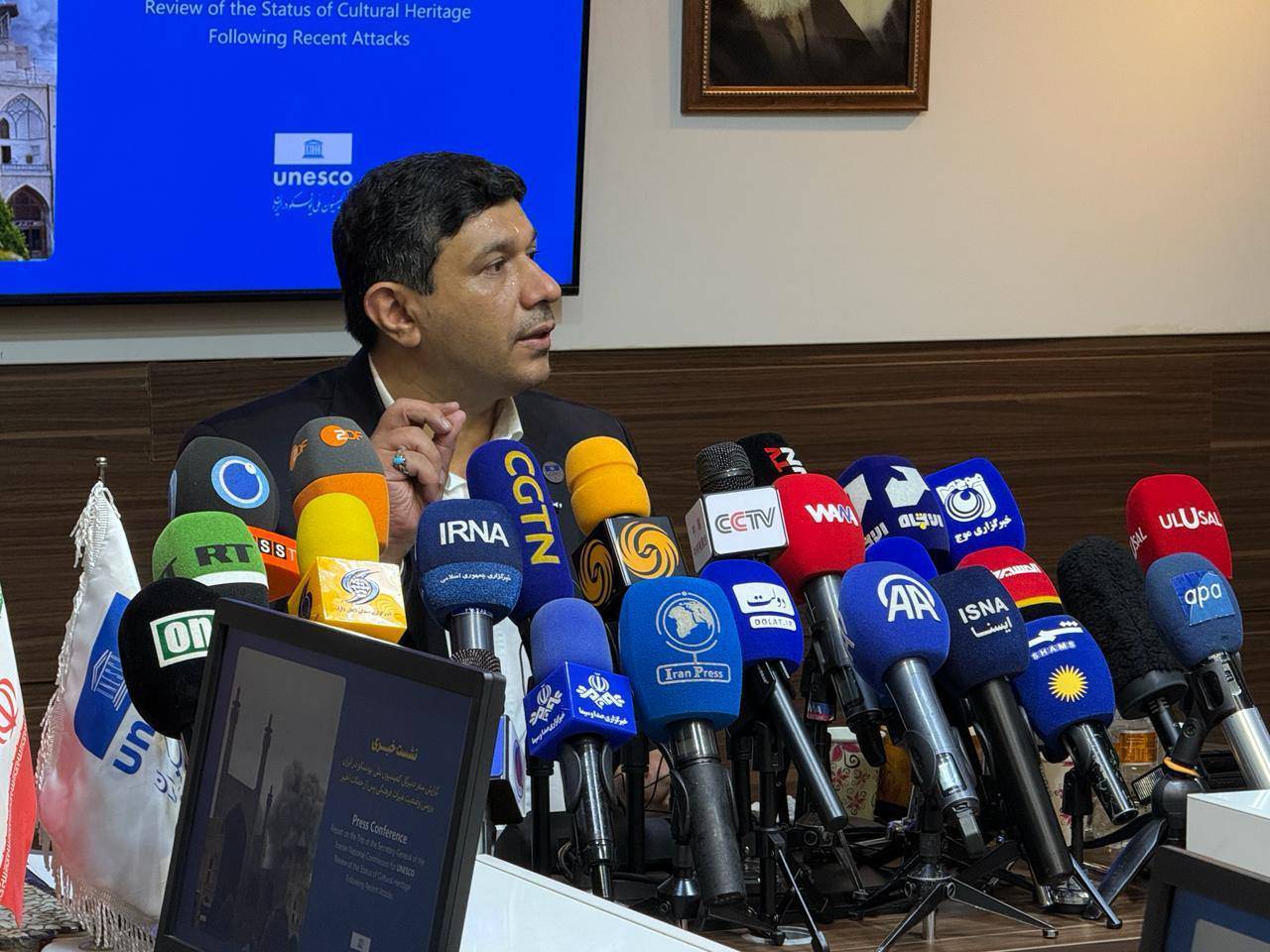
| At a press conference on 31 March 2026, Dr. Hassan Fartousi, Secretary-General of the Iranian National Commission for UNESCO, presented a report on field assessments conducted following the recent attacks and announced that, as of 31 March, 132 historical sites and cultural heritage properties across the country had sustained damage. |
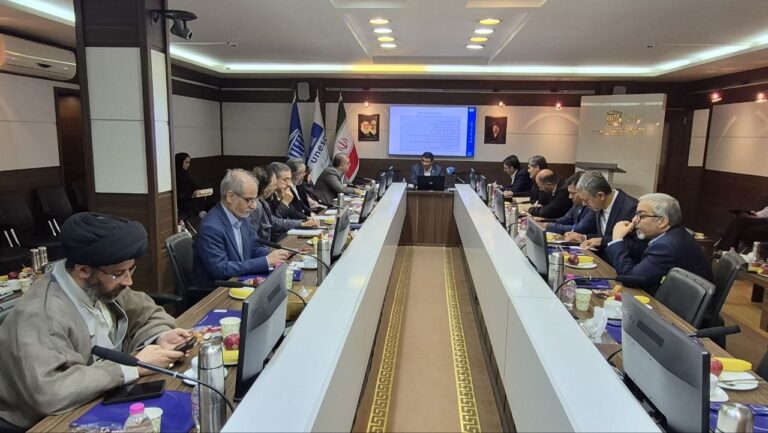
Referring to diplomatic efforts undertaken before and alongside the beginning of the New Year, he said: “Until just hours before the start of the year 1405, a meeting was held with UNESCO officials, including the Secretary of the Hague Convention, during which we emphasized the need to protect Iran’s cultural heritage.” According to him, Iran has formally requested the dispatch of a UNESCO assessment mission and is also pursuing an extraordinary meeting of the Hague Convention for the Protection of Cultural Property in the Event of Armed Conflict.
Emphasizing the importance of accurately documenting the damage, Dr. Fartousi added: “Despite the limitations on deploying international assessors, we consider it our duty to conduct this preliminary assessment and document the damage in order to draw the attention of UNESCO and the international community.” To this end, a field-visit program covering several cities, including Tehran, Sanandaj, Kermanshah, Khorramabad, and Isfahan, began on 22 March, with documentation continuing in the presence of media representatives.
According to him, sites in Tehran, including Golestan Palace and Sa’dabad Palace, were inspected. In Sanandaj, historical buildings, including Asef Mansion, Khosroabad Mansion, and other Safavid- and Qajar-era monuments, had sustained damage. Some of these buildings had not required major restoration for several centuries but have now been severely damaged.
He emphasized: “In many areas, cultural heritage experts are working with minimal resources, even covering the remains of buildings with plastic sheeting to prevent further deterioration from rainfall. These measures fall short of conservation standards, but they are unavoidable under the circumstances.”
Dr. Fartousi added that in Kermanshah, buildings such as Biglarbeigi Tekyeh and Dowlatshahi Mosque had sustained serious damage. In Khorramabad, in addition to damage to the area surrounding Falak-ol-Aflak Castle, the provincial office of the Department of Cultural Heritage was directly targeted, and the city’s handicrafts bazaar was completely destroyed.
The extent of the damage in Isfahan is also considerable, including damage to buildings such as Rokn al-Molk Mansion, the Timurid Hall, the Ashraf Hall, and Chehel Sotoun Palace. In some cases, the intensity of the explosions destroyed historical paintings and caused structural cracks. Even the provincial governor’s office, located within the Isfahan Governmental Complex, was completely destroyed. Sheikh Lotfollah Mosque, the Shah Mosque, and Ali Qapu Palace were also affected by the shock waves from the explosions.
He noted that, at the conclusion of the field visits, reports were received of damage to other cultural landmarks, including the mausoleums of Baba Taher and Avicenna. Cultural heritage sites in Khuzestan Province and the historic port of Siraf in Bushehr Province have also been damaged.
The Secretary-General of the Iranian National Commission for UNESCO also reported damage to 149 university and scientific infrastructure facilities. He stated that universities such as Isfahan University of Technology, the University of Art in Tehran and Isfahan, and Iran University of Science and Technology had sustained serious damage to buildings, laboratories, and equipment. Under the current sanctions, rebuilding this infrastructure will pose significant challenges.
He also referred to international responses, noting that UNESCO had issued statements condemning certain attacks within 24 hours, including the attack on a school in Minab and the damage to Golestan Palace. Three further statements were issued subsequently, including one condemning attacks on universities. Nevertheless, he said, the effectiveness of these institutions depends to a considerable extent on the quality of documentation and the legal follow-up pursued by countries.
Referring to Iran’s membership in the Hague Convention for the Protection of Cultural Property in the Event of Armed Conflict and its participation in the Convention’s Intergovernmental Committee, Dr. Fartousi announced that efforts were also underway to join other relevant UNESCO conventions.
In response to a question from China’s Phoenix TV, he called on China, drawing on its civilizational standing, to propose a resolution in the United Nations Security Council condemning the destruction of cultural heritage.
Dr. Fartousi concluded by emphasizing that cultural heritage is not merely a collection of buildings, but the historical memory and identity of peoples. Much of the damage is irreparable, and protecting cultural heritage is a global responsibility and an essential imperative for safeguarding humanity’s historical memory.