

UNESCO-Isfahan Creative Cooperation: A Model for Sustainable Cultural Development
| Secretary-General of the Iranian National Commission for UNESCO: The Exchange of Experience and Knowledge between UNESCO and Various Provincial Institutions in Isfahan Is an Effective Step towards Achieving the Region’s Goals, and Isfahan Province, with Its Rich Heritage and Exceptional Culture, Is Recognized as a Cultural Hub in the World. |
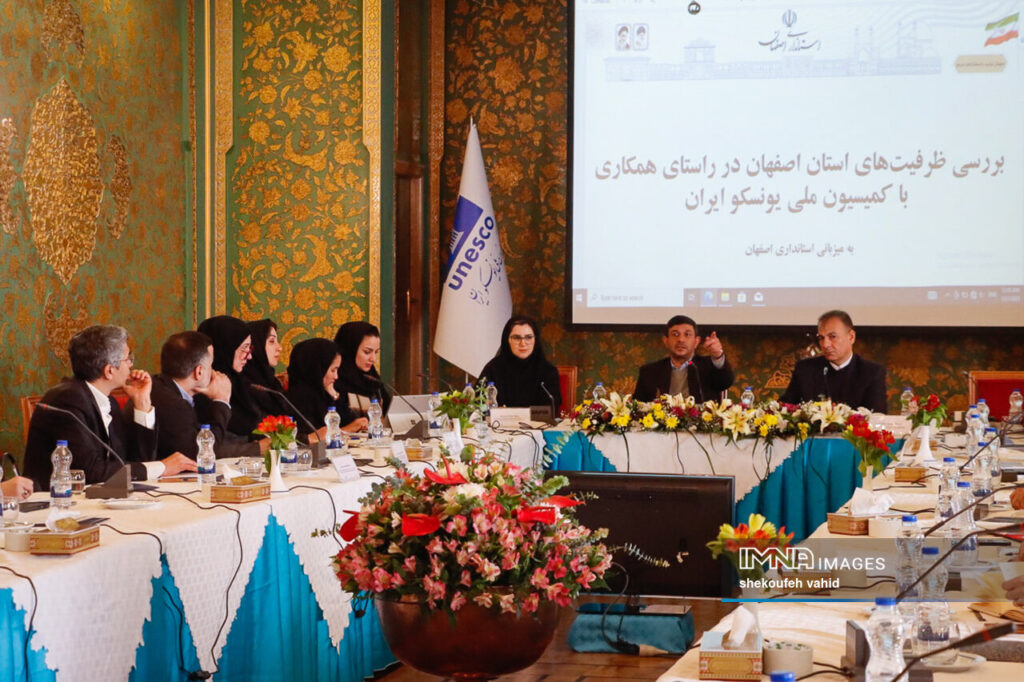
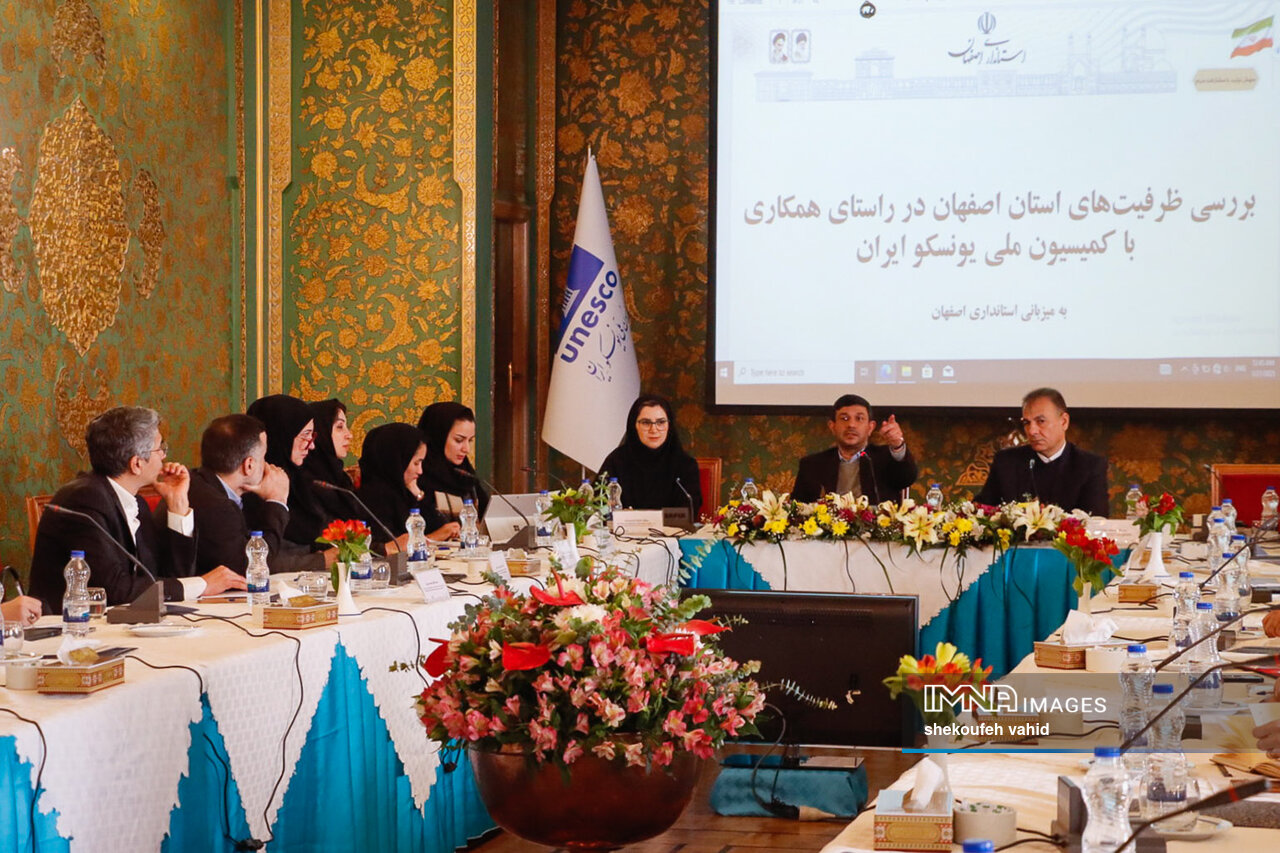
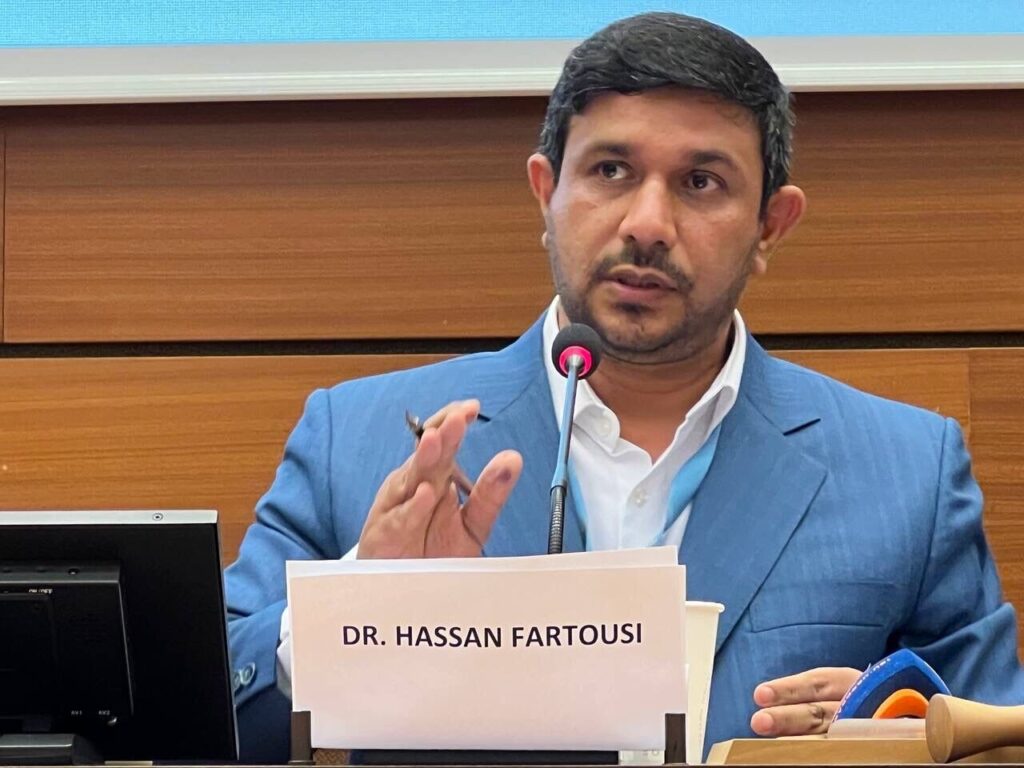
Dr Hasan Fartousi, Secretary-General of the Iranian National Commission for UNESCO, stated at the meeting on reviewing the capacities of Isfahan Province for cooperation with the Iranian National Commission for UNESCO, held on 20 and 21 January 2025: “Some cities have experienced great periods of splendour throughout history, but the ups and downs of time did not spare them, and they subsequently lost that splendour. In contrast, some others have attained remarkable glory today. Yet, only a few cities, such as Isfahan, have managed to shine throughout history and continue their glorious journey.”
Referring to the distinctive characteristics of the people of Isfahan, he added: “The people of this city have always been pioneers and possess significant potential for bringing about cultural transformation. In his view, the pursuit of transformation and the continued vitality of culture in this city are values worthy of respect that must be carefully preserved.”
Mission of the National Commission for UNESCO
Dr. Fartousi also explained the mission of the Iranian National Commission for UNESCO. He described the Commission as an institution with 75 years of experience that serves as a liaison between UNESCO and domestic institutions. According to him, UNESCO’s ultimate goal is to promote peace and culture through dialogue and the exchange of knowledge. He also emphasized the need to identify Isfahan’s objectives and examine its driving factors.
Synergy and the Need for Solidarity
The Secretary-General of the Iranian National Commission for UNESCO emphasized the importance of synergy and solidarity under the current circumstances in the country. He stated: “Iran is in a sensitive situation, and under such circumstances, cooperation and solidarity among various institutions and organizations are essential.” He also stressed the need to safeguard cultural heritage and preserve it for future generations.
Isfahan: An Example of Cooperation between UNESCO and Municipalities
During his meeting with the Mayor of Isfahan, Dr. Fartousi referred to the city as an outstanding example of cooperation with UNESCO. Isfahan is the only city in Iran that is a member of both the international Creative Cities and Learning Cities networks. According to Dr. Fartousi, this achievement is the result of the efforts and sound measures taken by the Mayor and municipal staff of the city.
He added: “The Municipality of Isfahan has been able to make effective use of these capacities and present an inspiring and exemplary model.”
The Central Role of Municipalities in Urban Development
The Secretary-General of the Iranian National Commission for UNESCO described UNESCO’s approach as municipality-oriented and emphasized that municipalities play a central role in advancing cultural and social objectives. He also commended the transparency and coordination among various institutions in Isfahan, considering them key factors in the success of programs.
The Mission of the Municipality of Isfahan in Preserving Its Cultural Standing
Dr. Fartousi concluded by stating: “By preserving and enhancing the historical, cultural and artistic standing of the city, the Municipality of Isfahan plays a vital role in preserving Iran’s historical pride.” He noted that the services provided by the Municipality of Isfahan are important not only for the people of the city but also for the entire country.
Isfahan’s Capacities in International Networks
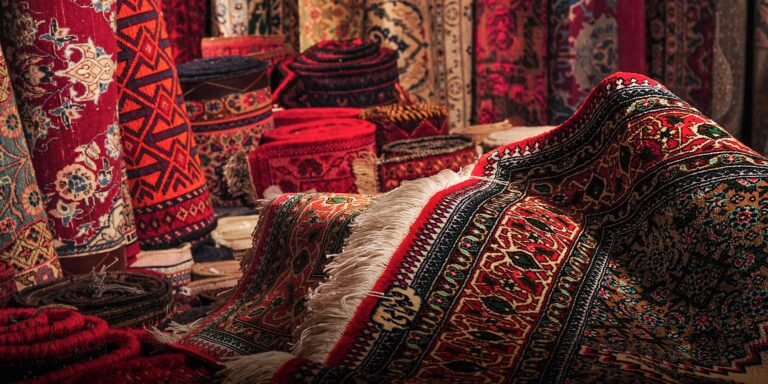
The Mayor of Isfahan, Dr. Ali Qasemzadeh, stated at the meeting: “Membership in the Creative Cities and Learning Cities networks represents a unique opportunity for Isfahan. The city is prepared to establish a store for showcasing handicraft products from cities that are members of the Creative Cities Network, thereby transforming these capacities into a city-wide event.”
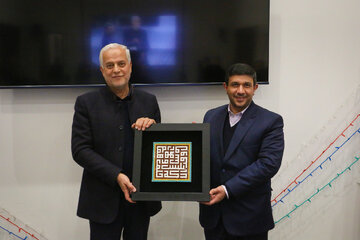
He proposed: “Such stores could also be established in other cities that are members of the Network, with a virtual store being launched as a first step.” Qasemzadeh emphasized: “The urban management of Isfahan is ready to strengthen these capacities in cooperation with the Iranian National Commission for UNESCO.”
Programs to Promote Handicrafts and the Creative Economy
Dr. Saeed Ebrahimi, Deputy Mayor of Isfahan for Planning and Human Capital Development, referring to Isfahan’s achievements in the field of handicrafts, said: “Holding Idea Cups, seasonal handicraft schools and digital marketing courses are among the successful initiatives that have strengthened the capacities of this field.”
He emphasized the need for more structured interaction among members of the UNESCO Creative Cities Network in Iran and added: “Regular meetings and increasing the share of handicrafts in the urban economy are among the measures that can contribute to the growth and development of cities.”
Making Use of Global Designations for the Development of Isfahan
Dr. Masoud Nik-Ayin, Director-General of Protocol and Special Adviser to the Governor-General of Isfahan Province on Tourism and International Affairs, stated at the recent meeting: “The invitation extended to the Secretary-General of the Iranian National Commission for UNESCO was made at the request of the Governor-General of Isfahan Province, with the aim of leveraging UNESCO’s capacities to enhance Isfahan’s international standing. We seek to make greater use of Isfahan’s global designations within the Creative Cities Network.”
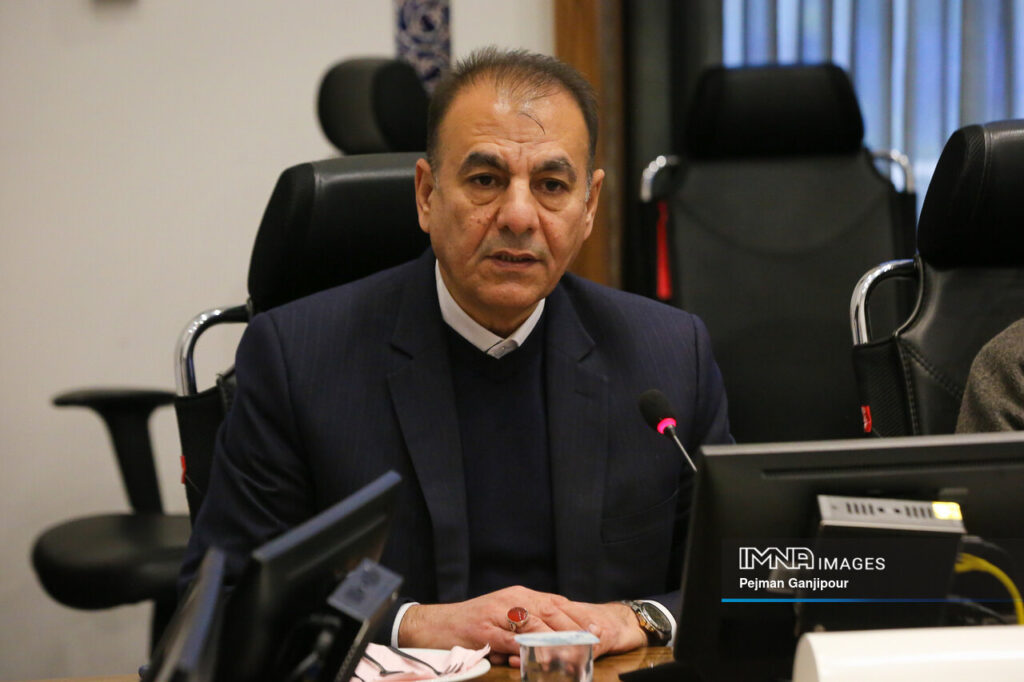
He added: “In cooperation with the Municipality and other relevant institutions, meetings were held and the capacities of the National Commission for UNESCO were clarified. We hope that, following the final review, a Memorandum of Understanding will be signed between the Governor-General of Isfahan Province and the Secretary-General of the Iranian National Commission for UNESCO, thereby strengthening interactions with the Commission.”
Handicrafts Passage: A Step towards Preserving Isfahan’s Historical Identity
Seyed Ali Maarek-Nejad, Director-General of Communications and International Affairs of the Municipality of Isfahan, referring to the “Handicrafts Passage” project, stated: “This project is currently being implemented in the historic fabric of Isfahan and will serve as a milestone in developing tourism and preserving the city’s historical identity.”
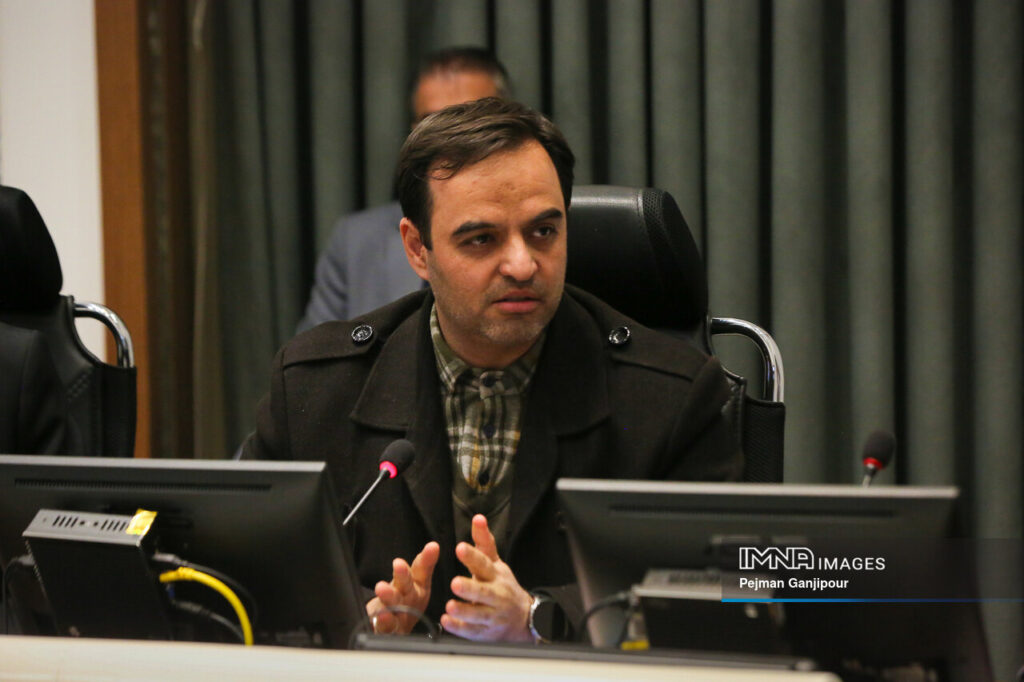
He continued: “Over the past year, two major achievements were realized in the historical and international spheres: the establishment of the Iranian Historical Cities Assembly at the initiative of the urban management of Isfahan, and the hosting of the 21st Congress of the Organization of World Heritage Cities.” Maarek-Nejad emphasized: “The Municipality of Isfahan is striving to make maximum use of the capacities of the Creative and Learning Cities Network.”
World Registration of the Cultural-Historical Landscape of Isfahan
Mohammad Ali Izadkhasti, CEO of the Isfahan Urban Regeneration and Improvement Organization, emphasized the importance of registering cultural heritage, stating: “The preparation of the nomination dossier for the world registration of the Cultural-Historical Landscape of Isfahan, comprising 400 historic buildings, began two years ago, and more than 40,000 parcels have been surveyed in the historic fabric.”
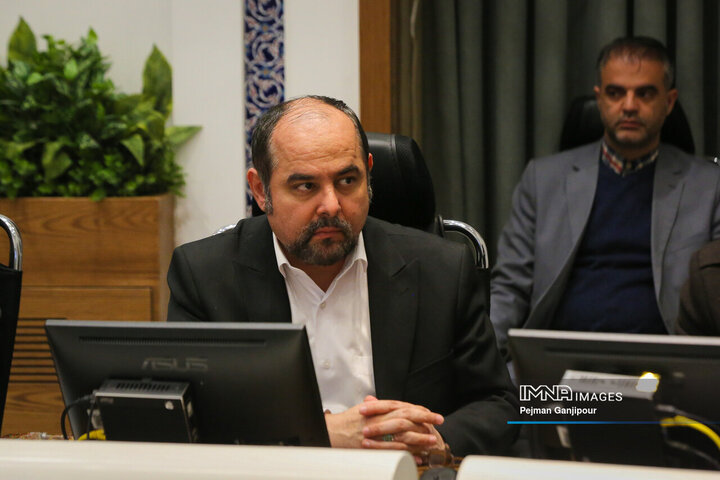
He added: “This dossier, which will be reviewed by the Ministry of Cultural Heritage, Tourism and Handicrafts, requires the support of the Iranian National Commission for UNESCO. In addition, the development of a roadmap for the development of Isfahan, with an emphasis on the two concepts of the Creative City and Learning City, is currently underway.
Izadkhasti concluded by noting: “The recognition of the Isfahan Historic Areas Conservation Plan at the national level demonstrates the importance of this approach. In addition, the need to provide detailed reports to international institutions, including the Iranian National Commission for UNESCO, has been identified as one of the challenges ahead.
During the two-day meeting, Fartousi also emphasized the need to prioritize future activities and areas of cooperation, stating: “Historic cities such as Isfahan hold a special position within UNESCO. Therefore, through planning and cooperation with institutions such as UNESCO and the World Tourism Organization, Isfahan can help strengthen its position on the global stage.”
The Secretary-General of the Iranian National Commission for UNESCO also referred to two important areas, endangered languages and handicrafts, stating: “These two areas are not only part of humanity’s heritage, but also require serious support and revitalization.” Emphasizing the importance of preserving local dialects and traditional arts that are at risk of disappearing, he noted that creative industries festivals can provide a platform for the revitalization of these arts.
Dr. Mehdi Jamalinejad, Governor-General of Isfahan Province, also emphasized the importance of public and urban diplomacy in international interactions during the signing ceremony of the Memorandum of Understanding between the Iranian National Commission for UNESCO and Isfahan Governorate. He stated: “Under difficult circumstances for formal diplomacy, urban and public diplomacy, with a focus on cultural and people-to-people interactions, can be effective. In this context, non-governmental actors constitute a fundamental pillar of international relations.”
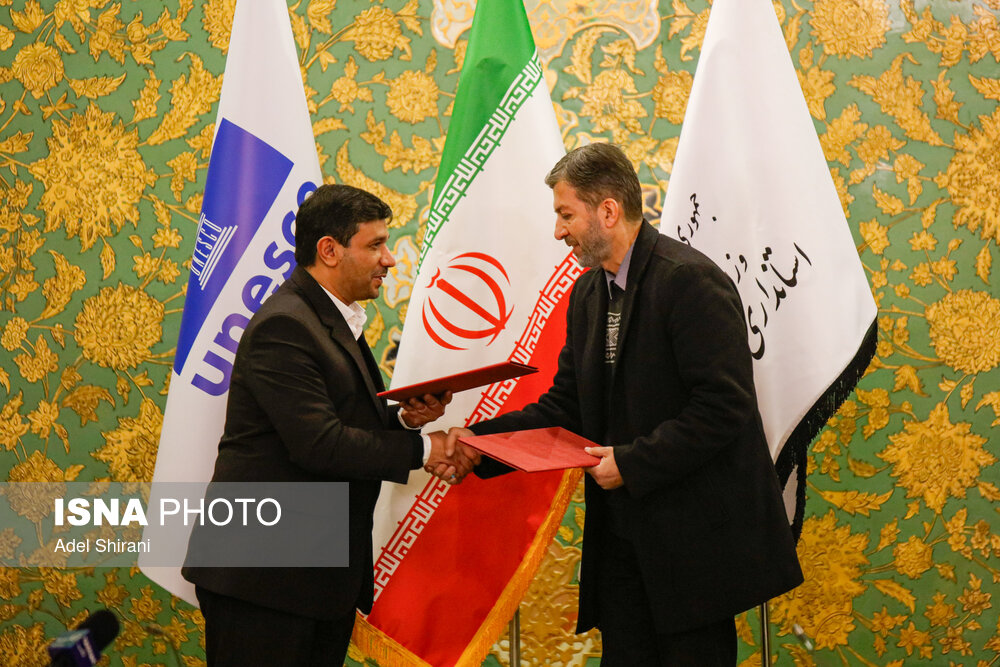
Jamalinejad continued, emphasizing the importance of establishing a dedicated working group to make effective use of UNESCO’s capacities: “Isfahan’s identity is highly recognized at the global level. This provides an exceptional opportunity to expand international interactions and make use of existing capacities.
At the end of the meeting, a Memorandum of Understanding on cooperation in the fields of science, culture, education and communications was signed between the Iranian National Commission for UNESCO and Isfahan Governorate.
It should be noted that the two-day meeting in Isfahan was attended by the Secretary-General of the Iranian National Commission for UNESCO; the Governor-General and Mayor of Isfahan; representatives of the City Council; representatives of the General Directorate of Technical and Vocational Training; the presidents of Isfahan University of Technology, University of Isfahan, Isfahan University of Medical Sciences, Kashan University, University of Art and Islamic Azad University, Isfahan Branch; representatives of the General Directorate of Cultural Heritage, the General Directorate of Education, the General Directorate of Environmental Protection and the General Directorate of Culture and Islamic Guidance; the President of the Chamber of Commerce; the President of the Isfahan Science and Technology Town; a representative of the Regional Centre for the Development of Science and Technology Parks and Incubators (under the auspices of UNESCO); representatives of universities across the province; and the heads of groups and officials from various departments of the Iranian National Commission for UNESCO.
The Role of Creative and Learning Cities in Urban Development
UNESCO Creative and Learning Cities, as international networks, provide a platform for the exchange of knowledge and experience and for enhancing citizens’ quality of life. Isfahan, as one of the few cities that is a member of both networks, has significant capacities in the fields of handicrafts, tourism and education. Through the efforts of its urban management, the city represents a successful connection between historical culture and modern innovation and plays an important role in strengthening international cultural and economic interactions.