

E-Learning: A Bridge towards Educational Equity and Sustainable Development
Secretary-General of the Iranian National Commission for UNESCO: E-learning, as a fundamental transformation in educational processes, helps overcome geographical limitations and provides students in remote areas with access to high-quality educational resources. |
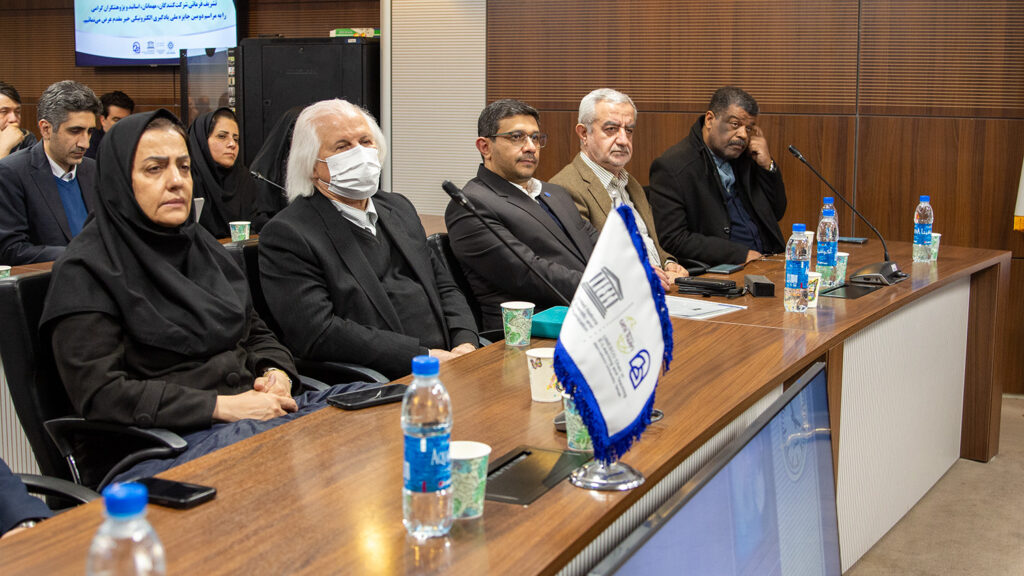
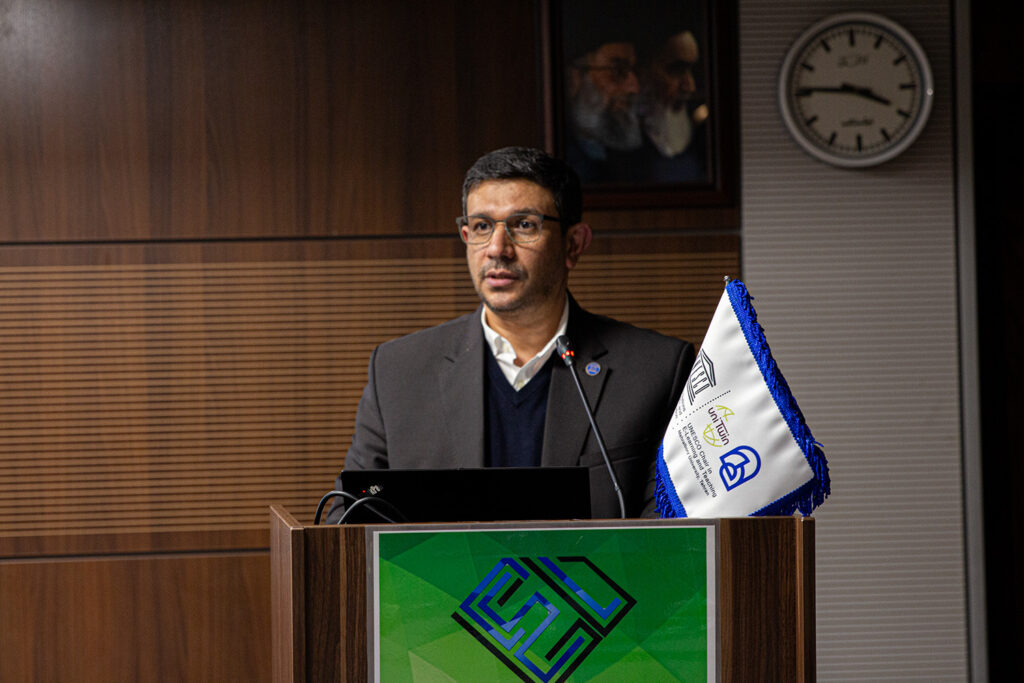
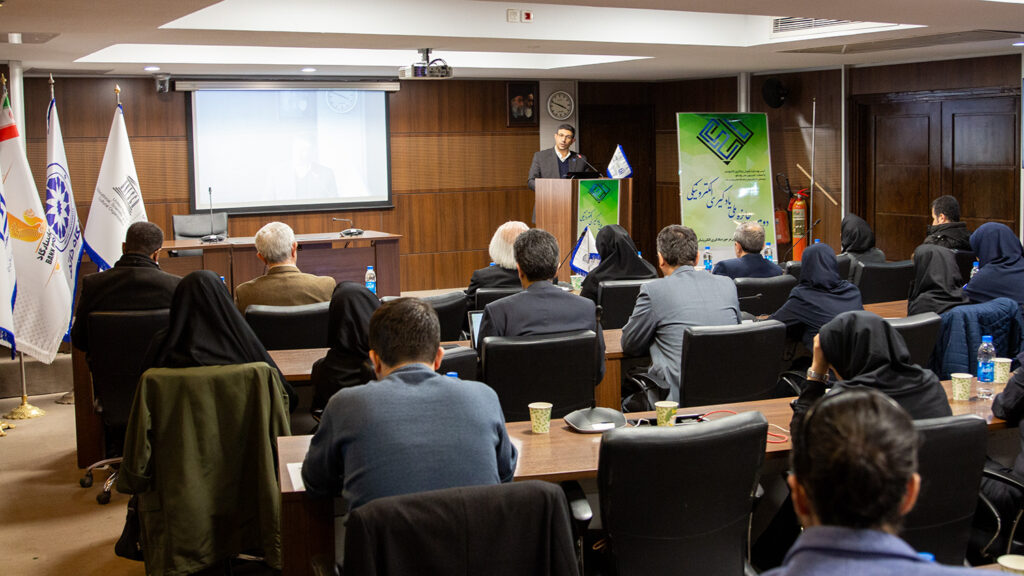
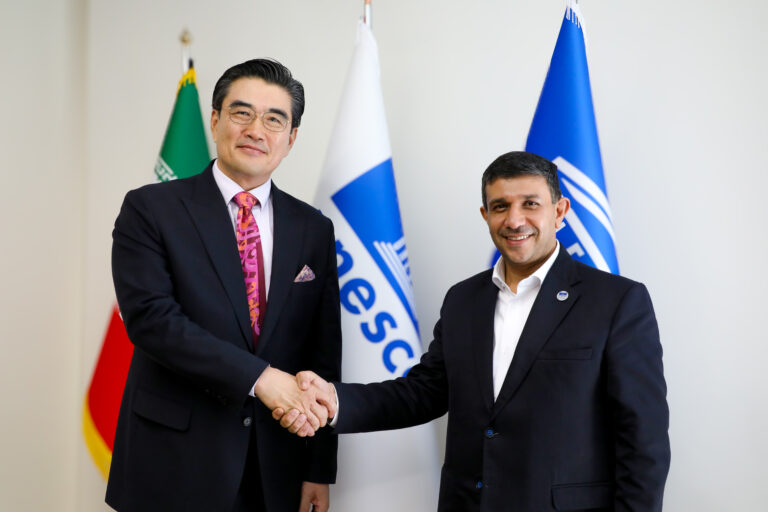
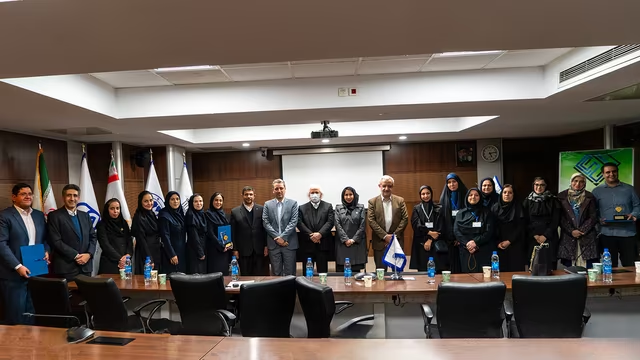
The ceremony to honour the winners of the Second National E-Learning Award was held on Saturday, 22 February 2025, from 3:00 to 5:30 p.m. at Khatam University in Tehran. The event was organized by the UNESCO Chair on E-Learning and Education, in cooperation with the Iranian National Commission for UNESCO, and attended by the Secretary-General of the Iranian National Commission for UNESCO. Bringing together professionals and stakeholders in digital education and learning, the event comprised three main sections: the opening ceremony, the presentation of best practices, and the award ceremony.
E-Learning: A Tool for Educational Equity
At the opening ceremony, Dr. Hasan Fartousi, Secretary-General of the Iranian National Commission for UNESCO, expressed his appreciation to Mehr Alborz University and Khatam University, as well as the UNESCO Chair on E-Learning and Education, for implementing the program. He emphasized the importance of e-learning as a fundamental transformation in educational processes. He stated: “One of the greatest advantages of e-learning is that it helps overcome geographical limitations and provides students in remote areas with access to high-quality educational resources. This can contribute to improving global literacy levels and reducing educational disparities.”
Benefits of E-Learning in the Digital World
Referring to the characteristics of distance education, the Secretary-General of the Iranian National Commission for UNESCO added: “This educational approach is flexible and can be adapted to individuals’ needs and schedules. E-learning also facilitates access to diverse resources and enhances the skills required by the labour market.”
He also highlighted the role of this form of education in the digital transition and sustainable development, emphasizing: “E-education and e-learning not only enhance digital skills among students, learners and teachers, but also make a significant contribution to the development of green technical and vocational education and training and the protection of the environment.”
UNESCO’s Commitment to the Development of Digital Education
Referring to UNESCO’s global efforts to advance digital education, Fartousi stated: “With the aim of promoting digital education, UNESCO has designated 19 March as International Day for Digital Learning and the first week of September as Digital Learning Week. The Organization emphasizes the development of digital infrastructure, teacher training, quality assurance and international cooperation.”
He added: “To create an effective environment for e-learning, countries need to make appropriate investments in technological infrastructure, while educators need to acquire the necessary skills to use digital tools.”
Presentation of Awards and Best Practices
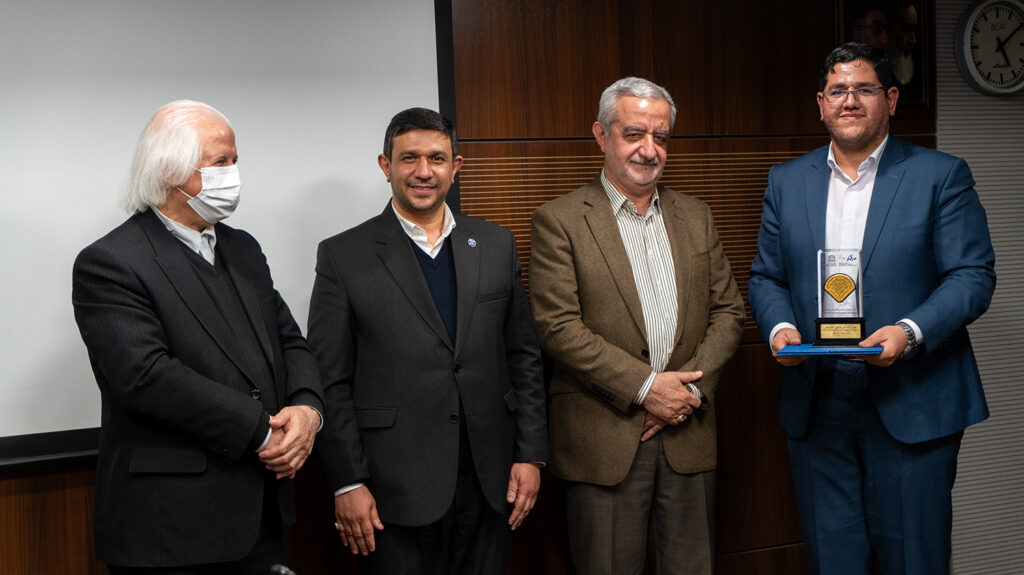
The event continued with the presentation of five outstanding experiences in the field of e-learning, comprising three initiatives at the organizational level and two achievement-based initiatives. At the conclusion of the ceremony, certificates of recognition and trophies were presented to the winners of the second edition of the National E-Learning Award.
Concluding his remarks, the Secretary-General of the Iranian National Commission for UNESCO emphasized: “E-learning is not only a necessity, but also an opportunity for transformation and innovation in education systems. The UNESCO Chair on E-Learning and Teaching and its associated award can play a key role in enhancing the quality of education, promoting educational equity and advancing sustainable development.”
He also emphasized the Iranian National Commission for UNESCO’s support for UNESCO Chairs, particularly the UNESCO Chair on E-Learning and Teaching, and wished all those working in this field success and continued progress.
The National E-Learning Award program, launched in 2018 at the initiative of the UNESCO Chair on E-Learning and Teaching, was established to promote awareness, identify and encourage individuals and organizations contributing to the development of e-learning. The Award recognizes innovative products, services and models that have contributed to the advancement of this field in the country.