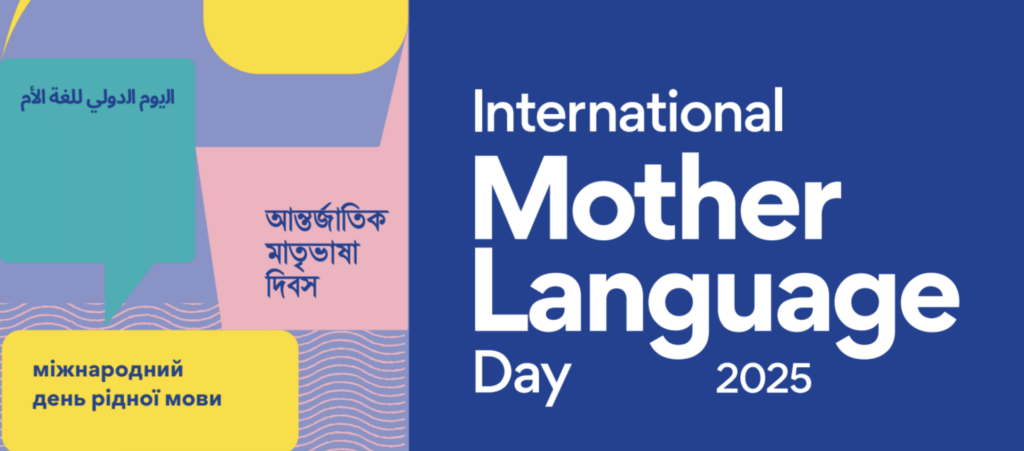


On the Occasion of 21 February, International Mother Language Day: Twenty-Five Years of Celebrating Mother Languages as a Pillar of Cultural Diversity and Sustainable Development
Twenty-five years have passed since the designation of International Mother Language Day, an initiative proposed by Bangladesh and approved by UNESCO, which has become a symbol of preserving the world’s linguistic diversity and cultural heritage. In a world experiencing rapid globalization, mother languages not only preserve identity and culture, but also play a key role in sustainable development and educational equity. But have today’s societies succeeded in properly safeguarding this valuable heritage? |
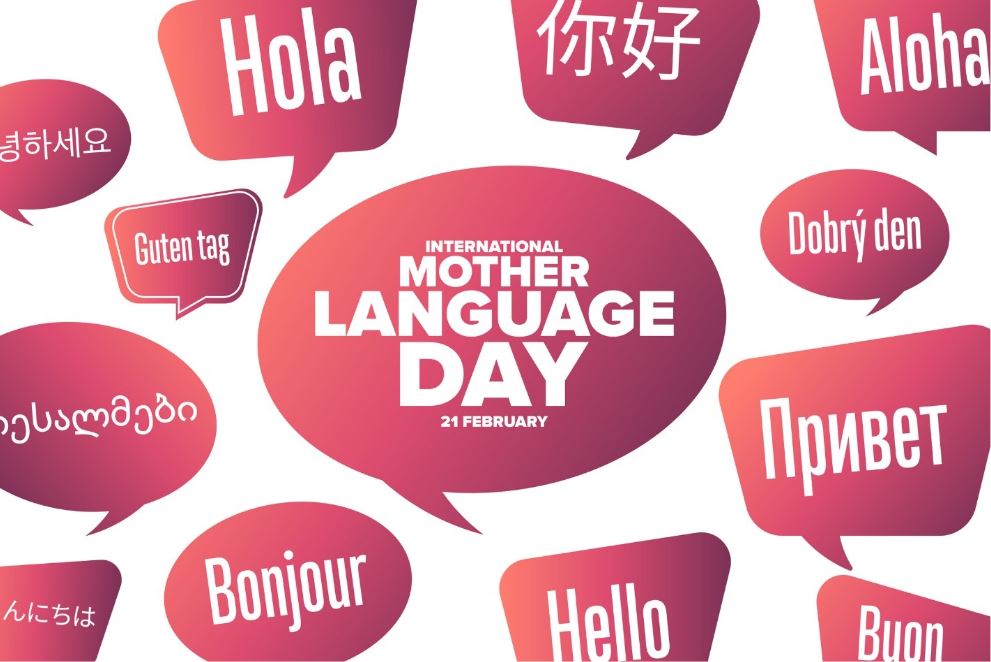 For the first time, the UNESCO General Conference proclaimed 21 February as International Mother Language Day in November 1999. The initiative, proposed by the Government of Bangladesh, was welcomed by the United Nations General Assembly in 2002. The designation aimed to emphasize the importance of languages in strengthening cultural solidarity, advancing sustainable development and addressing the challenges arising from globalization and social change.
Commemorating International Mother Language Day is a tribute to one of the most important components of the cultural identity of societies, as the preservation of indigenous languages is closely linked to UNESCO’s efforts to promote cultural diversity and multilingual education.
According to UNESCO, 8,324 languages are documented worldwide, of which around 7,000 are still in use. However, only a few hundred languages are used as media of instruction, while linguistic diversity in the digital sphere remains limited. The main concern is that one language disappears every two weeks, taking with it an important part of humanity’s cultural and intellectual heritage.
Preserving mother languages through multilingual education is one of the most effective ways to ensure their continued vitality and, consequently, to safeguard cultural diversity and promote sustainable development. This approach not only strengthens indigenous and local languages, but also reinforces the link between education and culture, contributing to educational equity and equal learning opportunities.
Twenty-five years after the beginning of this global movement, efforts to safeguard languages as bearers of identity and bridges connecting communities continue. Languages are not merely tools of communication; they are also custodians of the culture and history of peoples and play a key role in the pursuit of a more inclusive, diverse and sustainable world.