

Light: From the Source of Life to an Inspiration for Human Creativity and Knowledge
Ms. Audrey Azoulay, Director-General of UNESCO, in her message on the occasion of the International Day of Light on 16 May 2025, emphasized the fundamental role of light in life, knowledge and art, describing it as a bridge between science, imagination and a sustainable future. Referring to projects such as SESAME and “Quantum Light: A Visual Journey,” she emphasized the role of light in fostering global convergence and creating a brighter future for humanity. |
The text of the message from the Director-General of UNESCO on the occasion of the International Day of Light is as follows:
We are at a critical point in history, a time when we need more than ever to reconsider our relationship with the living world. In this reflection and rethinking, we must remember that all living beings – humans, animals, plants and even bacteria – depend on one vital and fundamental source: light.
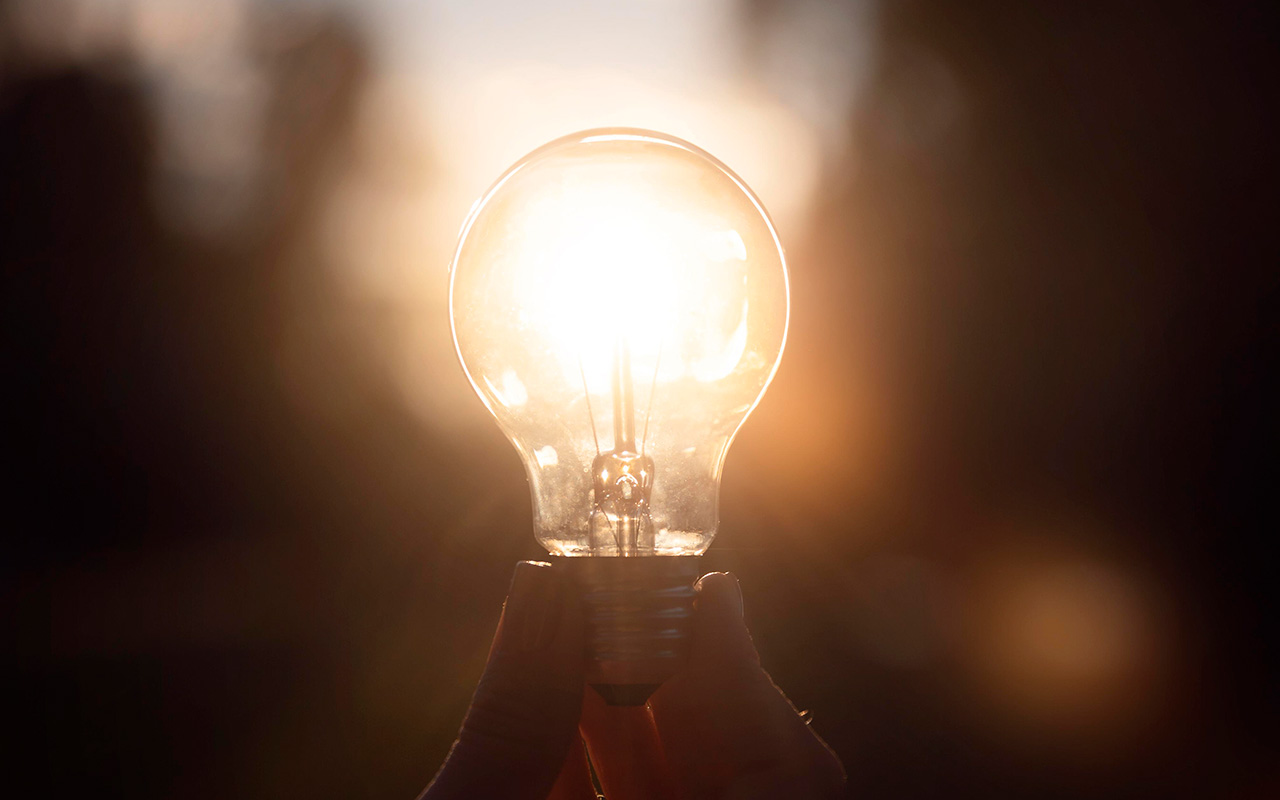
Without light, our planet would be a cold, dark and lifeless place. Light provides the Earth with energy, colour, the possibility of growth and the conditions necessary for life to flourish.
But for humanity, light is not merely a natural phenomenon; it carries a far deeper meaning. Light is intertwined with knowledge, discovery and creativity. Like a lens, it enables us to see, understand and give meaning to the world.
Every year, the International Day of Light provides a valuable opportunity to celebrate the technological, physical, social and artistic roles of light. This year’s theme, “Light, Innovation, Society,” invites us to reflect more deeply on the nature of light and shows how this phenomenon can pave the way towards a sustainable and balanced life.
The desire to see and understand is a human need that transcends geographical and cultural boundaries. A remarkable example of this truth is the International Centre for Synchrotron Light for Experimental Science and Applications in the Middle East (SESAME), established under the auspices of UNESCO. This unique centre brings together researchers from around the world to conduct research and foster cooperation through the power of light in fields such as health, environmental monitoring, food quality, energy and archaeology.
Since Albert Einstein formulated the theory of special relativity, light has also become a symbol of metaphysical explorations into space and time, the ultimate frontier of human thought. From this perspective, light is not only a gateway to human knowledge, but also a source of wonder and awe. Light illuminates the mysteries of human experience and inspires our emotions, imagination and creativity.
For this reason, light has always been at the heart of the arts. Artists and craftspeople harness light by reflecting, filtering and directing it; architects channel light through physical spaces; and painters use light to depict form, colour and meaning. Even when light is left to its own devices in nature, it becomes an artist in its own right, creating remarkable landscapes through the interplay of light and shadow.
On the occasion of this day, and also as part of the International Year of Quantum Science and Technology, UNESCO and its partners have launched an innovative project entitled “Quantum Light: A Visual Journey.” This project is a global call for the creation of artworks that showcase the beauty of quantum science through art and creativity.
Light encompasses all aspects of UNESCO’s mandate, from facilitating the free flow of science, technology and information to promoting cultural diversity and safeguarding world heritage. Ultimately, all our efforts are directed towards one common goal: bringing together knowledge across education, science and culture to build a brighter future.