

Shiraz Day: Celebrating the Splendor of the City’s Culture, Art and Creativity
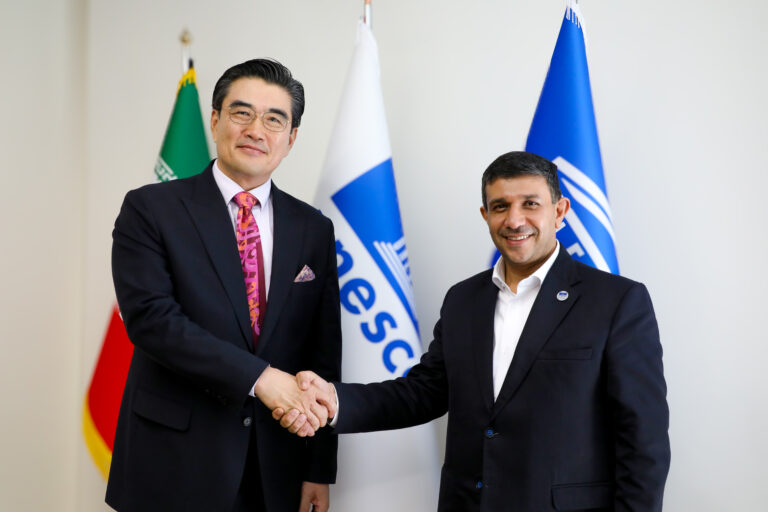
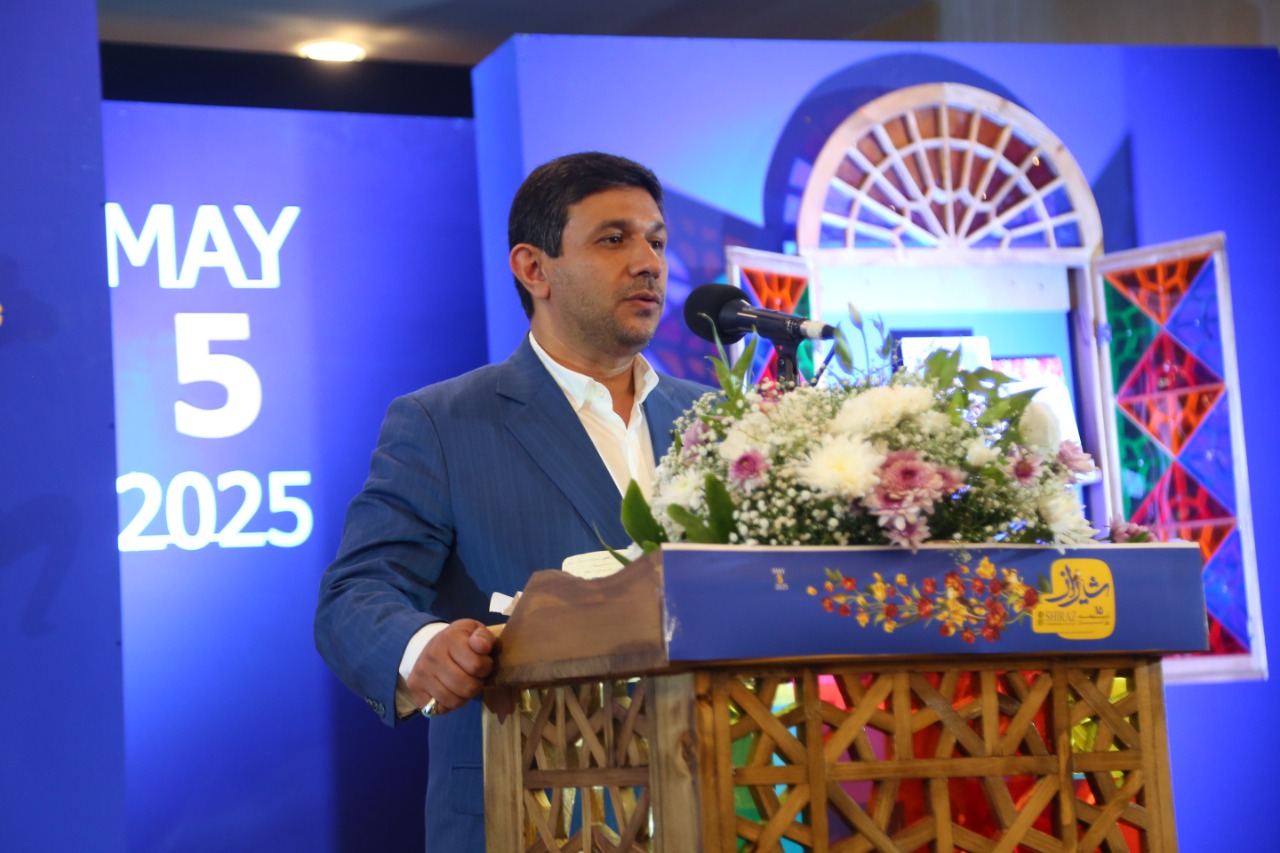
The Shiraz Day celebration ceremony was held in the presence of the Secretary-General of the Iranian National Commission for UNESCO, ambassadors and representatives of several foreign countries, national, provincial and municipal officials, as well as citizens, prominent artists and athletes from Shiraz. During the ceremony, the lasting contributions of the city administration in the fields of culture and art were honoured, and the Shiraz Symphony was unveiled as a symbol of tribute to the history and art of the city. Dr. Hasan Fartousi, Secretary-General of the Iranian National Commission for UNESCO, emphasized at the Shiraz Day ceremony that, with its rich history and civilization, the city has always been a pioneer in the fields of art, culture and spirituality, and that its reputation as a city of peace is enduring. Referring to the history and historical, cultural and tourism attractions of Shiraz, he said that, given the culture, talent and creativity of its people in various fields and the city’s valuable heritage, the application for Shiraz to join the UNESCO Creative Cities Network is currently under consideration, and efforts are being made to bring this process to a successful conclusion. |

Shiraz: A City with a Rich Heritage of Literature, Culture and Creativity
At the Shiraz Day celebration ceremony, Dr. Hasan Fartousi, referring to the distinctive characteristics of the city, emphasized: “This vibrant gathering is an embodiment of the verse, ‘O companions, untie the knot of the beloved’s hair; the night is pleasant, so let us prolong it with this tale.’” He added: “Shiraz is a city that, thanks to the efforts of Dr. Asadi, Mayor of Shiraz, who simultaneously focuses on the economy, culture and international engagement, has become a unique example.” He also referred to the historical and cultural significance of Shiraz, stating: “From ancient times to the present day, this city has been a pioneer in three areas: nurturing artists, fostering poetry and poets, and creating enduring love stories.” The Secretary-General of the Iranian National Commission for UNESCO continued: “Throughout history, this city has gained a reputation not only in the fields of literature and philosophy, but also for its special role in promoting the concepts of love and mysticism.”
Shiraz’s Reputation as a City of Peace
He noted: “Owing to its historical and cultural continuity, Shiraz has always been renowned for its calls for peace, and these characteristics have made Shiraz a symbol of peace and fraternity.” The Secretary-General of the Iranian National Commission for UNESCO concluded by expressing hope that, through the solidarity of the people and officials of Shiraz and national synergies, the city would achieve greater prosperity and shine even more brightly in the near future.
Solidarity for the Progress of Shiraz
Dr. Seyed Ebrahim Hosseini, Chairman of the Shiraz City Council, said in his remarks, referring to the grandeur and identity of Shiraz: “Shiraz is a precious heritage entrusted to us, and we must preserve and further develop it.” Emphasizing the importance of solidarity among citizens, artists and officials, he added: “The progress of Shiraz requires the cooperation of all of us so that this city can attain its rightful position as a city that has shaped civilization.”
Artists Capture the Hearts of the People
Dr. Mohammad-Hassan Asadi, Mayor of Shiraz, also commemorated the Ten Days of Dignity and Shiraz Day, expressing his appreciation for the participation of prominent artists such as Master Ali Nasirian in the ceremony. He said: “Artists, particularly Master Nasirian, hold a special place in the hearts of the people, and their efforts will always remain in the people’s memories.” He also spoke of the municipality’s extensive initiatives in the fields of culture and art and emphasized the importance of cooperation with various institutions and organizations. He referred to projects such as the establishment of an arts market in the Sang-e Siah neighbourhood and the installation of the symbol of the World Crafts City in the Jannat-Taraz area of Shiraz, which demonstrate the attention paid by the city administration to art and handicrafts.
Master Ali Nasirian, a prominent cinema and theatre artist, expressed his appreciation for receiving the honorary citizenship medal of Shiraz. In his remarks, he emphasized that being a fellow citizen of the great Hafez and Saadi is the greatest honour. Referring to his childhood memories of Shiraz, he spoke of the importance of focusing on the artistic education of young people and added: “For the future of Iranian art, we need experienced and accomplished artists.”
Appreciation for the Efforts of the City Administration
Gholam-Hossein Peyrovani, a veteran of sports in Shiraz, also expressed his appreciation for the efforts of the city administration and emphasized the importance of preserving and promoting the culture of chivalry and honesty. He praised the municipality’s infrastructure projects, particularly its cultural projects in Shiraz, and said: “The city of Shiraz must always continue on its path of sustainable and cultural development.”
Preserving the Identity of Shiraz
Dr. Mohammad-Ali Choubini, Deputy Mayor and Head of the Cultural, Social and Sports Organization of the Shiraz Municipality, emphasized the importance of preserving Shiraz’s cultural identity, stating: “All our efforts are aimed at strengthening the cultural identity of Shiraz, and we will spare no effort in this regard.”
Head of the Municipalities and Rural Organizations of the Country: Shiraz at the Forefront of Iran’s Metropolises
Dr. Masoud Nosrati, Head of the Municipalities and Rural Organizations of the Country, also praised Shiraz’s cultural and development projects in his remarks and said: “Among Iran’s metropolises, Shiraz has achieved leading positions, particularly in the cultural fields.”
At the conclusion of the ceremony, Karen Homayounfar, a renowned Iranian music composer, referring to the Shiraz Symphony, described the work as a symbol of the city’s rich history and culture and said: “The Shiraz Symphony reflects the emotional and historical character of this city, and I am proud to have composed such a work for Shiraz.” It should be noted that an excerpt from the Shiraz Symphony was unveiled during the ceremony, and it was decided that the complete pieces of the symphony would be unveiled on 20 October, coinciding with Shiraz Hafez Day. Shiraz is the second city in the country to have its own dedicated symphony.
Unveiling Historical and Cultural Written Works on Shiraz
On the sidelines of the Shiraz Day ceremony, a valuable collection of written works related to the city was also unveiled, including a manuscript of the Divan of Hafez, a manuscript of Saadi’s Golestan, the poetry book “Shiraz” by Bijan Samandar, Athar-e Ajam by Forsat al-Dowleh Shirazi, a book on the history of the old fabric of Shiraz, the book “Tohfat al-Shahieh” by Hakim Qutb al-Din Shirazi, and two calligraphic works, “Mashq-e Eshq” and “Naqsh-e Eshq,” by Salman Gorangi. The unveiling was carried out by the Secretary-General of the Iranian National Commission for UNESCO, the Deputy Minister of the Interior for Urban Development, and the Mayor of Shiraz.
Ceremony for Replacing the Holy Qur’an at the Qur’an Gate of Shiraz: Reviving an Ancient Tradition
For the second consecutive year, and coinciding with Shiraz Day, a ceremony to replace the Holy Qur’an at the Qur’an Gate was held in the presence of the Secretary-General of the Iranian National Commission for UNESCO, officials and artists. Held under the title “Hidden Treasure,” the ceremony showcased Iranian-Islamic spiritual and cultural values through an authentic art form such as Qur’anic calligraphy. Seyed Ebrahim Hosseini, Chairman of the Shiraz City Council, emphasized at the ceremony the need to preserve and strengthen the Iranian-Islamic way of life, stating: “Shiraz is the only city that has a Qur’an Gate, and this cultural symbol must be preserved.” He also thanked the Shiraz Municipality for organizing this commendable tradition and added: “Shiraz should be known as a city of life, fraternity and affection.”
Mohammad-Ali Choubini, Head of the Cultural, Social and Sports Organization of the Shiraz Municipality, also spoke about the historical significance of the Qur’an Gate and emphasized that this symbol must be preserved. He also unveiled the Qur’an transcribed by Master Majid Chizfahm at the ceremony.
Master Majid Chizfahm, a renowned calligrapher, spoke about the art of Qur’anic calligraphy and its significance, stating: “This is a sacred art, and the Qur’ans preserved at the Qur’an Gate bear witness to the history and grandeur of this city.” The ceremony was a reminder of Shiraz’s spiritual and cultural standing in the history of Iran and, with the unveiling of the new Qur’an, marked another step towards preserving the city’s authentic traditions.
Visit to the Persepolis World Heritage Site
During the Secretary-General of the Iranian National Commission for UNESCO’s visit to Fars Province, a visit was also made to the Persepolis World Heritage Site. The visit aimed to become familiar with the activities, measures and challenges at the World Heritage site. During the visit, emphasis was placed on making use of the capacities of the Iranian National Commission for UNESCO and the country’s cultural heritage authorities, as well as securing the support of provincial and local officials to help address these challenges.
Visit to the Majd Research Centre and the Imam Asr Seminary
Fartousi also visited the Majd Research Centre and the Imam Asr Seminary. During the visit, attention was drawn to the centre’s activities and capacities in the field of comparative ethics, as well as its programs in publishing, education and research.
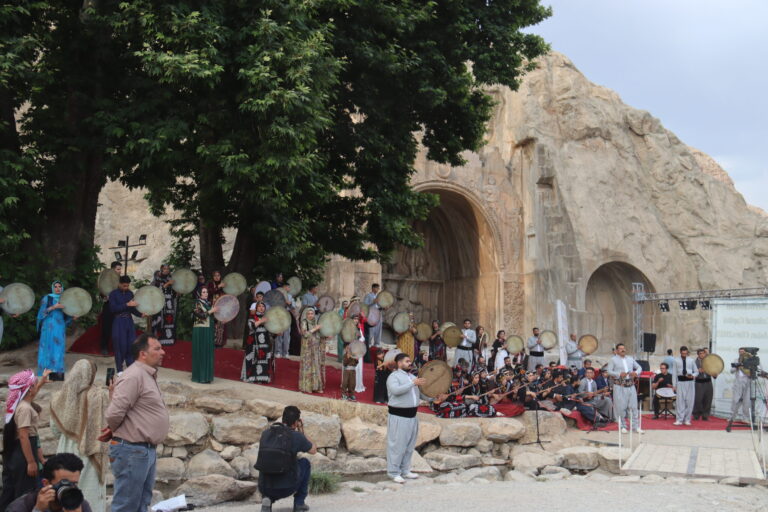
A presentation of the intangible heritage of Fars Province at Jahan-Nama Garden was also among the highlights of the Secretary-General of the Iranian National Commission for UNESCO’s visit to Shiraz. The program showcased aspects of the intangible heritage of Fars Province and the city of Shiraz, including folk music performances, rituals and the lifestyle of nomadic communities, with representations of the Qashqai tribes and their traditions. It also highlighted the need to preserve and safeguard cultural diversity, as well as the Norouz orange-blossom wedding ceremony and the preparation of Shirazi faloodeh.
On the sidelines of the program, the Secretary of the Fars Province Nomadic Tourism Headquarters called for the attention of the Iranian National Commission for UNESCO to be given to protecting the rituals and lifestyles of Iranian nomadic communities at risk of disappearing. The Secretary-General of the Iranian National Commission for UNESCO emphasized in this regard that, through consultation and the participation of relevant institutions, the issue would be examined professionally by the National Commission and the necessary coordination would be undertaken with the relevant authorities.
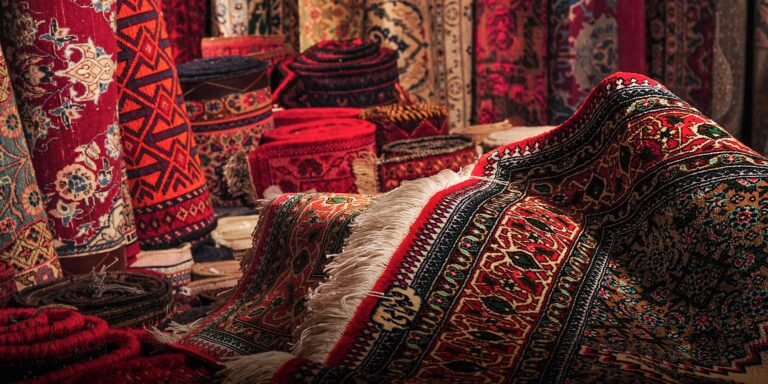
Subsequently, the Secretary-General of the Iranian National Commission for UNESCO, together with the other guests, visited the Shiraz Arts Market in the Sang-e Siah neighbourhood in the city’s historic fabric. The market was established by the municipality with the aim of supporting handicrafts artists and preserving the historic fabric of Shiraz, and serves as an example of the link between art, the local economy and cultural preservation.