

Kurdistan: A Manifestation of Cultural Coexistence and Global Creativity
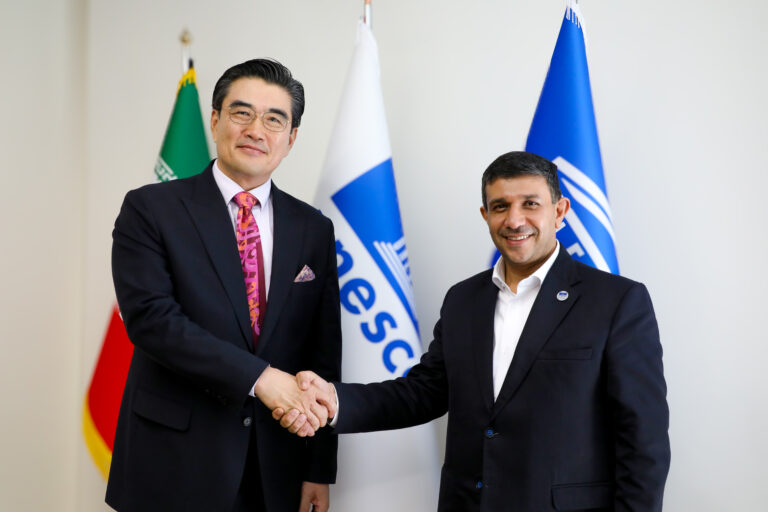
| The visit of the Secretary-General of the Iranian National Commission for UNESCO to Kurdistan Province on Sanandaj Day provided an opportunity to revisit the province’s unique cultural, natural and educational capacities. During his visit to Sanandaj, Marivan and Hawraman, Dr. Hasan Fartousi emphasized Kurdistan’s international standing within the Creative Cities Network, as well as its rich biodiversity and cultural heritage, and spoke of the need for national and global institutions to support these capacities. |
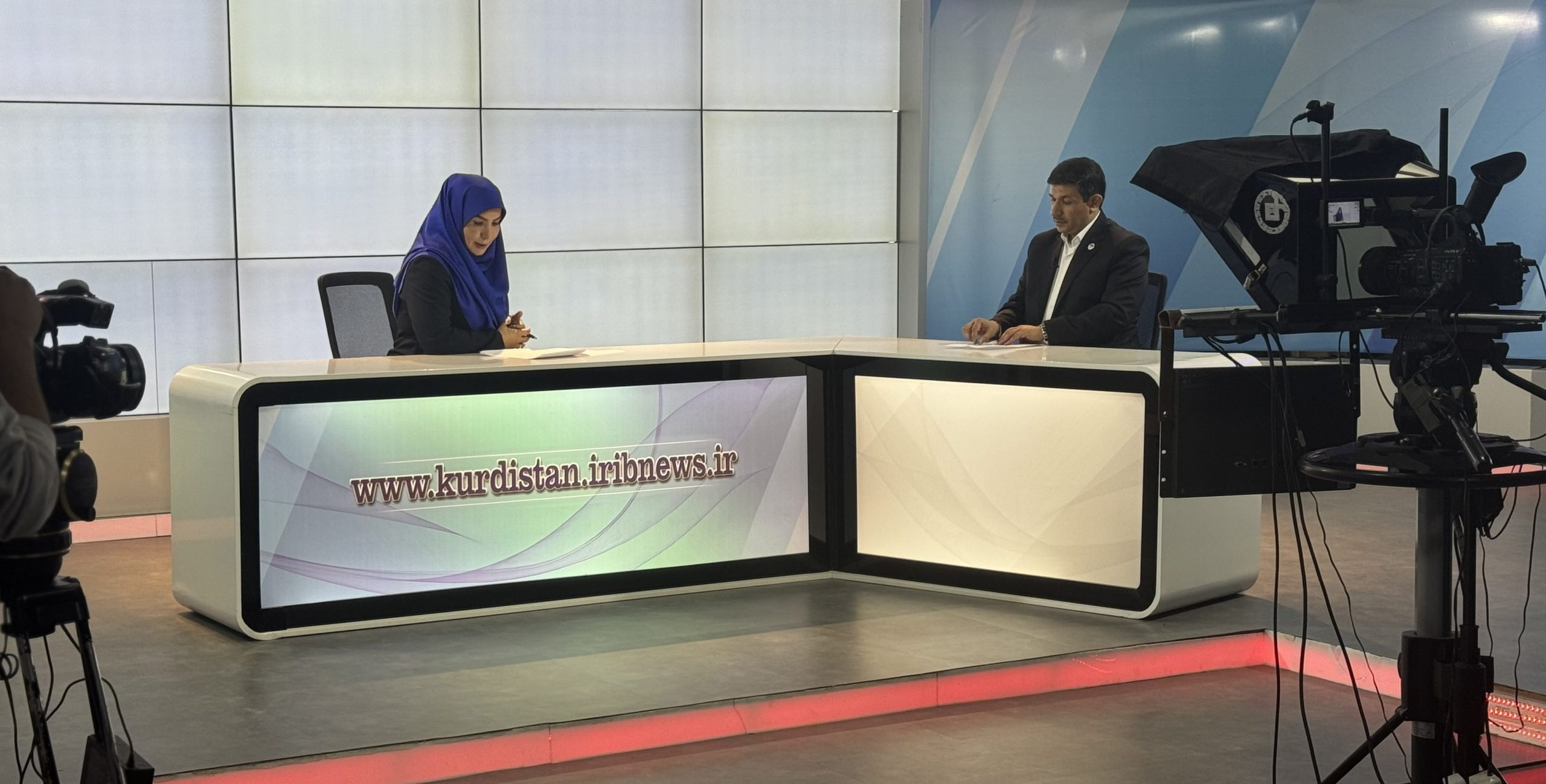
Dr. Hasan Fartousi, Secretary-General of the Iranian National Commission for UNESCO, in an interview with the Kurdistan Provincial Broadcasting Network, congratulated the people on Sanandaj Day and described the city’s cultural standing, stating: “With more than four centuries of history, Sanandaj is a symbol of the authenticity, determination and artistic spirit of the people of Kurdistan.” Referring to the city’s harmonious coexistence of different ethnic and religious communities, he described it as a prominent example of tolerance and pluralism in the Islamic world. The Secretary-General of the Iranian National Commission for UNESCO also described his meetings with the Representative of the Supreme Leader, Hojjat al-Islam Abdolrahman Pourzahabi, and Mamosta Faeq Rostami, Friday Prayer Leader of Sanandaj, as highlights of his several-day visit.
Sanandaj: Iran’s Only UNESCO Creative City of Music
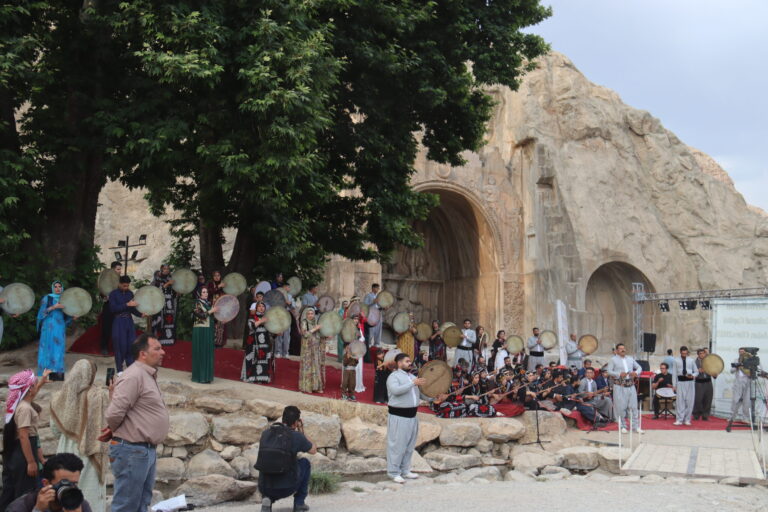
Fartousi described Sanandaj’s membership in the UNESCO Creative Cities Network as one of the country’s sources of pride, stating: “Since 2019, Sanandaj has been registered as Iran’s only Creative City of Music in this network and has gained global recognition.” Referring to the diversity and depth of the region’s music, ranging from Sufi and ritual maqams to Kurdish celebratory songs, he stated: “This exceptional diversity is the reason for Sanandaj’s eligibility for this designation.”
The Cultural Heritage of Hawraman: A Testament to the Coexistence of People and Nature
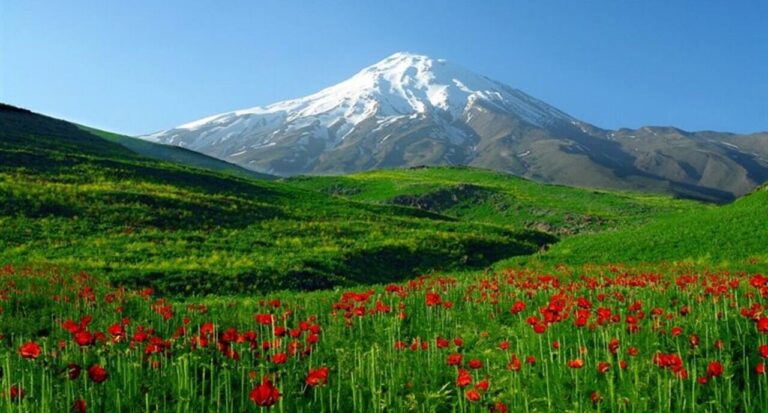
Dr. Fartousi described the inscription of the Cultural Landscape of Hawraman on the World Heritage List in 2021 as a milestone in recognizing Kurdistan’s tourism and environmental capacities and emphasized: “The harmony between people’s lives and nature in this region provides a model for sustainable development.” He referred to the people of the region as descendants of ancestors who, through their remarkable determination, transformed the towering mountains into their home.
Kurdistan: A Hub for Multilingual Education and Environmental Sciences
During the visit, the University of Kurdistan was also visited. Fartousi praised the province’s scientific capacities and identified its faculties of music and natural resources as prominent centers. He also described Kurdish-language education not merely as a local capacity, but as a national opportunity to strengthen multilingualism within the country’s education system. He added that, by strengthening the Kurdish language, Iranian Kurdistan has the potential to become a cultural hub in the region.
UNESCO: Supporting Educational Equity, Cultural Diversity and Sustainable Development
Fartousi described UNESCO’s mission as extending beyond heritage inscription and stated: “At the National Commission, we have major responsibilities in the fields of education, science, culture and communication. Educational equity, strengthening indigenous languages, preserving tangible and intangible heritage, and addressing climate change are among our priorities.” He emphasized the facilitative and supportive role of the Iranian National Commission for UNESCO in relation to the educational, scientific and cultural activities of the provinces and noted that field engagement in areas such as Kurdistan forms part of this proactive approach.