

National Handwoven Carpet Day: A Celebration of the Grandeur of Iranian Culture in the Presence of Prominent National and International Figures
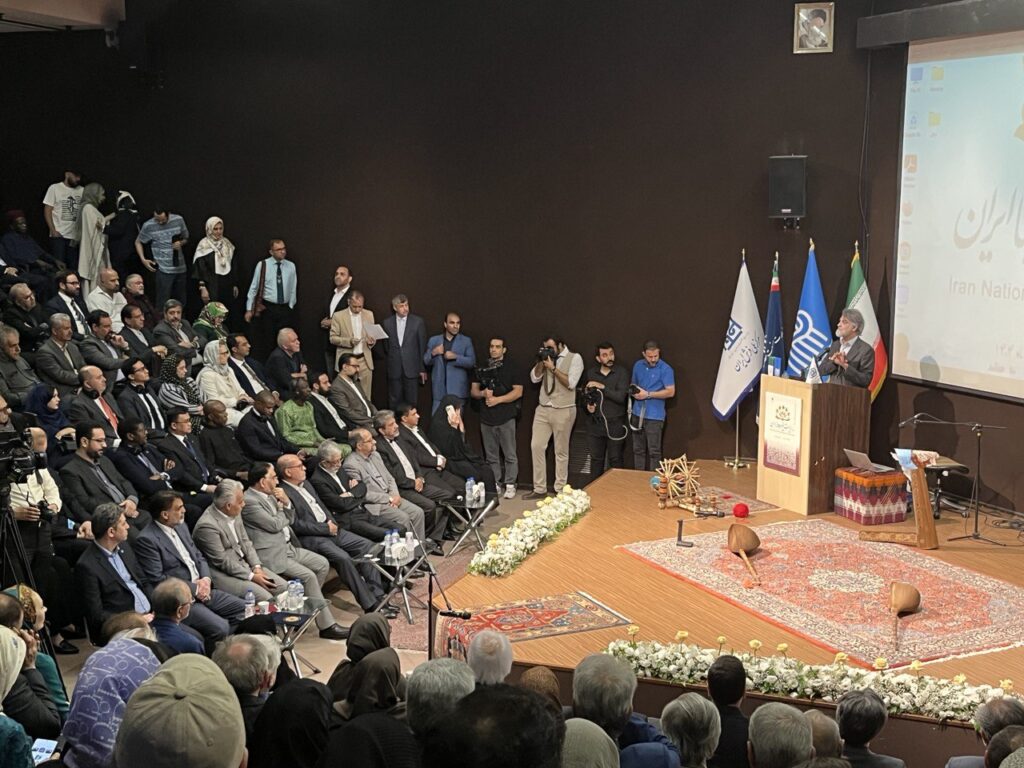
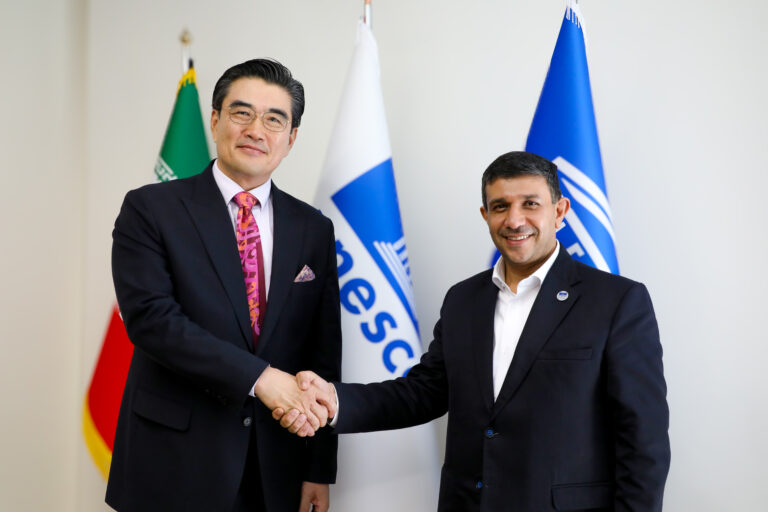
| On 10 June, the Carpet Museum of Iran hosted a ceremony commemorating “National Handwoven Carpet Day”, attended by Dr. Hasan Fartousi, Secretary-General of the Iranian National Commission for UNESCO. |
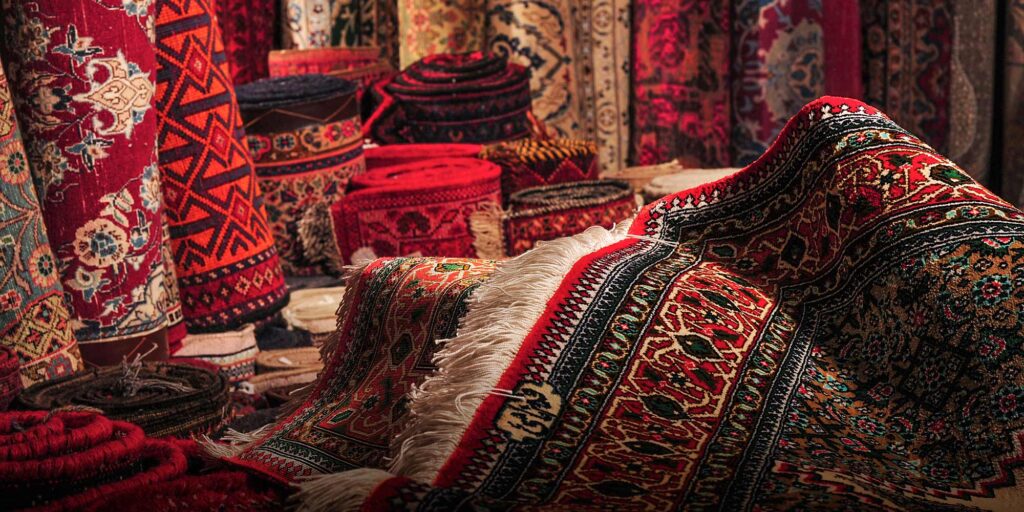
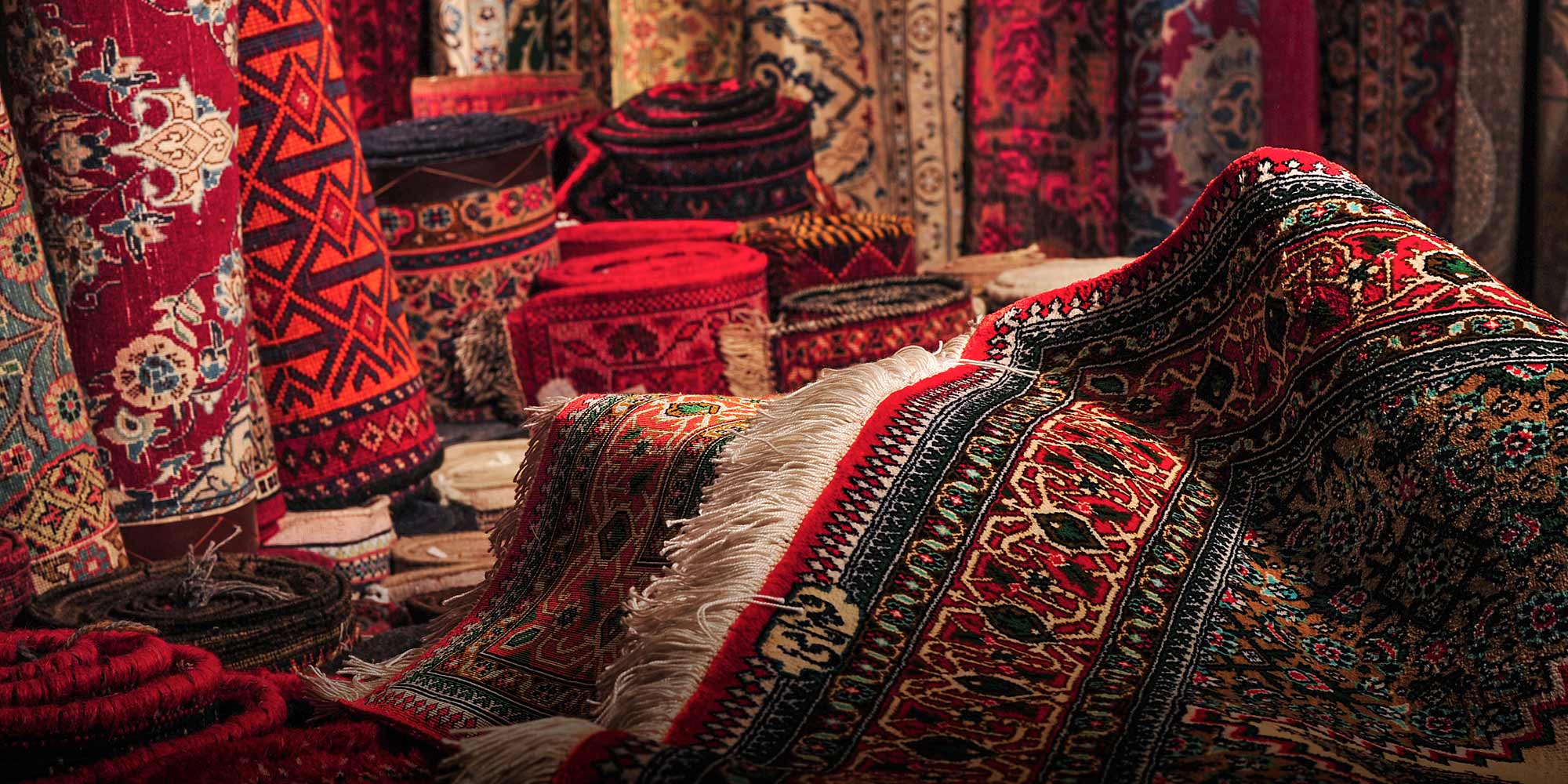
At this official and grand ceremony, attended by the Minister of Industry, Mine and Trade, the President of the Academy of Sciences, ambassadors from more than 30 countries around the world, and representatives of cultural and diplomatic institutions, Iranian carpets were celebrated as a symbol of Iran’s identity, beauty and cultural diversity. The presence of Dr. Hasan Fartousi, Secretary-General of the Iranian National Commission for UNESCO, further underscored the global significance of Iranian carpets as part of both tangible and intangible cultural heritage, highlighting that this art form deserves special attention within the framework of UNESCO’s cultural programs.
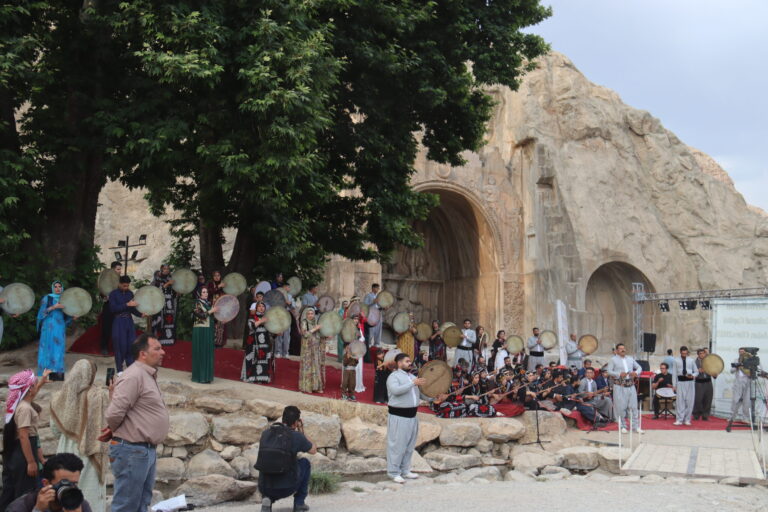
The commemorative ceremony began with a performance of traditional Iranian music, followed by the screening of high-quality images of carpets from different regions of the country, bringing the spirit of art and history to life throughout the museum hall. Guests then visited an exhibition of historic and valuable carpets, where they became acquainted with the diverse patterns and motifs of Iran’s various ethnic communities; designs that reflect the country’s deep cultural roots and civilizational diversity.
A live demonstration of carpet weaving by young artists portrayed moments of connection between today’s generation and the heritage of the past, symbolizing the continuity of creativity and craftsmanship throughout history.
The presence of ambassadors and international representatives gave the ceremony a dimension extending beyond national borders. Friendly exchanges on the sidelines of the event further highlighted the cultural and global influence of Iranian carpets.
On this day, Iranian carpets were presented not merely as works of art, but also as messengers of peace, beauty and cultural dialogue; a position aligned with the objectives of the Iranian National Commission for UNESCO and one that calls for continued support and global recognition.