Kashan: A Manifestation of History, Faith and Creativity on the Path to Global Recognition
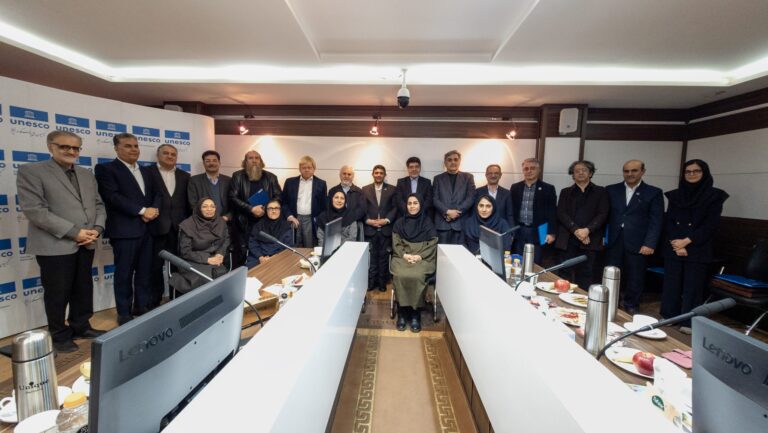
During the three-day visit of the Secretary-General of the Iranian National Commission for UNESCO to the Kashan Cultural Region, efforts were made to assess aspects of the city’s civilizational, cultural, scientific and architectural heritage as part of its journey towards becoming a UNESCO Creative City with global recognition. |

At the beginning of the third day of the visit, Dr. Fartousi met with Ayatollah Yathrebi, a prominent Islamic jurist in Kashan. During this cordial meeting, he praised the city’s deep-rooted traditions of scholarship, faith, art and culture, describing Kashan as a blend of ancient history and civilization, reflecting its people’s strong attachment to ethics, knowledge, faith and fraternity with the Ahl al-Bayt (peace be upon them).

Referring to the manifestations of the coexistence of art and architecture with devotion in the city, he added: “Art imbued with divine colours is clearly manifested in mosques such as Emadi and Agha Bozorg. The deep-rooted connection between scholarship and Islamic jurisprudence, together with the people’s devotion to the Ahl al-Bayt, has given Kashan’s Muharram and Safar observances a distinctive character.”
Ayatollah Yathrebi also referred to challenges such as water scarcity and environmental crises, emphasizing the enduring efforts of Kashan’s hardworking people throughout history, who have repeatedly overcome hardship and brought the city to international prominence. He also commended the efforts of the Iranian National Commission for UNESCO and its role in introducing Kashan’s culture and civilization.
Seminar on Creativity in Architecture in the Kashan Cultural Region
Dr. Hasan Fartousi: Kashan Could Become Iran’s First Creative City of Architecture
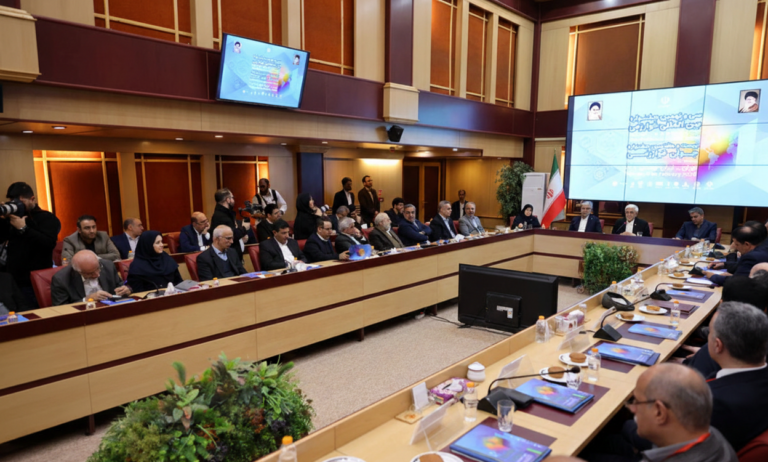
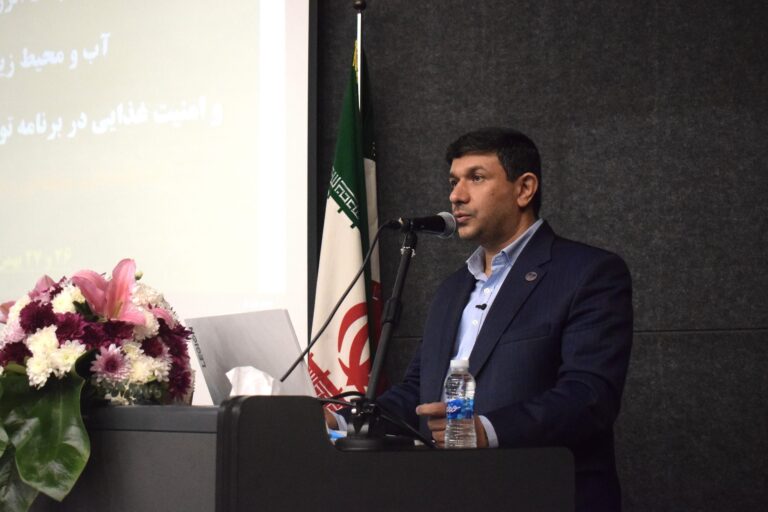
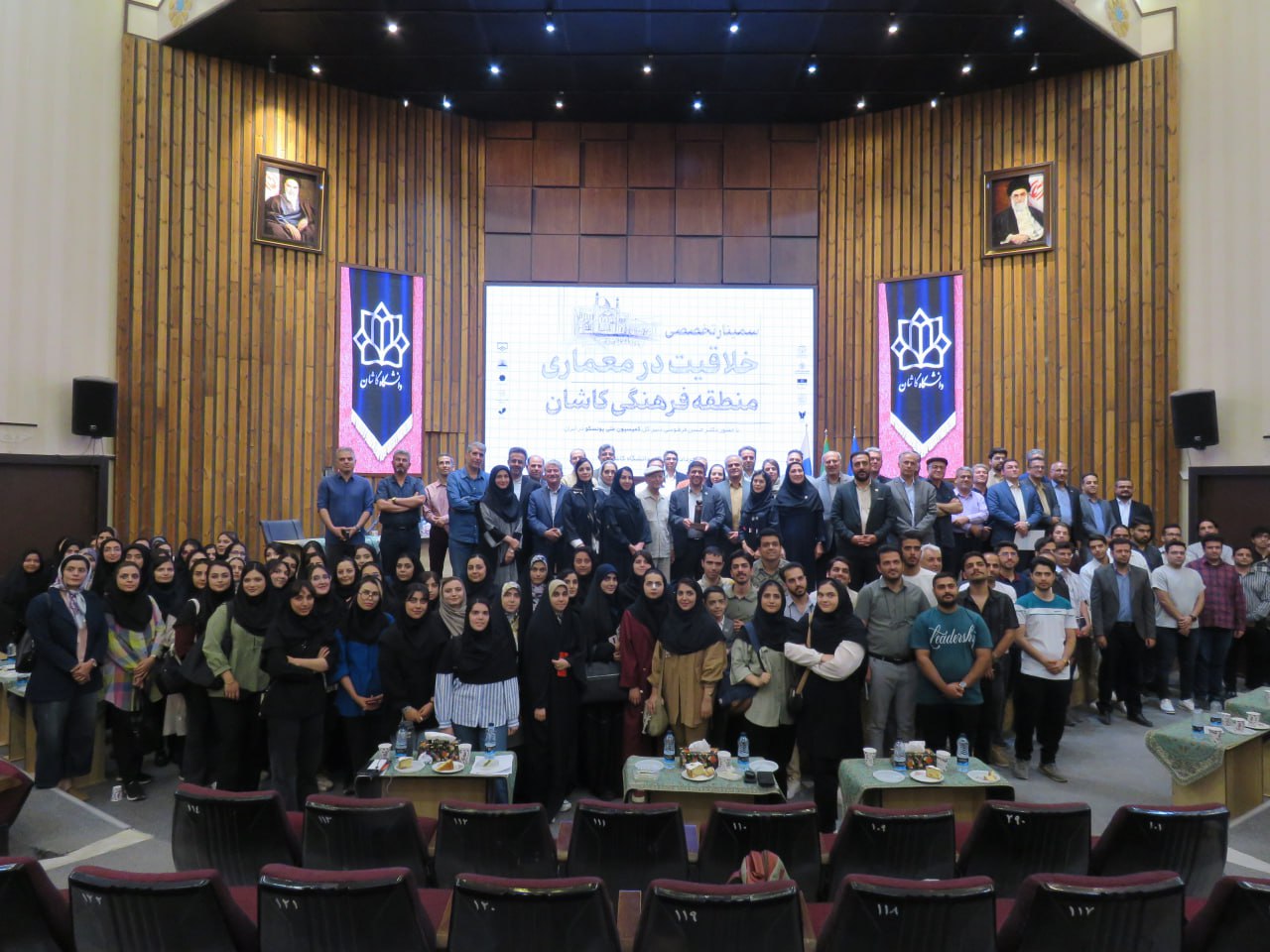
As part of the third day of the visit of the Secretary-General of the Iranian National Commission for UNESCO to the Kashan Cultural Region, a specialized academic seminar entitled “Creativity in Architecture” was held at Azadi Hall of the University of Kashan. The event was attended by Dr. Hasan Fartousi, university professors, architecture experts and a group of students. It aimed to explore the potential for creativity in Kashan’s indigenous, historic and contemporary architecture and to strengthen academic ties among universities, urban institutions and global networks.
During the seminar, Dr. Fartousi praised Kashan’s distinguished place in world history and civilization, stating: “Kashan is a city with a rich and extraordinary civilization. Creativity has been one of its key elements, playing an effective role in its sustainable development and cultural identity.”
He added that Kashan’s achievements extend beyond its rich history and culture. Through its continued dynamism and commitment to lifelong learning, the city has consolidated its position in the UNESCO Creative Cities Network, which it joined in 2016.
Harnessing Scientific and Global Opportunities
Referring to the various initiatives implemented in Kashan in education, documentation and the use of the city’s capacities, Dr. Fartousi stated that, despite competition among cities worldwide, Kashan had managed to maintain and consolidate its path with the support of local institutions.
He highlighted the need to document these efforts, establish educational infrastructure, expand international academic capacity and strengthen global scientific networks. He also emphasized the importance of making the most of these opportunities to enhance Kashan’s standing internationally.
Commending the organizers of the academic seminar at the University of Kashan, the Secretary-General of the Iranian National Commission for UNESCO said that the presentations reflected the high academic and research standards of the country’s universities, particularly in architecture, and played a key role in strengthening local and university capacities.
Emphasizing the role of universities in strengthening social responsibility, promoting innovation and fostering creativity, he added that such events were expected to contribute to the academic and cultural advancement of universities and their active participation in international scientific networks.
Indigenous Architecture: A Link between Tradition and Innovation
Highlighting the role of cultural heritage in sustainable development, Dr. Fartousi stated that, amid global crises such as climate change, understanding and preserving indigenous and traditional architecture, as exemplified by Kashan, could help inform new approaches to urban design. He stressed the importance of safeguarding cultural elements and respecting nature, and commended the efforts of civil society organizations, senior academics and architecture experts.
Kashan: A Pioneer of Architectural Creativity in Iran
Referring to Kashan’s exceptional potential in architecture and creativity, Dr. Fartousi added: “Kashan could become Iran’s first Creative City of Architecture; a smart, learning city with the cultural and academic infrastructure needed to play a global role.” He described UNESCO’s primary objective as promoting balanced and sustainable development, adding: “Our aim is to introduce cultural and social values to the world, not merely to promote economic development.”
The University of Kashan’s Achievements in Support of National Development
During the event, Dr. Behzad Soltani, President of the University of Kashan, described the institution as one of Iran’s reputable comprehensive universities. He stated: “Twenty-nine of our professors are listed among the world’s leading academics, and the University of Kashan is actively engaged in architecture, literature, languages, the humanities and technology.”
Referring to the establishment of more than 80 technology-based companies under the university’s supervision, he explained that these initiatives aimed to promote academic entrepreneurship, knowledge-based exports and regional development. He added: “We seek to connect technology with cultural identity and are working to integrate architectural education with Kashan’s architectural traditions.”
Specialized Sessions on Kashan’s Architecture
The academic component of the seminar featured three specialized sessions examining different aspects of creativity in Kashan’s architecture.
The first session, entitled “Creativity in Kashan’s Architecture in the Ancient and Islamic Periods,” featured Dr. Mohsen Javari, a faculty member of the Department of Archaeology; Dr. Reza Nouri Shadmahani, Head of the Department of Archaeology; and Dr. Mohammadreza Hatamian, Head of the Department of Architectural Engineering.
The second session focused on “Creativity in Kashan’s Distinctive Architectural Elements: Houses, the Bazaar and Fin Garden.” Participants included Dr. Mehdi Momtahan, Dean of the Faculty of Architecture and Art; Dr. Mohammad Mashhadi, a faculty member in the Department of Philosophy and Religions; Dr. Hamidreza Jeyhani, a faculty member of the Faculty of Architecture and Urban Planning at Shahid Beheshti University; and Dr. Mohammadreza Ghiasian, Head of the Department of Advanced Art Studies.
The third session, entitled “Creativity in Architectural Education and Related Industries in Kashan,” featured Dr. Azamolsadat Razavizadeh, Head of the Department of Architecture at the Islamic Azad University, Kashan Branch; Dr. Mohammadreza Ataei, Head of the Department of Architecture; and Dr. Meysam Arabzadeh, President of the Islamic Azad University, Kashan Branch.
The seminar was warmly received by the academic community, architecture professionals, students and cultural heritage enthusiasts, marking another step towards consolidating Kashan’s international standing as a Creative City.
Secretary-General of the Iranian National Commission for UNESCO Visits Historic Sites in the Kashan Cultural Region on the Third Day of His Visit
On the final day of the visit, the Secretary-General of the Iranian National Commission for UNESCO and his delegation toured several other historic sites and areas in the Kashan Cultural Region as part of efforts to prepare Kashan’s application to join the UNESCO Creative Cities Network. These included the Veygel (Harasgan) archaeological area, Manouchehri House, the historic Al-e Yasin House and Tabatabaei House, among others.
During the visits, attended by the Mayor of Kashan and several officials and architecture specialists, the delegation was briefed on the architectural features and technical characteristics of the buildings.
The Secretary-General of the Iranian National Commission for UNESCO and his delegation visited the Kashan region to assess the status of the city’s presentation and application for international recognition as a Creative City in the field of architecture. At the conclusion of the visit, the Secretary-General presented Abolfazl Sarouqian with a finely produced copy of the Qur’an published by the Iranian National Commission for UNESCO, expressing his appreciation for the Mayor of Kashan’s invitation and gracious hospitality. He also expressed hope that Kashan would soon join the UNESCO Creative Cities Network and consolidate its rightful position on the international stage.