Social Innovations for the Future of Water
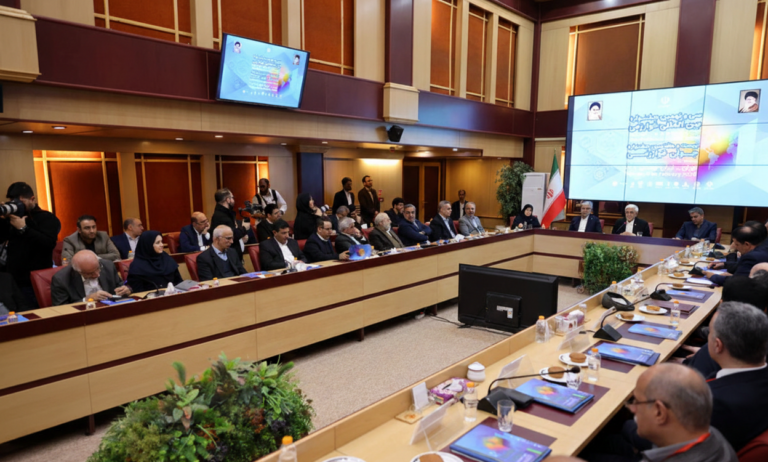
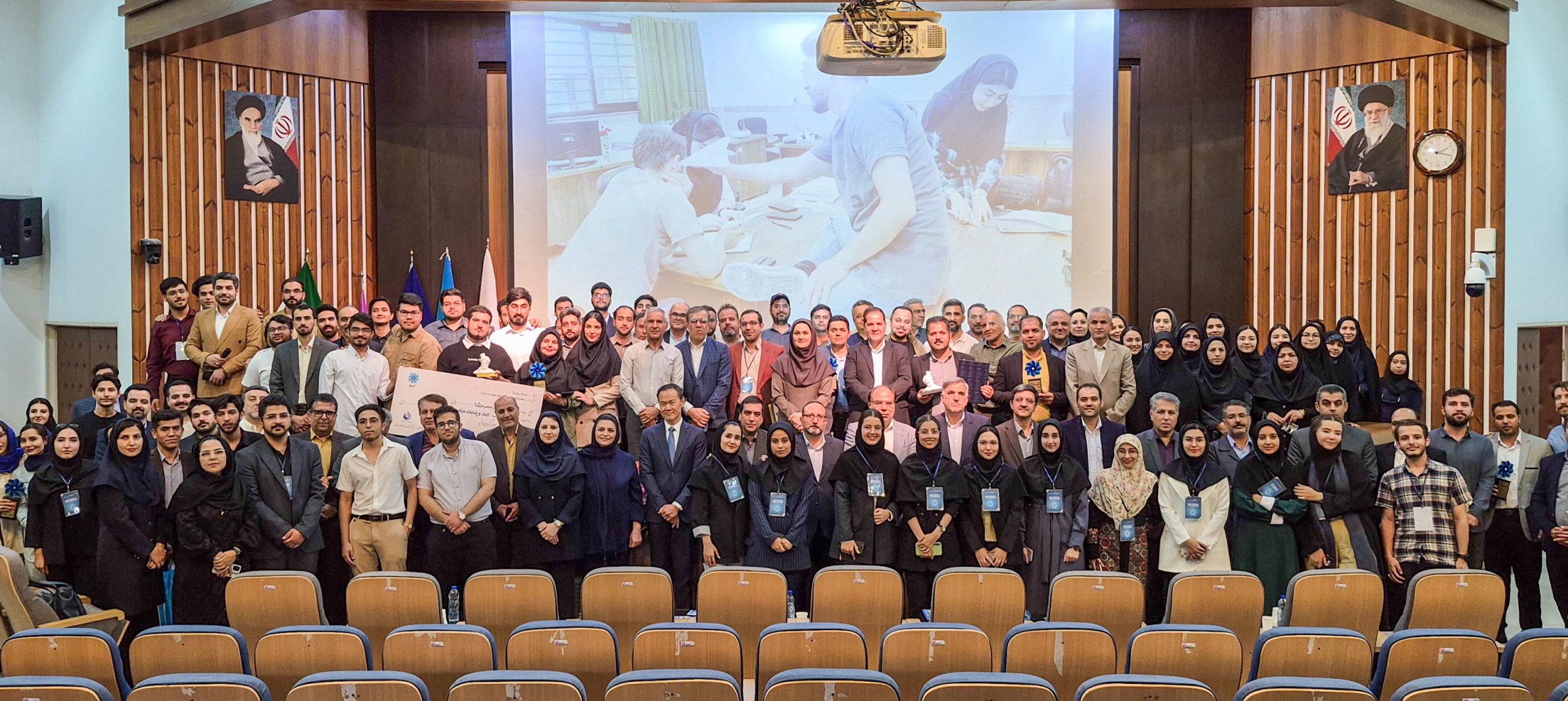
The second National Event on Social Innovations in Urban Water, held with the participation of the Iranian National Commission for UNESCO, took place on Wednesday, 28 May 2025, at the Faculty of Agriculture of Ferdowsi University of Mashhad. The event sought to identify innovative, participatory and sustainable solutions to the challenges of water resource management. |
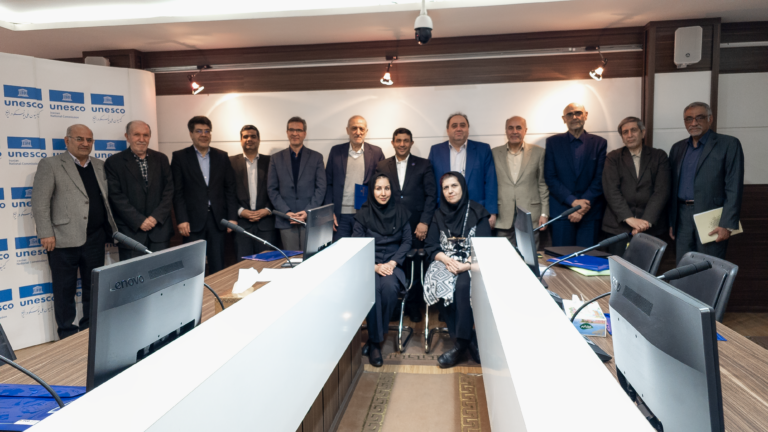
The national event was organized with the participation of Mashhad Water and Wastewater Company, the Iranian National Commission for UNESCO, the UNESCO Office in Tehran, the National Elites Foundation, the Iranian Growth Campus and Ferdowsi University of Mashhad, and was hosted by the Faculty of Agriculture of the university. The meeting was attended by national officials, local managers, university professors, students and social activists.
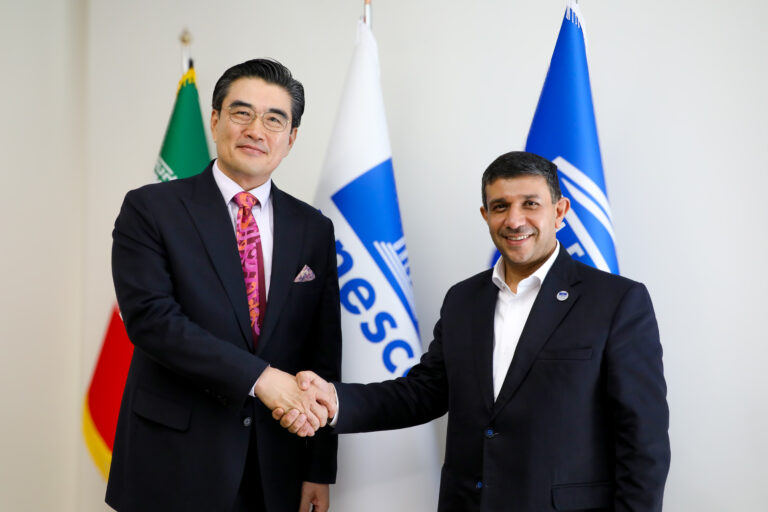
The event featured speeches by Hossein Esmaeilian, CEO of Mashhad Water and Wastewater Company; Hooshang Malaei, Deputy for Management Development and Human Resources at the National Water and Wastewater Engineering Company; Mehdi Bakhti, Director-General of Public Relations at the National Water and Wastewater Engineering Company; Ying Serang, Head of the UNESCO Office in Tehran; and Sahar Ahmadizadeh, Head of the Science Unit at the Iranian National Commission for UNESCO.
Message from the Secretary-General of the Iranian National Commission for UNESCO: Social Innovation, a Path towards a Sustainable Water Future
As part of the event, the official message of Dr. Hasan Fartousi, Secretary-General of the Iranian National Commission for UNESCO, was read aloud by the Head of the Commission’s Science Unit.
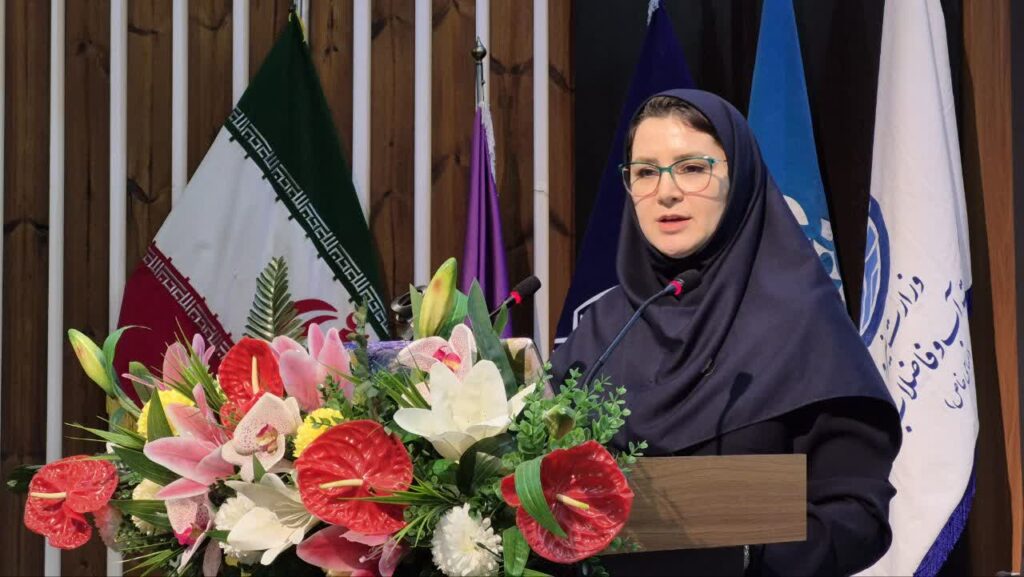
Dr. Fartousi’s message began by emphasizing that water is the source of life and the foundation of sustainable development. However, population growth, urban development and climate change have posed serious challenges to water resource management. The depletion of safe water resources has also led to widespread social changes, underscoring the need for innovative solutions to improve the management of these resources.
Holding such an event therefore represents not only an opportunity to exchange valuable knowledge and experience, but also an effective step towards identifying sustainable and participatory solutions to these challenges.
The Secretary-General of the Iranian National Commission for UNESCO also noted in his message that successful experiences around the world have demonstrated that adequate infrastructure, smart technologies and citizen participation are the three fundamental pillars of urban water management. Policymakers, scientific and social institutions, and the private sector must therefore work together to turn innovative solutions into action.
UNESCO’s Emphasis on Participatory Water Governance and an Interdisciplinary Approach
The message highlighted the importance of sustainable urban water resource management and UNESCO’s interdisciplinary and participatory approach. It emphasized the need to draw on indigenous knowledge, modern technology and the capacities of local communities to address the water crisis. UNESCO has consistently underscored the role of education, research and international cooperation in advancing sustainable water governance.
Social innovations, which are at the heart of today’s discussions, offer new, participatory and sustainable approaches to addressing complex challenges in urban water management. Social innovation involves new methods of community participation, education and empowerment, and can only be fully realized through collaboration among universities, non-governmental organizations, the private sector and government.
The message also noted that UNESCO’s Intergovernmental Hydrological Program, implemented through UNESCO’s Natural Sciences Sector, has emphasized the development of modern technologies, public education and integrated water resources management across its various phases, including Phases Eight and Nine. The program seeks to develop sustainable solutions to global water challenges through local community participation and the application of social innovations.
Referring to UNESCO’s Intergovernmental Hydrological Program and the Management of Social Transformations (MOST) Program, the Secretary-General described the event as an effective step towards connecting the natural sciences with the humanities to address water-related challenges. He noted that social innovations in the water sector can help reduce social inequalities and strengthen community resilience.
The message also highlighted Mashhad’s distinctive position as a UNESCO Learning City. Dr. Fartousi noted that, by harnessing social innovations and public education, Mashhad could become one of the leading cities in smart urban water management.
The Iranian National Commission for UNESCO: A Platform for Knowledge Exchange and Strengthening Water Literacy
Emphasizing the mission of the Iranian National Commission for UNESCO, the Secretary-General reiterated that UNESCO has consistently maintained that addressing global crises requires the integration of indigenous knowledge, modern technologies and public participation. He described the event as a notable example of such convergence, where innovative social ideas can open up new pathways towards equitable and sustainable water management in Iranian cities.
At the conclusion of the message, the Commission’s representative read the following statement: the Iranian National Commission for UNESCO was proud to support the event, alongside the UNESCO Office in Tehran, by helping provide a platform for knowledge and experience exchange among specialists, social activists and implementing institutions.
The message also stressed the need to develop community-based research projects and strengthen water education and literacy in schools and the media, concluding: “The future of water is in the hands of informed citizens.”
A Scientific Competition to Safeguard Water Resources
It is worth noting that the event received 60 ideas from 13 locations across the country, of which 12 advanced to the final stage. Following the final evaluation, six outstanding ideas were selected as winners of the second Abino competition: Farideh Sadat Salamat from the Payab team; Mohsen Rostapour from the Abnama team; Mohammad Javad Rezvanpour from the Nabard-e Ghatreh team; Sabra Janfazā from the Pahlevan-e Ghatreh team; Saeed Toosi from the Deaf Ambassadors of Water team; and Mohammad Hosseini from the Digi Ab team.
The second National Event on Social Innovations in Water served as a successful example of combining evidence-based policymaking, public participation and international engagement. In this process, the Iranian National Commission for UNESCO played a central role as a leading institution, helping translate scientific approaches into effective, community-driven action.