A Global Vision for a City with a 63,000-Year History
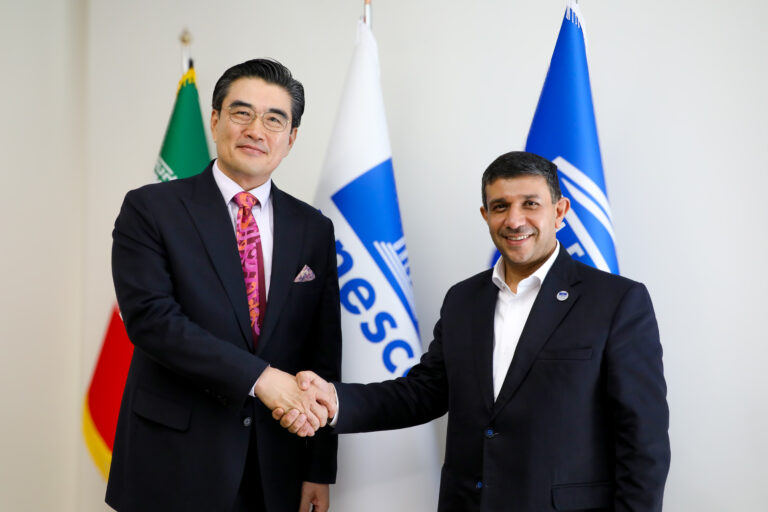
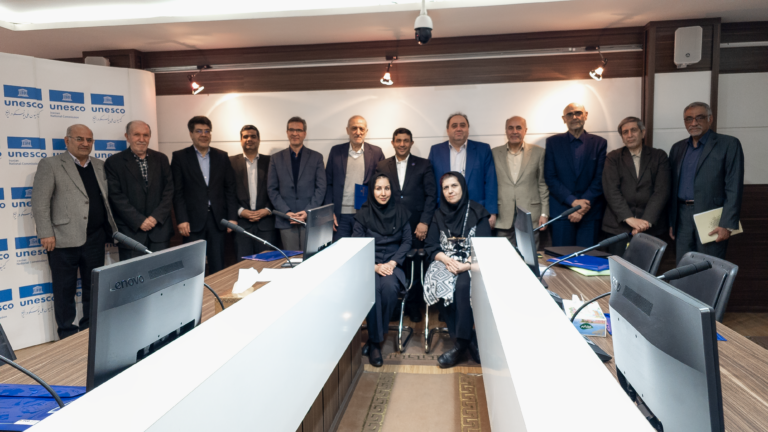
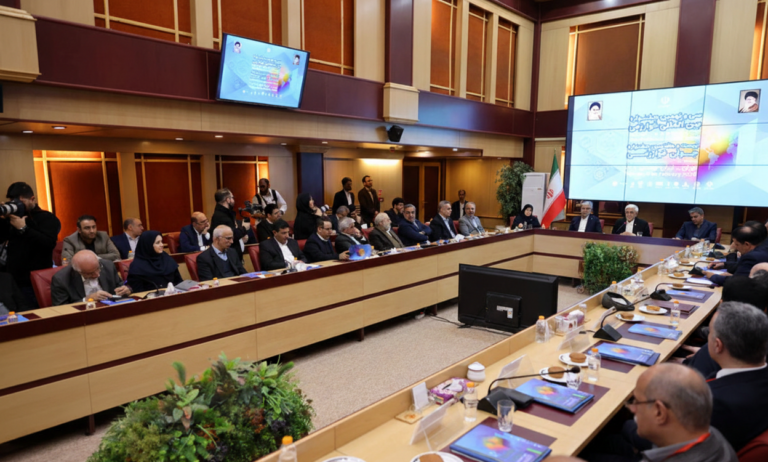
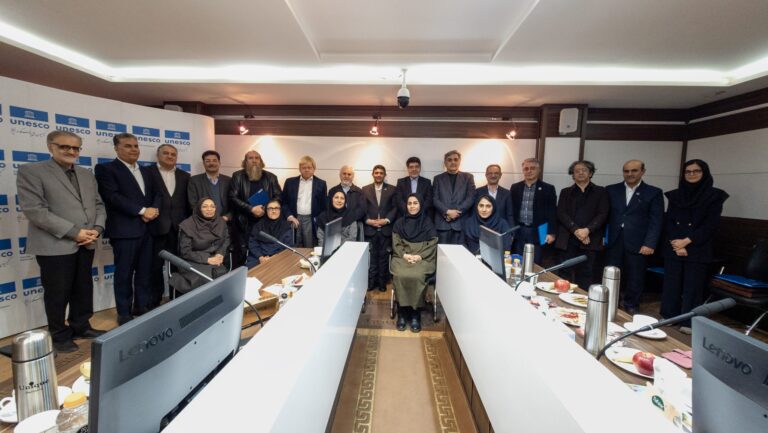
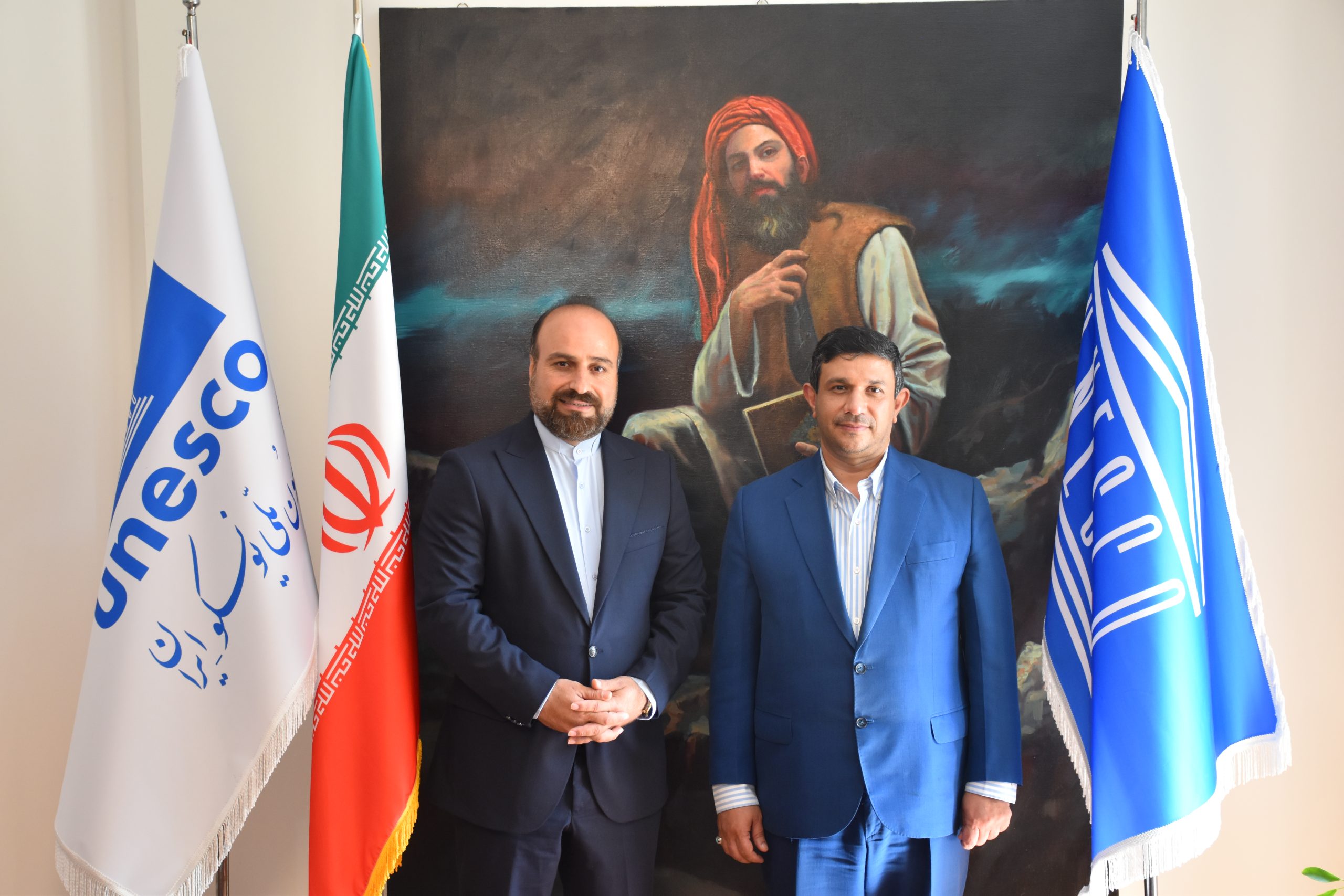
At a meeting attended by Dr. Hassan Fartousi, Secretary-General of the Iranian National Commission for UNESCO, and Dr. Daryoush Barani Biravand, Mayor of Khorramabad, the city’s historical, cultural and natural capacities were examined in relation to leveraging the potential of the Khorramabad Valley’s World Heritage inscription. The meeting emphasized the municipality’s key role in the city’s efforts to gain international recognition and the need for sustained public awareness-raising. |
Dr. Hassan Fartousi, Secretary-General of the Iranian National Commission for UNESCO, emphasized the importance of Khorramabad’s international recognition, stating: “The Iranian National Commission for UNESCO has a special regard for Khorramabad. With its profound historical and cultural heritage, the city could become a major hub for culture, tourism and environmental sustainability, provided it is managed effectively.”
Referring to the sensitive condition of Falak-ol-Aflak Castle and the need to observe construction regulations within the protected zones surrounding natural and historical sites, he noted that, from UNESCO’s perspective, municipalities play a central role in every region. Although many powers and responsibilities lie with other authorities, municipalities are expected to take the lead in raising public awareness and fostering a culture of heritage protection.
An Invitation to the Municipality to Harness the Potential of World Heritage Inscription
Dr. Daryoush Barani Biravand, Mayor of Khorramabad, described the purpose of the meeting as expressing gratitude for UNESCO’s support and discussing the post-inscription phase following the World Heritage listing. He stated: “We know what we want to achieve, but we need support and guidance to reach our goals. Khorramabad is ready to host and engage in meaningful cooperation with UNESCO.”
The mayor also referred to several recent developments in the city, including plans to hold a consultative meeting in the coming weeks to formulate a post-inscription roadmap, the participation of Khaybar Khorramabad football team in the Premier League and the widespread public enthusiasm it generated, and the granting of honorary citizenship to two experts who had contributed to the World Heritage inscription process at UNESCO.
A Heritage Dating Back 63,000 Years
The mayor of Khorramabad highlighted the city’s unique historical and cultural features, stating: “Khorramabad’s nomination was one of the strongest in UNESCO’s history of World Heritage inscriptions, from the initial assessments by international experts in the 1980s to direct monitoring by foreign inspectors. We went through an unprecedented experience.”
Fartousi, acknowledging the strong commitment of the city’s new administration, outlined several key priorities: standardizing construction within heritage protection zones; producing multilingual content for international visitors; fostering a deeper culture of tourism and training local hosts; paying attention to endangered languages and promoting local subcultures; and giving special consideration to the environment.
Emphasis on Protecting Lorestan’s Natural Identity
Dr. Abdolmahdi Mostakin, Adviser to the Secretary-General of the Iranian National Commission for UNESCO, also highlighted the positive developments in Khorramabad and stressed the importance of protecting the region’s natural environment. He stated: “The oak trees of Lorestan are part of the region’s identity. Protecting them, along with the Lorestan newt, native squirrels and extraordinary waterfalls, must be a priority.”
He also warned against human-induced threats, including illegal excavations, off-road driving in natural areas and deliberate fires.
Specialized Meetings and Engagement with International Organizations
Dr. Laden Ranjbar, Adviser to the Mayor and an expert with the Asian Mayors Forum, formally invited the Iranian National Commission for UNESCO to participate in a specialized meeting on the post-inscription phase of Khorramabad Valley, scheduled for late October. She stated: “UNESCO’s participation in this meeting can strengthen our strategic direction towards cultural development, environmental protection and international tourism.”
Maryam Sanaei, Director of UNESCO Networks, also proposed holding a series of specialized meetings on Falak-ol-Aflak Castle and the historic Khorramabad Valley.
The meeting between the Municipality of Khorramabad and the Iranian National Commission for UNESCO reflects the city’s strong determination to play an influential role. Despite its exceptional historical, cultural and natural assets, what is now needed is smart and sustainable planning to make the most of this historic opportunity. The Commission has expressed its readiness to support these efforts and considers Khorramabad a city with the potential to become a global cultural landmark.