Exploring Ways to Expand Cultural Cooperation at a Meeting between the Minister of Culture and Islamic Guidance and the Secretary-General of the Iranian National Commission for UNESCO
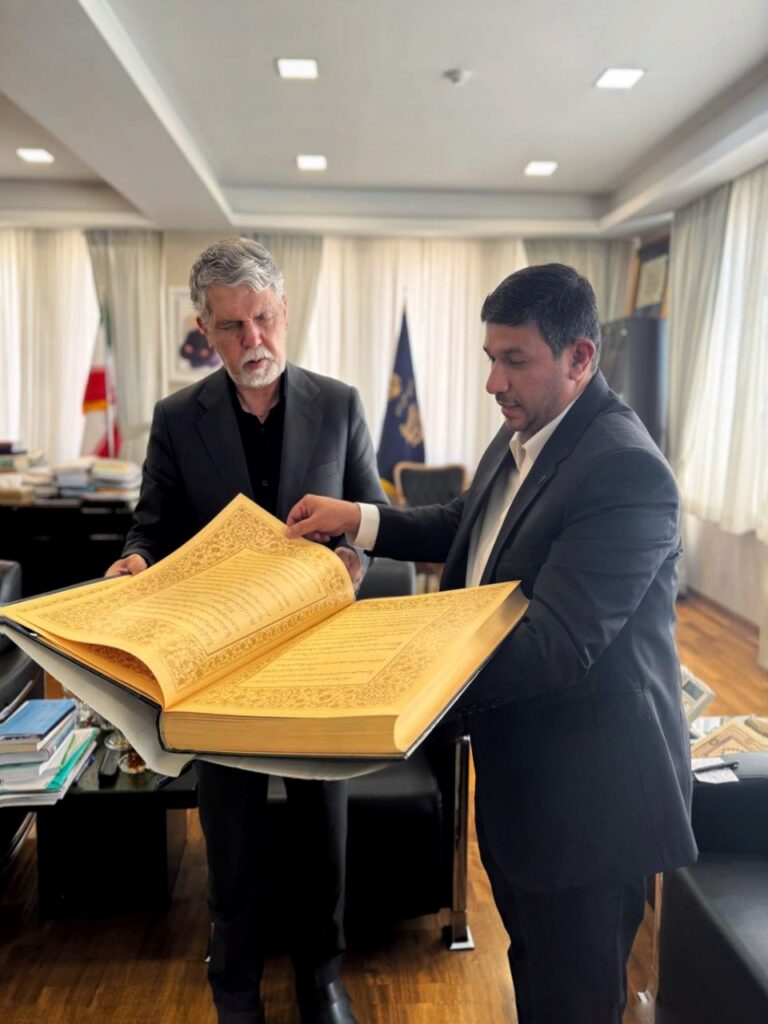
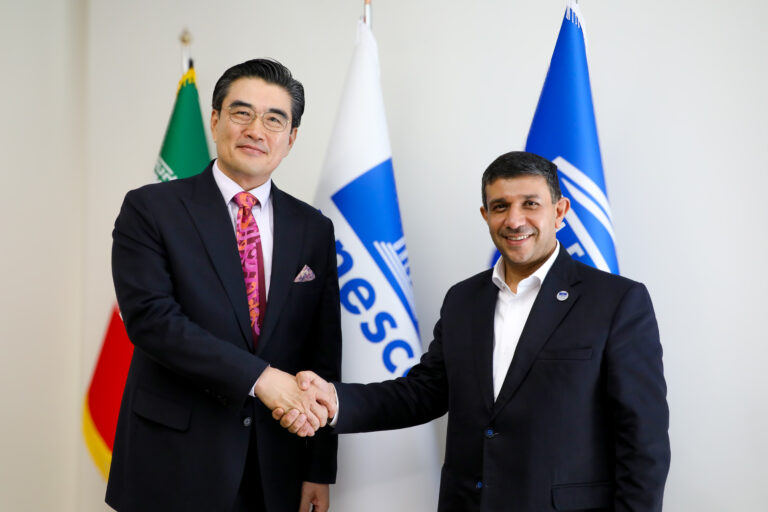
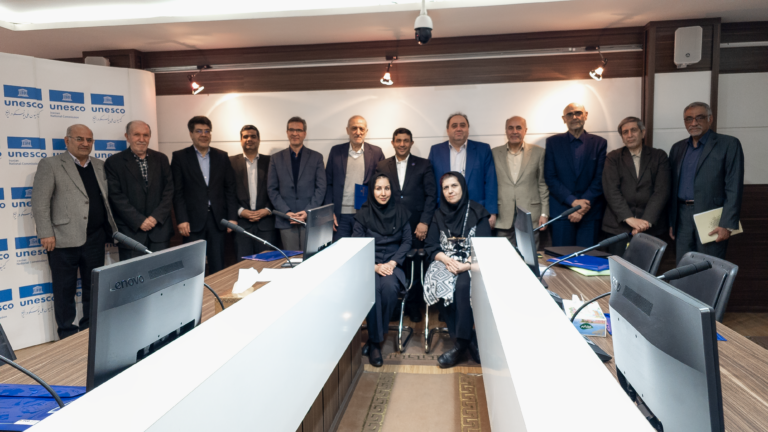
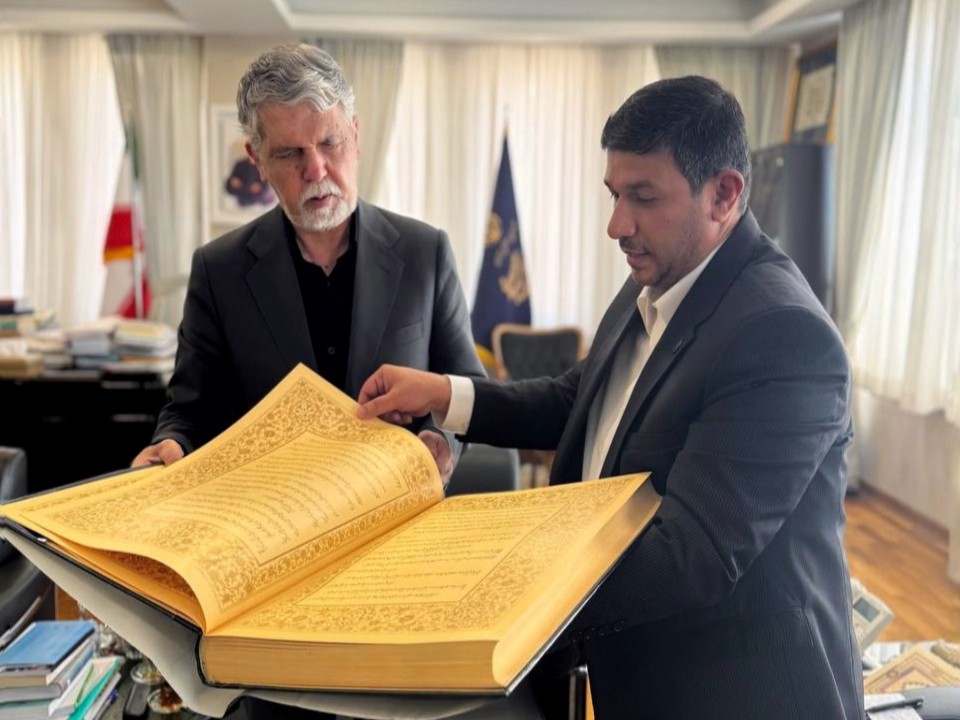
Dr. Abbas Salehi, Minister of Culture and Islamic Guidance, met with Dr. Hassan Fartousi, Secretary-General of the Iranian National Commission for UNESCO, at the Ministry on 21 August 2025. The meeting aimed to review the Commission’s recent activities, identify opportunities for joint cooperation, plan for participation in the Mondiacult Conference (the World Conference on Cultural Policies and Sustainable Development) in 2026, and enhance Iran’s role in international cultural engagement. |
At the beginning of the meeting, Dr. Hassan Fartousi presented a comprehensive report on the activities of the Iranian National Commission for UNESCO during his tenure. Reviewing the Commission’s performance across various fields, he emphasized its structure as the coordinating body responsible for overseeing UNESCO’s activities in Iran and highlighted existing capacities in the areas of Creative Cities, UNESCO networks, and Category 2 Centres.
The Commission’s actions during the 12-day war and the issuance of official statements condemning the Israeli regime, which prompted an official response from UNESCO’s Director-General, were among the other key issues discussed. The Secretary-General also addressed the launch of a new term of the High Council, the revision of the regulations governing national committees, and the registration and revival of the National Committee for Culture and the Arts and the National Committee for Cultural Diversity.
He then discussed ongoing cooperation with the Ministry of Culture and Islamic Guidance and the Islamic Culture and Relations Organization, highlighting the potential of the latter in the international arena. Referring to the Commission’s ongoing efforts, Fartousi announced plans to secure UNESCO recognition for prominent Iranian figures, introduce new Creative Cities, promote the World Book Capital initiative, and pursue the designation of a World Persian Language Day. He also stressed the importance of the Islamic Republic of Iran’s accession to international cultural conventions to strengthen the country’s standing on the global stage.
Efforts to Secure International Recognition for Distinguished Figures and Cultural Occasions: From Allameh Tabataba’i to the Cyrus Cylinder
Regarding the recognition of distinguished figures, Dr. Abbas Salehi expressed appreciation for the efforts to include Allameh Tabataba’i and Bayazid Bastami in the list of internationally recognized figures, as well as for plans to pursue the future recognition of Rabia Balkhi and the Arbaeen ceremony.
He also emphasized the importance of a joint initiative by Iran, Tajikistan, and Iraq to commemorate the 2,550th anniversary of the Cyrus Cylinder, in order to prevent the occasion from being registered unilaterally.
The Minister of Culture and Islamic Guidance stated that the designation of a World Persian Language Day was also of great importance, adding that the establishment of a joint working group to pursue the matter could help advance the process.
Preparations for Participation in the Mondiacult International Conference
Continuing the discussion, Dr. Fartousi highlighted the important role of culture in the Sustainable Development Agenda and outlined the main themes of the 2026 Mondiacult Conference (the World Conference on Cultural Policies and Sustainable Development), including cultural rights, culture and education, climate action, and the cultural economy. He stressed the significance of this major cultural event.
He noted that the conference would be an important step towards strengthening cultural cooperation among national and international institutions and enhancing the effective participation of the Islamic Republic of Iran in UNESCO’s global forums.
At the conclusion of the meeting, Salehi commended the activities of the Iranian National Commission for UNESCO and emphasized the need to clarify UNESCO’s areas of work for the Ministry of Culture and Islamic Guidance. He proposed holding a meeting with the participation of the Ministry’s deputies and the Secretary-General of the Iranian National Commission for UNESCO to improve coordination and make greater use of existing capacities.
During the meeting, the Secretary-General presented the Minister of Culture and Islamic Guidance with a fine edition of the Divan of Hafez, published by the Iranian National Commission for UNESCO.