International White Cane Safety Day: A Voice for Equality and Accessibility for All
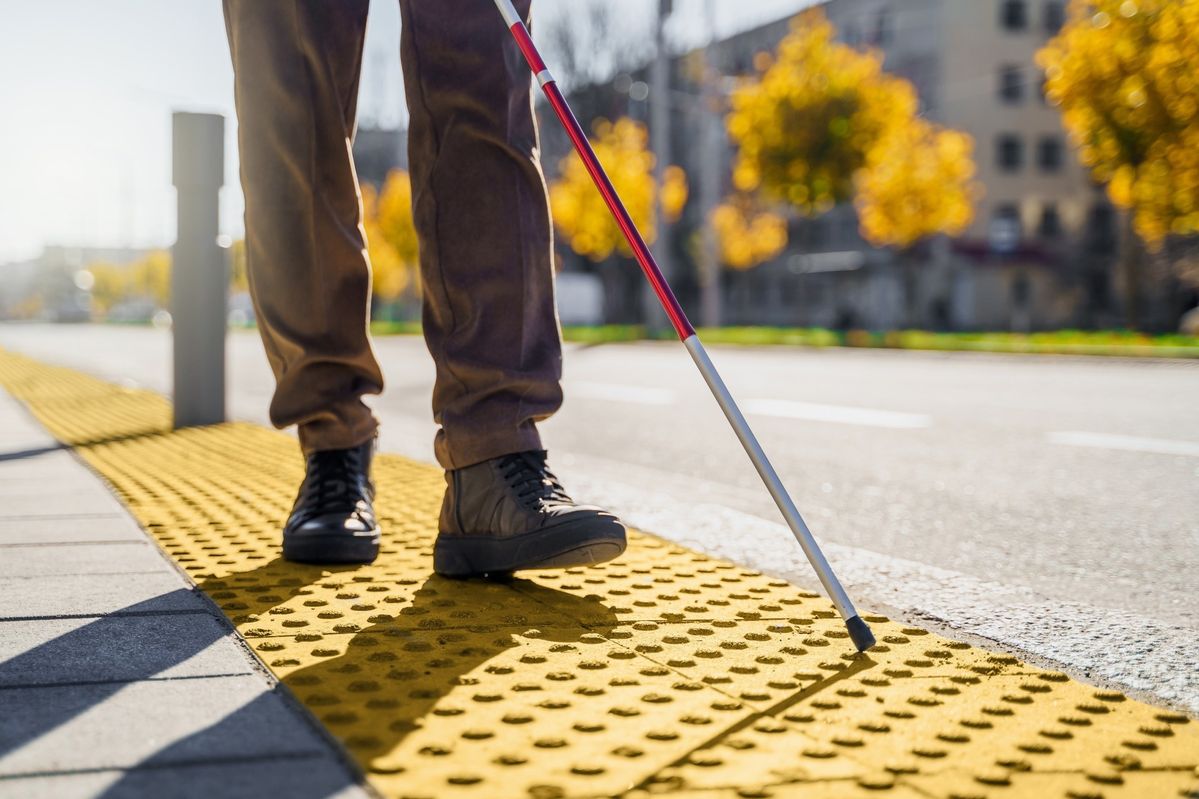
15 October, International White Cane Safety Day, serves as a reminder of the importance of equality, human dignity and everyone’s right to access education, culture and knowledge. UNESCO emphasizes that no society can advance towards sustainable development without the active and equal participation of persons with disabilities, including blind and partially sighted people, in all areas of social and cultural life. |
In its international instruments, including the Charter for Libraries Serving Persons with Print Disabilities and the Marrakesh Treaty, UNESCO emphasizes the need to ensure that blind people have access to scientific and cultural resources in formats such as Braille, audio editions and accessible digital texts.
These policies safeguard the fundamental right to access knowledge and lay the groundwork for the equal participation of blind people in education and cultural systems worldwide.
In education, UNESCO consistently advocates for inclusive and accessible systems in which all children and young people can participate, regardless of their physical condition.
The experience of the COVID-19 pandemic showed that blind people face a greater risk of being excluded from education than many other groups. Countries that were able to maintain educational equity were those that incorporated multimedia tools, audiobooks and digital Braille into their distance-learning systems.
Culture and the Arts: A Stage for Talent to Shine
By supporting festivals and artistic events specifically for blind people, UNESCO underscores the importance of ensuring their visibility and participation in the cultural life of the world.
Iranian National Commission for UNESCO Emphasizes the Development of Accessible Policies
On the occasion of World White Cane Safety Day, the Iranian National Commission for UNESCO commemorates the day and emphasizes the need to develop accessible cultural and educational policies, expand cooperation with organizations active in the field of blindness, and raise public awareness to eliminate prejudice.
Respecting the dignity and abilities of blind people is not only a human responsibility but also an effective step towards building an equal, inclusive society aligned with UNESCO’s universal values.