Redefining Teaching as a Collaborative Profession: Joint Message on World Teachers’ Day 2025
Global Teacher Crisis: UNESCO and International Organizations Call for Urgent Action On the occasion of World Teachers’ Day (5 October 2025), the Director-General of UNESCO, the Director-General of the International Labour Organization (ILO), the Executive Director of UNICEF and the General Secretary of Education International issued a joint message. The message describes teachers as pillars of quality education and drivers of learning, inclusion and equal educational opportunities. However, it warns of an unprecedented crisis in the teaching profession that requires political mobilization at the highest level. |
A Shortage of 44 Million Teachers: A Warning Bell for the Future of Global Education
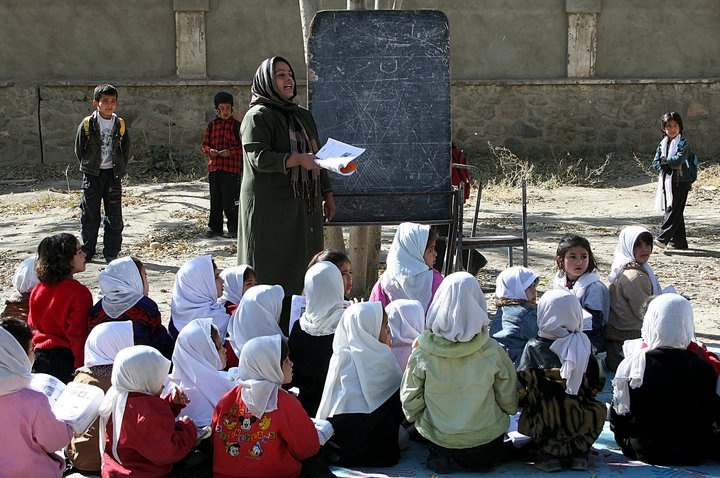
According to the Global Report on Teachers, the world needs 44 million additional teachers to achieve universal primary and secondary education within the next five years. Over the past seven years, the number of teachers leaving the profession has also doubled. This worrying trend has exacerbated the widespread shortage of education personnel.
A range of challenges, including difficult working conditions, professional isolation and a lack of opportunities for continuous learning and career advancement, are among the main drivers of this crisis. The joint message emphasizes that increasing funding alone is not enough to reverse this trend. Policies must also be adopted to create collaborative and motivating working environments for teachers throughout their careers.
From Isolation to Collaboration: Redefining the Teaching Profession
This year’s World Teachers’ Day is celebrated under the theme “Redefining Teaching as a Collaborative Profession,” highlighting the relational and collective nature of education. This approach emphasizes collaboration among teachers—in the classroom, in digital spaces and in decision-making processes—to strengthen motivation, resilience and the quality of education worldwide.
The message underscores that teachers’ professional identities should be built on collaboration from the outset. Peer learning, co-teaching and professional mentoring should lie at the heart of both initial and continuing teacher education.
Since 2018, UNESCO has supported the training of more than 1.4 million teachers worldwide and facilitated opportunities for them to exchange experiences.
At the same time, the message stresses that technology can never replace the human role of teachers, but it can create unprecedented opportunities for cross-country and interdisciplinary collaboration. Teachers must learn how to use digital tools to strengthen communication, dialogue and participation.
Enhancing teachers’ participation in educational decision-making, particularly in policy design and school leadership, is also identified as a key factor in improving trust, well-being and the quality of education. Social dialogue between governments and teachers can lead to reforms that reflect the realities of the classroom.
A Global Call to Support Teachers
The message concludes with a call by four international organizations: UNESCO, the International Labour Organization (ILO), UNICEF and Education International, for governments, educational institutions and the international community to uphold a collective commitment to strengthening collaboration and cooperation within the teaching profession.
They maintain that only through effective collaboration at every level can equitable, inclusive and resilient education systems be built worldwide.
Signatories to the Message:
Ms. Audrey Azoulay, Director-General of UNESCO
Mr. Gilbert F. Houngbo, Director-General of the International Labour Organization
Ms. Catherine Russell, Executive Director of UNICEF
Mr. David Edwards, General Secretary of Education International