

UNESCO Week of Education in Culture and the Arts Adopted: Global Emphasis on Synergies between Education and Culture
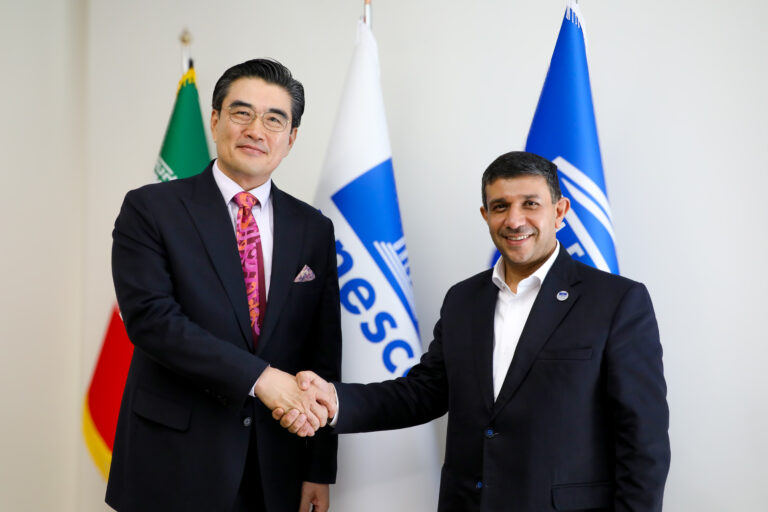
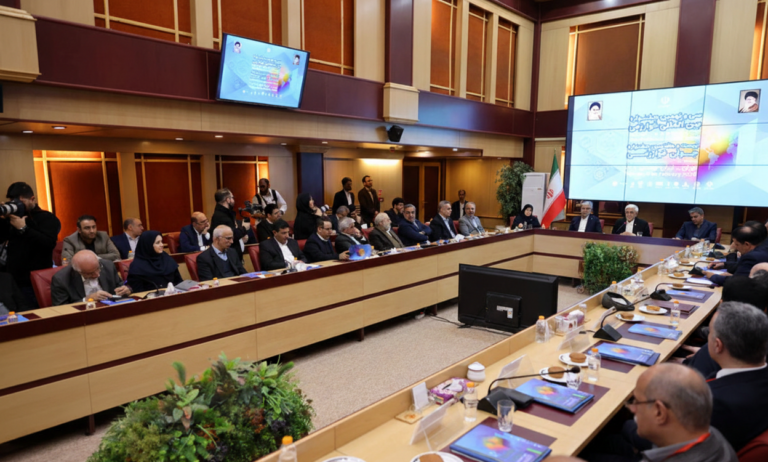
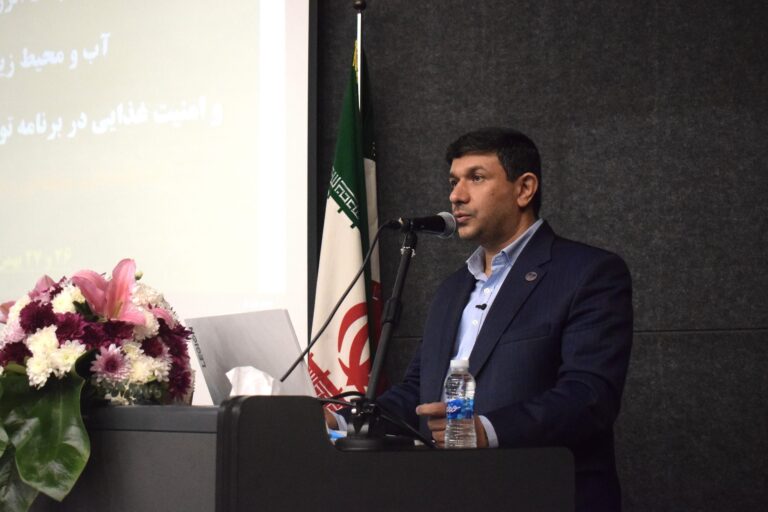
| The Islamic Republic of Iran Emphasizes the Inextricable Link between Culture and the Arts in EducationAt UNESCO’s meeting on education, the Islamic Republic of Iran expressed its full support for the draft resolution on “UNESCO Week of Education in Culture and the Arts.” Dr. Hassan Fartousi, Secretary-General of the Iranian National Commission for UNESCO and the country’s representative at the meeting, presented Iran’s views, describing the initiative as a well-considered step towards strengthening the place of culture and artistic expression in education systems. |
The text of his statement is as follows:
Mr. Chair, Excellencies, and distinguished colleagues,
The Islamic Republic of Iran expresses its full support for the draft resolution under consideration. This thoughtful revision reaffirms the inseparable link between culture and artistic expression. This is not merely a symbolic gesture, but a reflection of a profound understanding of the fact that culture and the arts, together, shape minds, identities, and futures.
Culture: The Soul of Education and the Enduring Heritage of Societies
Culture is the soul of education; it carries the values, stories, and traditions that sustain societies across generations. By integrating culture and the arts into education systems, we empower learners to connect with their heritage, express themselves creatively, and engage with the world both intellectually and emotionally.
Iran: A Living Example of Synergies between Culture and the Arts in Education
With its rich traditions of poetry, music, calligraphy, and storytelling, Iran has long integrated cultural education and artistic expression into various levels and fields of learning, as well as into everyday life. The Iranian experience is a living example of how culture and the arts simultaneously nurture the intellect and the spirit.
Reaffirming Our Collective Commitment to a Creative and Culturally Enriched Future
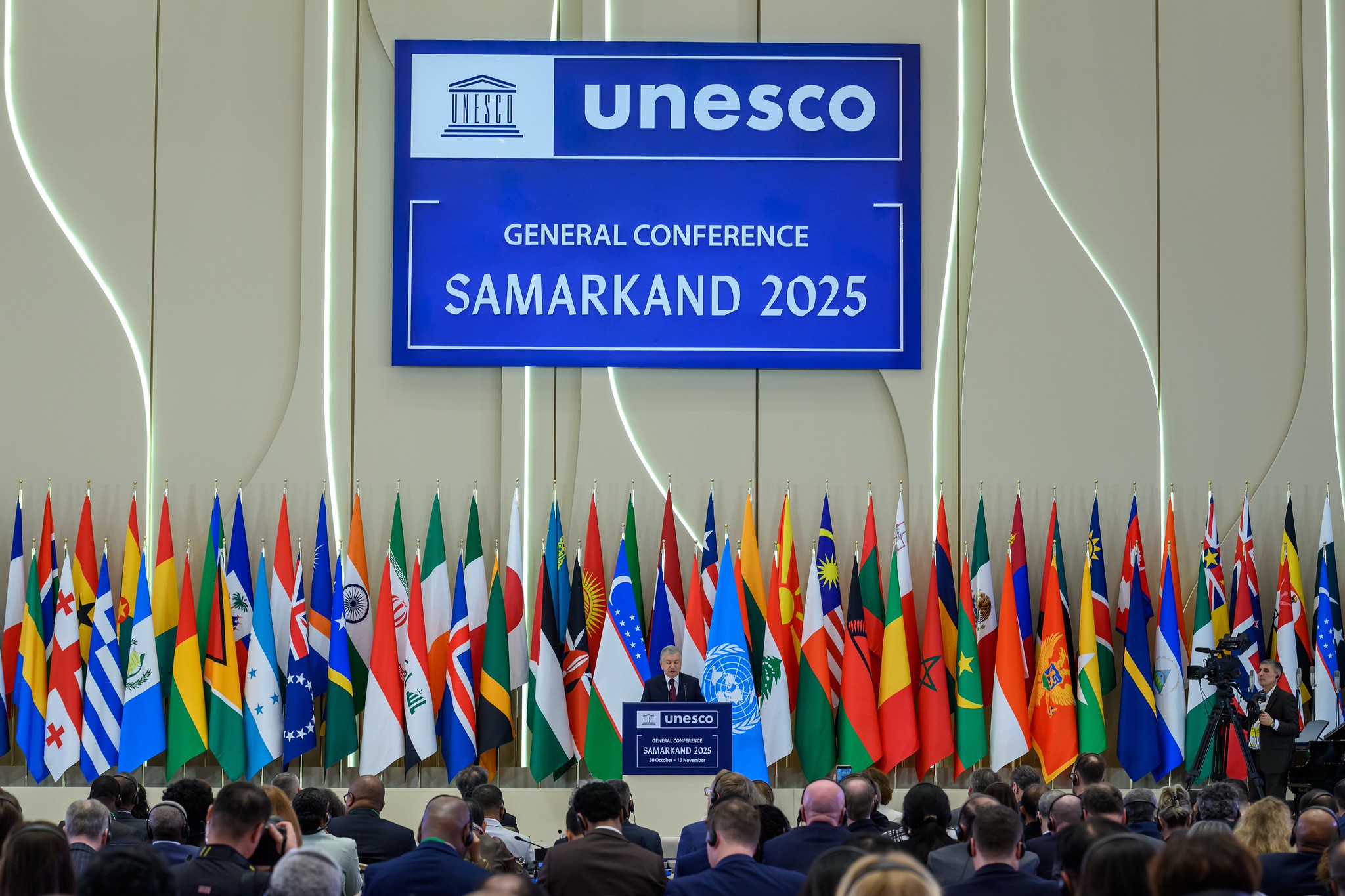
This vision is fully aligned with the objectives of MONDIACULT 2025, which underscore the importance of systematically integrating and strengthening culture, heritage, and the arts in all forms of education: formal, non-formal, and non-traditional.
This vision emphasizes that learning should foster respect for human rights, recognition of traditional knowledge, and the promotion of cultural diversity, while also strengthening critical and creative thinking, intercultural understanding, and the protection of cultural and natural heritage for present and future generations.
By supporting this initiative, we reaffirm our collective commitment to a future in which education not only nurtures creativity but also safeguards the cultural depth and diversity that define humanity.
Zahra Pourhadi also attended the meeting as Iran’s representative and Head of the Education Department at the Iranian National Commission for UNESCO.