Inscription of Bayazid Bastami and Allameh Tabataba’i on UNESCO’s List of Anniversaries for 2026–2027
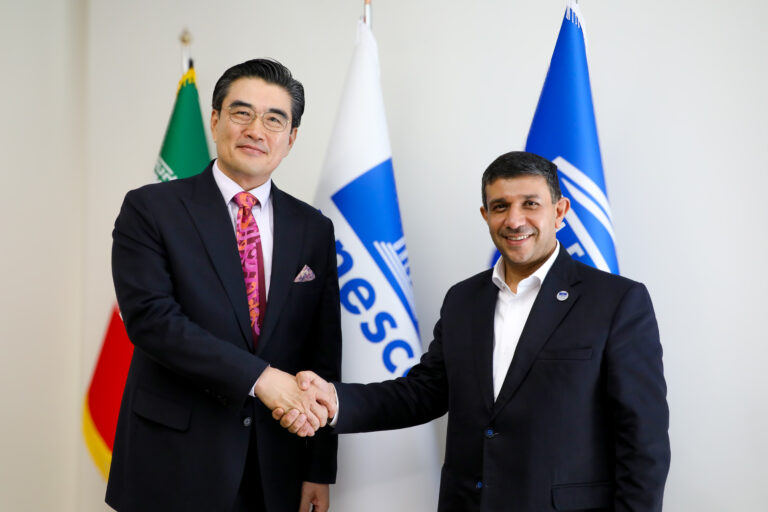
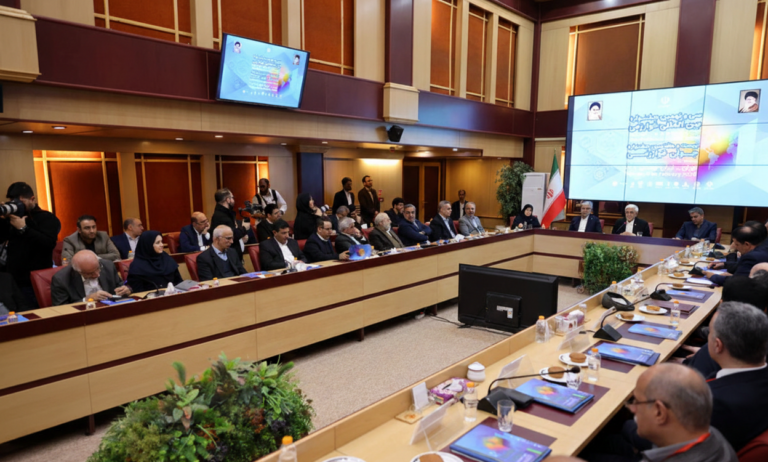
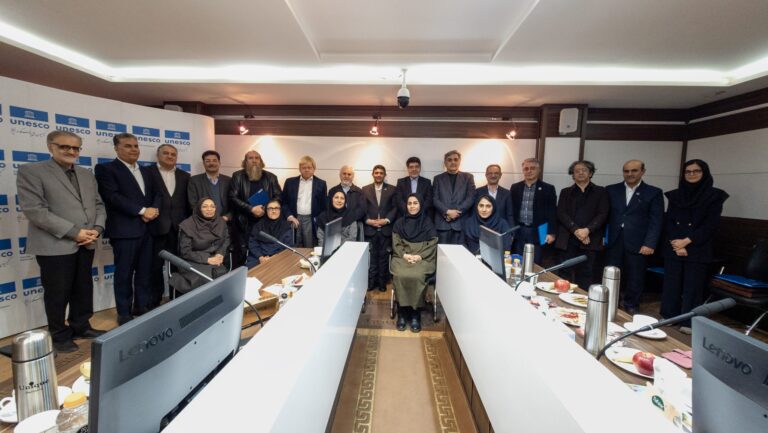
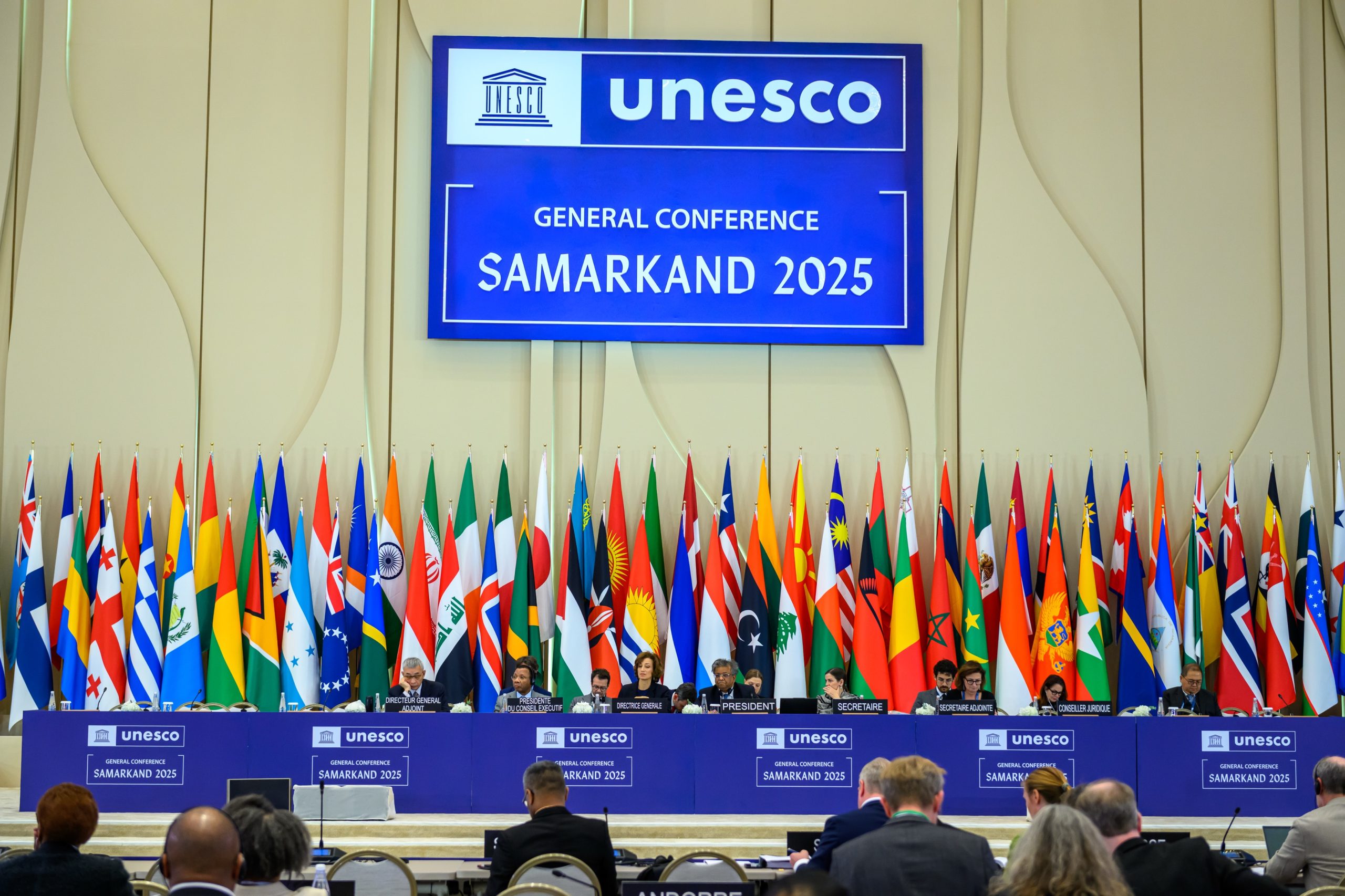
A Prominent Figure in Iranian Mysticism and a Leading Iranian Philosopher Inscribed on UNESCO’s Global List During the participation of Dr. Hossein Simaei-Sarraf, Minister of Science, Research and Technology and President of the Iranian National Commission for UNESCO, and Dr. Hassan Fartousi, Secretary-General of the Commission, in the programs of UNESCO’s General Conference in Samarkand, two prominent Iranian figures, Bayazid Bastami and Allameh Tabataba’i, were inscribed on UNESCO’s List of Anniversaries for 2026–2027, following a proposal by the Iranian National Commission for UNESCO and its approval by the General Conference. The decision was adopted on Saturday, 1 November, during the second meeting of UNESCO’s Commission on External Relations (PAX) at the 43rd Session of the UNESCO General Conference. |
It is expected that cultural and scientific events will be held at the national and international levels to introduce and honour these two enduring figures.
According to UNESCO’s resolution, the 1,150th anniversary of the death of Bayazid Bastami, a teacher of Islamic mysticism, was approved with the support of Armenia, Tajikistan, and Turkey. The centenary of the active life of Allameh Tabataba’i, with an emphasis on his enduring work The Principles of Philosophy and the Method of Realism, was also approved with the support of Azerbaijan, Iraq, and Pakistan.
The Islamic Republic of Iran also played an active and influential role in the inscription of commemorations honouring three other prominent figures from the Islamic world and the cultural sphere of Iran:
- Rabia Balkhi, following a joint proposal by Tajikistan, Iran, and Afghanistan;
- Ayatollah Mohammad Baqir al-Sadr of Iraq;
- Bâkî, the Turkish poet.
Under the resolution, the 1,050th anniversary of the birth of Rabia Balkhi (976 CE), proposed jointly by Tajikistan, Afghanistan, and Iran, with the support of Belarus and Kyrgyzstan; the 50th anniversary of the publication of The Logical Foundations of Induction by Grand Ayatollah Sayyid Muhammad Baqir al-Sadr (1976), proposed by Iraq with the support of several countries, including Iran, Japan, India, and Russia; and the 500th anniversary of the birth of Bâkî, the Turkish poet, with the support of North Macedonia and Iran, were included on UNESCO’s List of Anniversaries.
Allameh Tabataba’i: Bridging Rationality and Spirituality
Part of the proposal submitted by the Iranian National Commission for UNESCO states:
“Despite having been educated in a traditional environment, Allameh Tabataba’i emphasized reason and argumentation in philosophy and approached Islamic philosophy with a creative, transnational perspective. His landmark work, The Principles of Philosophy and the Method of Realism, comprises 14 philosophical essays that establish a connection between Islamic philosophy and modern Western philosophy. This work represents one of the most significant steps towards fostering dialogue between Eastern and Western thought.”
The proposal further emphasizes that Allameh Tabataba’i built a bridge between Islamic and Western philosophy and, through a comparative and dialogue-oriented approach, created opportunities for mutual understanding among cultures. His meetings and discussions with the French philosopher Henri Corbin played a decisive role in introducing Islamic thought to Western philosophical circles.
In short, Allameh Tabataba’i was not only one of the foremost interpreters of the Holy Quran, but also a global and intercultural figure in philosophy whose thought was grounded in dialogue, rationality, and connections between cultures; principles that remain particularly significant in contemporary philosophy and international cultural relations.
Bayazid Bastami: A Teacher of Coexistence, Tolerance, and Peace
The proposal submitted by the Iranian National Commission for UNESCO introduces Bayazid Bastami as follows:
“Bayazid Bastami (Abu Yazid Tayfur ibn Isa, born around 180 AH / 803 CE in Bastam, Semnan) was one of the greatest mystics and pioneers of Iranian Sufism. Owing to his eminent position in Islamic mysticism, he became known by the title Sultan al-Arifin (King of the Gnostics). He devoted his life to advancing knowledge, ethics, and spiritual practice, training numerous disciples from various lands, including Iran, Iraq, India, Türkiye, and Central Asia.
“In his teachings, Bayazid emphasized love for humanity, respect for nature, and the value of science and knowledge. He regarded knowledge as the most beautiful divine gift and believed that people should spend their lives either learning or teaching. This perspective aligns with the concept of lifelong learning promoted by UNESCO today.
“Bayazid’s ideas inspired such eminent figures as Khwaja Abdullah Ansari, Sheikh Abu al-Hasan Kharaqani, Attar of Nishapur, Rumi, Saadi, and Hafez, and played a fundamental role in the development of Iranian mystical poetry centred on divine love.
“The significance of Bayazid Bastami lies not only in his role in establishing the Iranian school of mysticism, but also in his humane and universal outlook on knowledge, peace, and coexistence. He viewed science and knowledge as pathways to inner growth, human development, and the creation of a just and peaceful society. His perspective on harmony between humanity and nature is also aligned with the principles of sustainable development in the contemporary world.
“In brief, Bayazid Bastami can be regarded as a universal and pioneering mystic whose ideas on love, knowledge, and coexistence continue to inspire the world today, more than a thousand years later.”