Secretary-General of the Iranian National Commission for UNESCO Emphasizes the Link between Rangeland Conservation and Sustainable Livelihoods for Local Communities
| In a message from the Secretary-General of the Iranian National Commission for UNESCO to the 9th National Conference on Rangeland Management in Iran, emphasis was placed on the importance of rangelands as a key UNESCO priority and their role in preserving biodiversity, addressing climate change, and sustaining the livelihoods of local communities. Referring to UNESCO’s international programs, including the Man and the Biosphere (MAB) Program and the Intergovernmental Hydrological Program (IHP), the message presented informed rangeland conservation as a model for sustainable development and identified education, technology, and the participation of Indigenous communities as key to the responsible use of these vital resources. |
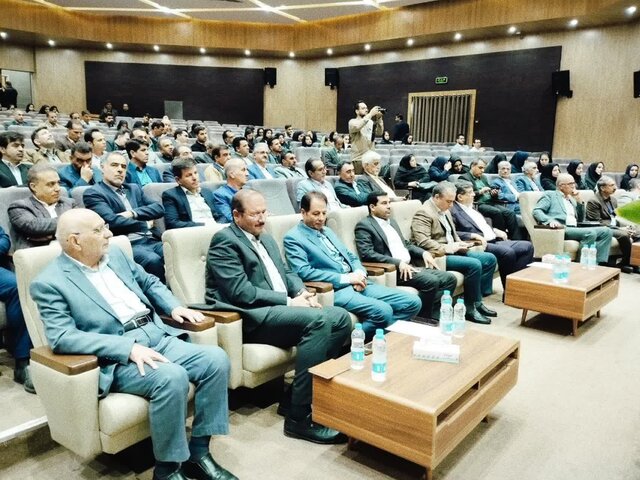
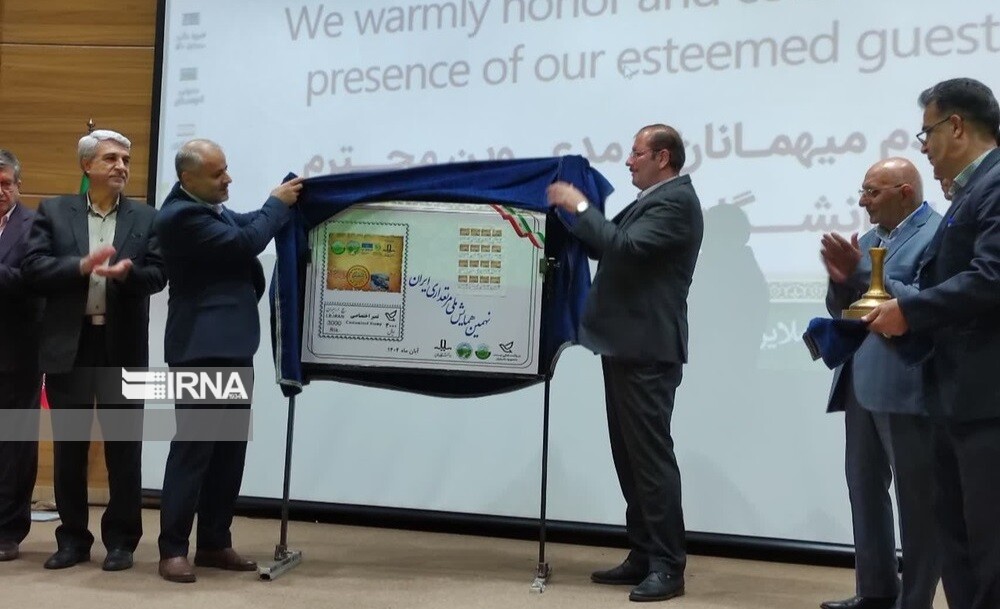
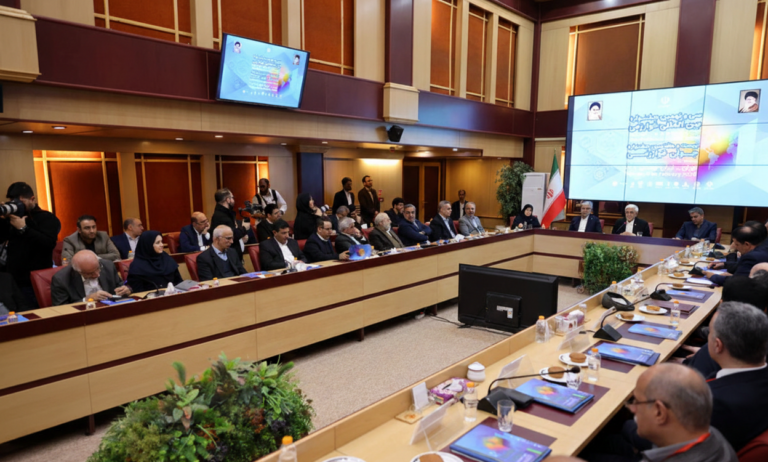
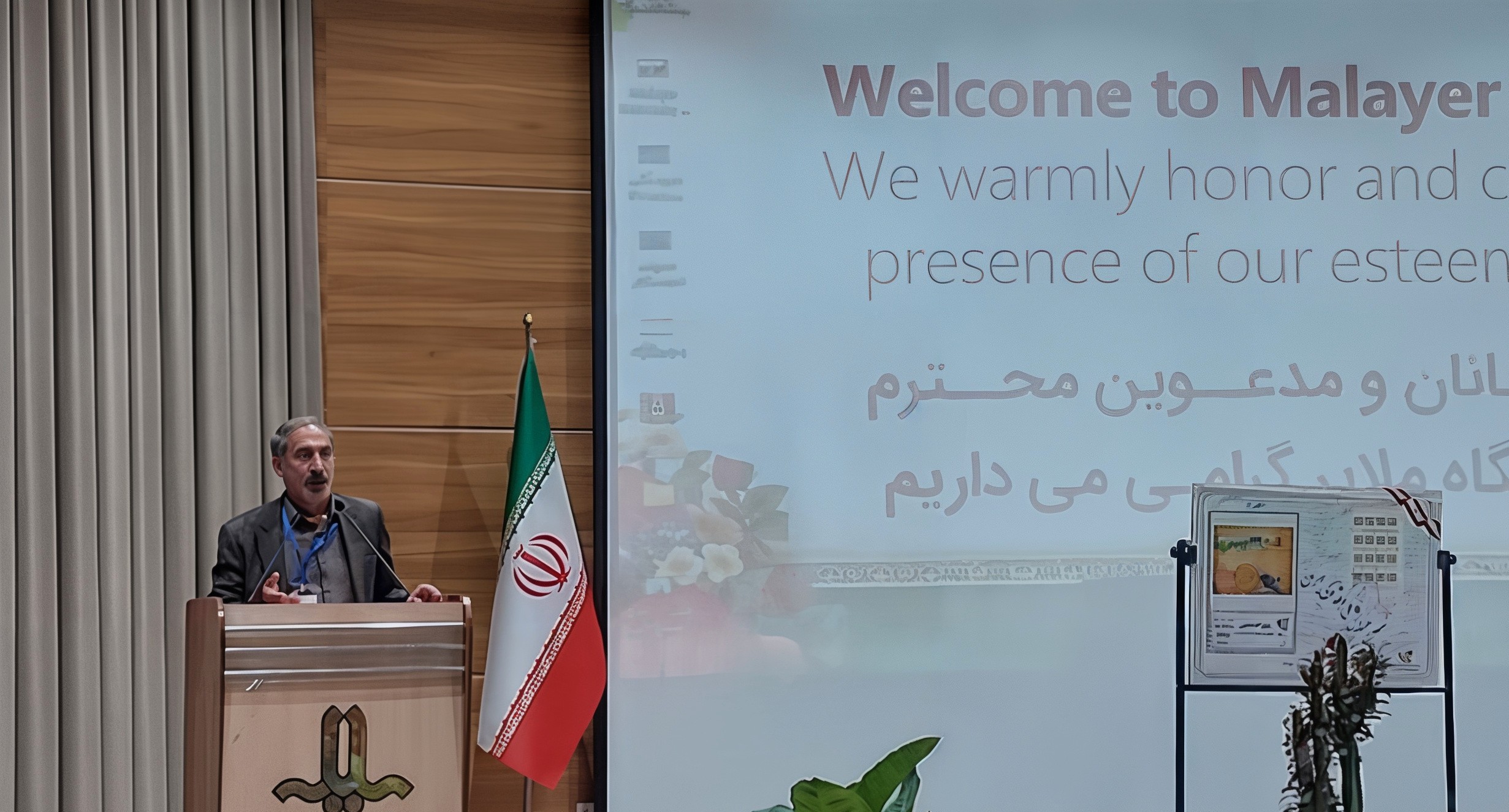
The 9th National Conference on Rangeland Management in Iran, themed “Sustainable Governance and Emerging Technologies in Rangeland Management,” was held on 28 October 2025, hosted by Malayer University in cooperation with the Iranian Scientific Association of Rangeland Management. The conference brought together national and provincial officials, including the Deputy Head of the Forests, Rangelands and Watershed Management Organization and the Governor of Hamadan Province, to discuss the latest approaches to sustainable rangeland management.
Representatives of the Iranian National Commission for UNESCO attended the conference, where the message of Dr. Hassan Fartousi, Secretary-General of the Commission, was read aloud. In part of his message, he highlighted two key UNESCO programs in the field of natural sciences that are closely related to rangelands: the Intergovernmental Hydrological Program (IHP) and the Man and the Biosphere (MAB) Program. Both are designed to promote the sustainable use of natural resources and strengthen the capacity of local communities to manage natural ecosystems.
The full text of the message is as follows:
“Dr. Reza Aflahtoli, Honorable Deputy Minister and Head of the Forests, Rangelands and Watershed Management Organization,
Distinguished professors, esteemed researchers, and honored guests,
Greetings,
First, I regret that, due to the overlap between the 9th National Conference on Rangelands and UNESCO’s 43rd General Conference, being held in the historic and cultural city of Samarkand, I am unable to attend this important scientific and specialized gathering in person in this city of flourishing arts. Nevertheless, through this message, I would like to express the respect, appreciation, and full support of the Iranian National Commission for UNESCO for this important conference.
Rangelands have consistently been among UNESCO’s key priorities, as they play a central role in preserving biodiversity, protecting natural resources, combating desertification, and addressing climate change. From UNESCO’s perspective, these ecosystems are not only habitats for diverse plant and animal species, but also a primary source of livelihoods for millions of people in local and nomadic communities.
Two key UNESCO programs in the field of natural sciences are closely related to rangelands: the Intergovernmental Hydrological Program and the Man and the Biosphere Program. Both are designed to promote the sustainable use of natural resources and strengthen the capacity of local communities to manage natural ecosystems. Through these programs, biosphere reserves are supported as living laboratories that demonstrate how environmental conservation can be integrated with socioeconomic development. Rangelands, particularly in countries such as Iran, are among these important areas, where conservation and informed, sustainable use can provide a successful model for sustainable development.
UNESCO’s Man and the Biosphere Programme seeks to support the effective management of natural resources and reduce habitat degradation through scientific knowledge and modern technologies, including satellite monitoring and remote sensing.
Another issue of great importance alongside natural resource conservation is the sustainable livelihoods of local communities. UNESCO believes that rangeland conservation must go hand in hand with improving the living standards and ensuring the economic and cultural sustainability of local communities. In fact, conserving resources without taking human needs into account cannot be sustainable. Active participation by Indigenous and local communities, the transfer of Indigenous and scientific knowledge, and support for sustainable livelihoods in rangeland management are therefore among the key pillars of UNESCO’s programs.
Through specialized training, capacity-building, and the development of appropriate technologies, UNESCO seeks to create the conditions necessary for the responsible and balanced use of rangelands, ensuring that these vital resources remain available to future generations. In this regard, close cooperation with national and international organizations, universities, and research centers to exchange experiences and strengthen scientific and practical capacities remains a priority for UNESCO.
The 9th National Conference on Rangelands, organized by the Forests, Rangelands and Watershed Management Organization in cooperation with and with the support of Malayer University, provides a valuable opportunity to examine the challenges and opportunities of sustainable rangeland management in Iran in greater depth. The outcomes of this conference can undoubtedly help guide more effective scientific and practical policymaking and improve the condition of the country’s rangelands, which play an irreplaceable role in environmental protection, food security, and sustainable development.
I hope this valuable conference, with the participation of researchers and professionals working in the field of natural resources, will pave the way for broader national and international cooperation and that its scientific and practical outcomes will be put to use in conserving and sustainably managing rangelands.
The Iranian National Commission for UNESCO declares its readiness to cooperate in scientific and educational initiatives related to the management and sustainable development of rangelands.
Finally, I would like to thank everyone involved in organizing this scientific event and wish all participants success, good health, and continued progress.”
It is also worth noting that, during the two-day conference, a commemorative stamp marking the 9th National Conference on Rangeland Management in Iran was unveiled.