Dr. Hassan Fartousi Emphasizes the Need for Transformative Change in Safeguarding Iran’s Documentary Heritage / First Meeting of the New Term of the National Memory of the World Committee Held
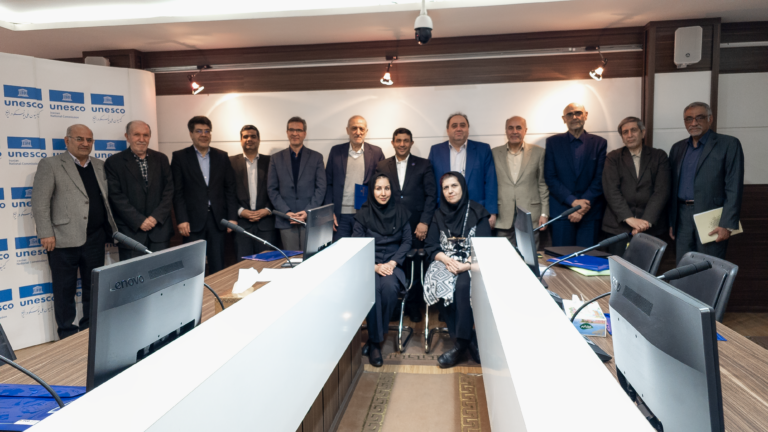
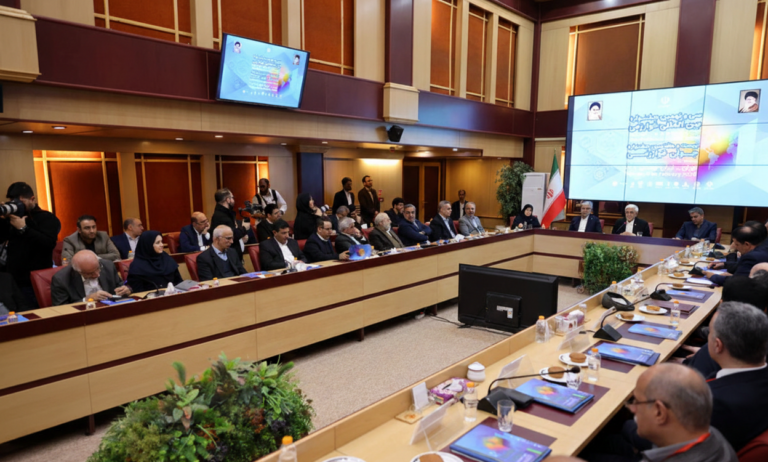
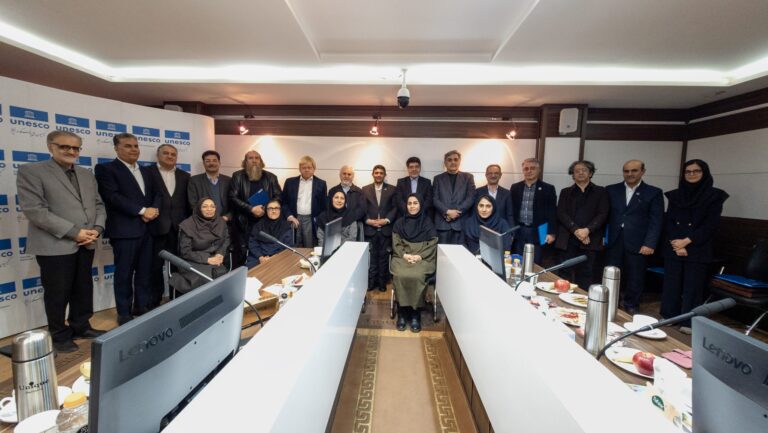
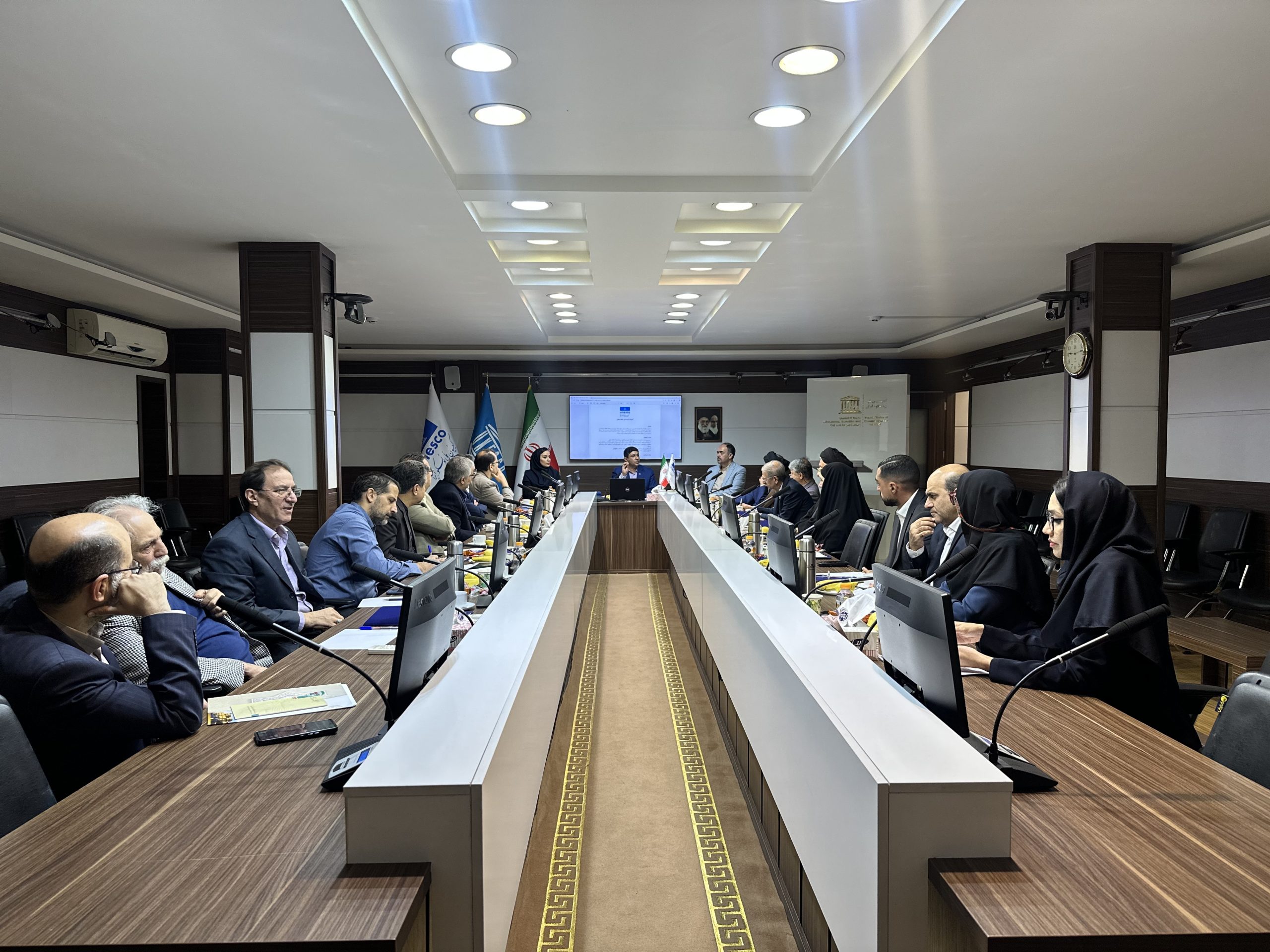
The first meeting of the new term of the National Memory of the World Committee, chaired by Dr. Hassan Fartousi, Secretary-General of the Iranian National Commission for UNESCO, was held on 25 October 2025, with the participation of 16 individual and institutional members representing the country’s cultural institutions. The meeting emphasized the need to digitize documentary heritage, review the Committee’s structure, and secure the inscription of Iran’s documentary heritage on UNESCO’s international registers. |
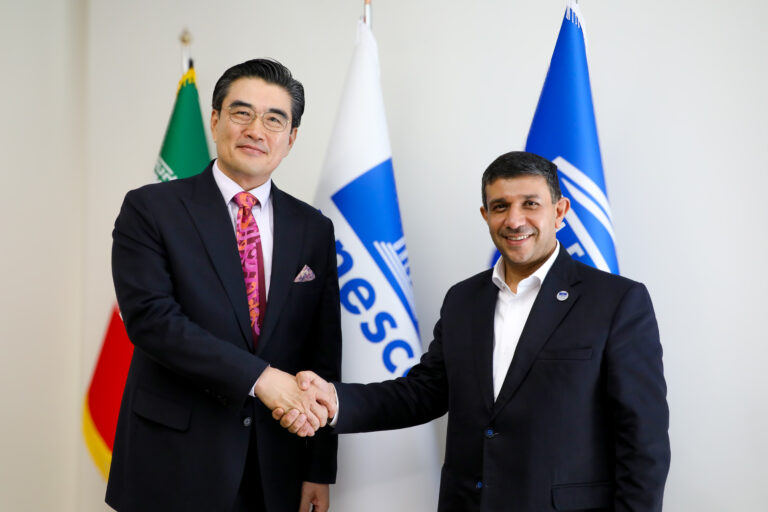
According to the Public Relations Office of the Iranian National Commission for UNESCO, the first meeting of the National Memory of the World Committee was held with the participation of prominent national figures from the scientific and cultural fields, chaired by Dr. Hassan Fartousi, Secretary-General of the Iranian National Commission for UNESCO.
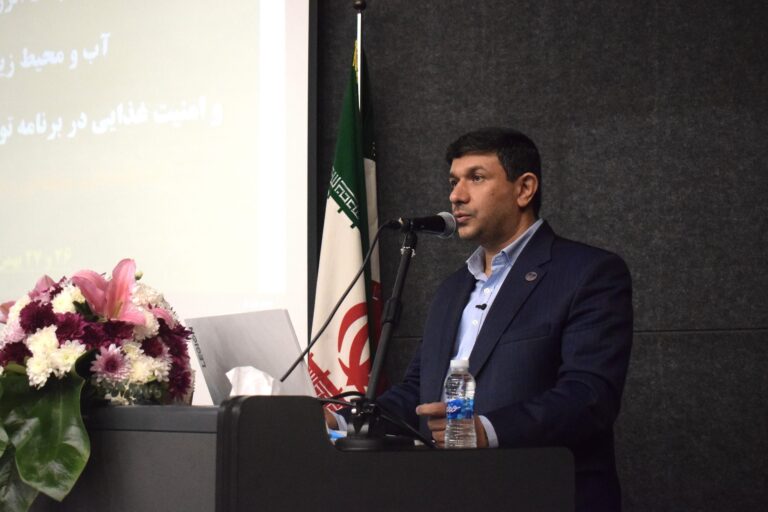
In his opening remarks, Dr. Fartousi highlighted the importance of UNESCO’s Memory of the World Program and emphasized the need for “structural transformation,” “updating statutes,” and “reviewing the membership procedures for individual and institutional members.” He identified the safeguarding of the country’s audiovisual heritage and the implementation of national programs for the digitization of resources, alongside written documentary heritage, as among the Committee’s top priorities. He stressed: “Iran’s documentary memory is part of our global identity. Safeguarding it is not merely a cultural responsibility, but an international commitment to human history.”
Dr. Ahmad Shekarchi, Secretary of the National Memory of the World Committee and Head of the Communications and Information Department at the Iranian National Commission for UNESCO, subsequently outlined the Committee’s agenda under two main priorities: “the international registration of national works and manuscripts” and “the digitization and public dissemination of previously registered works.”
The participating members introduced their respective institutional capacities and emphasized the use of emerging technologies, including artificial intelligence, to safeguard the country’s documentary heritage. Hojatoleslam Seyed Jalal Hosseini, Head of the Astan Quds Razavi Organization of Libraries and Museums, expressed the organization’s readiness to cooperate with the Committee and presented Astan Quds Razavi’s digital infrastructure and technical experience in documentation.
At the conclusion of the meeting, the members unanimously elected Dr. Gholamreza Amirkhani, Head of the National Library and Archives of Iran, as Chair, and Dr. Masoud Qayyumi, a faculty member of the Institute for Humanities and Cultural Studies, as Vice-Chair of the National Memory of the World Committee.
It was also agreed that the Safineh-ye Tabriz would be submitted for inscription on UNESCO’s Memory of the World Register, while preparations for two other works, Nozhat al-Qolub and One Thousand and One Nights, would continue in coordination with the National Committee.
The manuscript of Al-Murshid fi al-Hisab will also be nominated for international registration as a joint heritage item of Iran and the Republic of Tatarstan.
The meeting marked the beginning of a new chapter in coordination among the country’s institutions dedicated to memory, science, and culture within the framework of UNESCO’s Memory of the World Programme. This renewed approach aims to safeguard documentary heritage and transmit national knowledge to future generations.