Secretary-General of the Iranian National Commission for UNESCO: Sustainable Urban Water Management Is Possible Through Regional Cooperation
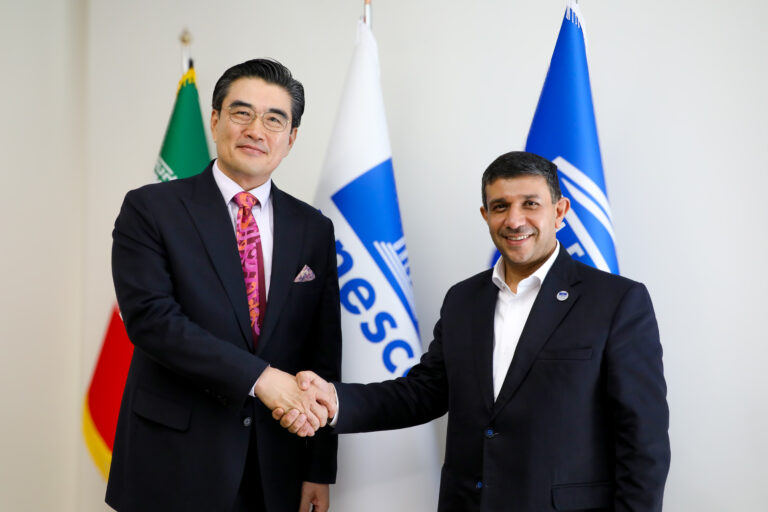
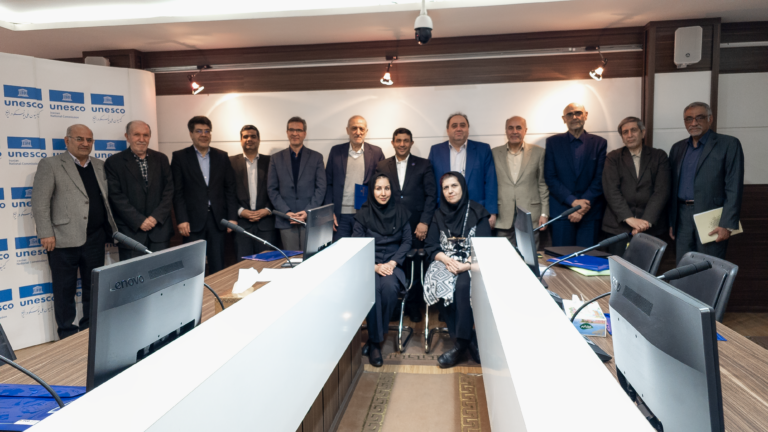
The 18th Session of the Governing Council of the Regional Centre on Urban Water Management (RCUWM), under the auspices of UNESCO, was held on Thursday, December 4, 2025, at the Isfahan Hall of the Tehran International Exhibition Center. Dr. Hassan Fartousi, Secretary-General of the Iranian National Commission for UNESCO, emphasized the need to adopt integrated, science-based, and forward-looking approaches to urban water management policymaking and called on the members present to strengthen regional cooperation and knowledge exchange to address urban water challenges. |
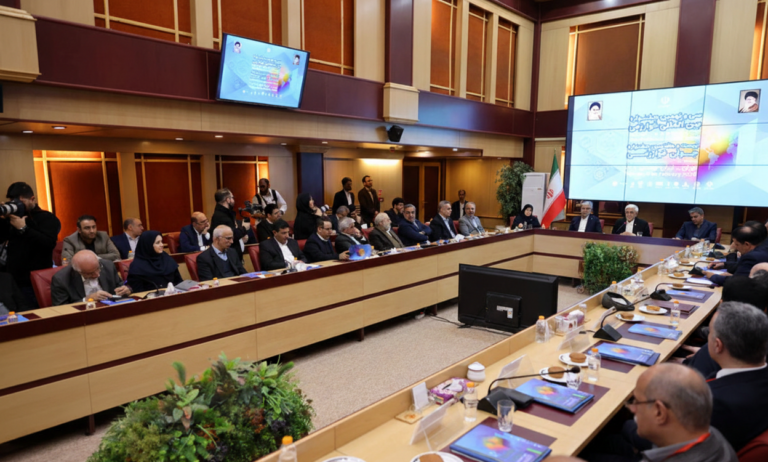
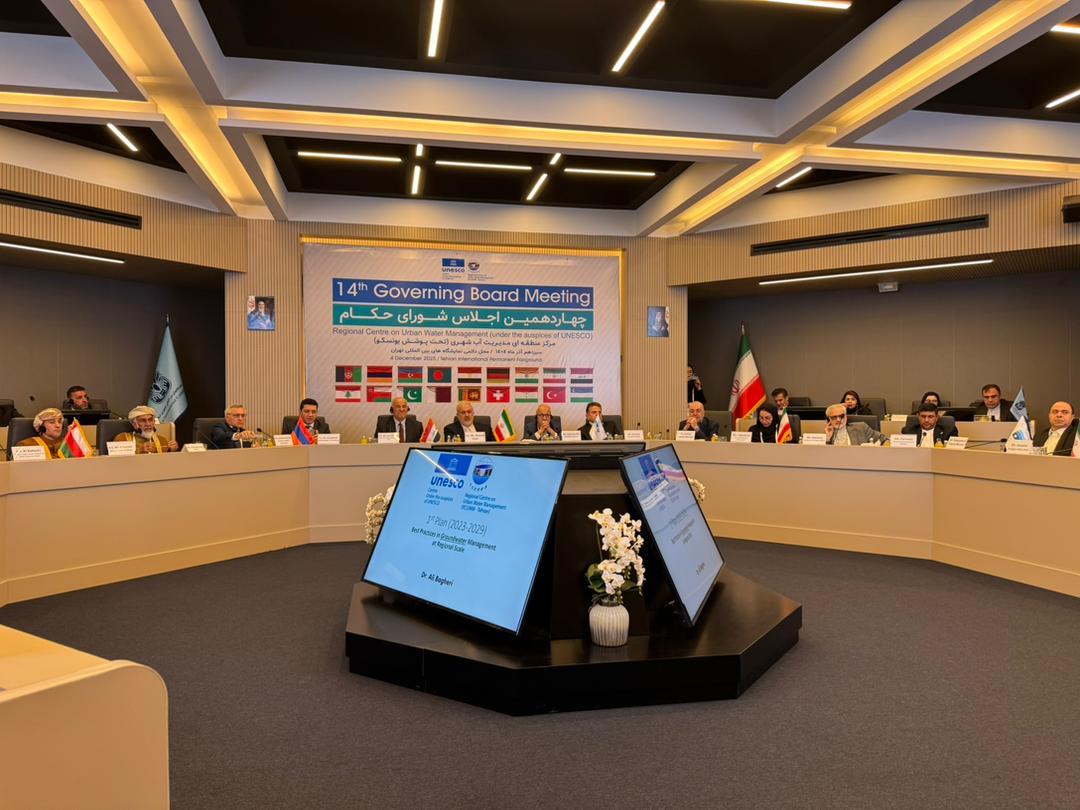
The 14th Session of the Governing Council of the Regional Centre on Urban Water Management (RCUWM), under the auspices of UNESCO, was attended by ministers responsible for energy and water, as well as senior representatives of member countries and international organizations. Participants included Dr. Abbas Aliabadi, Minister of Energy of Iran; Awn Dhiyab Abdullah, Minister of Water Resources of Iraq; and Dr. Sahar Tajbakhsh Mosalman, Head of the Islamic Republic of Iran Meteorological Organization and Deputy Minister. Discussions focused on strengthening scientific and regional cooperation in urban water management.
Dr. Hassan Fartousi, Secretary-General of the Iranian National Commission for UNESCO, highlighted the consequences of climate change, growing urban populations, and mounting pressure on limited water resources. He emphasized that cooperation among national and regional stakeholders is essential to addressing these challenges sustainably. Describing the role of the Regional Centre on Urban Water Management as pivotal, he noted that the Centre should serve as a regional hub for knowledge exchange, training, and technology transfer. Referring to UNESCO’s international programs, the priorities of UNESCO’s Intergovernmental Hydrological Program (IHP), and the Sustainable Development Goals, he reaffirmed the Iranian National Commission for UNESCO’s readiness to continue and expand joint cooperation.
Dr. Abbas Aliabadi, Minister of Energy of Iran and Chair of the Centre’s Governing Council, also emphasized the need for regional cooperation to address transboundary water challenges, including drought, declining precipitation, land subsidence, and pressure on water infrastructure. He presented Iran’s “Seven-Point Plan for the Future of Water in the Region,” which emphasizes water diplomacy, the use of digital technologies, and water recycling.
The UNESCO Regional Centre on Urban Water Management (RCUWM) was established in 2002 under an agreement between Iran’s Ministry of Energy and the United Nations Educational, Scientific and Cultural Organization (UNESCO). Its mandate encompasses scientific research, training, technology transfer, and regional policymaking for the sustainable management of urban water resources. The Centre has 18 member countries and 10 international organizations. Its highest decision-making body is the Governing Council, which is responsible for approving the Centre’s annual, medium-term, and long-term work programs and convenes every two years.
At the Council’s 13th Session, held in February–March 2023, the Centre’s six-year program for 2023–2029 was approved. At the 14th Session, a progress report on the implementation of these programs was presented, along with proposals to expand the Centre’s activities in areas including flood management, drought management, climate change, and water and wastewater recycling. The two preceding sessions had been held virtually due to the COVID-19 pandemic, while the last in-person session had taken place in Tehran, attended by ministers and senior water officials from member countries.
On the sidelines of the session, member countries shared their experiences in crisis management, water resource and consumption monitoring, and regional projects, providing an opportunity for technical and managerial knowledge exchange and stronger regional cooperation.
The 14th Session was held alongside the Iran International Water Industry and Water and Wastewater Facilities Exhibition, providing an opportunity to showcase the country’s technical and engineering capabilities.