

Emphasis on Scientific Solidarity and Cross-Border Cooperation to Advance Science and Health
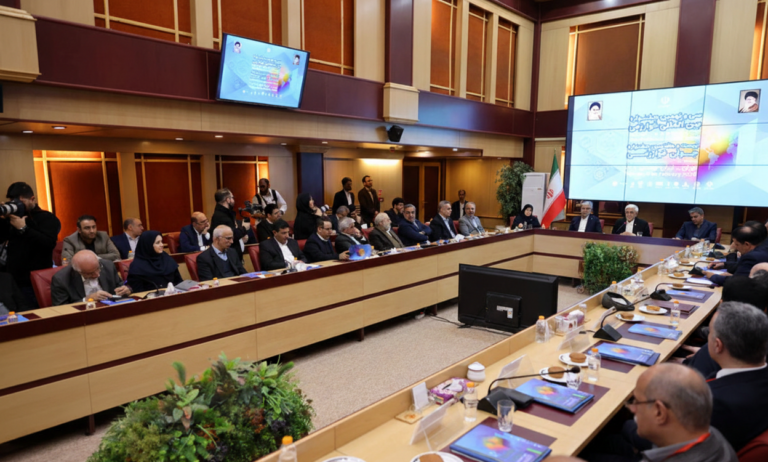
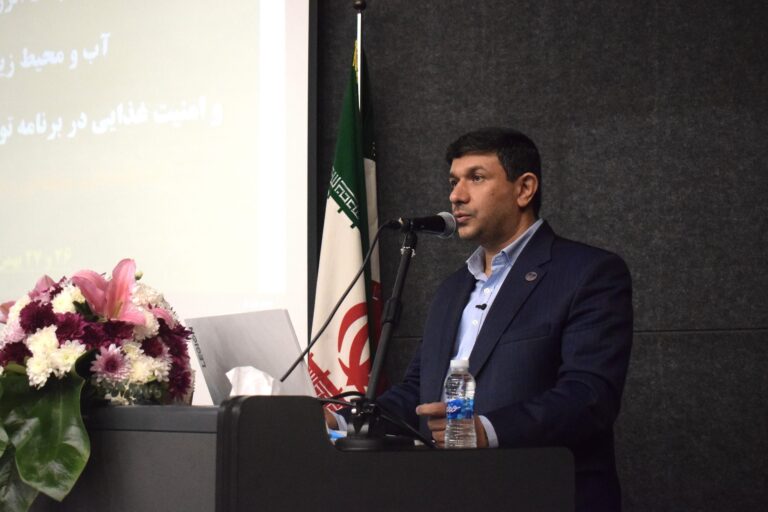
At the international event “UNESCO Chairs Summit for Scientific Solidarity – Building Bridges for Cross-Border Cooperation,” Dr. Ali-Akbar Mousavi-Movahedi, Head of the Institute of Biochemistry and Biophysics (IBB) and holder of the UNESCO Chair on Interdisciplinary Research in Diabetes at the University of Tehran, participated virtually and delivered his scientific presentation entitled “Oxidative Stress: A Molecular Driver of Diabetes Complications.” The event was held on November 25, 2025, hosted by the International Center for Chemical and Biological Sciences (ICCBS) at the University of Karachi, Pakistan, with representatives of UNESCO Chairs from various countries presenting their reports. |
At the meeting, Dr. Mousavi-Movahedi emphasized the need to strengthen cooperation among UNESCO Chairs, universities, and academies of sciences at the national, regional, and international levels. He described the establishment of a cohesive, synergistic network as a key step toward advancing science, wisdom, innovation, and technology through collective efforts and a shared vision.
Speech Summary: Oxidative Stress as the Molecular Basis of Diabetes Complications
Oxidative stress lies at the heart of the mechanisms underlying diabetes complications, acting as a major driver of cellular damage and a link between metabolic imbalance, inflammation, and long-term organ dysfunction. As explained in the presentation, the excessive production of free radicals, particularly reactive oxygen species, leads to the degradation of biomacromolecules, compromises cellular integrity, and accelerates the progression of type 2 diabetes and its associated diseases. However, this destructive cycle can be controlled or even reversed by restoring molecular balance through healthy lifestyle choices, education, and scientific approaches.
The Role of a Healthy Lifestyle and Public Education
A healthy lifestyle—including a balanced diet, regular physical activity, stress management, and, in particular, quality sleep—provides a strong foundation of antioxidants that enhances the body’s natural defenses. Dietary and non-dietary antioxidants, ranging from nutraceuticals to melatonin produced during restorative sleep, play a vital role in neutralizing oxidative stress. Public education, cultural promotion, and the integration of healthy lifestyle practices into everyday life are therefore essential.
The UNESCO Chair on Interdisciplinary Research in Diabetes emphasizes that scientific cooperation, public awareness, and evidence-based policymaking are three key elements in reducing the global burden of diabetes. Today, more than ever, scientific institutions and organizations must work synergistically, drawing on knowledge, wisdom, ethics, and innovation to safeguard human health and foster a resilient and thriving society.
In conclusion, emphasizing the role of science in improving quality of life, Dr. Mousavi-Movahedi stated: “Through knowledge, we build ourselves and cultivate the world.”