International Symposium on Healthy Soils and Integrated Management of Urban Watersheds Was Held
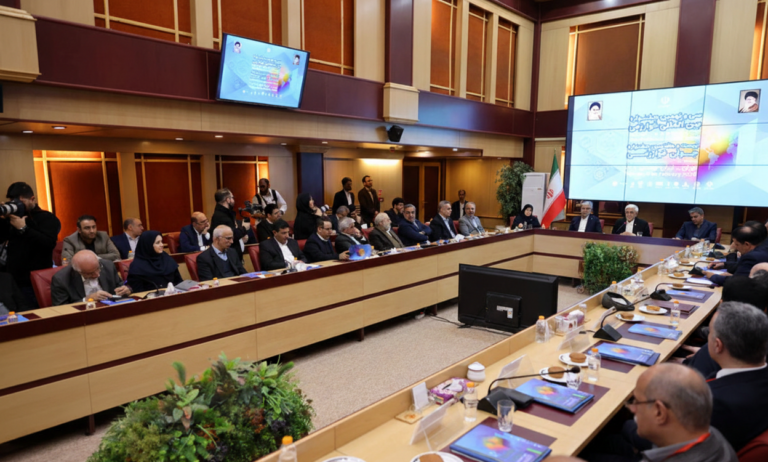
At the International Symposium on “Healthy Soils and Integrated Management of Urban Watersheds,” held on 1 December 2025 with the participation of Dr. Hassan Fartousi, Secretary-General of the Iranian National Commission for UNESCO, and a group of Iranian and international officials and experts, participants emphasized the vital importance of soil, its role in food security and urban resilience, and the need for multilateral cooperation to protect this fundamental resource. |
The International Symposium on “Healthy Soils and Integrated Management of Urban Watersheds” was held on Monday, 1 December 2025, to mark World Soil Day. The event was organized and hosted by the Forests, Rangelands and Watershed Management Organization of Iran.
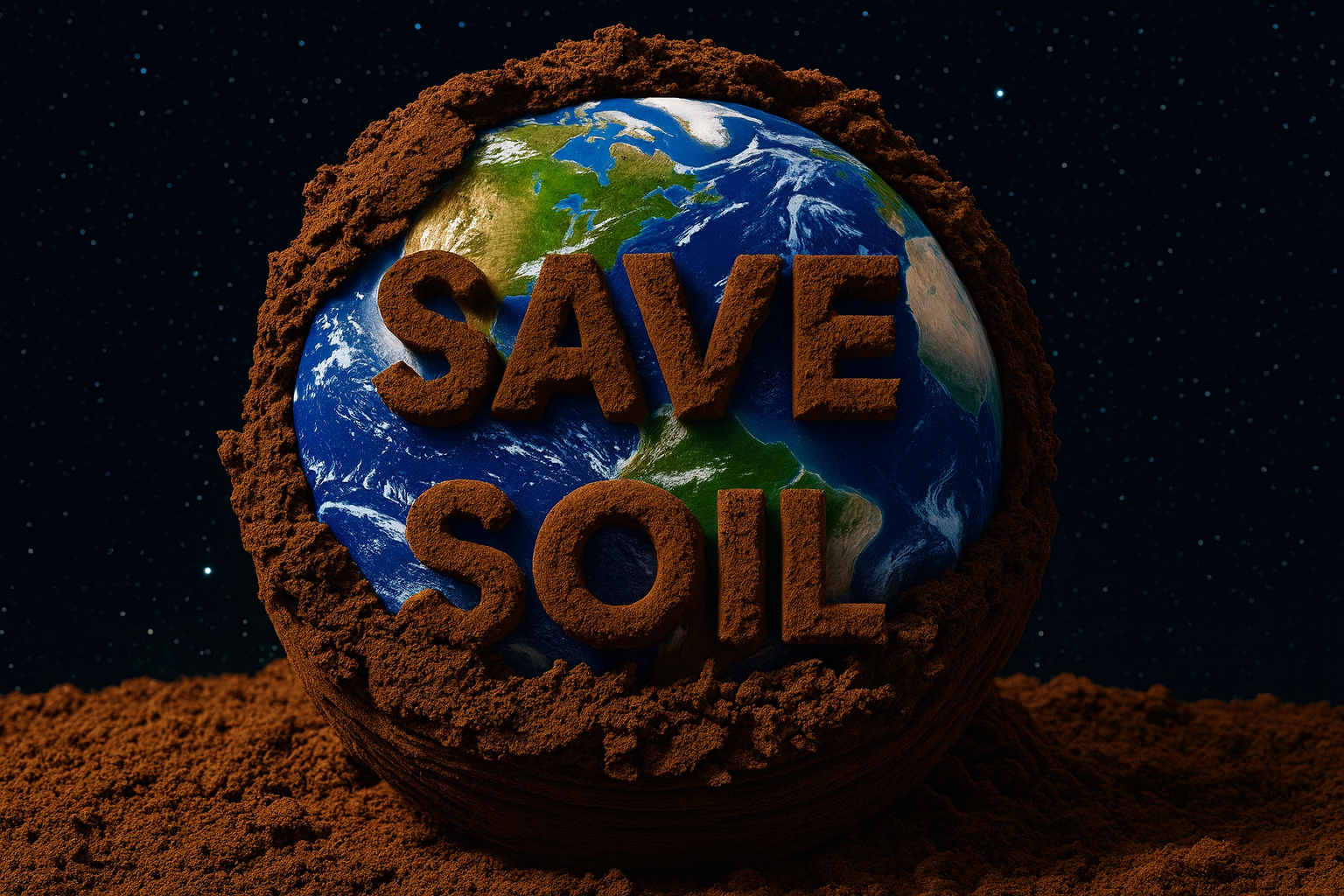
Recognized as one of the leading scientific events in the field of soil conservation, the international symposium was organized by the Forests, Rangelands and Watershed Management Organization to facilitate the exchange of experience, knowledge, and innovative solutions for the sustainable management and conservation of soil resources. It was also held in line with the 2025 theme, “Healthy Soils for Healthy Cities.”
The symposium’s main themes included innovative approaches to sustainable soil management in arid and semi-arid regions; the role of soil in food security and urban resilience; successful international experiences in soil restoration and the prevention of soil degradation; and multilateral cooperation in implementing joint soil conservation projects.
Speakers at the opening session included Dr. Reza Aflatouni, Head of the Forests, Rangelands and Watershed Management Organization and Deputy Minister of Agriculture Jihad; Dr. Safdar Niazi Shahreki, Deputy Minister for Water and Soil Affairs at the Ministry of Agriculture Jihad; Dr. Kiadeliri, Deputy for Education and Public Participation at the Department of Environment; Dr. Rossano, Director of the Asia-Pacific Centre for Development of Information Management; Yang Srang, Head of the UNESCO Tehran Office; Dr. Golshan, representative of the United Nations Development Program (UNDP) Office; and Dr. Hassan Fartousi, Secretary-General of the Iranian National Commission for UNESCO.
An exhibition showcasing research and practical achievements in soil and water management was also held on the sidelines of the symposium and visited by participants.
Secretary-General of the Iranian National Commission for UNESCO Highlights the Importance of Soil as a Living and Dynamic Entity
In his speech, Dr. Fartousi expressed his pleasure at attending the international symposium on the occasion of World Soil Day and emphasized the importance of soil as one of the most fundamental yet vulnerable elements of life. He stated: “Despite its seemingly silent nature, soil is a living and dynamic entity. It provides the foundation for food production, regulates the water cycle, serves as a reservoir of biodiversity, and is one of the most important natural shields against climate change.”
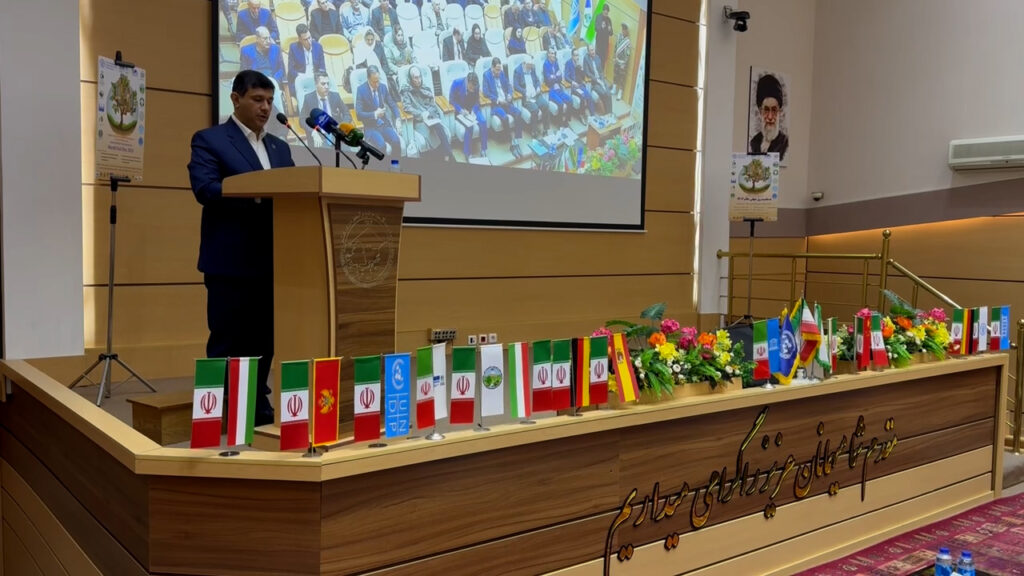
He went on to thank the symposium organizers and the collaborating scientific and executive institutions, emphasizing the role of such events in strengthening scientific and international cooperation to address environmental challenges. He added that holding these meetings reflects a shared understanding of the urgency of environmental issues and the need for transnational cooperation.
UNESCO’s Comprehensive Approach to Soil and the Concept of “Healthy Soil”
Referring to the growing pressures caused by unsustainable development, rapid urbanization, pollution, and erosion, the Secretary-General of the Iranian National Commission for UNESCO stressed that UNESCO takes a comprehensive, interdisciplinary approach to soil. Soil is not merely a physical resource; it is deeply connected to food security, environmental sustainability, sustainable development, cultural heritage, and even peace.
Dr. Fartousi also emphasized that the concept of “healthy soil” extends beyond its physical and chemical quality. He stated that, by performing its ecological, social, and economic functions, healthy soil can play an effective role in enhancing urban resilience to floods and droughts and improving citizens’ quality of life. Accordingly, the relationship between healthy soil and integrated urban watershed management is both strategic and indispensable.
UNESCO’s Programs and Iran’s Capacities in Watershed Management
Referring to UNESCO’s scientific programs, including the Intergovernmental Hydrological Program (IHP) and the Man and the Biosphere (MAB) Program, he underscored the Organization’s efforts to connect scientific knowledge, public policymaking, and local community participation in the sustainable management of natural resources.
In this regard, the Secretary-General highlighted the important role of the International Center for Integrated Watershed Management under the auspices of UNESCO in Iran, describing it as a strategic capacity for knowledge exchange, capacity-building, applied research, and the development of regional and international cooperation.
Concluding his remarks and recalling the message of World Soil Day, he expressed the full readiness of the Iranian National Commission for UNESCO to expand cooperation with all national, regional, and international institutions in the fields of soil conservation, sustainable land management, and urban watershed management.
The symposium’s specialized sessions covered “Integrated Watershed Management,” “Governance and Policymaking,” “Urban Resilience to Climate Change,” and “Advanced Technologies for Monitoring and Assessment.” The final statement was read at the conclusion of the event, followed by the symposium’s closing ceremony.