Minister of Science Emphasizes the Need to Advance Science Diplomacy through Scholarly Approaches in the Postwar Period / Secretary-General of the Iranian National Commission for UNESCO: Documenting Damage Is Essential to Conveying Iran’s Voice at UNESCO
| At a meeting of international affairs directors of the country’s universities, the Minister of Science emphasized the need for universities to take an active role in science diplomacy and called on them not to wait for central-level initiatives. Meanwhile, the Secretary-General of the Iranian National Commission for UNESCO stressed the importance of accurately documenting damage to scientific and cultural institutions to ensure that it is communicated internationally in accordance with international standards. |
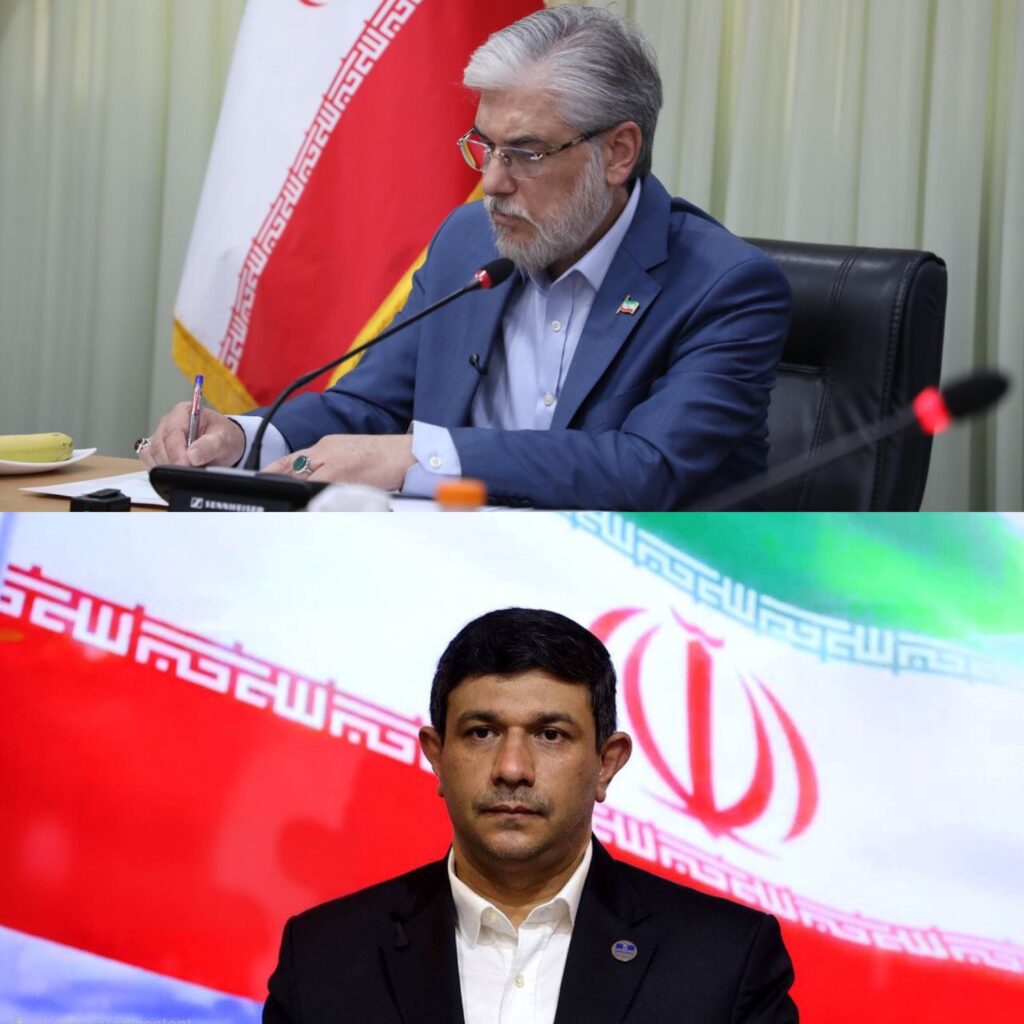
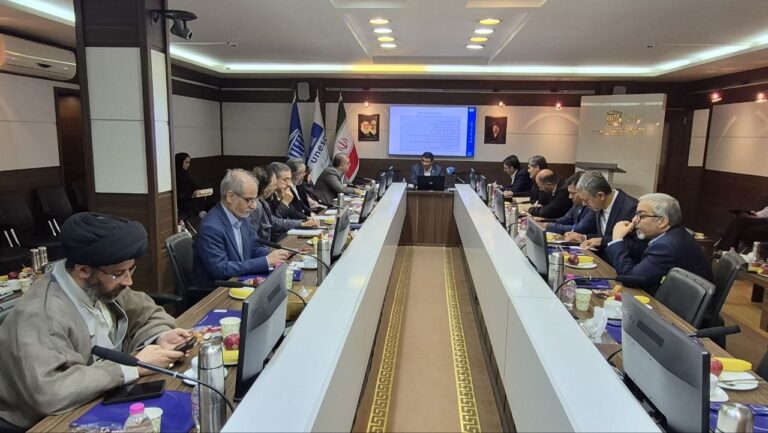
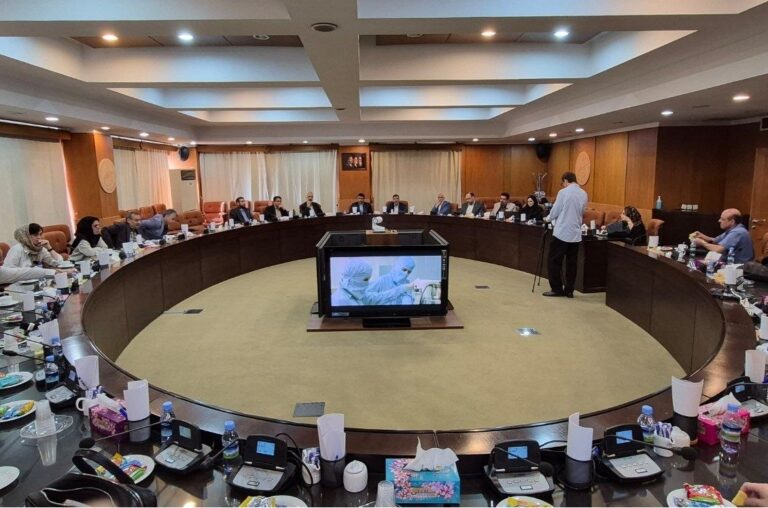
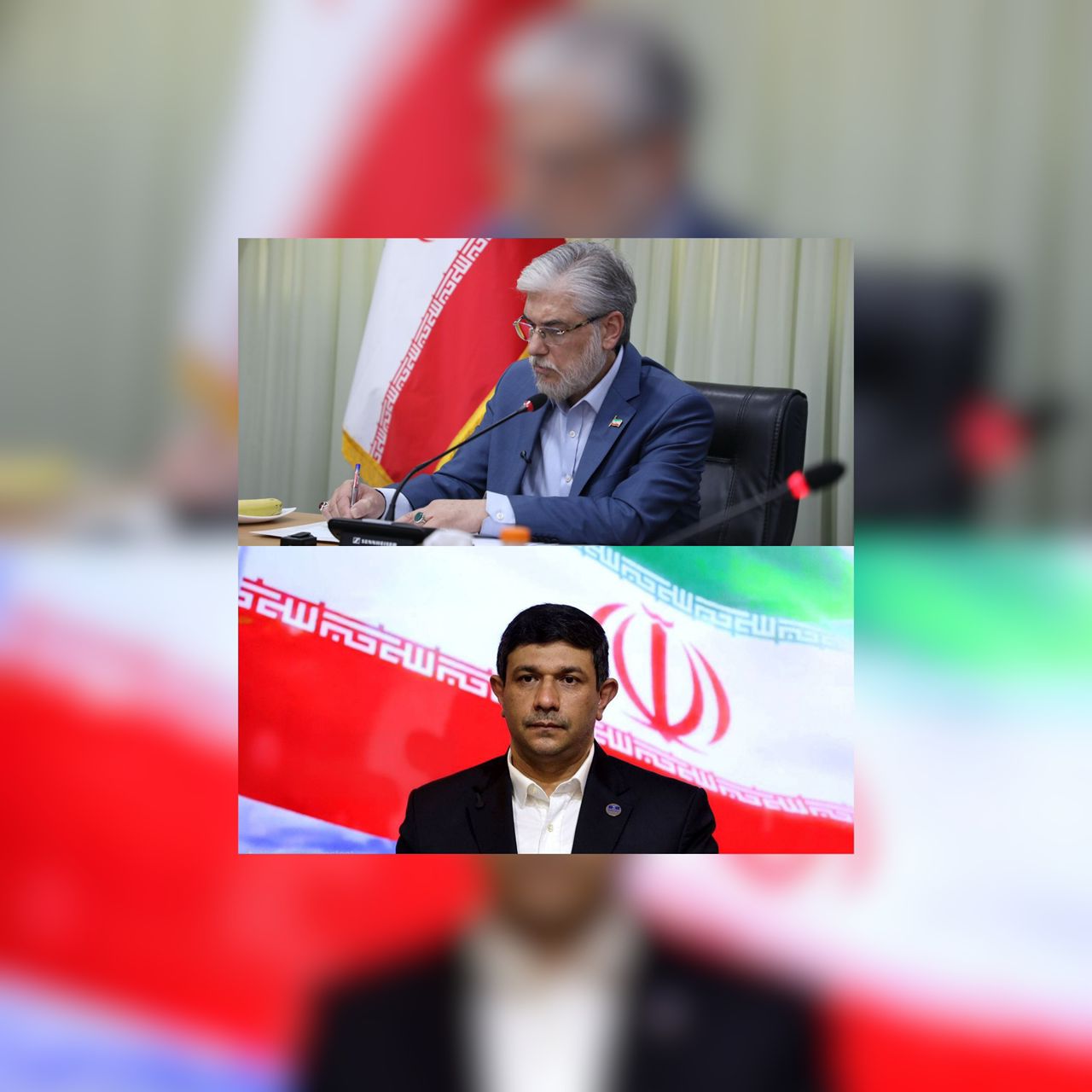
The 16th Meeting of Directors of International Affairs at the Country’s Universities and Centers of Higher Education, Research, and Technology was held virtually on 8 April 2026, with the participation of Dr. Hossein Simaei-Sarraf, Minister of Science, Research and Technology, and Dr. Hassan Fartousi, Secretary-General of the Iranian National Commission for UNESCO.
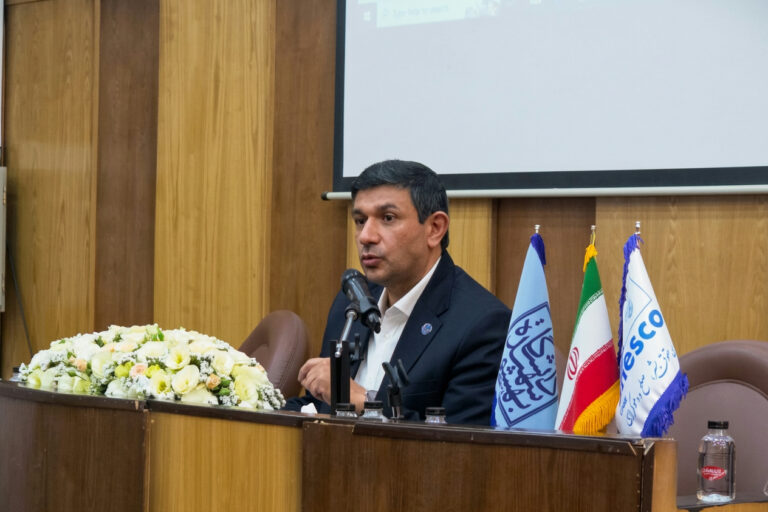
At the meeting, Dr. Hossein Simaei-Sarraf expressed his appreciation for the efforts of the academic community under the recent circumstances, describing science diplomacy as a strategic pathway for strengthening diplomatic relations. He stated that university directors of international affairs should not wait for initiatives from central authorities, but should instead pursue the country’s science diplomacy in the postwar period with determination, adopting a scholarly and proactive approach.
Referring to Iran’s potential to attract international students, particularly from Central Asia, the Indian subcontinent, Africa, and Southeast Asia, the Minister emphasized that interest in studying in Iran would grow once stable conditions were established. He stressed that universities must take the lead in fulfilling these objectives.
He also outlined the Ministry of Science’s international activities, including contacts with the science ministers of other countries, the dispatch of official letters to international organizations, and field visits to damaged universities in the presence of foreign media. He also spoke positively of the role played by Iran’s science counselors in advancing these efforts.
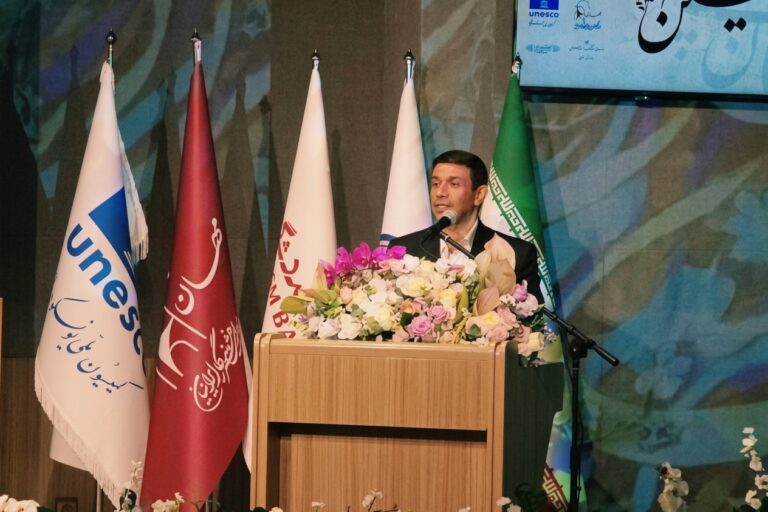
During the meeting, Dr. Hassan Fartousi, Secretary-General of the Iranian National Commission for UNESCO, outlined the Commission’s effective measures throughout the recent war, including its sustained correspondence and follow-up efforts in coordination with Iran’s Permanent Delegation to UNESCO and the Ministry of Cultural Heritage, Tourism and Handicrafts. He emphasized the strategic importance of documenting damage to historical sites and scientific and cultural institutions, as well as field visits by delegations of the Iranian National Commission for UNESCO to these sites in Tehran and other provinces, with a view to submitting the documentation to UNESCO.
Dr. Fartousi stressed the need to present this documentation to UNESCO, adding that effective engagement with domestic and international universities, professors, and leading figures in the global scientific community was essential to achieving these objectives. He expressed hope that international initiatives, grounded in global standards, would help ensure that the voice of the Iranian people is heard around the world.
At the conclusion of the meeting, the Minister of Science acknowledged the extensive and effective work of the Iranian National Commission for UNESCO during this period, describing its services as extending beyond its usual responsibilities and expressing his appreciation for the efforts undertaken.