Emphasizing Gender Equality and the Universal Right to Access Healthy Food
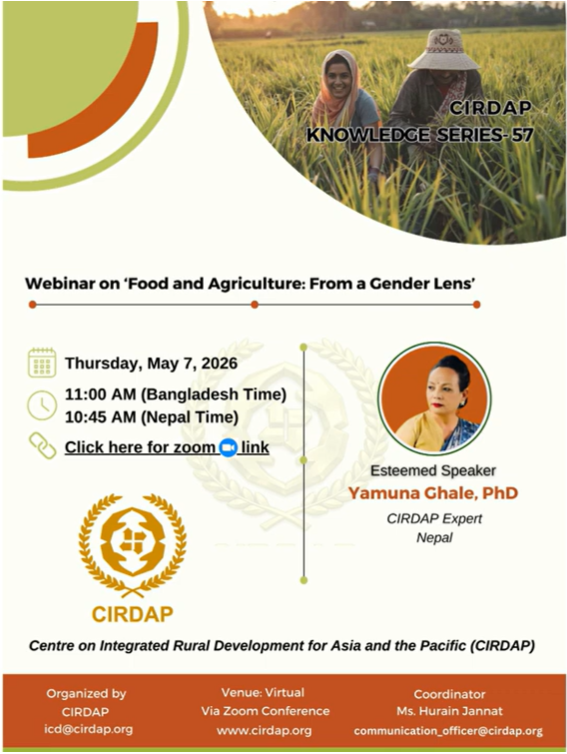
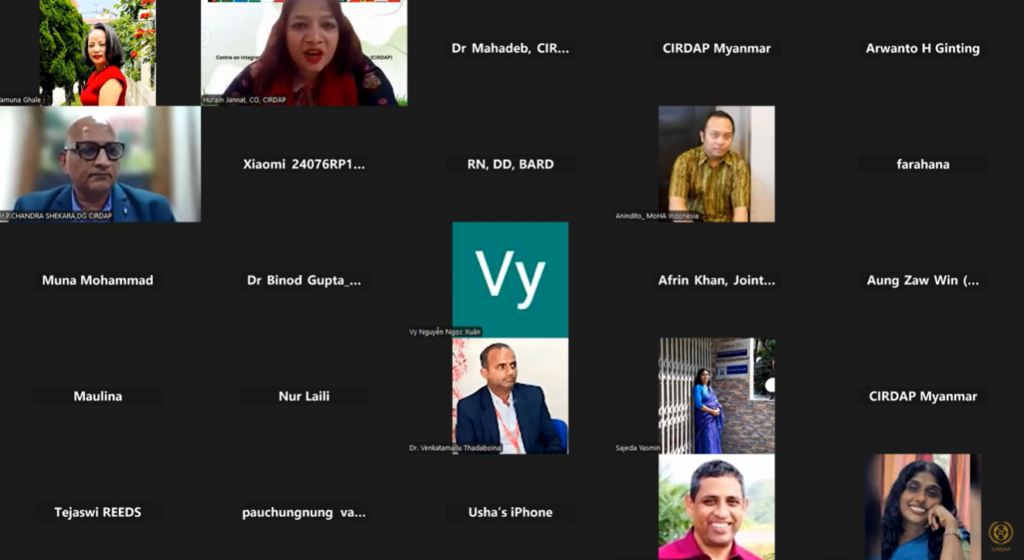
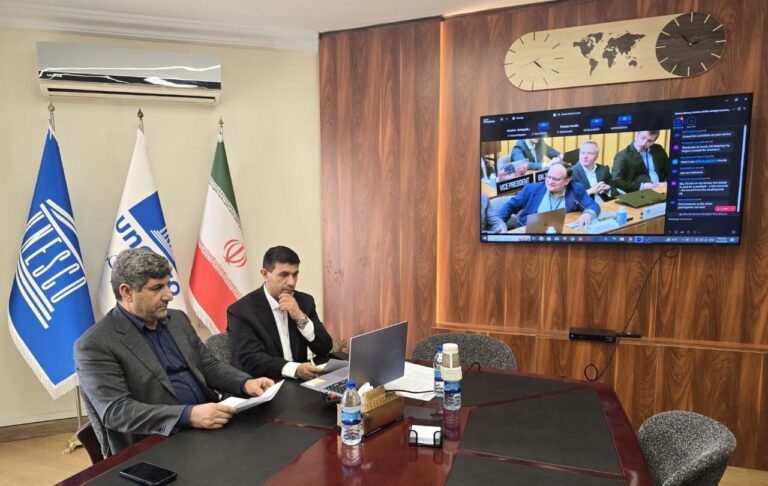
The online session on “Food and Agriculture,” organized by the Centre on Integrated Rural Development for Asia and the Pacific (CIRDAP), was held on 7 May 2026, with the participation of Dr. Yamuna Ghaley, an expert at the Centre, and a group of rural development specialists and staff from Nepal. |
During the session, food and agriculture were examined from a gender perspective, with participants emphasizing the need to address gender-based discrimination and bias in the sector. Other key topics included the adverse effects of political developments on agriculture, the role of international organizations in globalization and the growing influence of corporate interests, and the social and economic consequences of the COVID-19 pandemic for stakeholders in the sector.
The session also presented statistics on the vulnerability of different groups during the COVID-19 pandemic. According to the figures presented, daily wage workers were the most severely affected, accounting for 41% of those impacted, followed by small businesses at 24%, while government employees were the least affected, at 11%.
Participants further emphasized that the right to food is a fundamental component of the right to life and that every citizen should have access to sufficient, healthy food suited to their physical condition, age, and cultural background.
The session also highlighted joint efforts by UNESCO and the Food and Agriculture Organization of the United Nations (FAO) to support women in science and advance gender equality. Participants stressed that women’s active participation in agriculture can help strengthen gender equality, challenge traditional social roles, and empower women to take on managerial and leadership positions.
According to statistics presented by FAO, women play a significant role in agriculture and spend an average of 10 hours per day on agricultural activities, compared with 8.5 hours for men. The participants also noted that narrowing the productivity gap between female- and male-managed farms and ensuring equal access to resources and opportunities could have a significant impact on global economic growth.
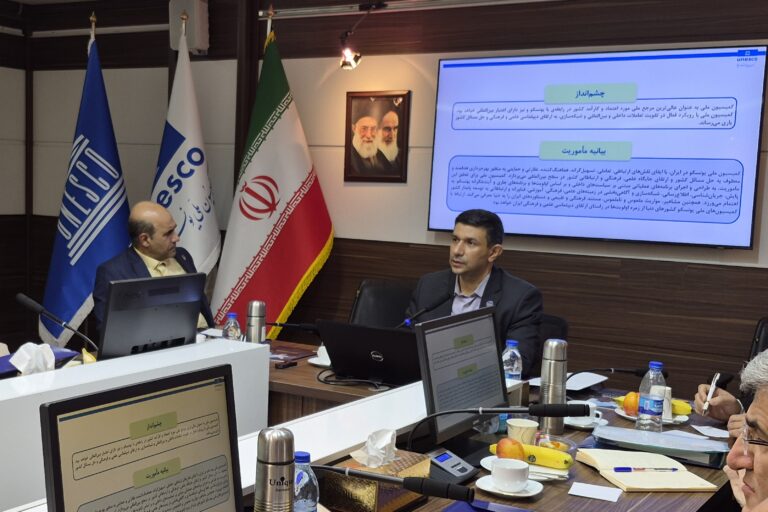
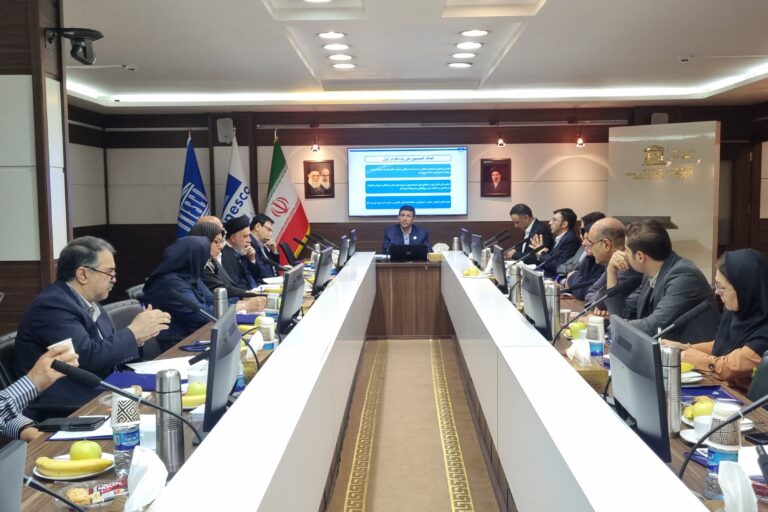
The session concluded with an emphasis on the need to support women in food and agriculture and strengthen gender equality worldwide. A representative of the Iranian National Commission for UNESCO also attended the session.