

Secretary-General of Iran’s National Commission for UNESCO Emphasizes the Strengthening of National Cooperation in Bioethics and Ethics of Science and Technology
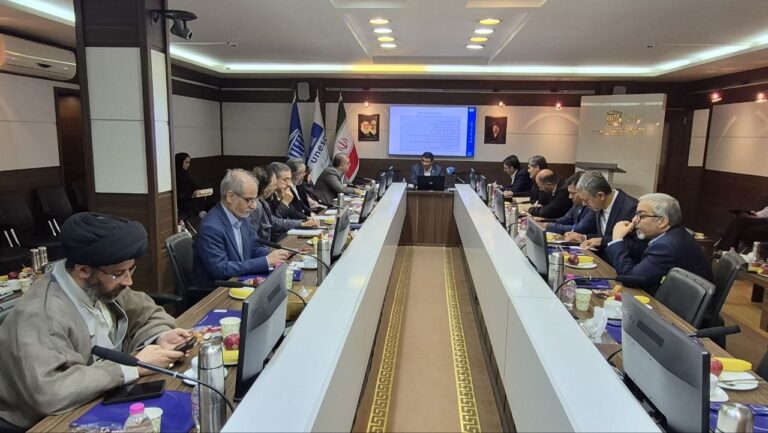
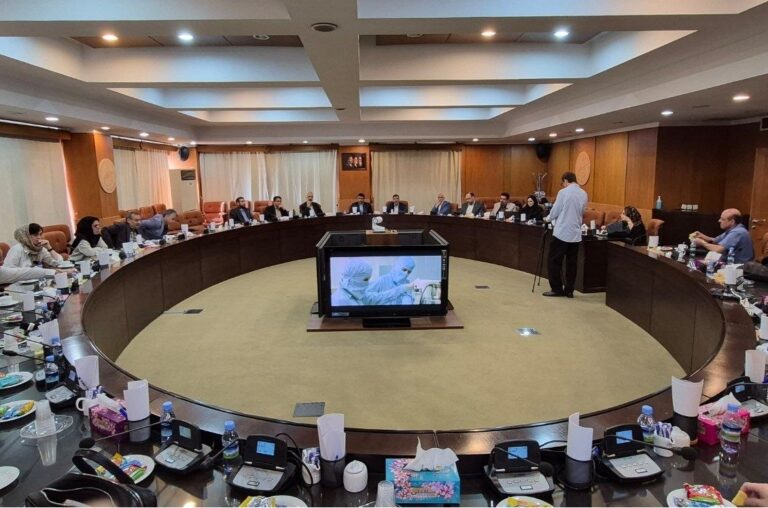
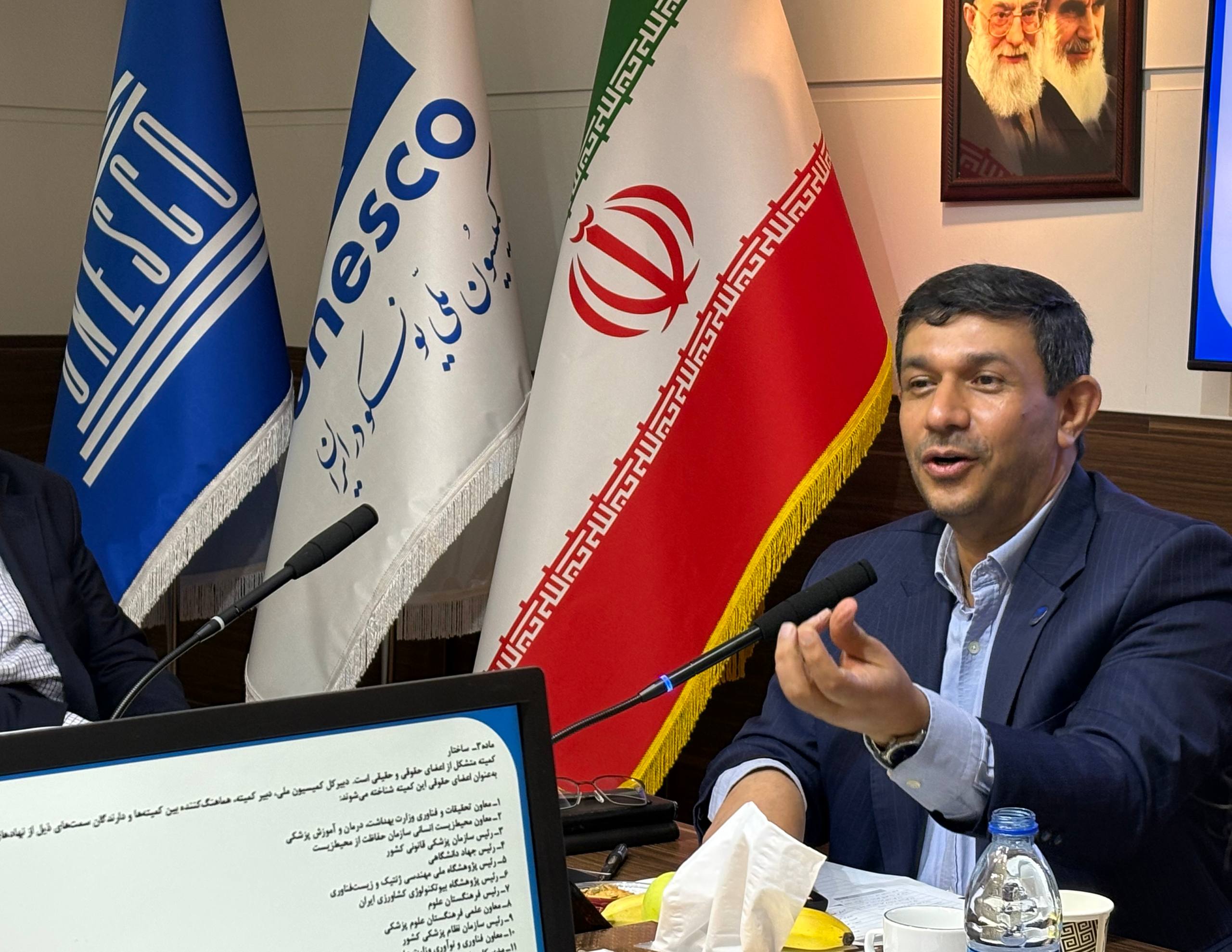
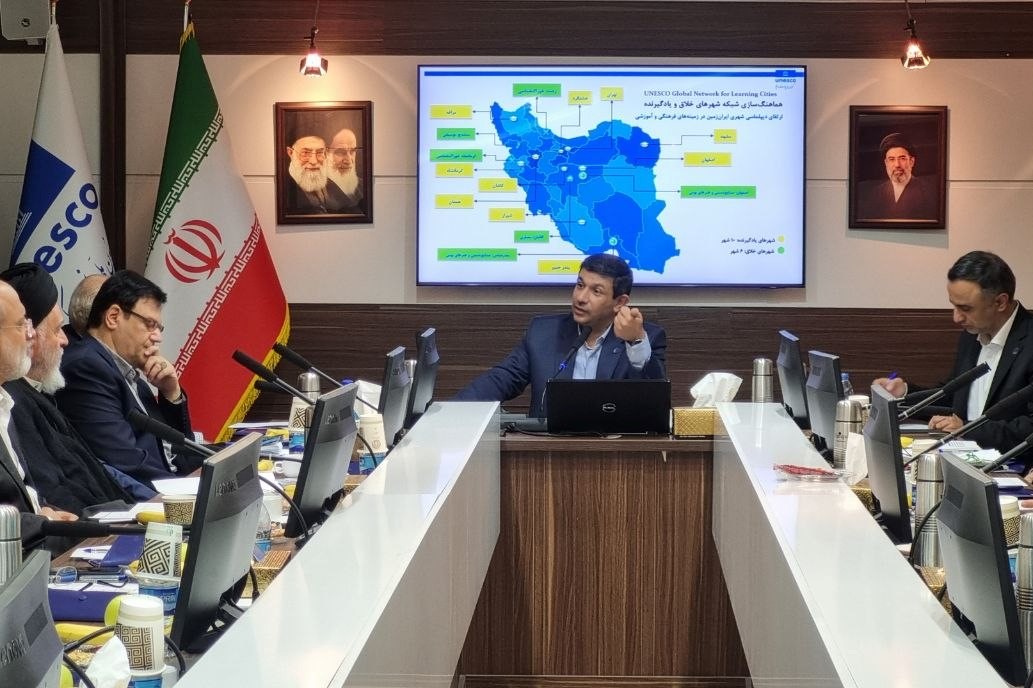
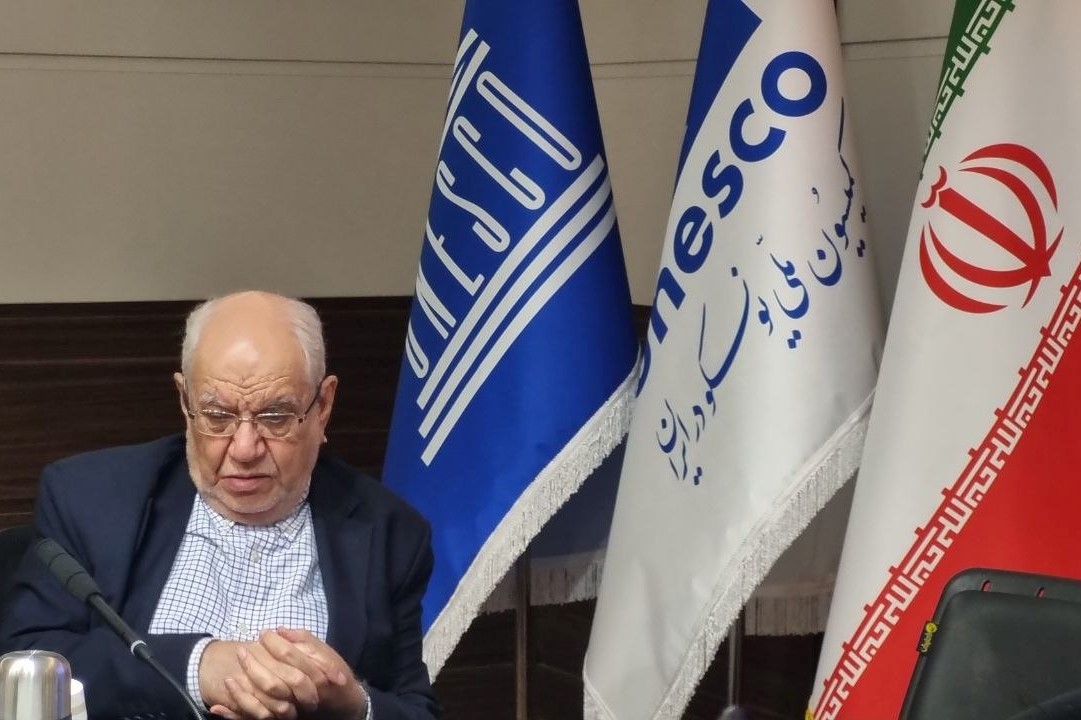
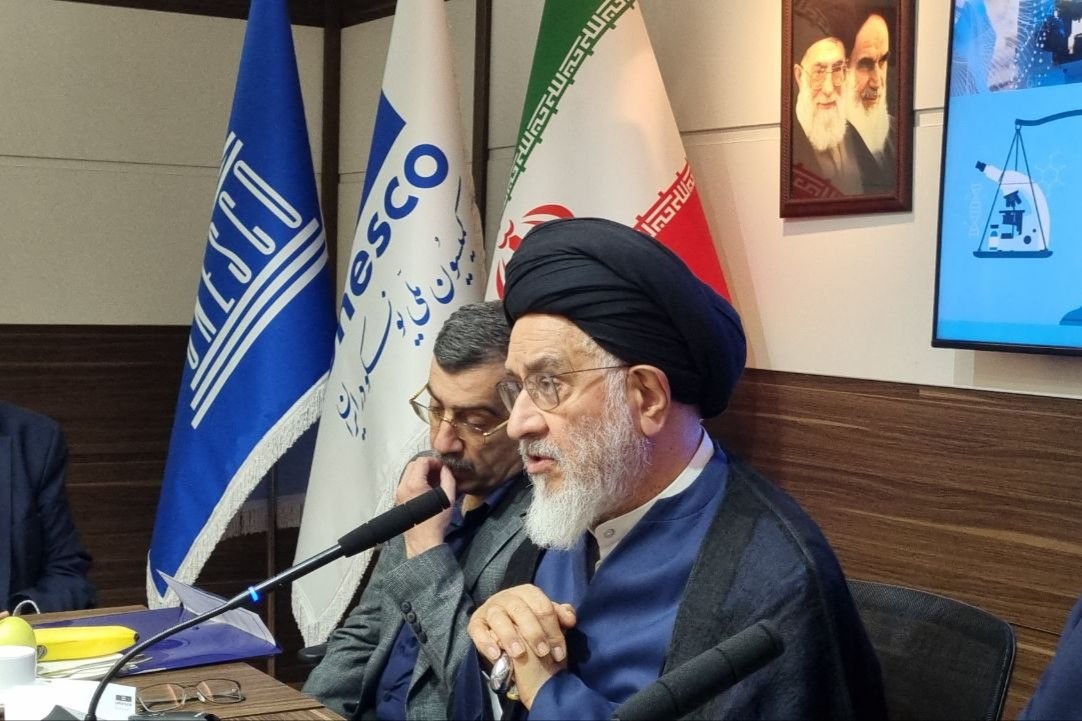
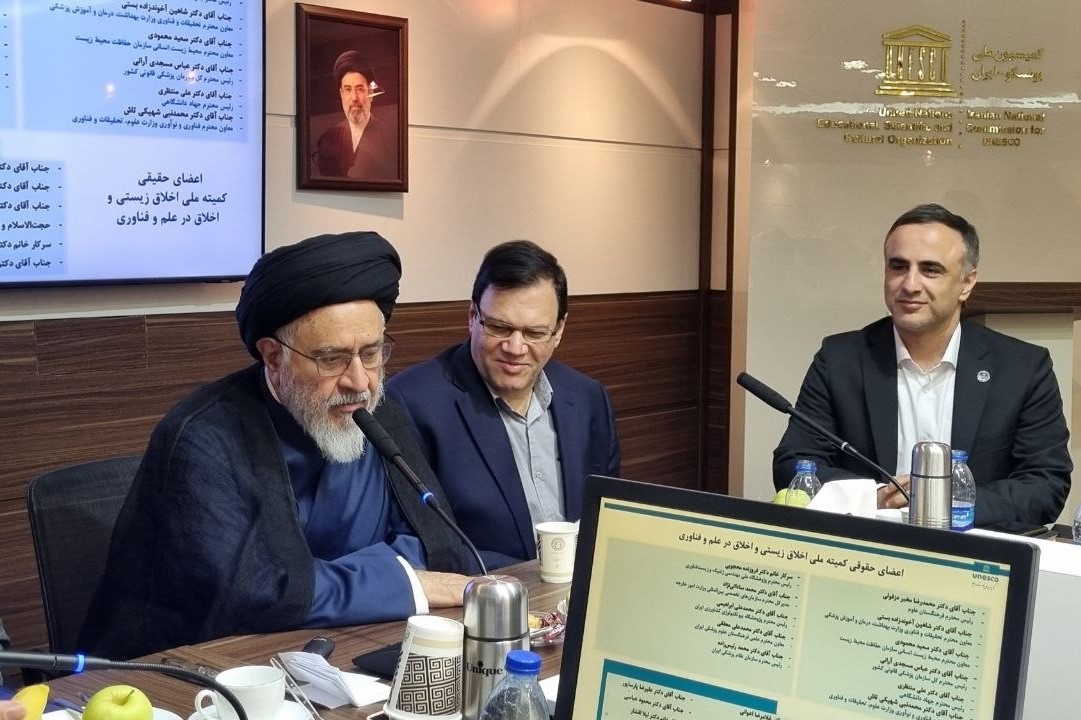
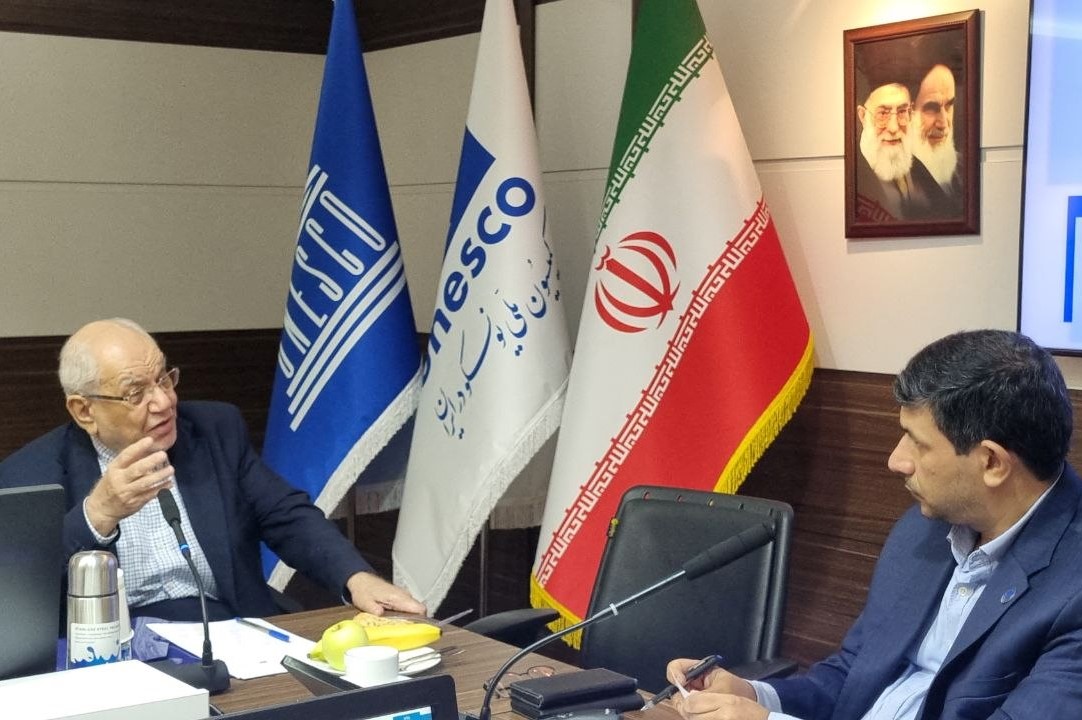
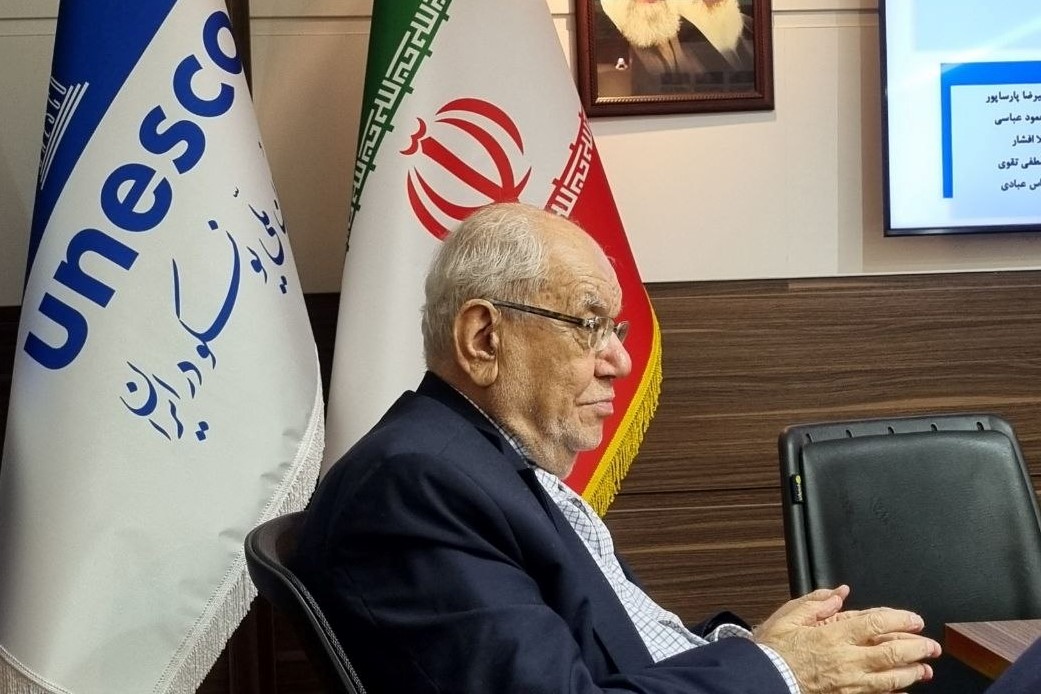
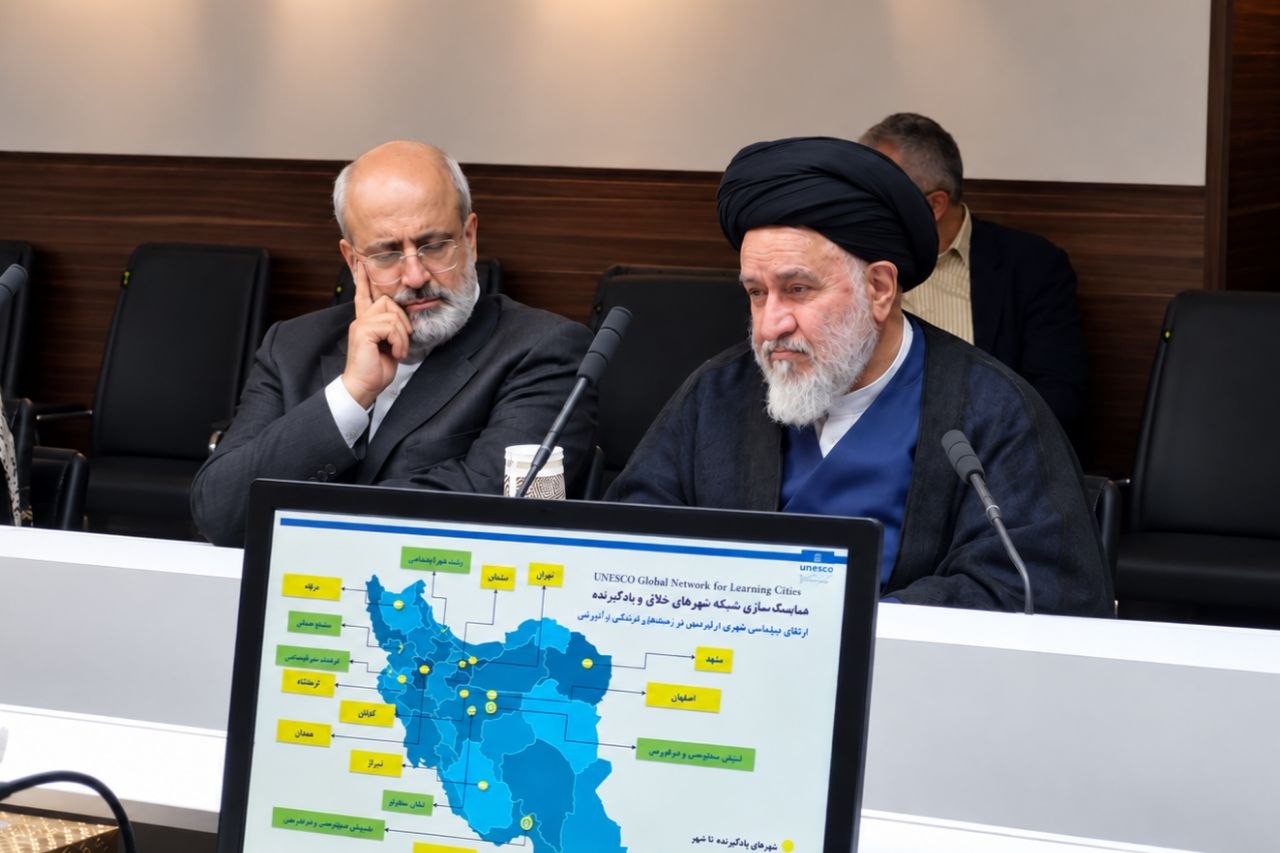
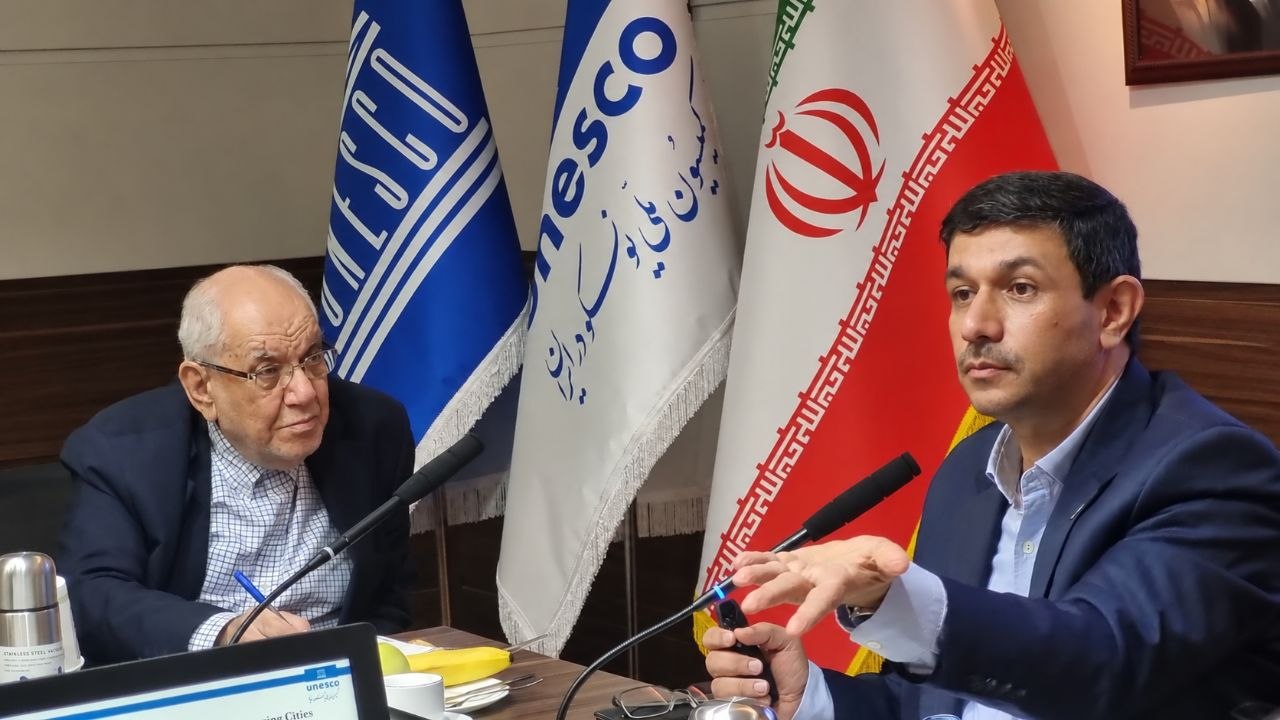
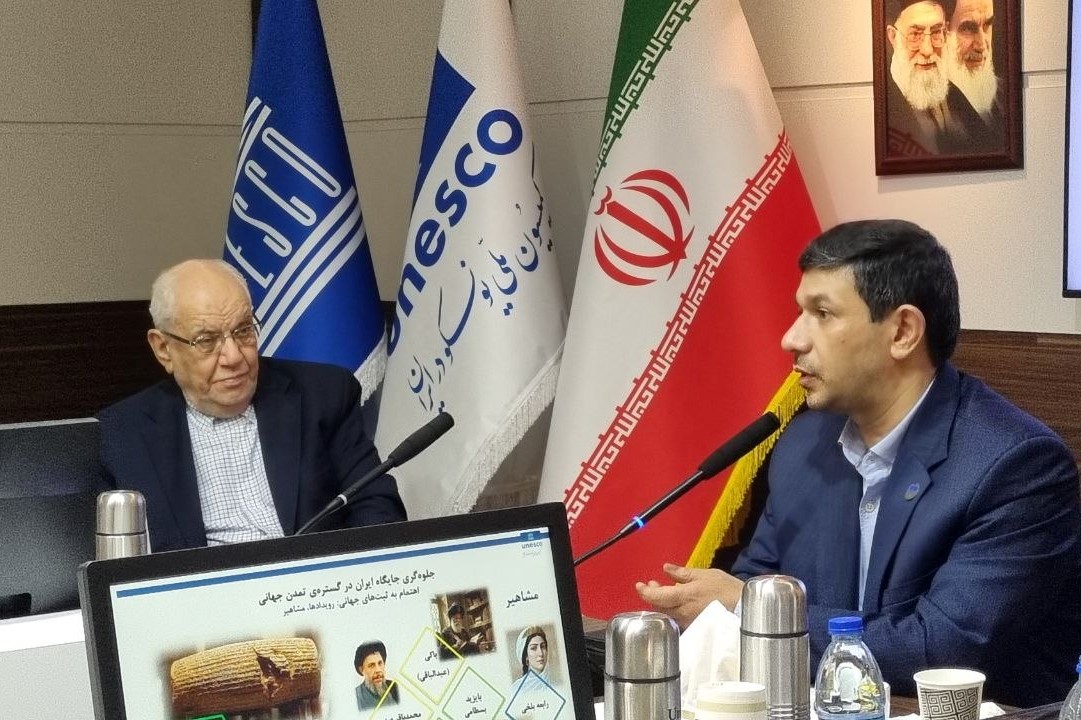
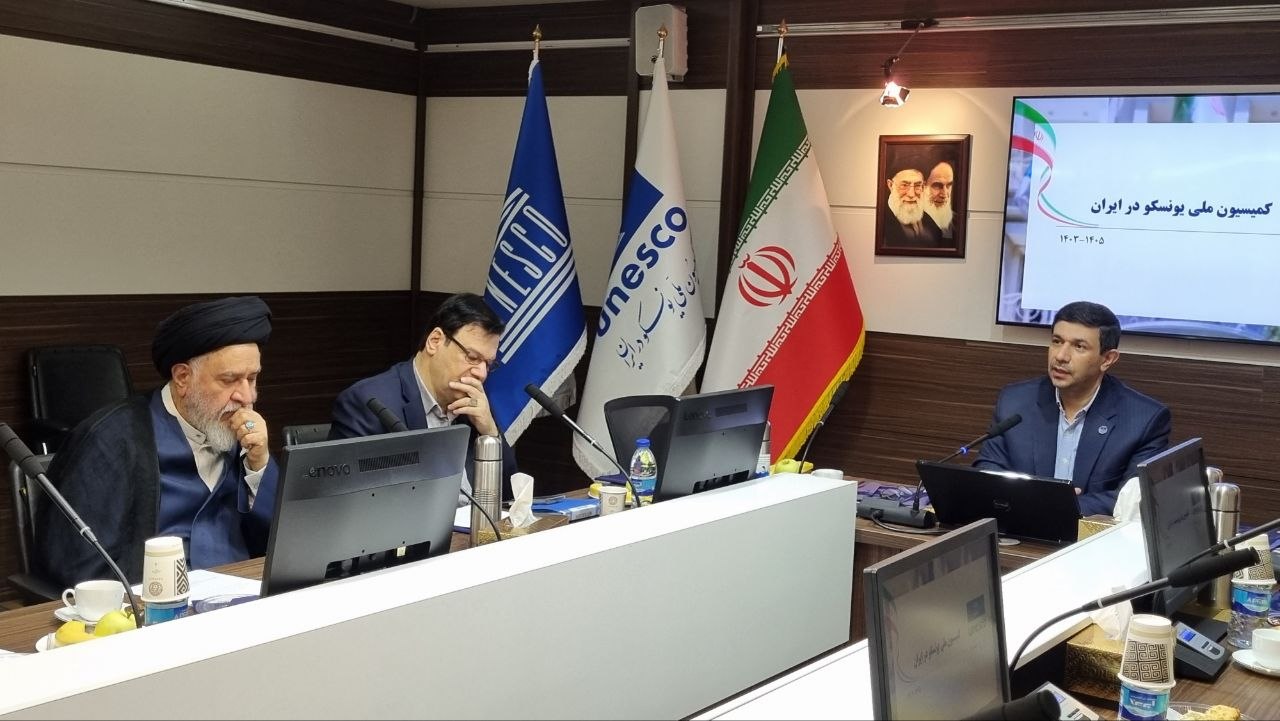
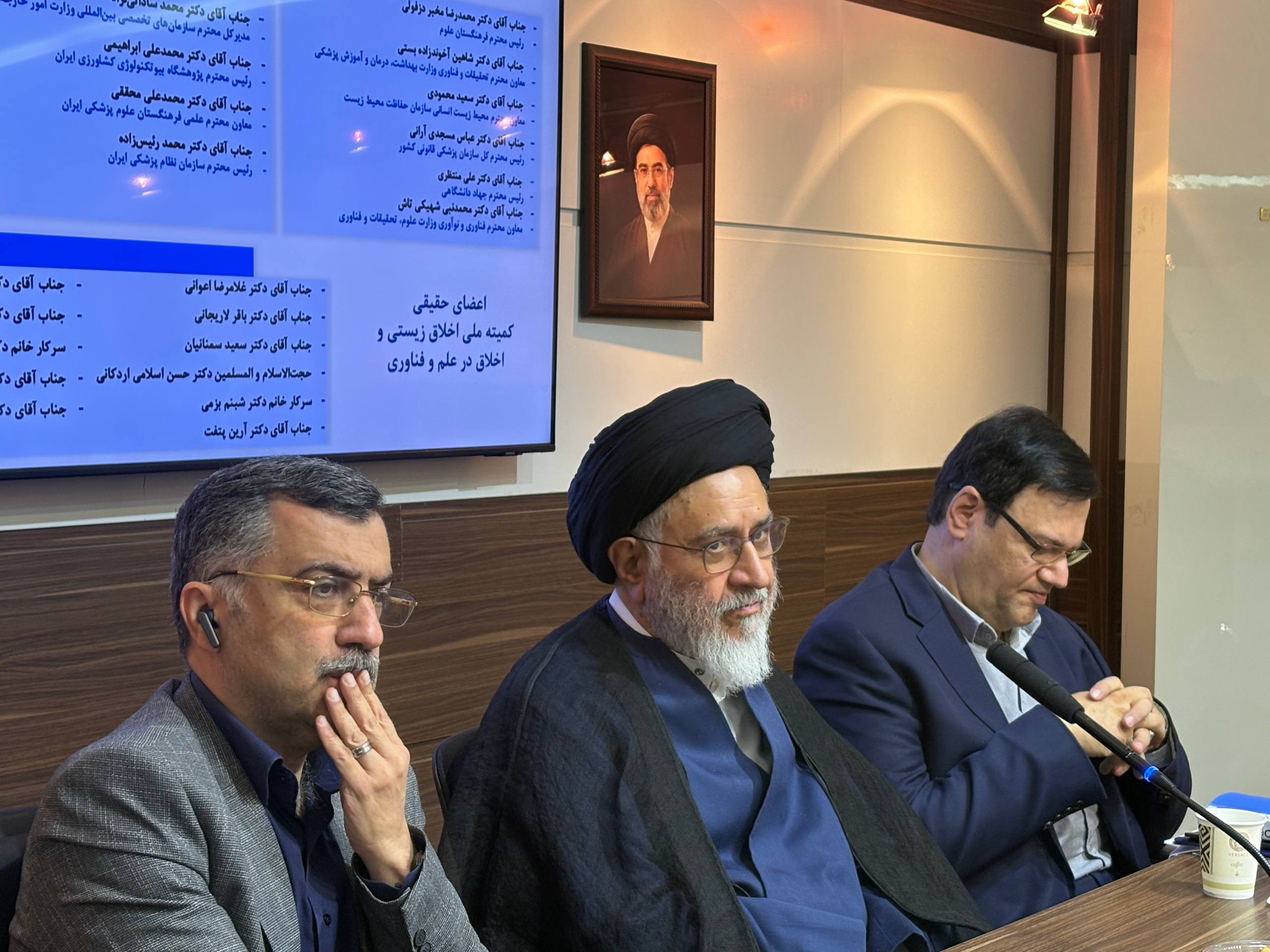
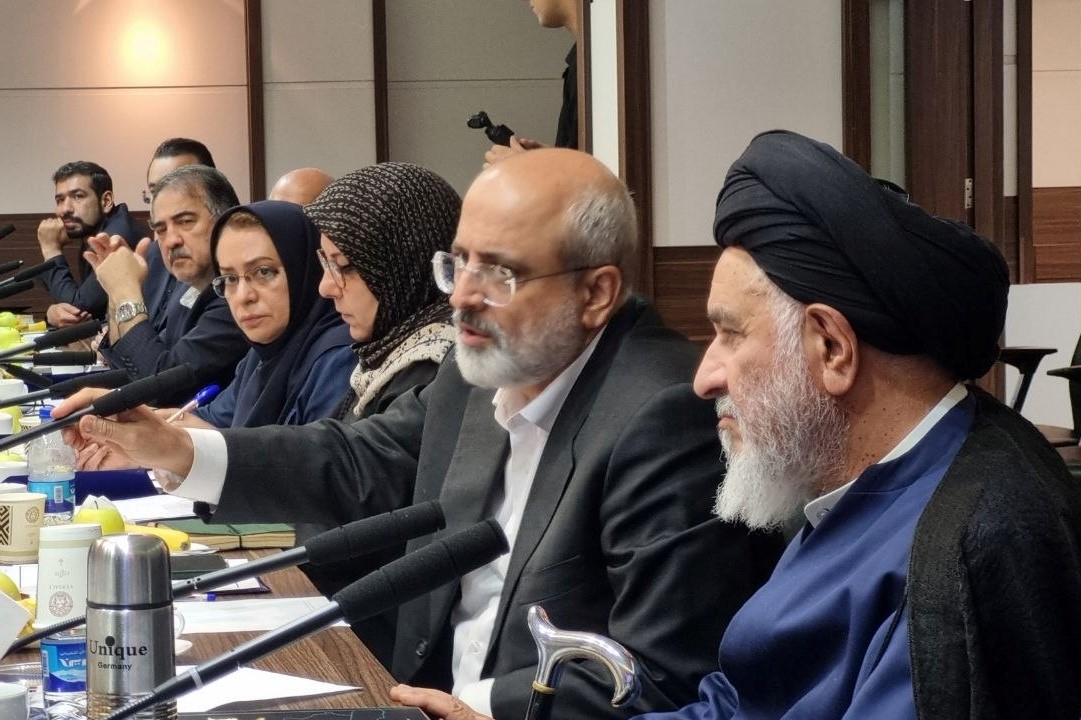
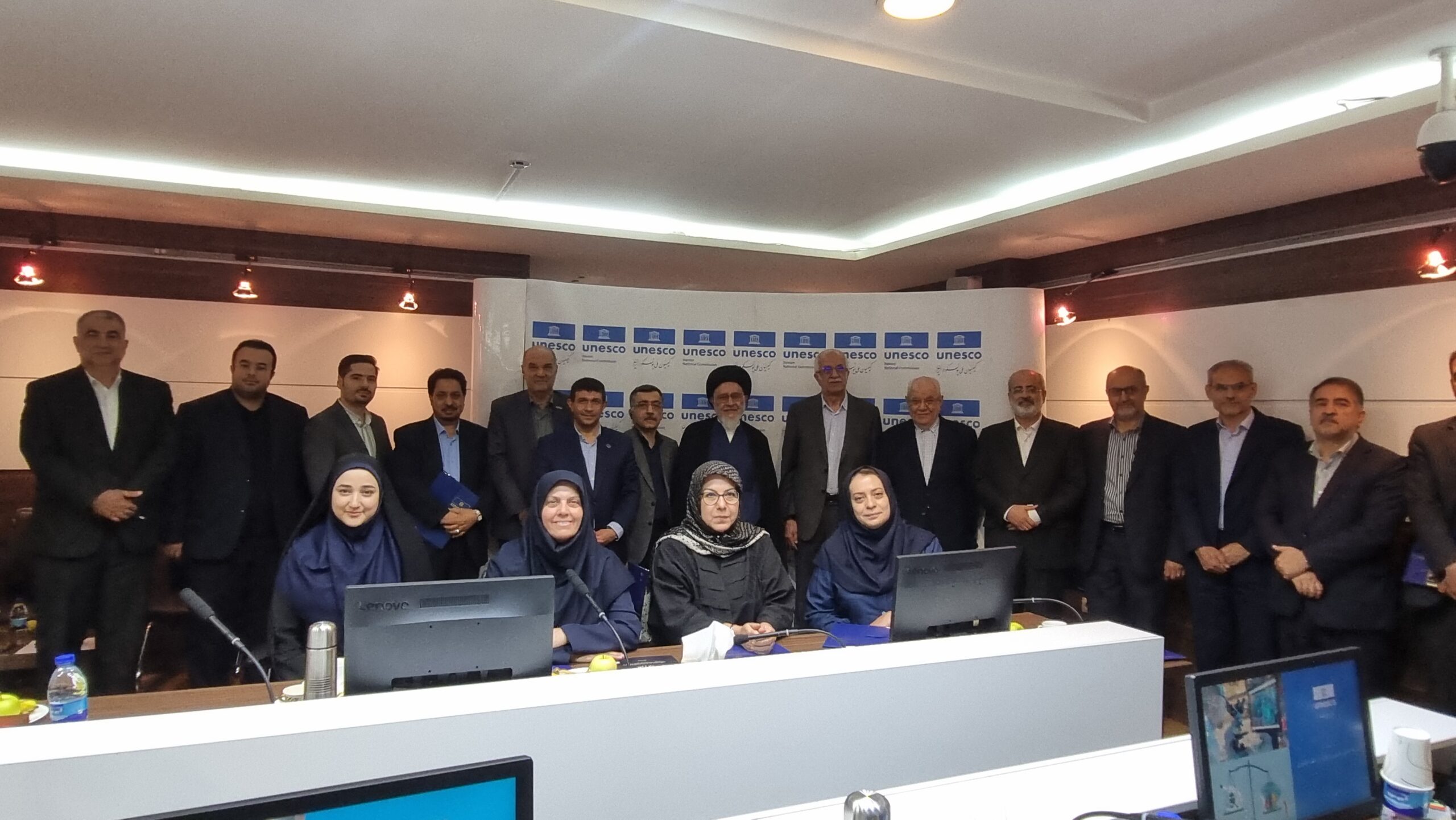
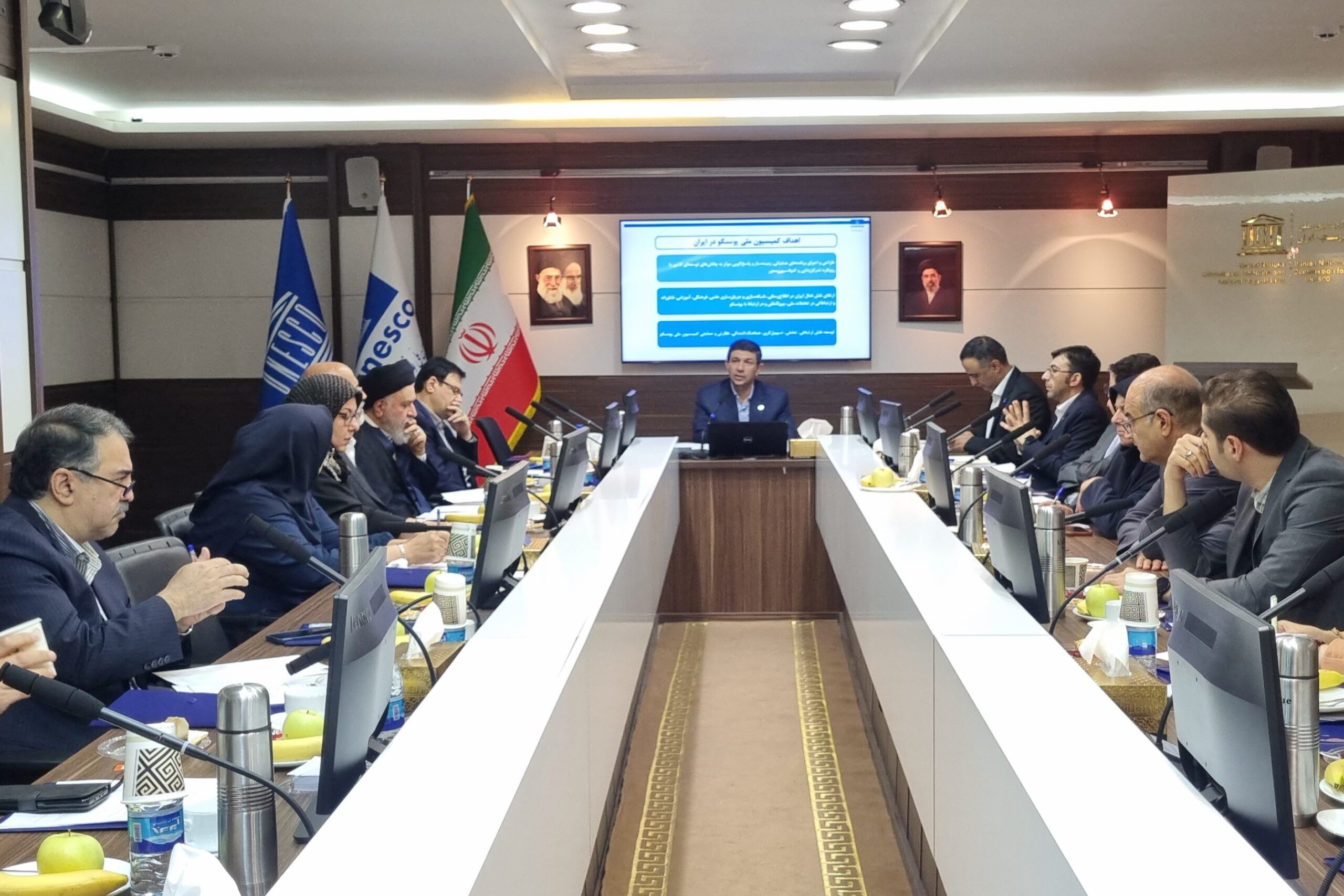
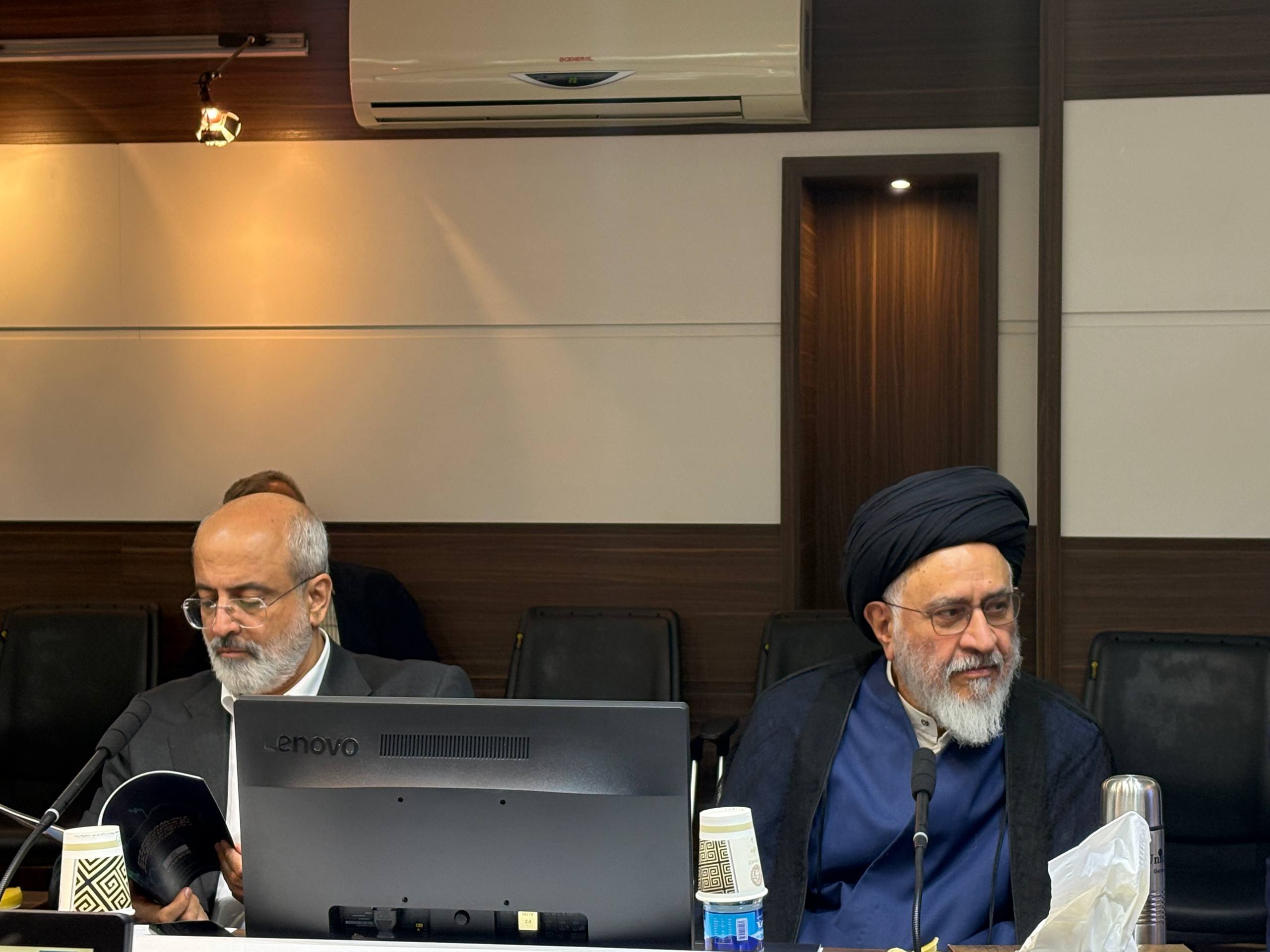
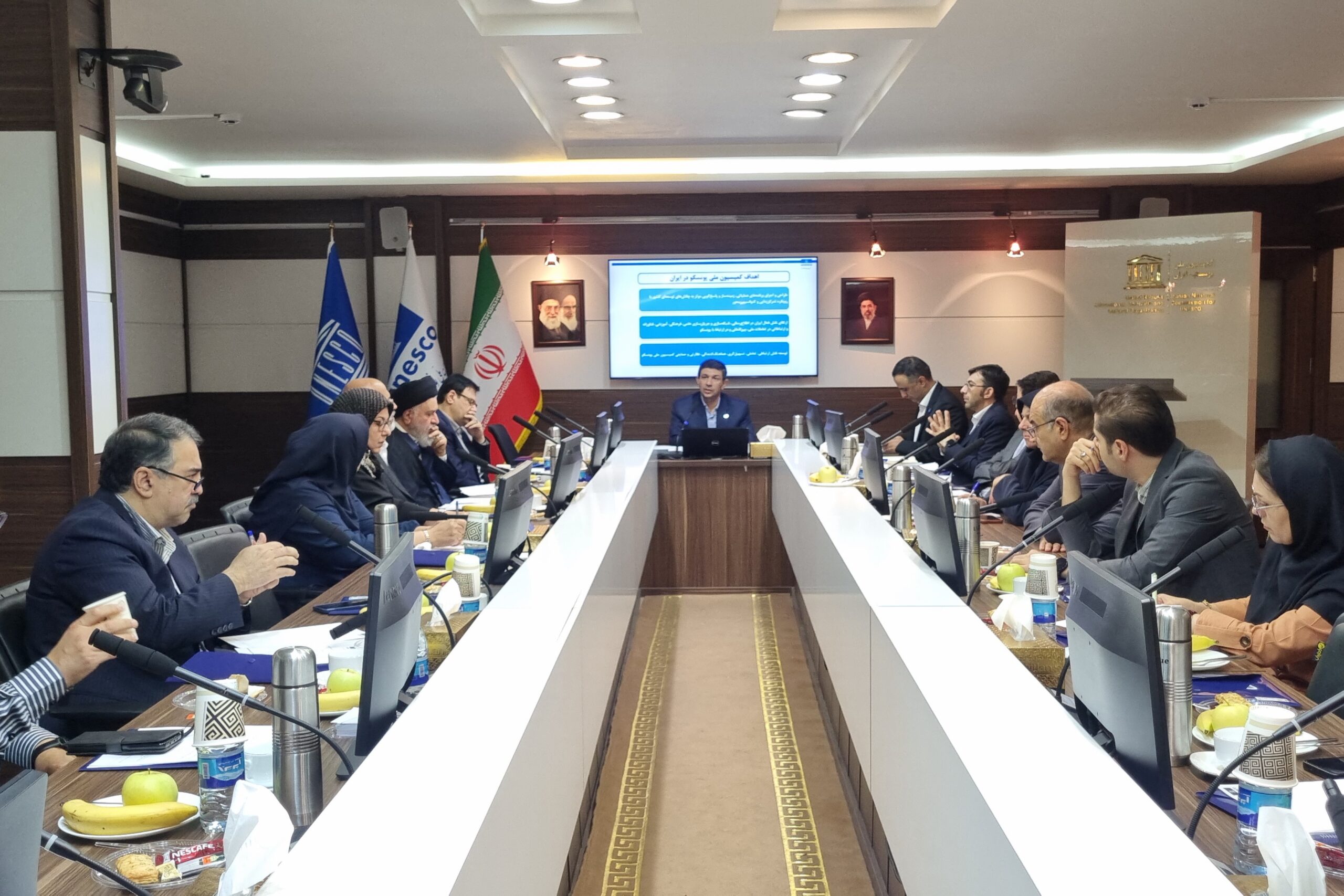
The first meeting of the National Committee for Bioethics and Ethics of Science and Technology of Iran’s National Commission for UNESCO was held on 20 September 2026, as part of the new phase of activities of the Commission’s specialized committees. The meeting took place in the Commission’s conference hall, attended by Dr. Hassan Fartousi, Secretary-General of Iran’s National Commission for UNESCO, and a number of the committee’s individual and institutional members. During the meeting, the Commission’s structure, mandates and programs were outlined, and a report on its activities over the past two years was presented. The committee’s key priorities and programs in the fields of bioethics and ethics of science and technology were also reviewed, and its executive board was elected.
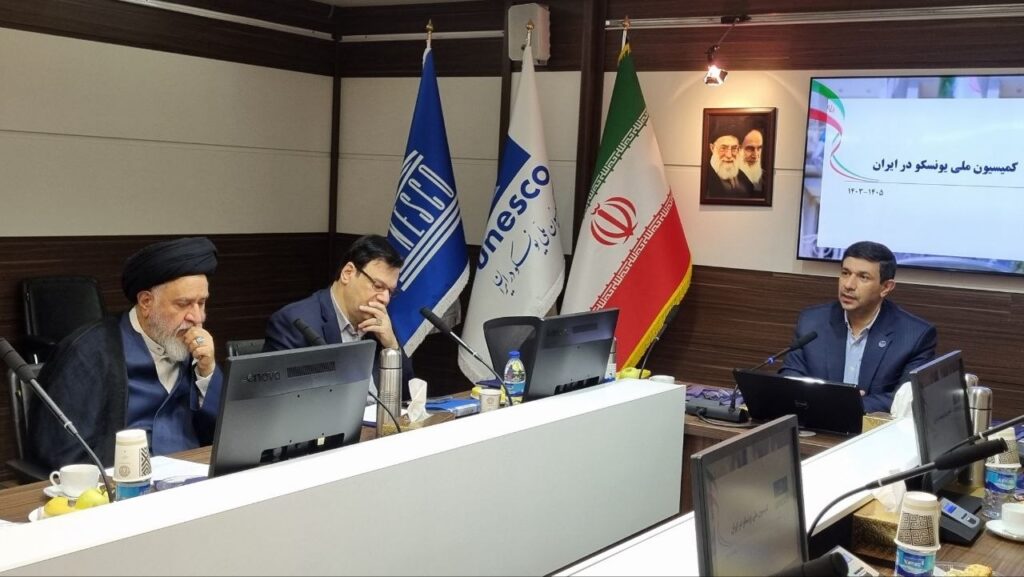
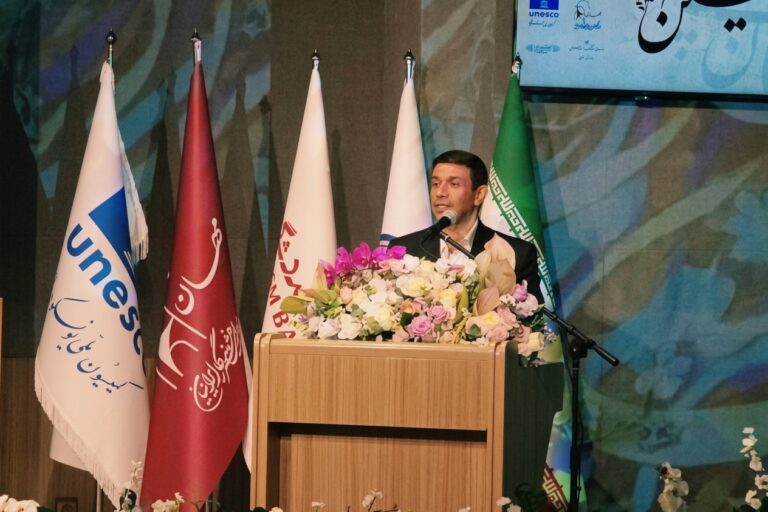
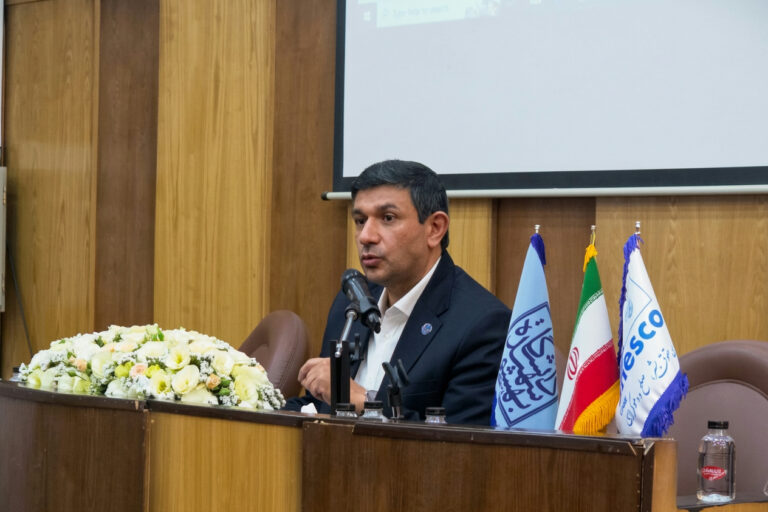
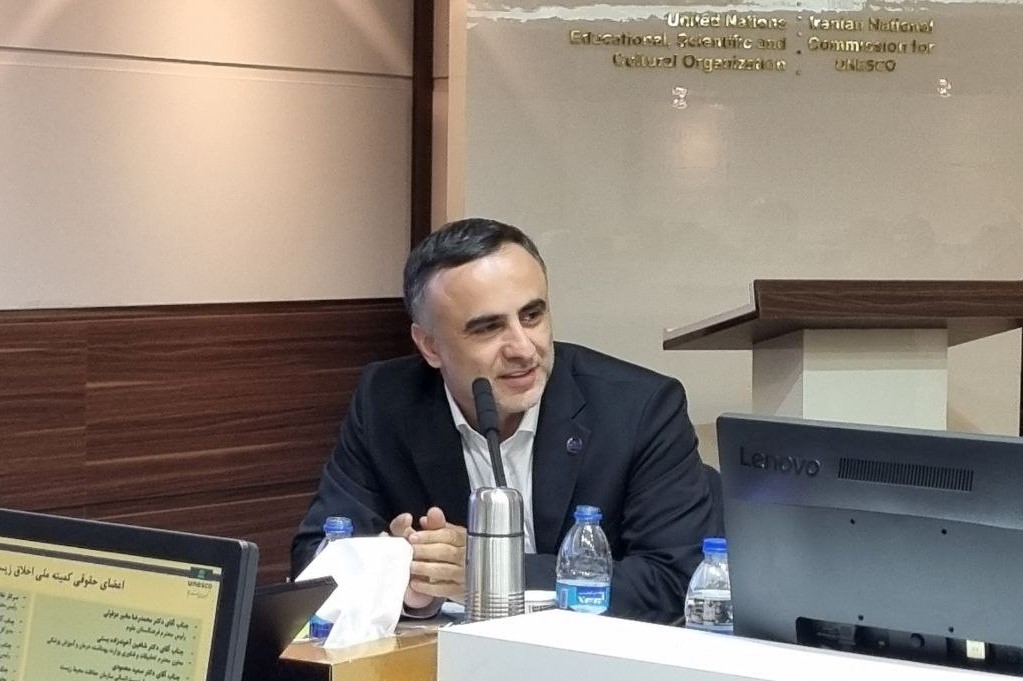
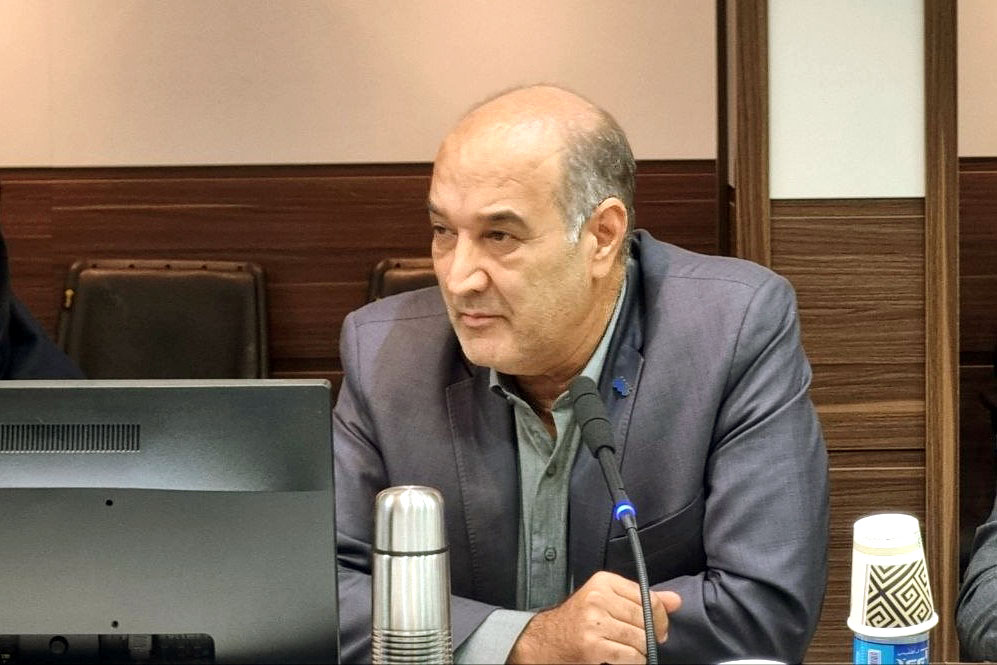
At the beginning of the meeting, Dr. Hassan Fartousi, Secretary-General of Iran’s National Commission for UNESCO, welcomed the committee’s individual and institutional members and described the establishment of the National Committee for Bioethics and Ethics of Science and Technology as an effective step towards strengthening national coordination, expanding cross-sectoral cooperation and drawing on the country’s scientific and specialized capacities in this field.
Referring to the importance of addressing the ethical dimensions of scientific and technological developments and the need to strengthen ethical approaches to emerging issues, he emphasized the importance of fostering synergy among executive bodies, universities, research centers and other relevant institutions.
Overview of the Commission’s Programs and Mandates
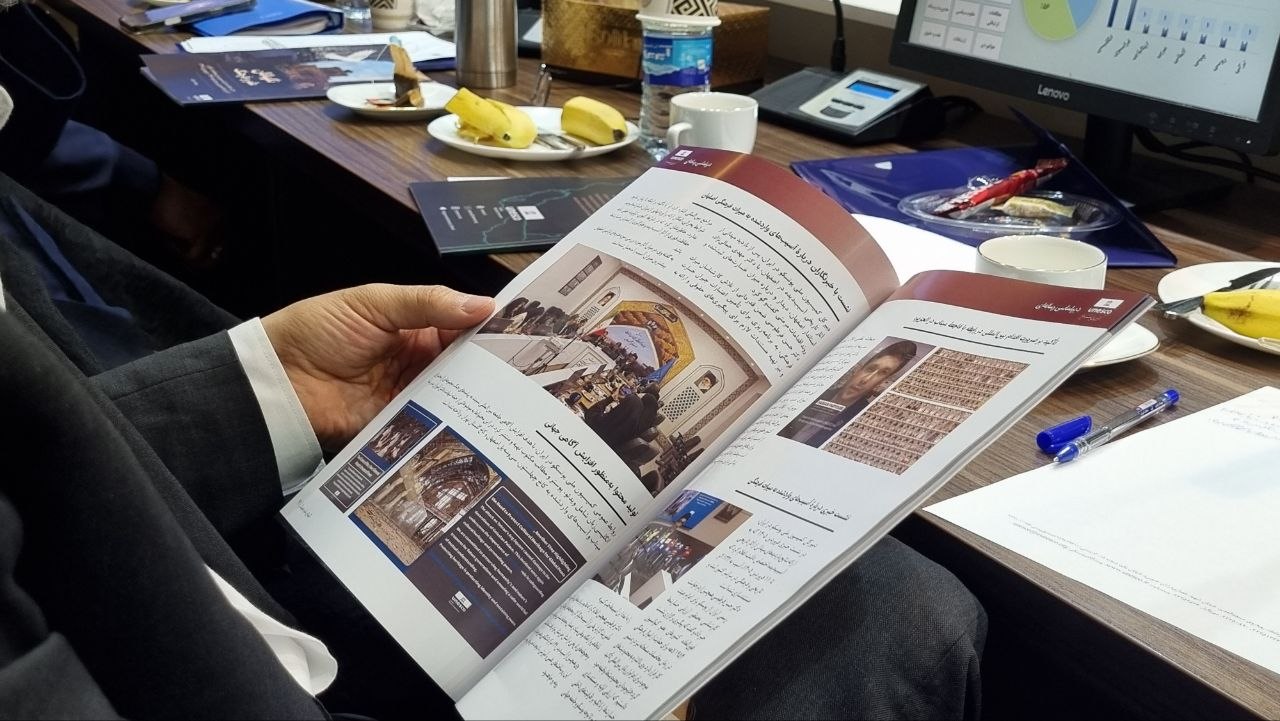
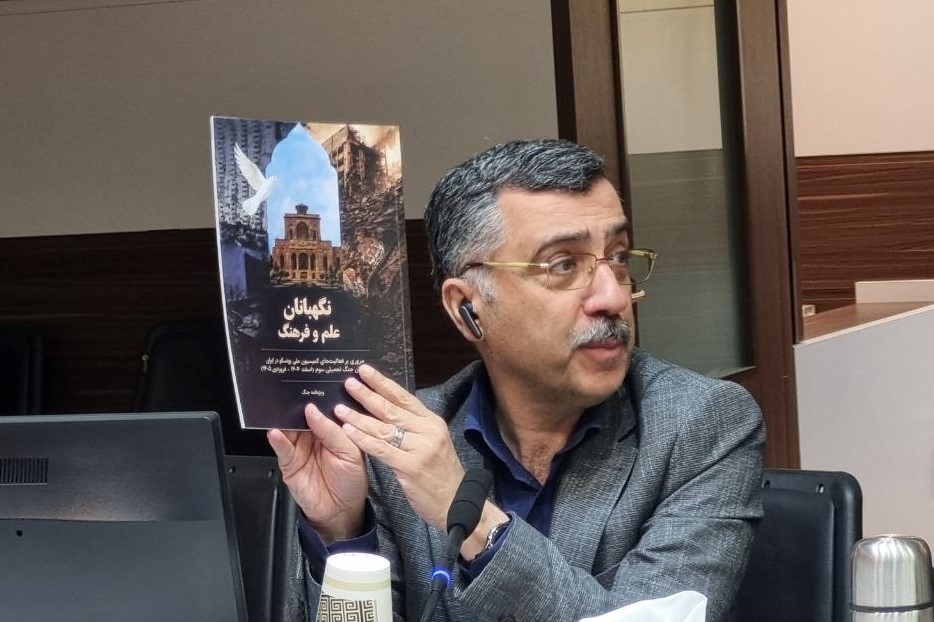
The Secretary-General of Iran’s National Commission for UNESCO went on to outline the Commission’s structure, mandates and programs to the committee members and presented a report on its key measures and activities over the past two years.
Fartousi also explained the new regulations governing the specialized committees, familiarizing those present with their operational mechanisms, the duties and responsibilities of members, and the objectives, mandates and areas of activity of the National Committee for Bioethics and Ethics of Science and Technology.
Review of Priorities in Bioethics and Ethics of Science and Technology
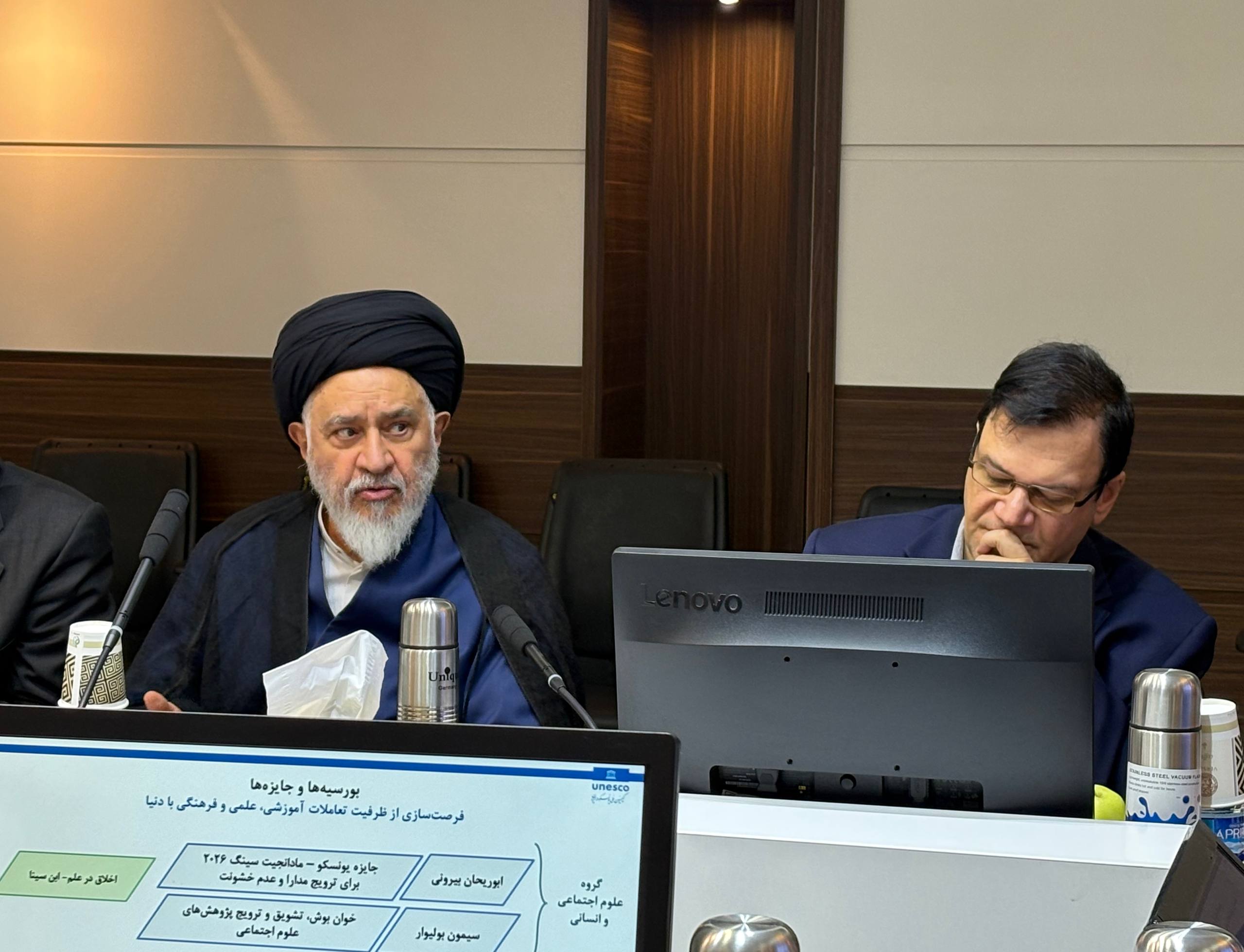
During the next part of the meeting, the individual and institutional members introduced themselves and shared their views, proposals and considerations regarding the key issues and priorities in bioethics and ethics of science and technology. They also emphasized the importance of drawing on the country’s scientific and specialized capacities in this field.
The proposed priorities discussed included strengthening coordination and cooperation among scientific, executive and specialized institutions in the fields of bioethics and ethics of science and technology; monitoring and examining ethical issues arising from scientific and technological developments and emerging technologies; promoting dialogue and raising awareness of bioethics and ethics of science and technology; drawing on the capacities of universities, research centers and specialized institutions; expanding national and international cooperation; and addressing the ethical dimensions of emerging issues in science and technology.
Election of the Committee’s Executive Board
The committee’s executive board was subsequently elected in accordance with the new regulations governing the specialized committees of Iran’s National Commission for UNESCO.
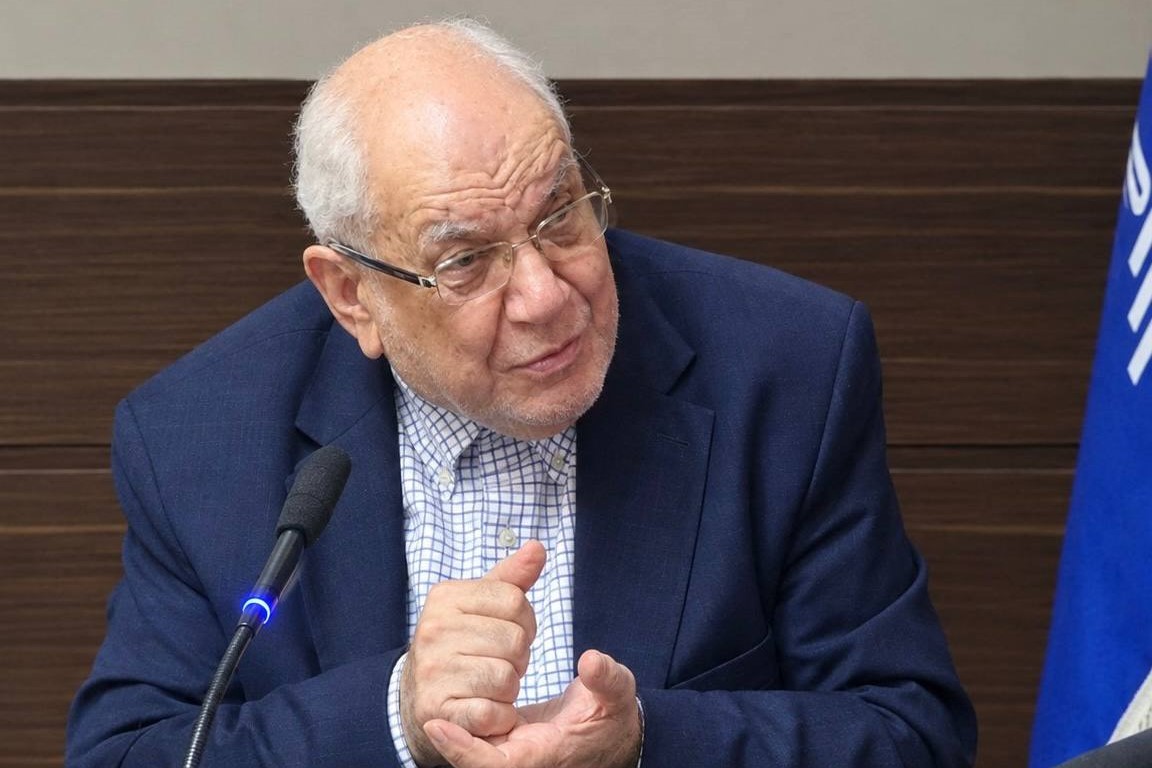
Based on the votes cast by the members present, Dr. Shahin Akhoundzadeh Basti was elected Chair, and Dr. Bagher Larijani was elected Vice-Chair of the National Committee for Bioethics and Ethics of Science and Technology. Ayatollah Dr. Seyed Mostafa Mohaghegh Damad was also appointed Honorary Chair of the committee.
At the conclusion of the meeting, the participants emphasized the need to strengthen cooperation and synergy among the individual and institutional members, continue holding specialized meetings, follow up on the decisions adopted, and develop the committee’s implementation plans.
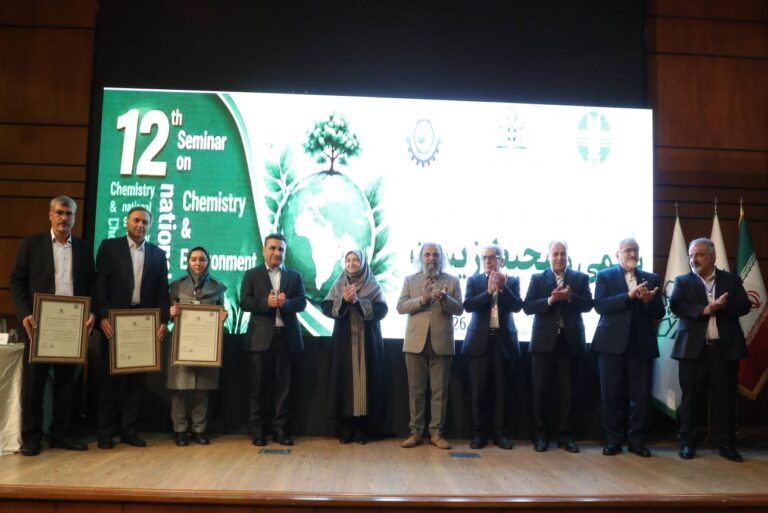
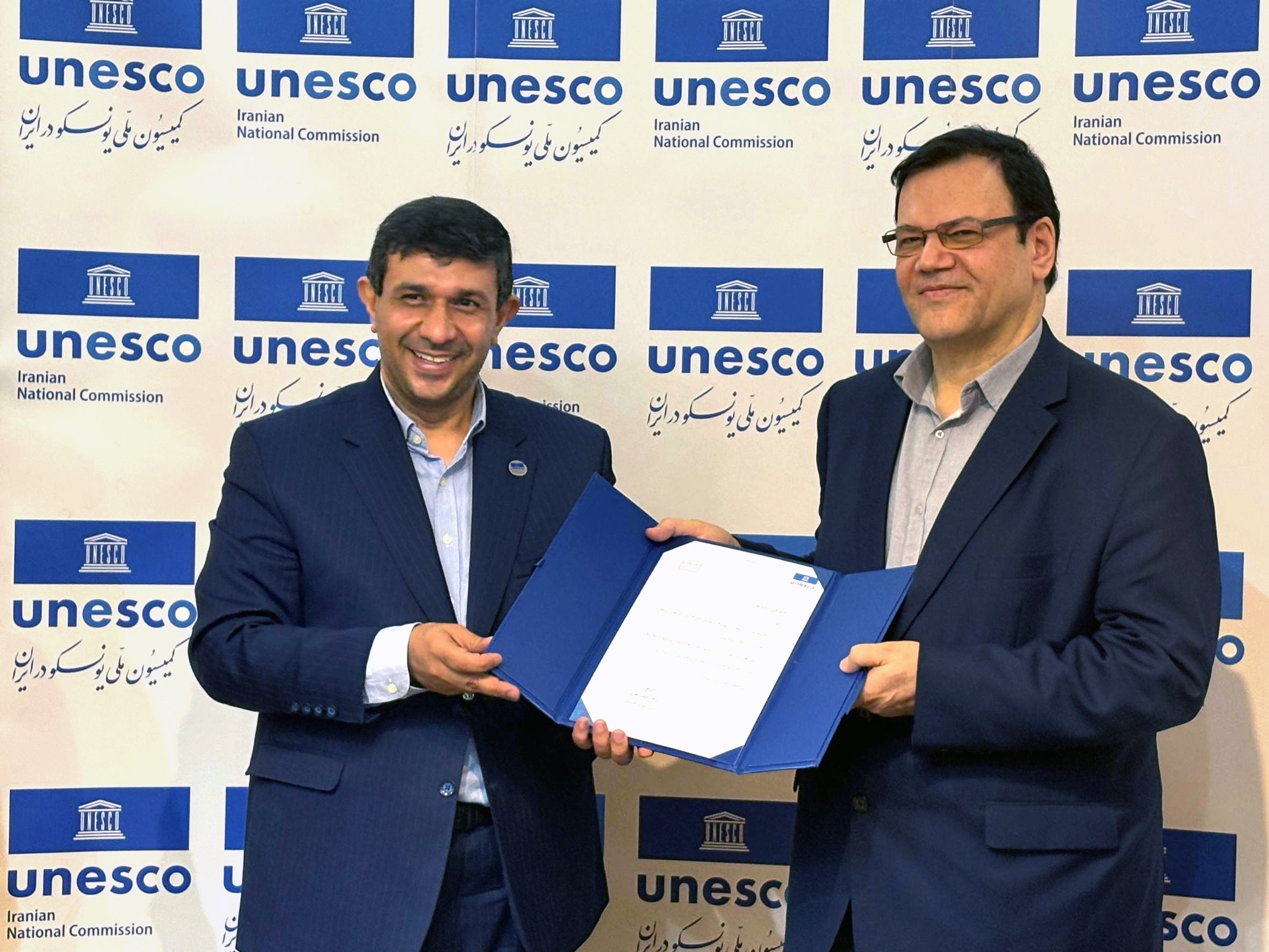
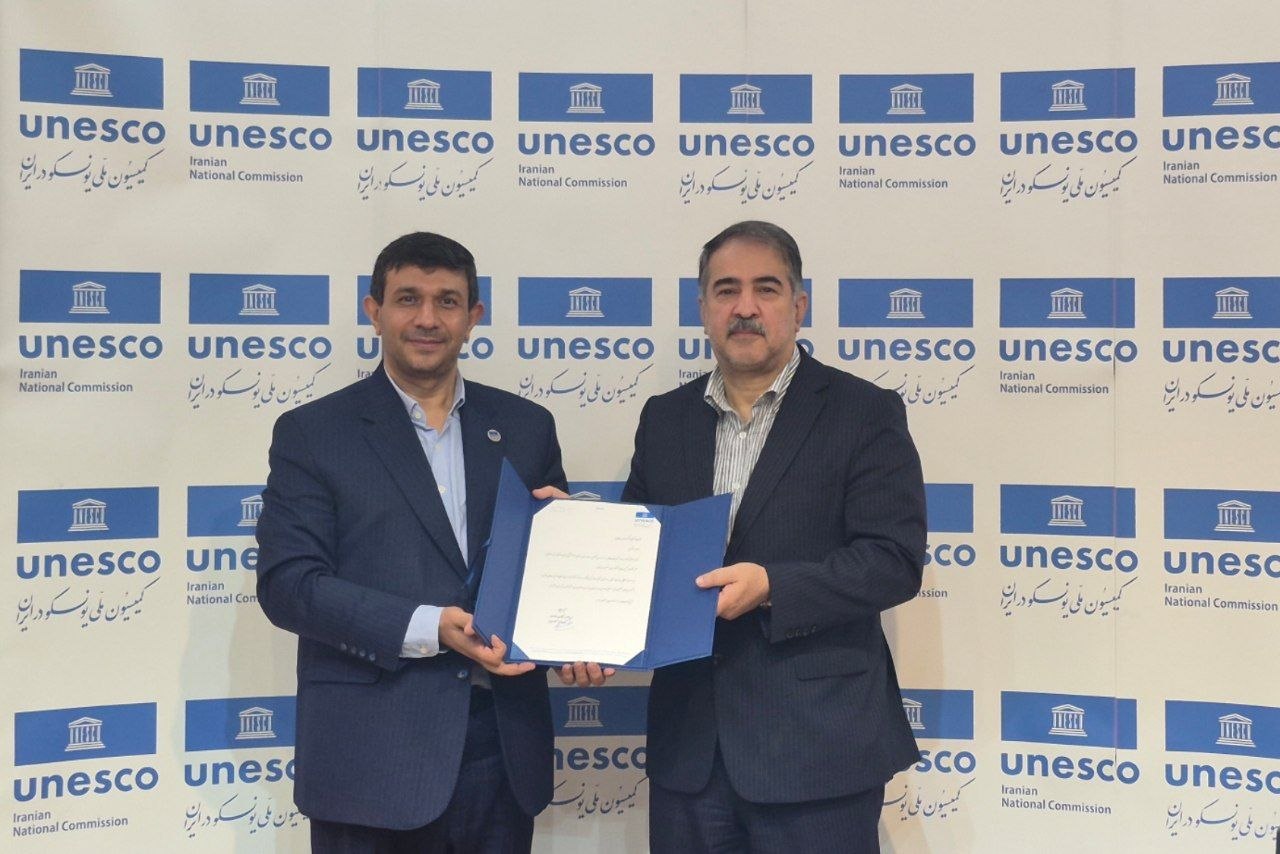
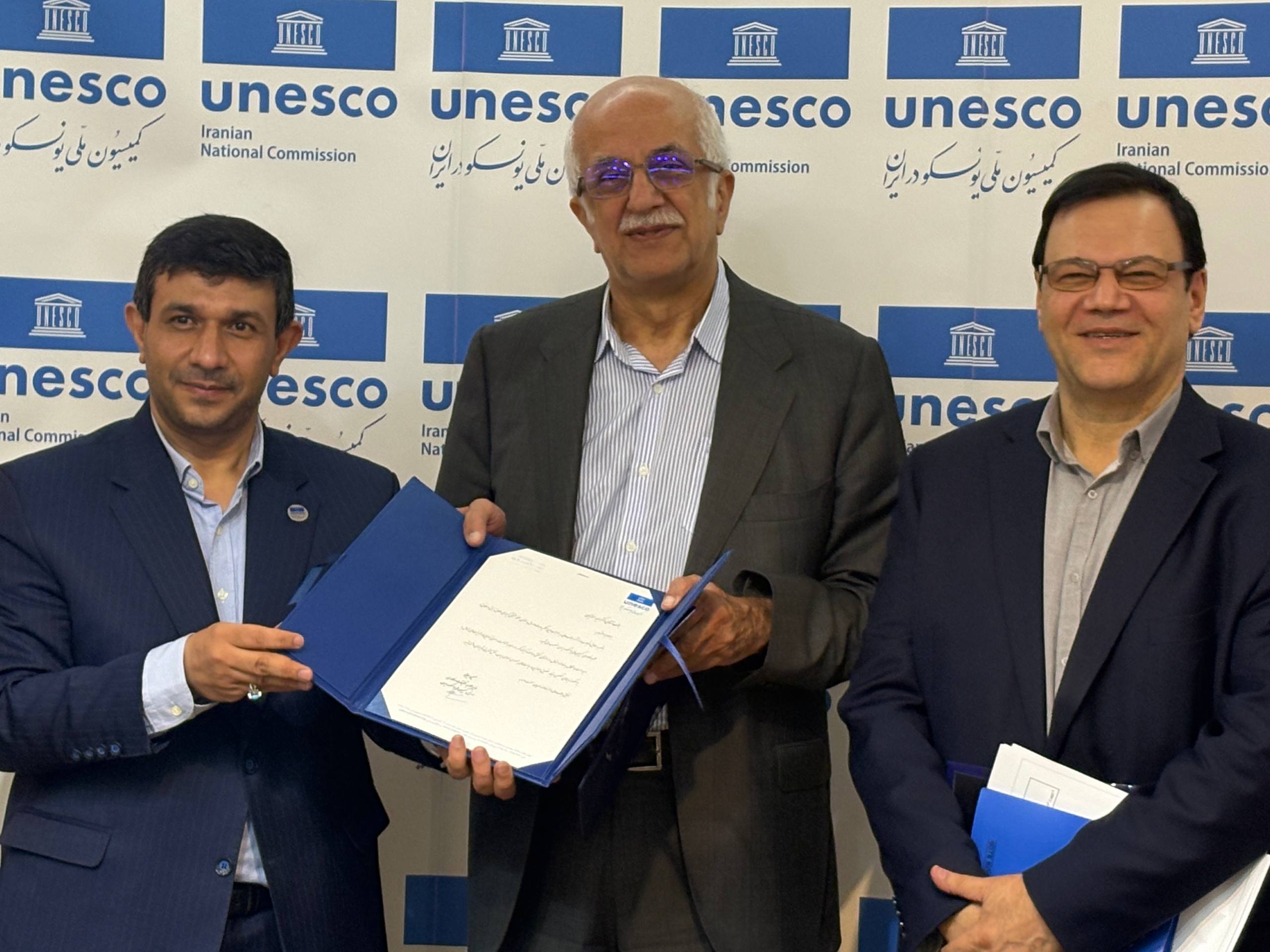
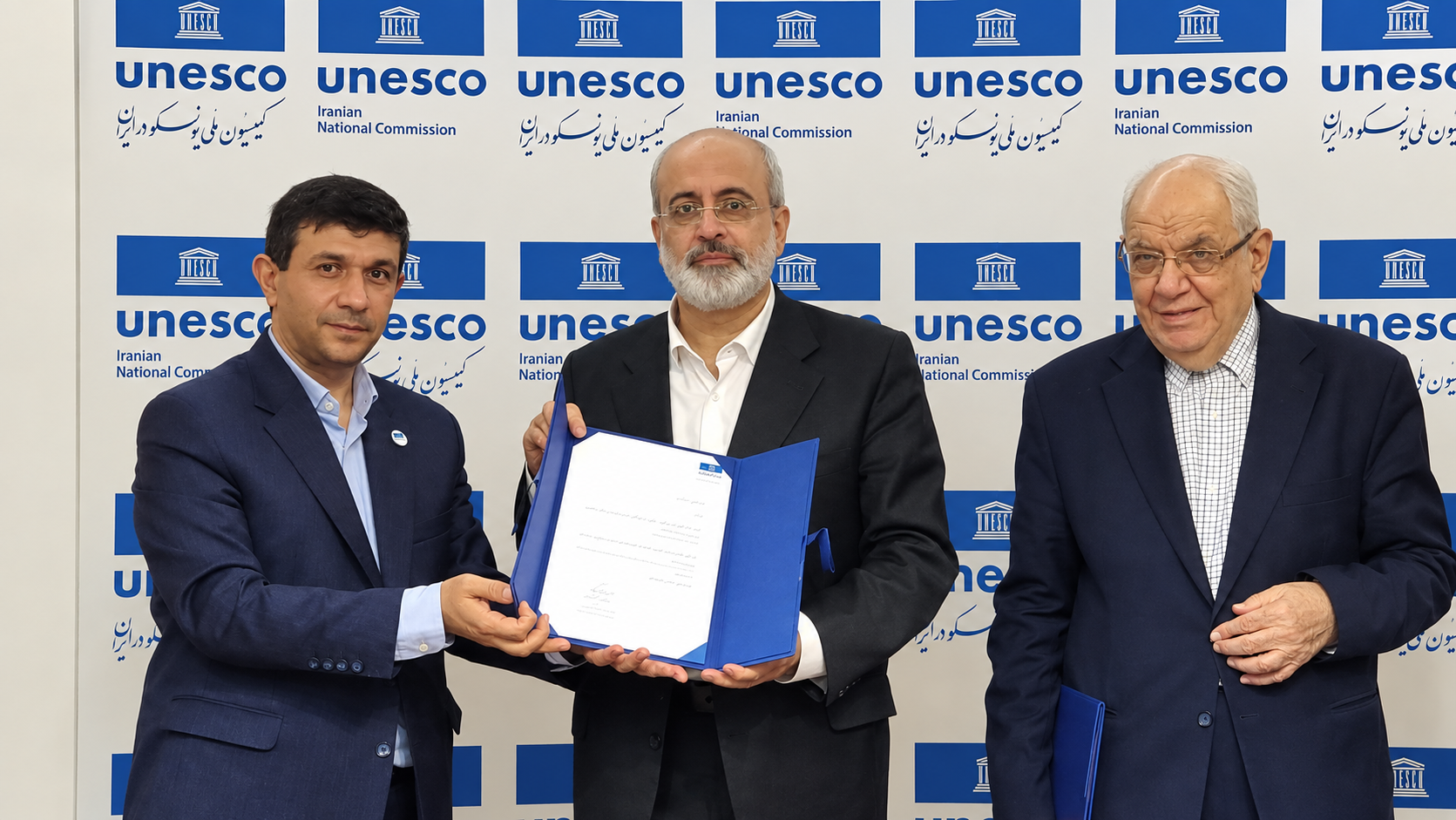
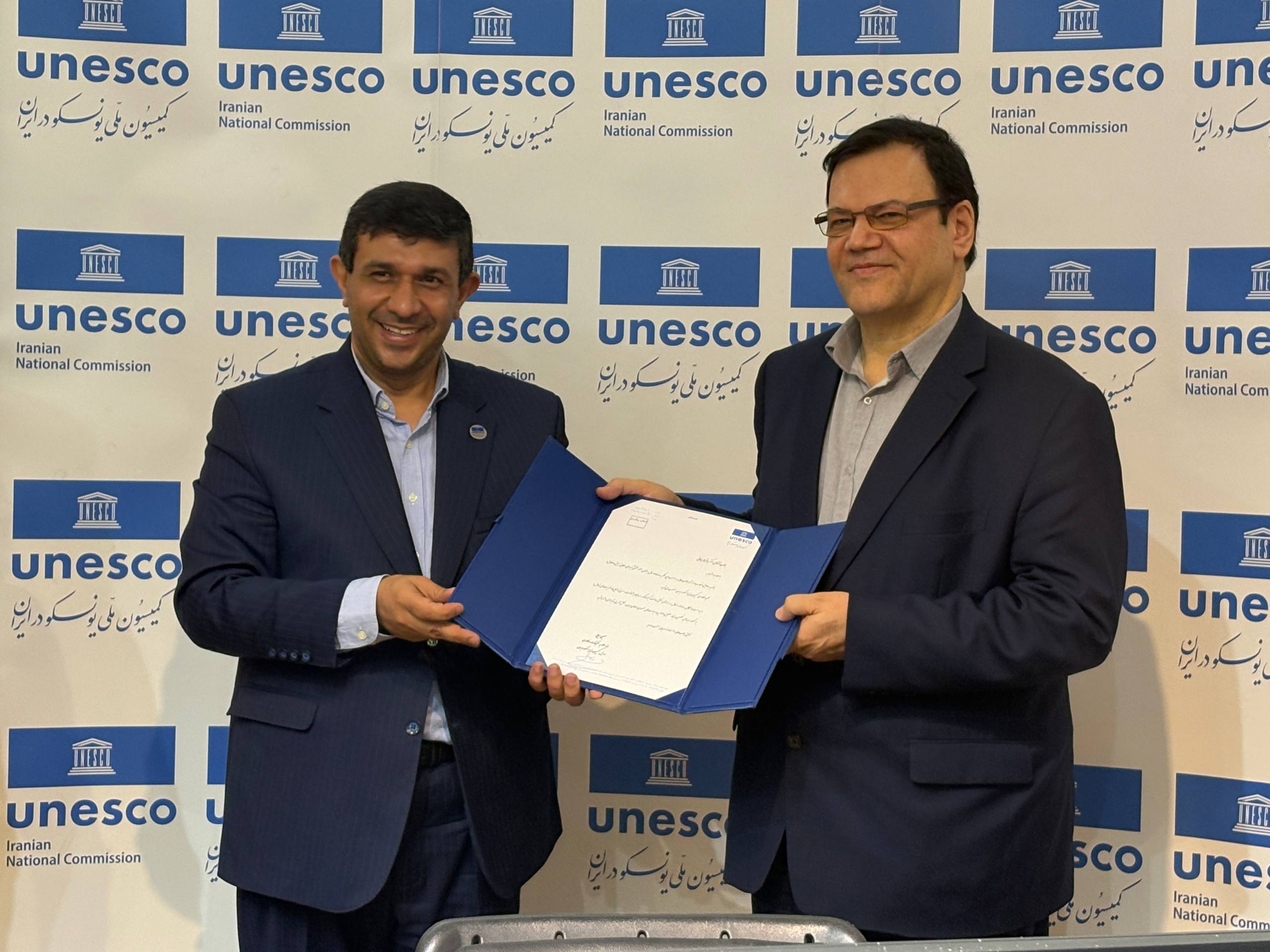
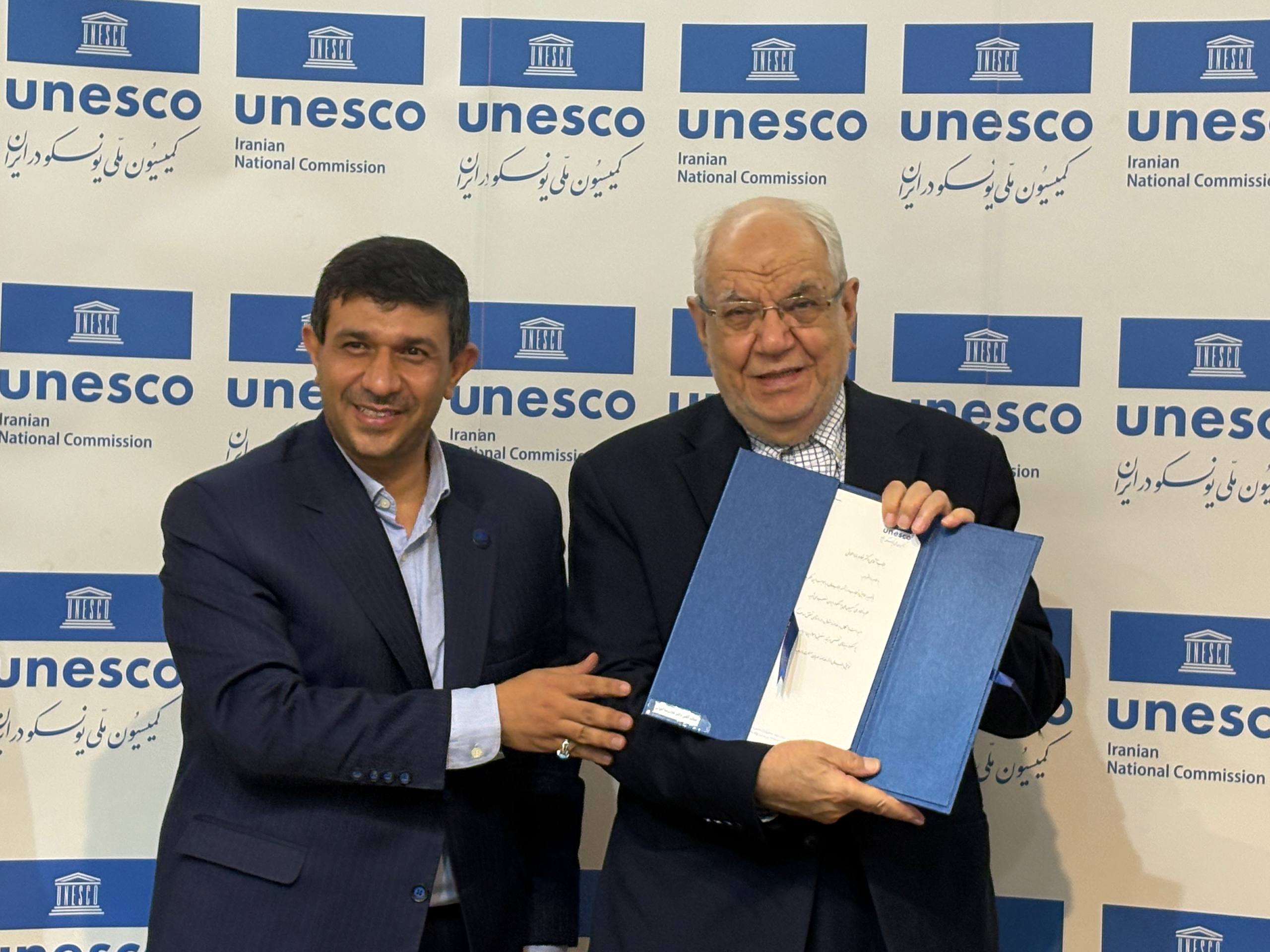
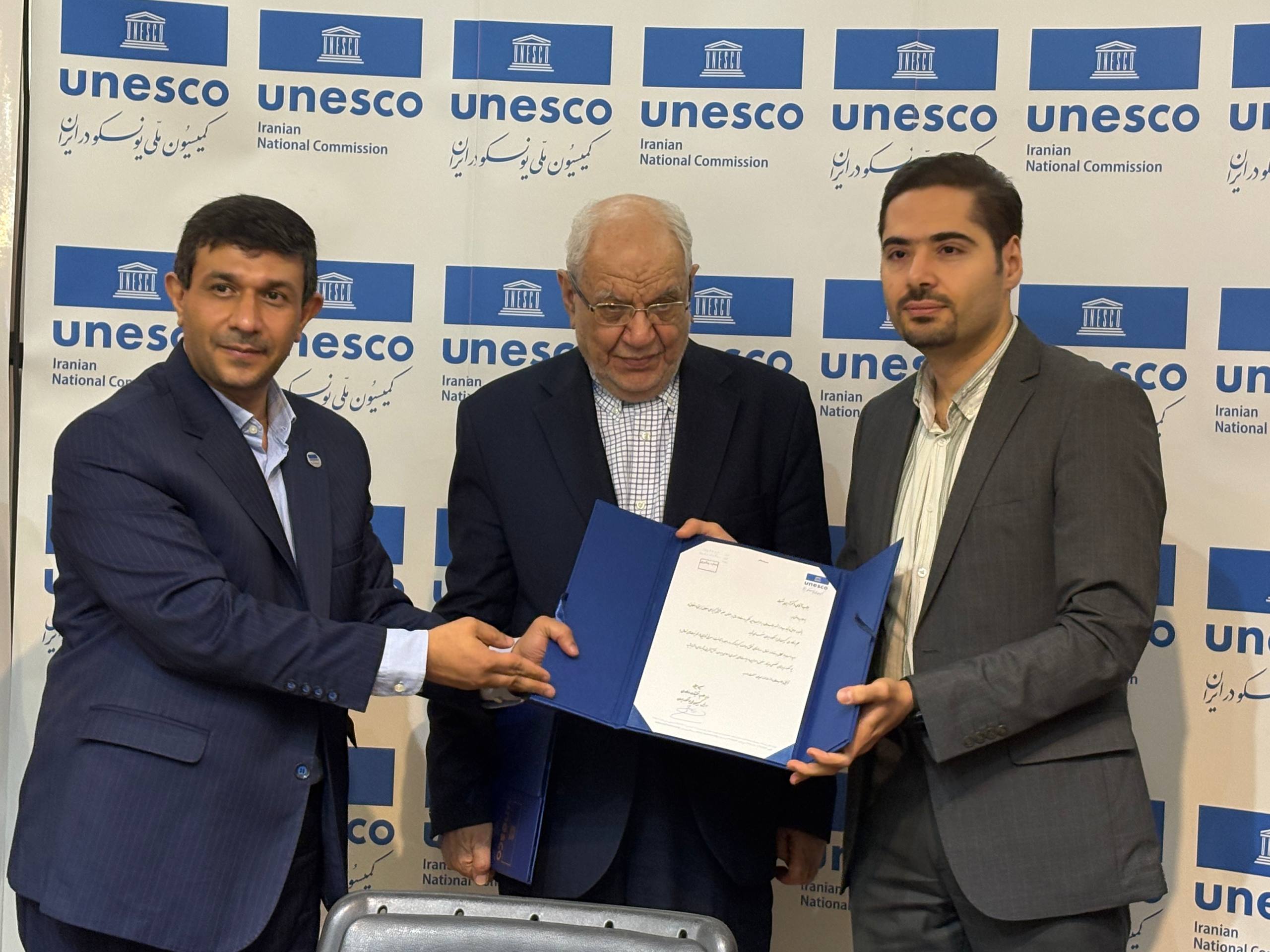
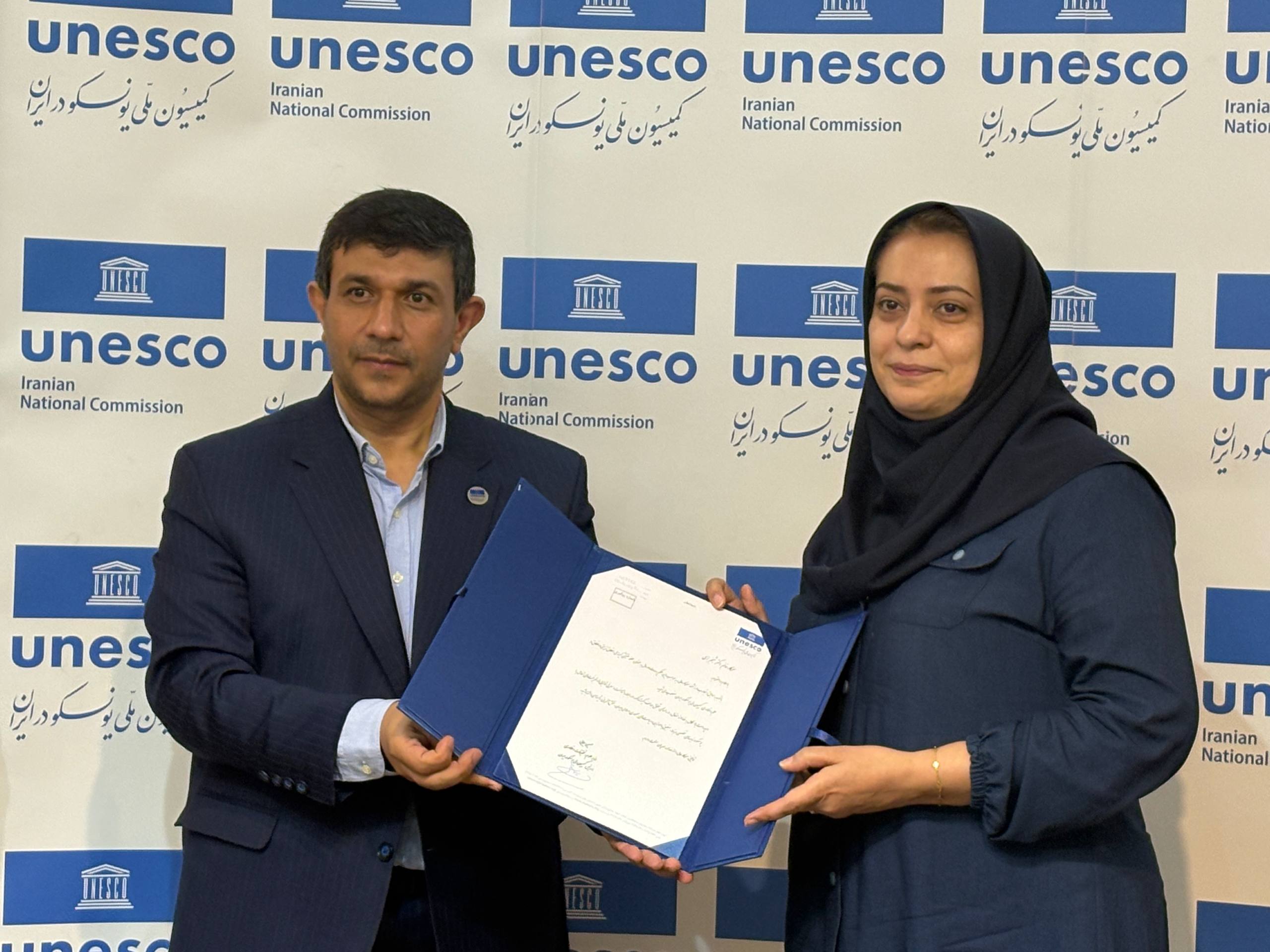
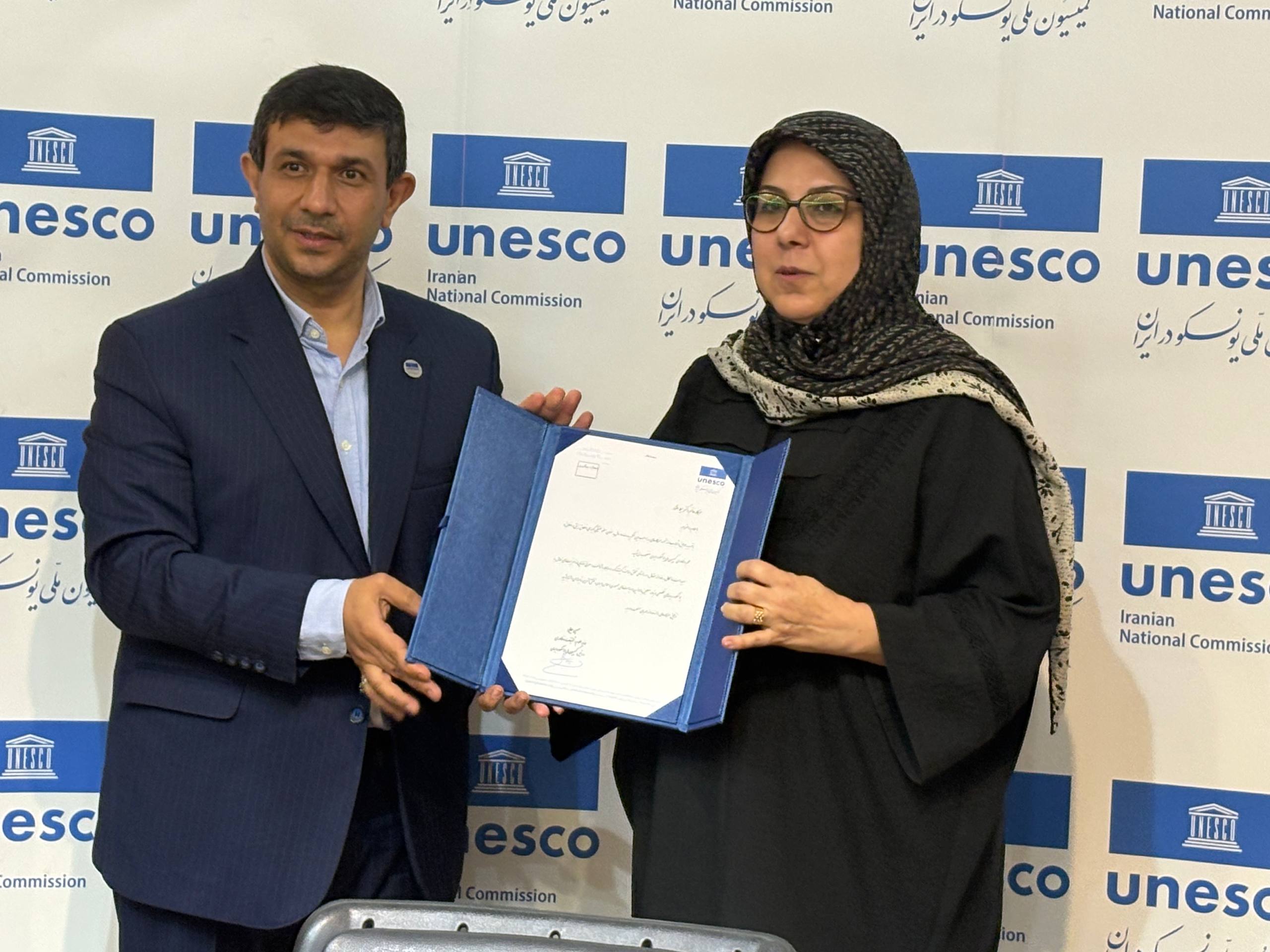
The appointment certificates were also presented to the individual members of the National Committee for Bioethics and Ethics of Science and Technology, who had been appointed upon the Secretary-General’s proposal and with the approval of the Minister of Science, Research and Technology, who also serves as President of Iran’s National Commission for UNESCO.
It is worth noting that the committee’s institutional members include Dr. Shahin Akhoundzadeh Basti, Deputy Minister of Health and Medical Education for Research and Technology; Dr. Ali Montazeri, President of the Academic Center for Education, Culture and Research (ACECR); Dr. Forouzandeh Mahjoobi, President of the National Institute of Genetic Engineering and Biotechnology; and Dr. Mohammad Ali Ebrahimi, President of the Agricultural Biotechnology Research Institute of Iran.
The committee’s individual members are Dr. Gholamreza Aavani, Dr. Bagher Larijani, Dr. Saeed Semnanian, Dr. Mahmoud Abbasi, Dr. Leila Afshar, Dr. Shabnam Bazmi, Dr. Mostafa Taghavi and Dr. Abbas Abadi.