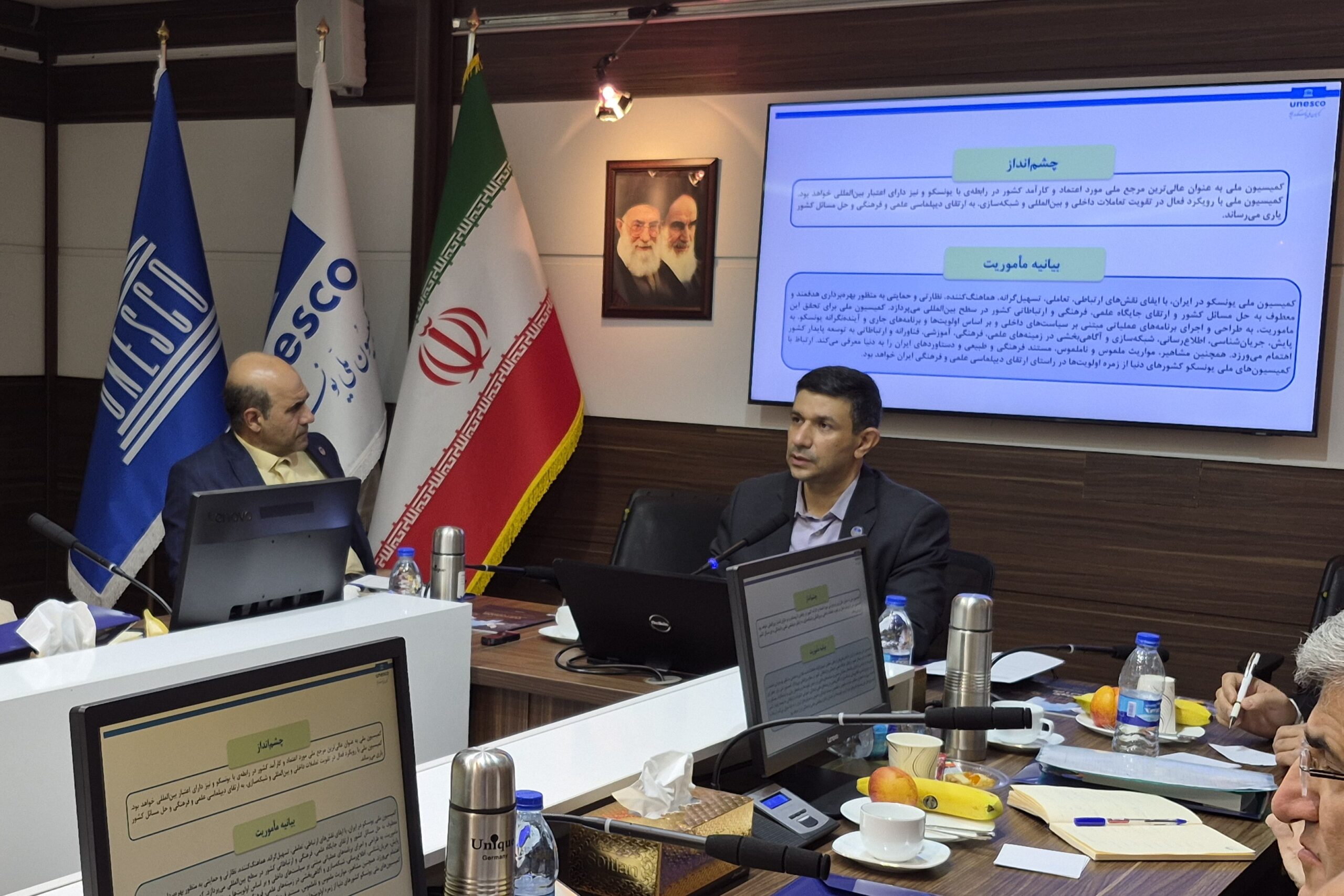
Launching The National Committee for Civil Rights and Peace of The Iranian National Commission for UNESCO
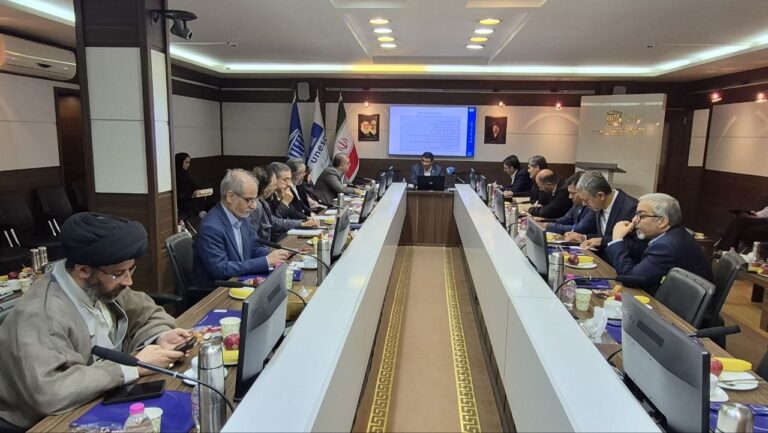
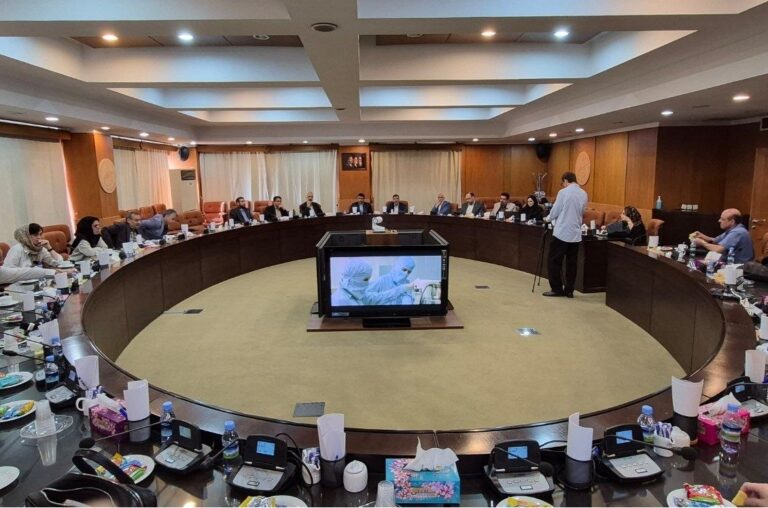
The first meeting of the National Committee for Civil Rights and Peace of The Iranian National Commission for UNESCO was held at the Commission’s premises as part of the new cycle of activities of its specialized committees, with the participation of Dr. Hassan Fartousi, Secretary-General of The Iranian National Commission for UNESCO, and a number of the Committee’s individual and institutional members.
During the meeting, the Committee’s structure, mandate, and main areas of activity were outlined, and UNESCO’s key documents and approaches in the fields of civil rights and peace were reviewed. The Committee’s priorities and proposed areas of activity were also discussed, and its Executive Board was elected.
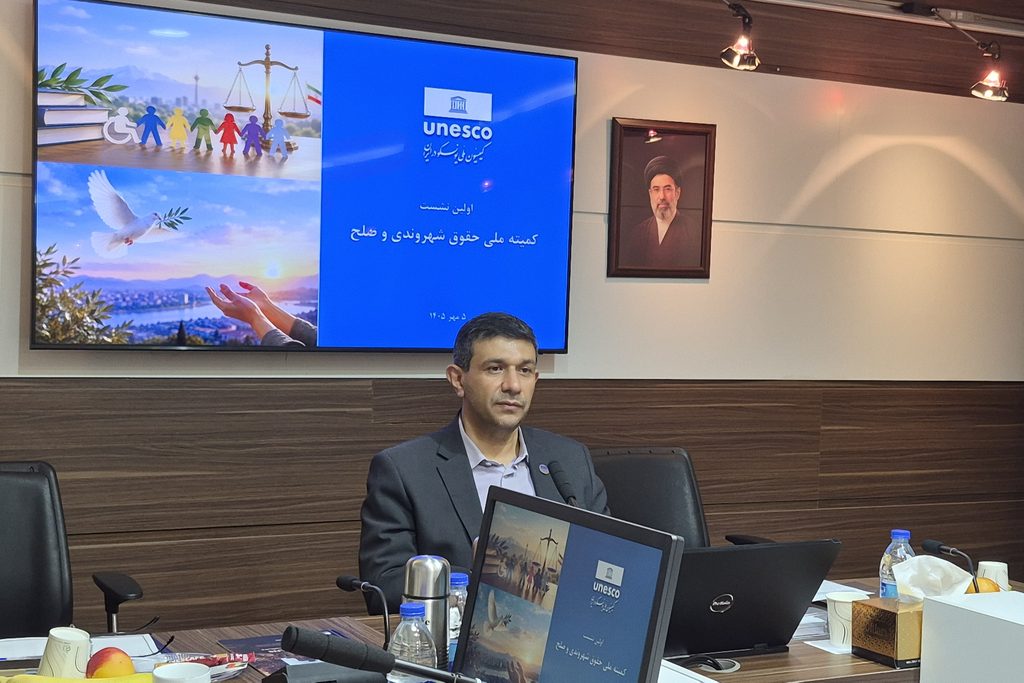
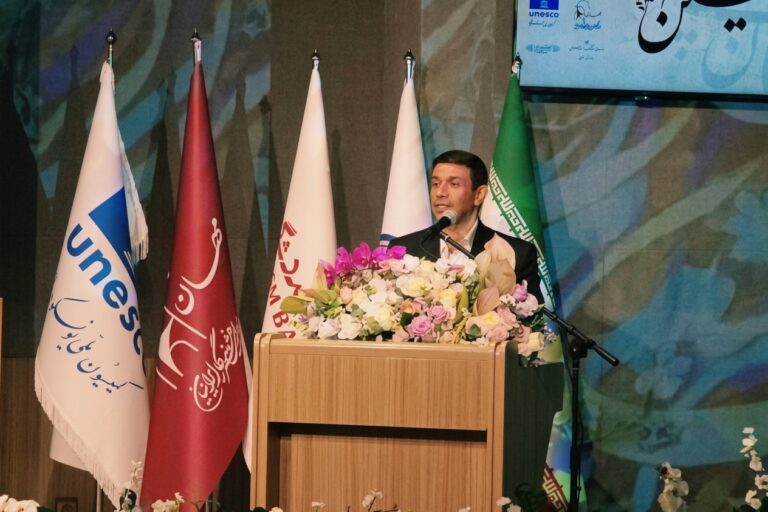
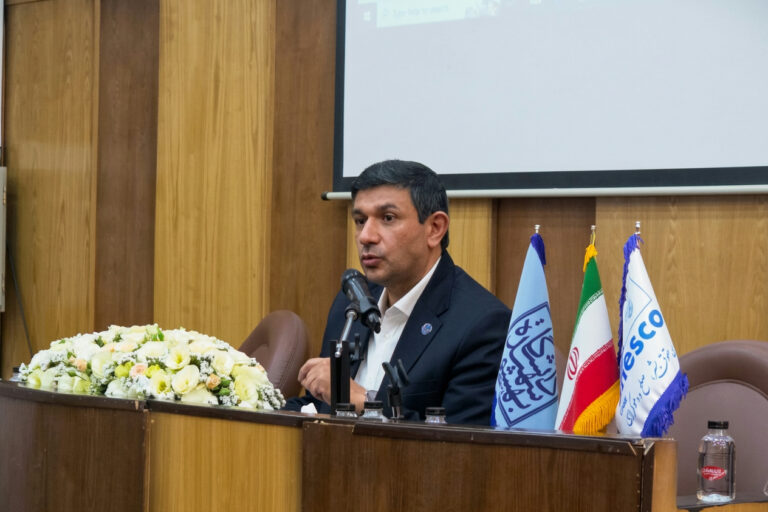
At the beginning of the meeting, Dr. Hassan Fartousi, Secretary-General of The Iranian National Commission for UNESCO, welcomed the Committee’s individual and institutional members and described the launch of the Committee’s activities as an effective step towards strengthening national coordination, expanding cross-sectoral cooperation, and drawing on the country’s scientific, specialized, and executive capacities in the fields of civil rights and peace.
Referring to UNESCO’s contemporary approach to linking education, peace, human rights, and global citizenship, he emphasized the importance of dialogue, mutual understanding, and social participation.
Review of UNESCO’s Documents and Approaches in the Fields of Civil Rights and Peace
The Committee’s structure, mandate, and main areas of activity were then outlined, and UNESCO’s key documents and approaches in these fields were reviewed. These included the Recommendation on Education for Peace, Human Rights and Sustainable Development, as well as documents addressing the role of young people in promoting peace and understanding among peoples.
The discussion also highlighted the need to address the rights and participation of children and young people, create safe and inclusive learning environments, and strengthen the links between civil rights, social participation, and sustainable development.
Defining the Committee’s Proposed Areas of Activity
The proposed areas of activity included monitoring and analyzing issues related to civil rights and peace; organizing specialized meetings and academic dialogues; preparing research and policy reports; translating and publishing UNESCO’s specialized documents and resources; designing educational and capacity-building programs; and establishing a network of relevant experts and institutions. The importance of strengthening cooperation among academic, executive, cultural, and civil society institutions and drawing on UNESCO’s capacities in these areas was also emphasized.
The individual and institutional members attending the meeting then introduced themselves and shared their views and proposals on the Committee’s priorities and areas of activity. They emphasized the importance of strengthening intercultural and intergenerational dialogue, encouraging the active participation of young people, and expanding national and international cooperation to promote a culture of peace, mutual understanding, and social responsibility.
Election of the Committee’s Executive Board
In accordance with the new regulations governing the specialized committees of The Iranian National Commission for UNESCO, an election was also held to select the Committee’s Executive Board.
Based on the votes cast by the members present, Dr. Mehdi Sabouri-Pour was elected Chair and Dr. Mohammad Jafar Amirmahlati Vice-Chair of the National Committee for Civil Rights and Peace. By consensus, Dr. Nasrin Mosaffa was also elected Honorary Chair of the Committee.
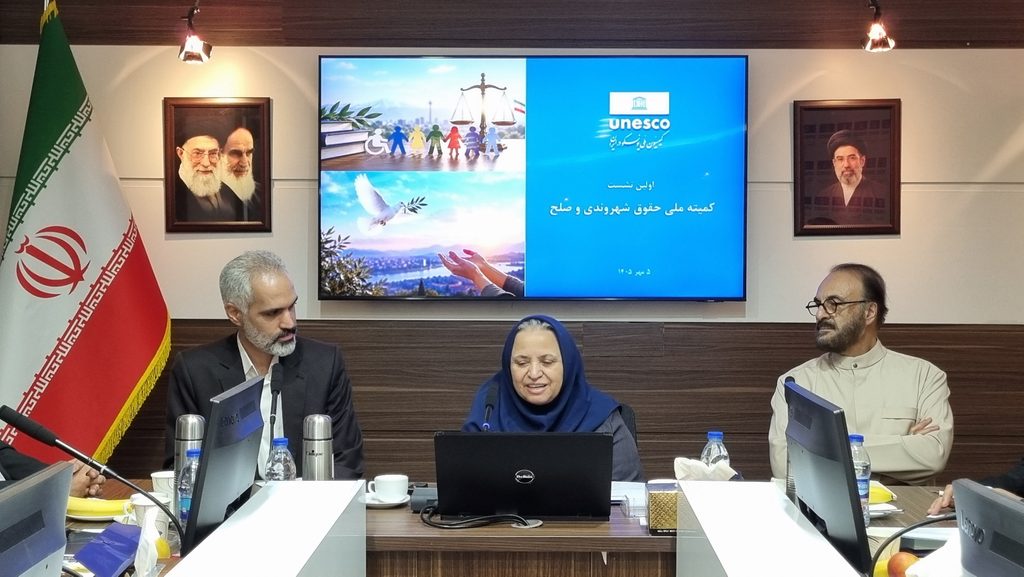
At the conclusion of the meeting, the need to strengthen cooperation and synergies among the Committee’s individual and institutional members, continue holding specialized meetings, follow up on decisions, and develop the Committee’s action plans was emphasized.
Among the Committee’s institutional members, Dr. Rouhollah Rahami, Deputy for Research, Education and Civil Rights at the Legal Deputy of the President’s Office; Mr. Mohammad Darvishzadeh, Head of the Institute for Law and Legislation of Iran; and Dr. Mehdi Sabouri-Pour, Chairholder of the UNESCO Chair on Peace, Human Rights and Democracy, attended the meeting. Representatives of the Deputy for Constitutional Affairs at the Legal Deputy of the President’s Office and the Director of the Majd Research Center in Shiraz were also present.
The individual members attending the meeting included Dr. Nasrin Mosaffa, Mr. Mohammad Jafar Amirmahlati, Dr. Siavash Rahpeyik, Dr. Mohammad Jalali, Dr. Asadollah Yavari, and Dr. Sattar Azizi.
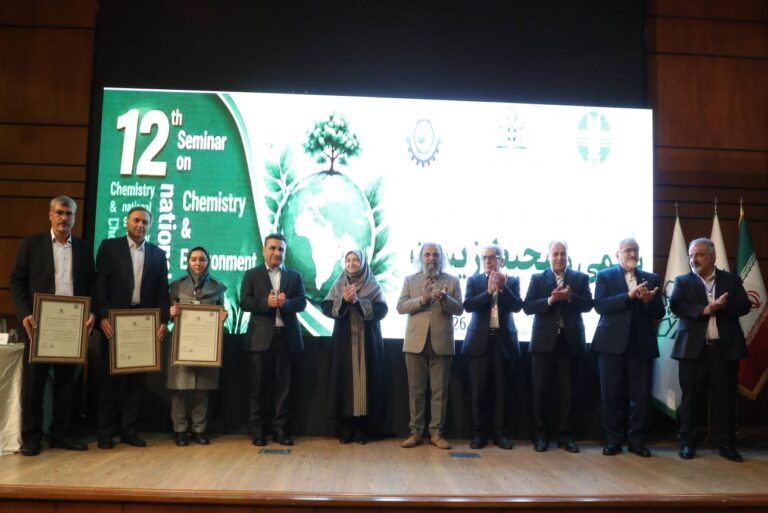
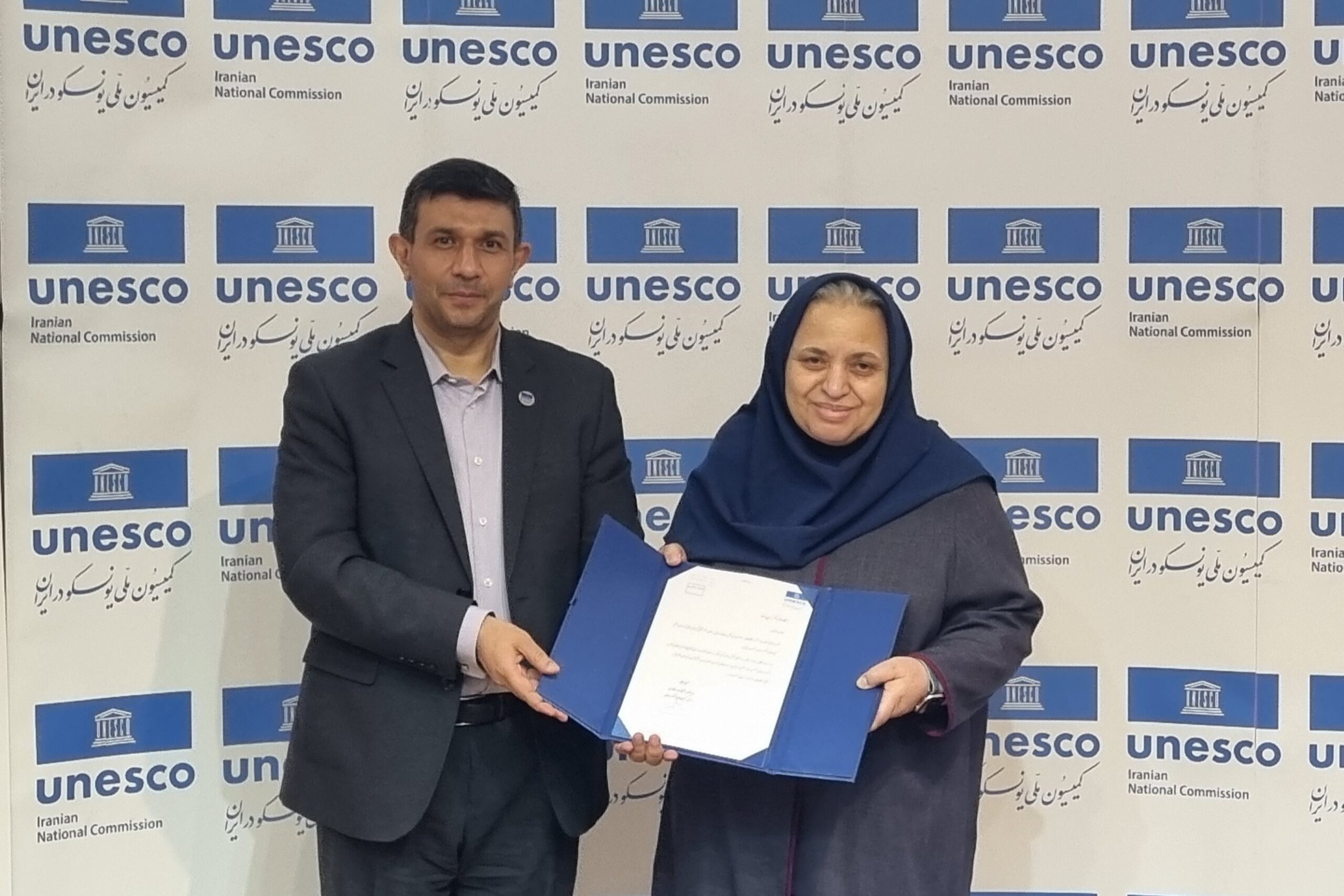
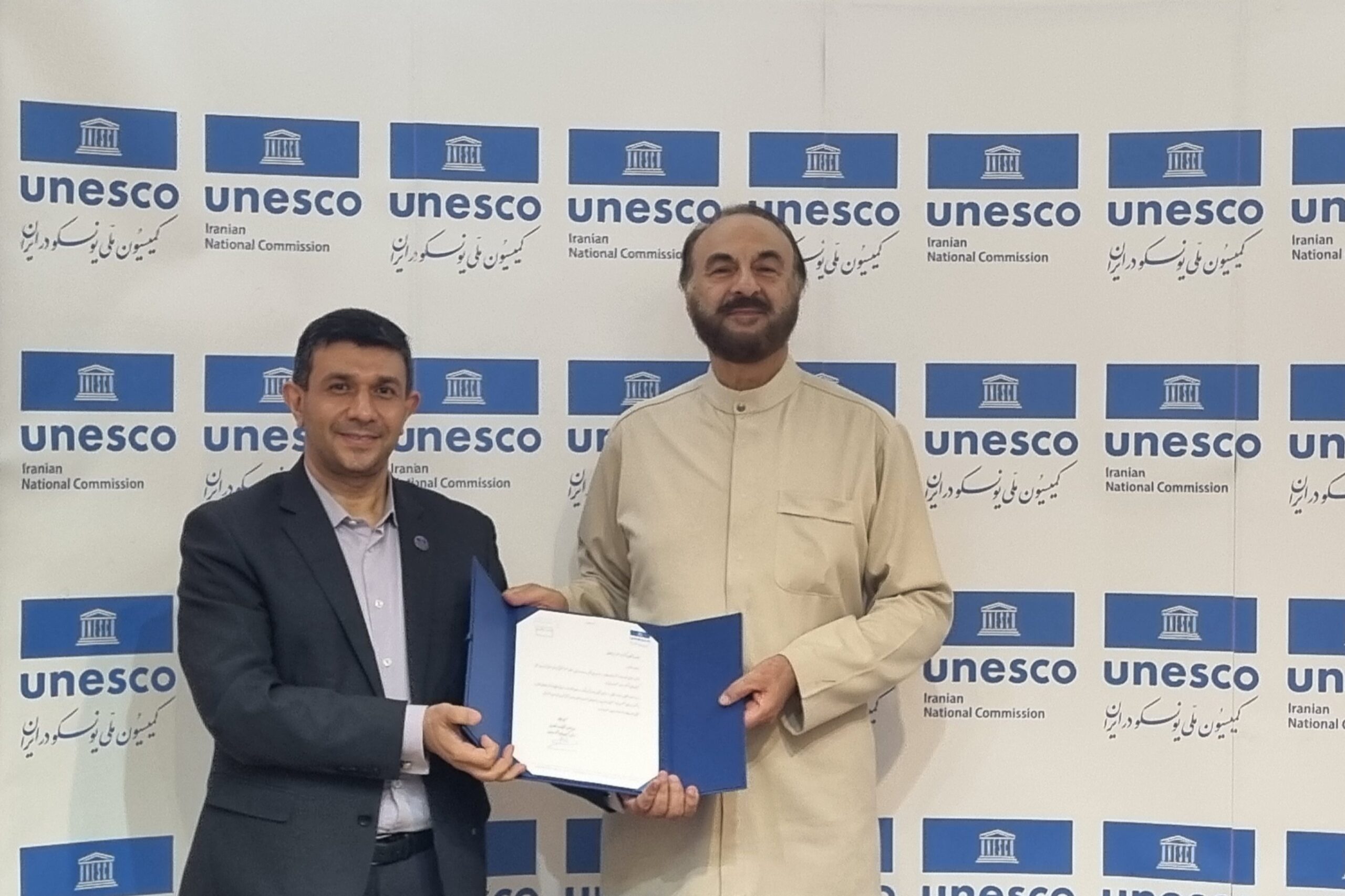
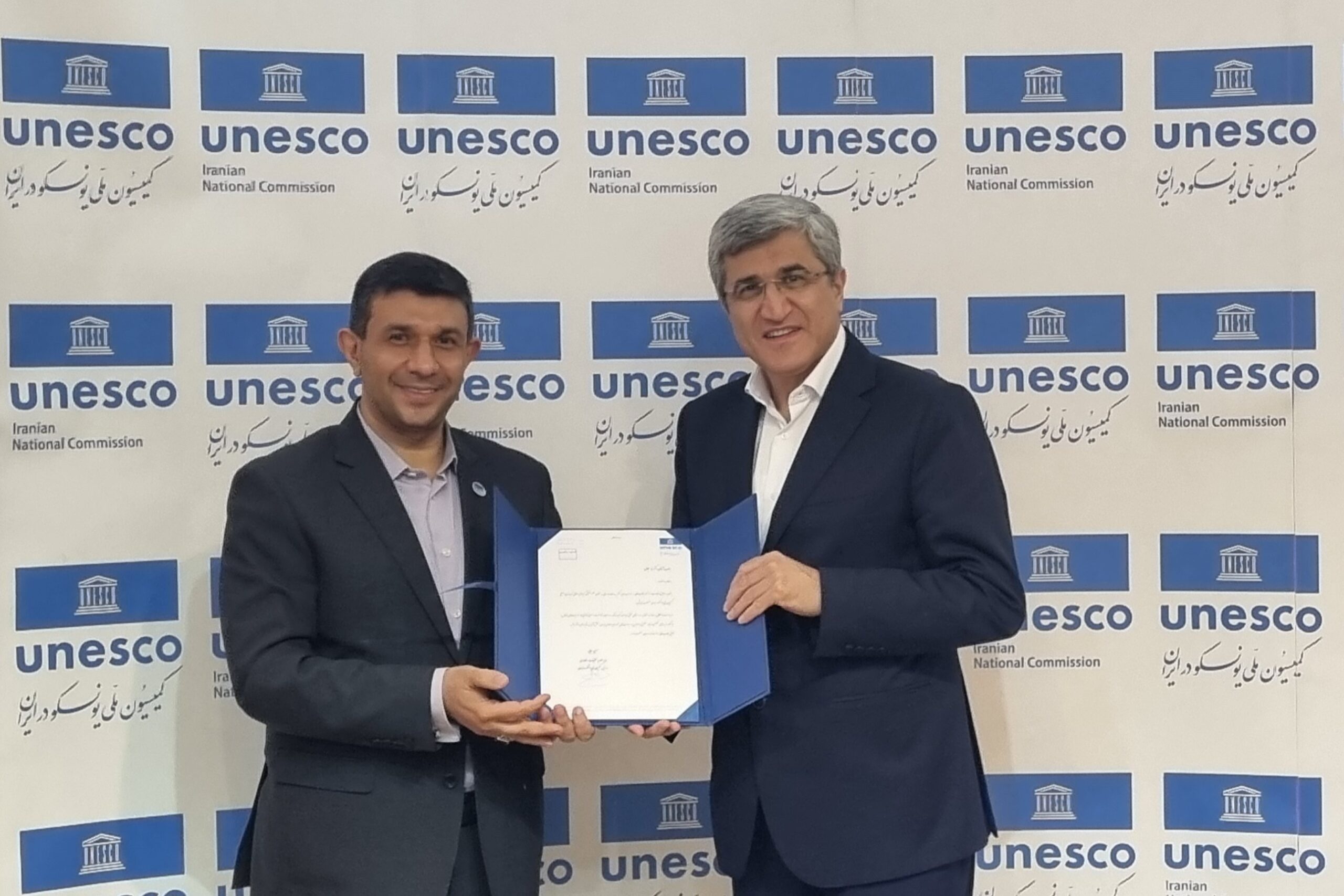
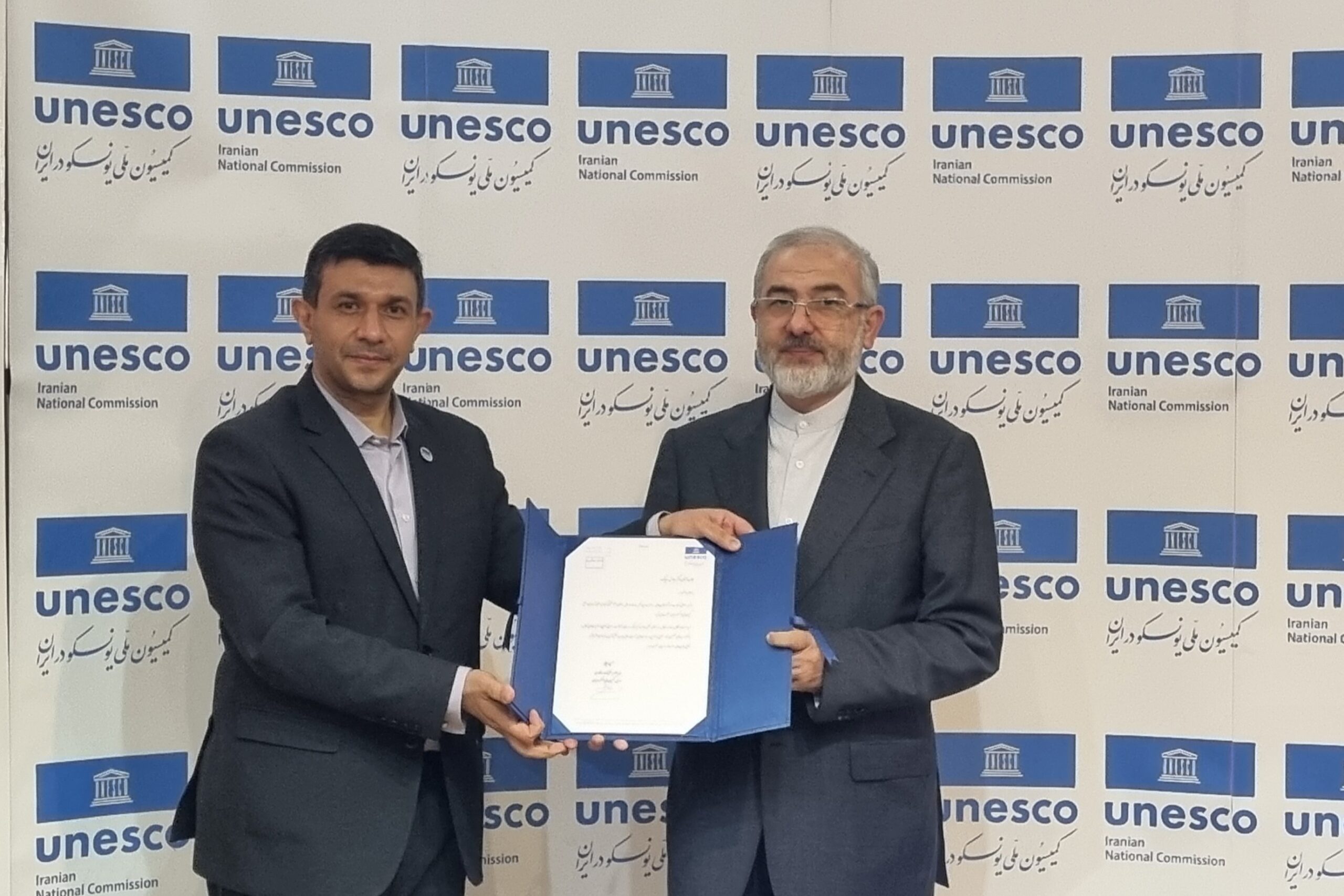
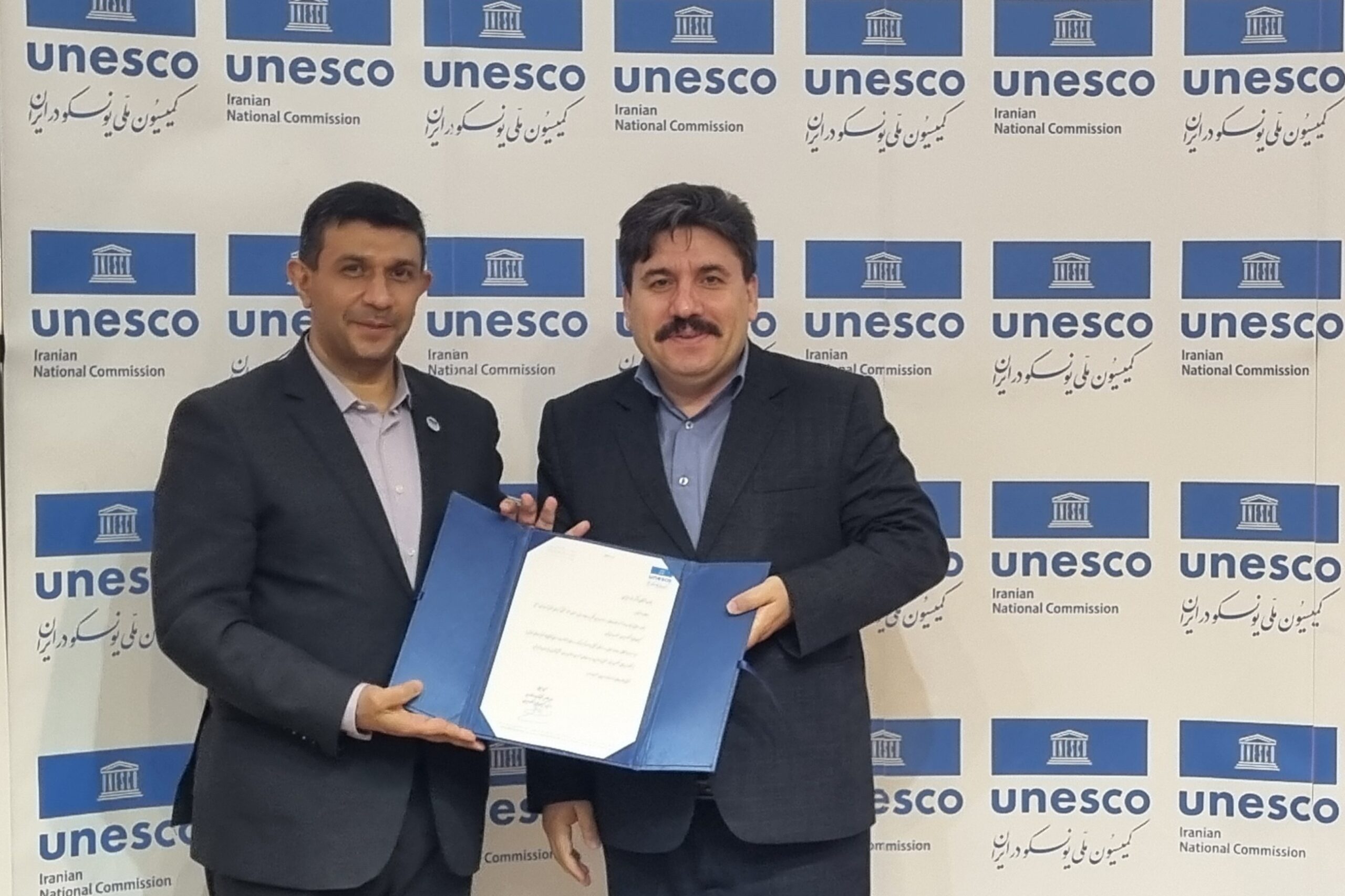
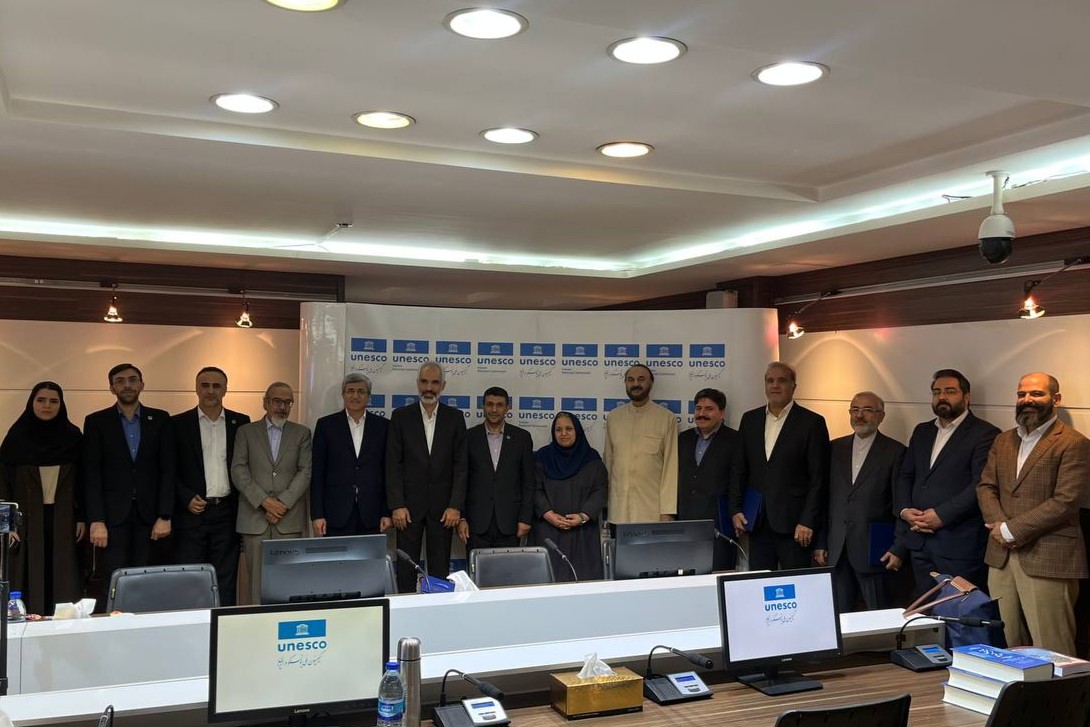
At the end of the meeting, appointment letters for the individual members of the National Committee for Civil Rights and Peace, signed by the Minister of Science, Research and Technology and the President of The Iranian National Commission for UNESCO, were presented to the members. The meeting concluded with a commemorative group photograph.